Apple expands Visual Intelligence access to iPad lineup in latest iPadOS 27.3 beta release

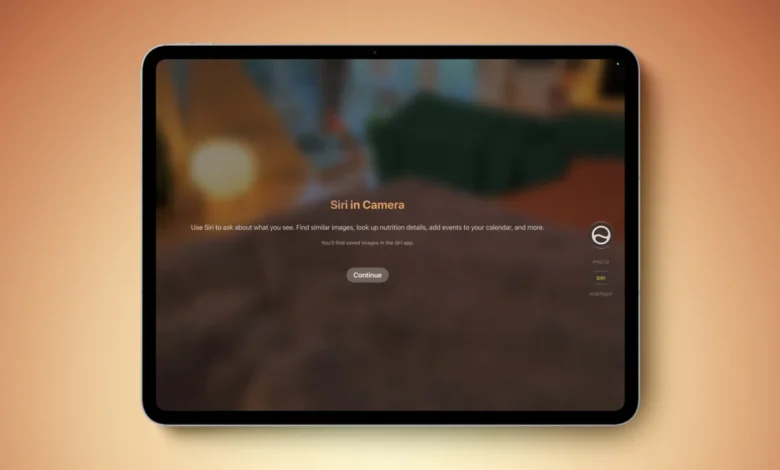
The landscape of mobile computing continues to evolve as Apple integrates its advanced artificial intelligence suite, specifically the Visual Intelligence feature, into its broader ecosystem. Following the successful deployment of the Siri-integrated Camera mode on iPhone 15 Pro and later models earlier this year, Apple has officially expanded this capability to the iPad platform. The release of the iPadOS 27.3 developer beta, which commenced on November 3, 2026, marks a significant milestone in Apple’s strategy to harmonize the user experience across its high-performance mobile devices.
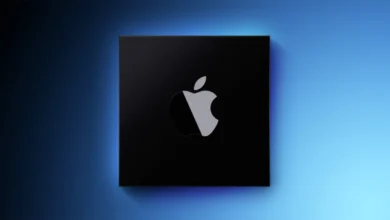
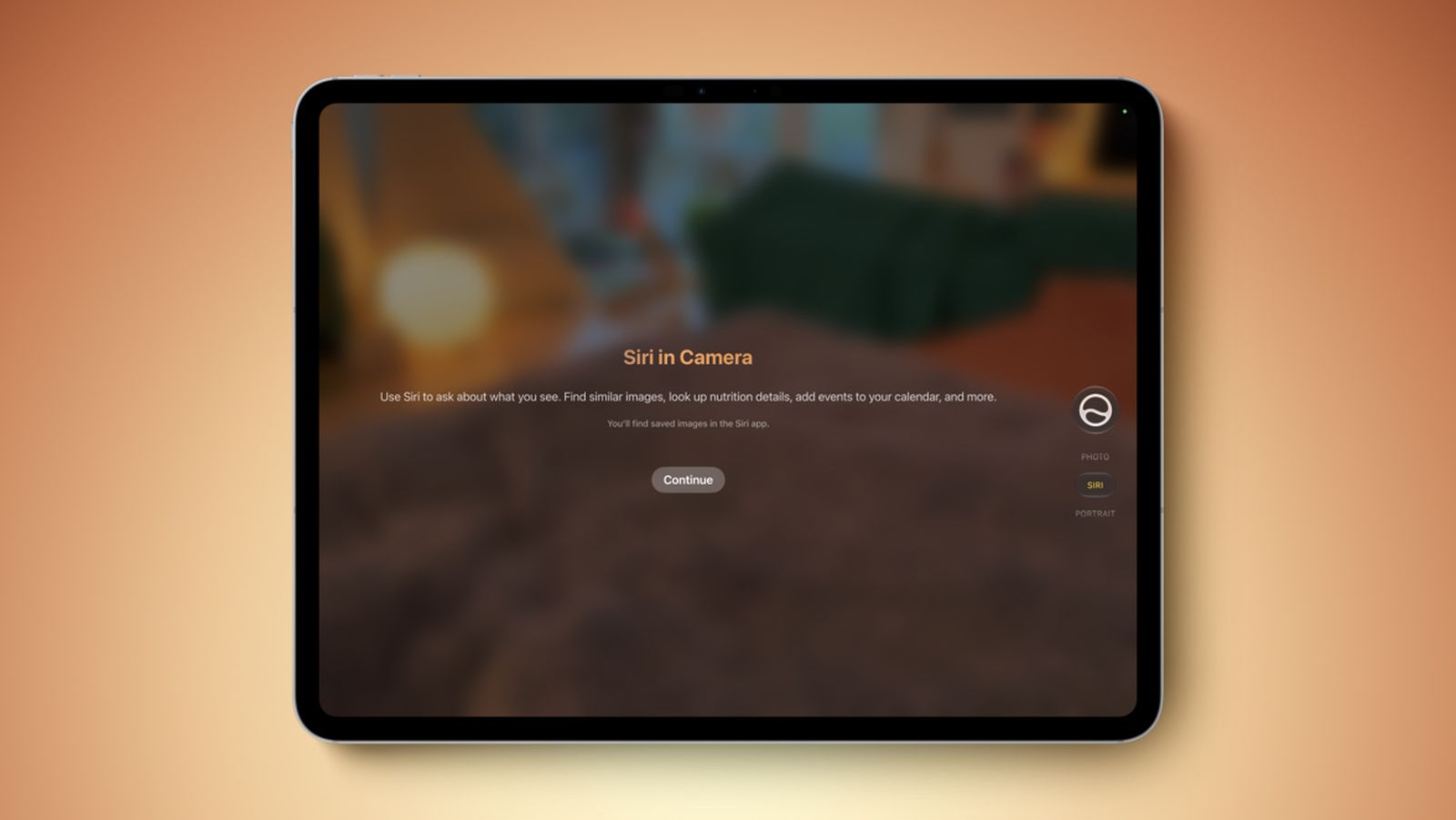
By bringing the dedicated Siri tab within the Camera application to a wider range of tablets, Apple is signaling a shift toward more seamless, context-aware computing. This update is specifically designed to leverage the specialized neural engines found in Apple’s proprietary silicon, ensuring that the heavy lifting of real-time image analysis is handled locally on the device, maintaining both speed and user privacy.
Hardware Compatibility and Technical Requirements
The expansion of the Siri-powered Camera mode is not universal across all existing iPad hardware, as it relies heavily on the computational overhead required for Visual Intelligence. Under the current specifications outlined in the iPadOS 27.3 beta, the feature is limited to devices equipped with advanced neural processing units.
The list of supported devices includes:
- iPad Pro models: All versions featuring the M1 chip or newer.
- iPad Air models: All versions featuring the M1 chip or newer.
- iPad mini models: Specifically those utilizing the A17 Pro and A20 Pro chip architectures.
This hardware segmentation underscores Apple’s focus on silicon-gated features. The inclusion of the A20 Pro chip in the iPad mini, a recent addition to the tablet’s lineage, suggests that Apple is aggressively pushing its most efficient chips into smaller form factors to ensure that AI-driven features like Visual Intelligence are not relegated solely to the "Pro" lines. For users on older hardware, the absence of this feature serves as a stark reminder of the rapidly widening gap between legacy devices and the current generation of AI-capable tablets.
Functional Integration and Apple Pencil Synergy
While Visual Intelligence was previously accessible on the iPad, its integration into the Camera application via a dedicated Siri tab changes the workflow for power users. In previous iterations, users often had to capture an image, navigate to a separate application or system menu, and then initiate an analysis. The new Siri mode allows for an "in-the-moment" capture and query flow.
Perhaps the most significant addition for iPad users is the deep integration with the Apple Pencil. When a user switches to the Siri-enabled Camera mode, they can now utilize the Apple Pencil to circle specific objects within the viewfinder or on a captured image. This tactile interaction allows for a degree of precision that is difficult to achieve with simple touch-based gesture controls. By circling an object, the user triggers the Visual Intelligence engine to provide immediate context—identifying landmarks, translating text, or offering information on products captured in the frame.
This functionality effectively turns the iPad into a sophisticated research tool. For students, designers, and field professionals, the ability to physically point to an object and receive real-time, AI-backed metadata represents a significant leap in utility. It bridges the gap between the physical world and the digital information layer that Apple has been cultivating through its Siri AI improvements.
Chronology of Siri AI and Visual Intelligence Deployment
The path to this integration began earlier in 2026, marking a concerted effort by Apple to overhaul its software ecosystem. The following timeline outlines the progression of these technologies:
- June 2026: Apple introduces iOS 27 during its Worldwide Developers Conference, highlighting the new Visual Intelligence capabilities for the iPhone 15 Pro series.
- August 2026: Initial stability updates for iOS 27 begin to roll out, setting the stage for cross-platform integration.
- October 2026: Apple releases iOS 27.2, which brings significant improvements to Siri’s conversational memory and cross-device functionality, allowing the assistant to recall past interactions.
- November 3, 2026: Apple seeds the first beta of iPadOS 27.3, extending the Camera-based Siri mode to compatible iPad models and establishing a December 2026 release window for the general public.
This rapid-fire deployment schedule suggests that Apple is treating its AI suite as a living project, with features moving from smartphone-first to a unified multi-device experience within months of initial testing.
Supporting Data and Industry Context
The integration of Visual Intelligence into the iPad is part of a larger trend in the mobile industry toward "On-Device AI." According to recent market analysis, consumers are increasingly prioritizing hardware that can perform complex AI tasks without relying solely on cloud connectivity. By utilizing the M-series and A-series chips, Apple is attempting to mitigate the latency issues that often plague cloud-based vision services.
Data from recent performance benchmarks indicates that the neural engines in the M1 and newer chips are more than capable of handling the image segmentation required for the new Siri camera mode. The latency for object identification in the current beta version is reportedly under 200 milliseconds, a figure that is significantly faster than previous software-based visual search tools.
Furthermore, the expansion coincides with a broader update to the Apple TV ecosystem, which saw the introduction of the A19 chip and Siri AI support in October 2026. These updates suggest that Apple’s engineering teams are standardizing their machine learning libraries across all hardware, creating a unified development environment for Siri-related applications.
Official Stance and User Expectations
While Apple has not issued a detailed white paper on the specific neural network models used for this update, spokespeople have previously emphasized the company’s commitment to "privacy-first intelligence." By processing visual queries on-device, Apple is positioning its iPad lineup as a secure alternative to cloud-heavy competitors that require massive data harvesting to train their vision models.
The industry response to this beta has been largely positive, with developers noting that the API hooks provided in iPadOS 27.3 could lead to more robust third-party integration. If third-party developers are given access to the same "circle-to-search" and Visual Intelligence data streams that Apple is using in its own camera app, the potential for augmented reality (AR) and educational applications is vast.
Broader Impact and Future Implications
The inclusion of the Siri tab in the Camera app is more than a quality-of-life update; it is an architectural shift in how users interact with their environments. As tablets increasingly replace laptops for creative and educational workflows, the ability to treat the tablet camera as an intelligent lens becomes essential.
The implications for the education sector are particularly noteworthy. A student in a laboratory or a field researcher can now document specimens and instantly receive identification or related data points, essentially creating a real-time digital field guide. For the professional design sector, the ability to instantly pull color palettes, object dimensions, or product history directly from the viewfinder will likely reduce the reliance on secondary research devices.
Looking toward the remainder of 2026 and into 2027, analysts expect that Apple will continue to refine these features. The success of the iPadOS 27.3 beta will likely determine how quickly these features are ported to lower-tier iPad models that currently lack the necessary NPU (Neural Processing Unit) requirements. As the cost of high-performance silicon continues to decrease, the democratization of these AI features will be a critical metric for Apple’s dominance in the tablet market.
As we look toward the expected general release in December 2026, the tech community will be watching closely to see if the "Siri mode" performance remains consistent across all supported models or if the higher-end M-series chips offer tangible advantages in speed and accuracy. For now, the integration serves as a clear indication that Apple is doubling down on its vision of an AI-augmented future where the hardware, the operating system, and the user’s physical surroundings are increasingly interconnected. The transition from a simple camera to an intelligent observation tool is now complete, and the next phase of mobile innovation will likely focus on how effectively these tools can be applied to complex, multi-modal tasks.