The Android ecosystem has taken a significant step forward in the competitive landscape of personal item tracking. Google has officially begun rolling out its long-awaited "Notify when left behind" feature for Find Hub tags and trackers. Initially previewed by developers and tech analysts in October, the rollout brings a fundamental capability to the network that users and industry critics alike argue should have been a cornerstone of the platform from its inception.
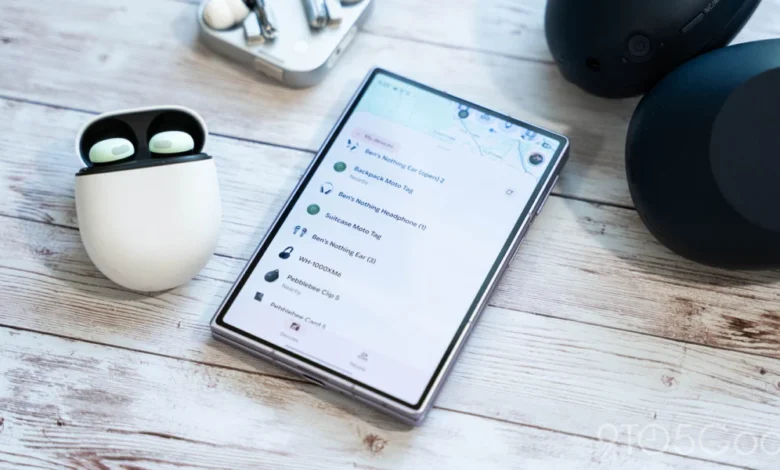
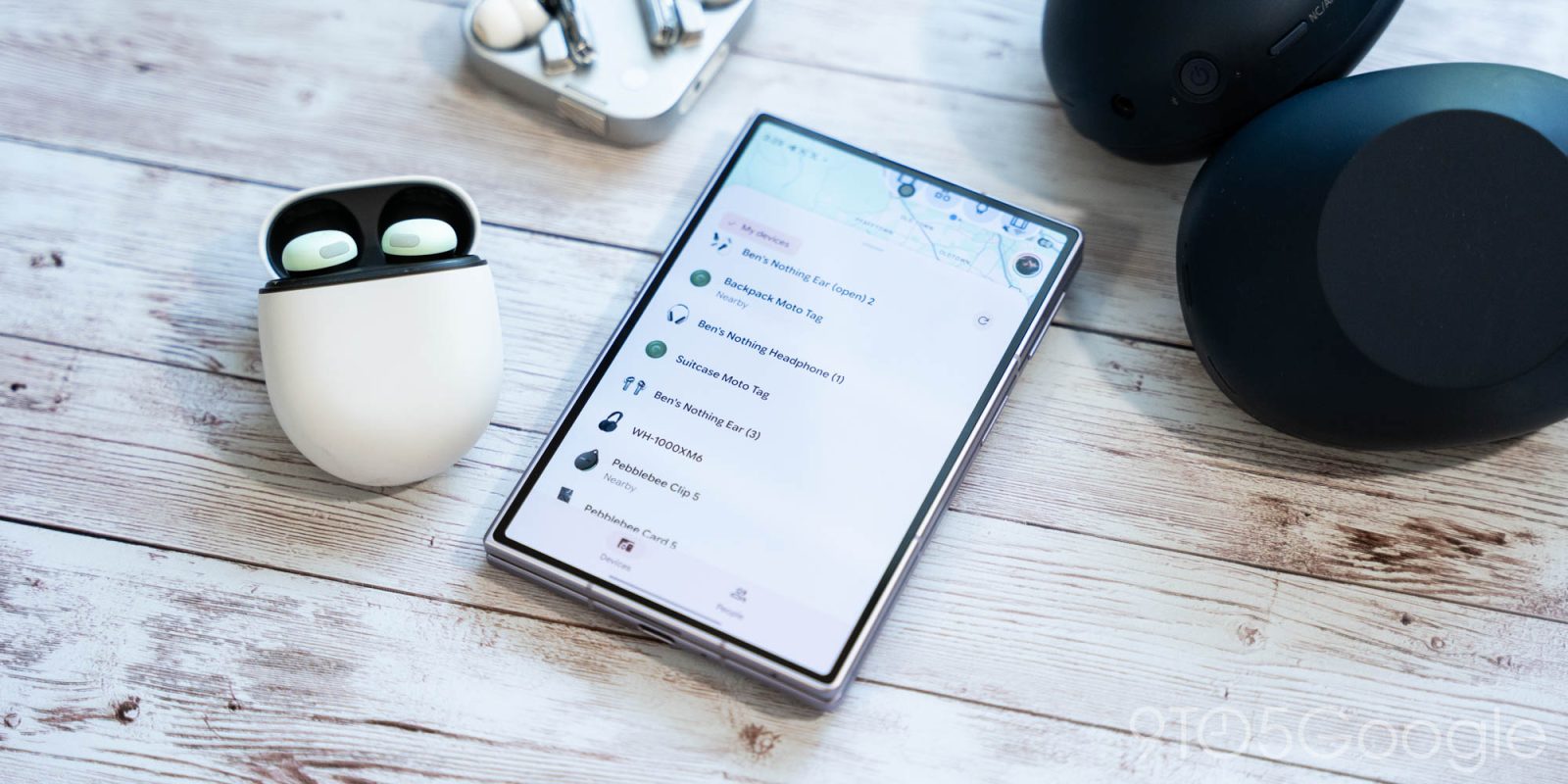
As part of the Find Hub for Android update (version 3.1.787-06), which is currently reaching users in both the United States and Europe, the new separation-alert capability is live for compatible third-party hardware. Currently, users utilizing popular hardware such as Chipolo trackers and the Motorola Moto Tag are reporting the appearance of the feature. However, the functionality remains exclusive to dedicated tracking tags for now, omitting other Bluetooth accessories like wireless headphones and earbuds.
The introduction of proximity-based separation alerts bridges a critical feature gap between Google’s network and rival ecosystems, most notably Apple’s Find My network, which has offered similar safety features for AirTags and certified third-party accessories for years.
How the New Find Hub Separation Alerts Work
Enabling the newly deployed feature is a straightforward process designed to integrate seamlessly into the existing user interface of the Find Hub application. Users must open the Find Hub app on their Android device, select the specific tracking tag they wish to configure, and tap the settings gear icon located in the top-right corner of the bottom sheet interface.
Within this settings menu, a dedicated "Notify when left behind" section has been introduced. When activated, the system triggers a push notification on the user’s smartphone the moment the connected tag is separated from the device. To prevent constant, unnecessary alerts during daily routines, Google has incorporated a smart exception feature: by default, the alerts are disabled when the tag and phone are within the vicinity of the user’s primary Home address, which is automatically pulled from the location data stored in their Google Account via Google Maps.
This thoughtful inclusion prevents users from receiving continuous notifications every time they step away from their keys or wallet while inside their own homes, ensuring that the feature remains useful rather than annoying.
A Chronology of Find Hub’s Evolution
The deployment of left-behind alerts represents the culmination of a months-long feature expansion for Google’s device-locating network. The timeline of Find Hub’s development highlights Google’s deliberate, albeit sometimes delayed, effort to match the comprehensive capabilities of established competitors.
In early October, references to "Left-Behind Reminders" first surfaced publicly within the official release notes for Google Play services, signaling to the tech community that proximity alerts were in active development. Shortly thereafter, leaks and previews indicated that Google was preparing to bundle these separation alerts with a broader overhaul of the device registration and management flow.
In addition to left-behind notifications, Google’s updated framework introduces enhanced customization options for tags. Users can now assign specific category icons to their trackers—such as icons designating a Bicycle, Luggage, Wallet, or Keys—and easily rename devices to better organize their digital inventories. Furthermore, Google has laid the groundwork for upcoming Near Field Communication (NFC) support. This forthcoming functionality will allow users to tap an NFC-enabled Android phone directly against a Find Hub tag to instantly pull up its details, view settings, or retrieve owner contact information if a lost tag is discovered by a Good Samaritan.
The Competitive Landscape of Bluetooth Trackers
The race to dominate the item-tracking market has intensified significantly over the last half-decade. Apple established the modern gold standard for crowdsourced item tracking with the introduction of its Find My network and AirTags, quickly followed by robust integration for third-party manufacturers like Chipolo, Pebblebee, and various luggage and bicycle brands.
For Android users, the path to a unified, reliable tracking network was more fragmented. Google announced its completely redesigned Find My Device network—subsequently rebranded or referenced widely in tandem with Find Hub services—to leverage the billions of active Android smartphones worldwide as a passive location-reporting grid. By utilizing Bluetooth Low Energy (BLE) handshakes, Android devices could securely and anonymously relay the location of lost tags back to their rightful owners.
However, at launch, the network faced scrutiny for lacking foundational features that consumers had come to expect. While the ability to map a lost item’s global location was a major milestone, the omission of active separation warnings meant that users could easily leave a wallet at a restaurant or keys at an office without receiving an immediate prompt. With the deployment of the "Notify when left behind" update, Google is systematically closing these feature gaps, making its network a far more viable and competitive alternative for mainstream consumers.

Implications for Consumer Privacy and Security
As tracking networks grow more sophisticated, questions regarding privacy, anti-stalking measures, and user security remain paramount. Google and Apple have previously collaborated on industry-wide standards to detect unauthorized tracking devices, ensuring that unknown tags traveling with a user can be identified and disabled regardless of whether the victim uses an iPhone or an Android device.
The introduction of left-behind alerts operates entirely on the local connection between the user’s smartphone and their own registered tag. By relying on immediate Bluetooth separation rather than continuous cloud-based tracking of personal movement, the feature prioritizes user convenience while maintaining the encrypted security protocols that govern the wider Find Hub ecosystem.
Furthermore, the integration of home-address exemptions reflects a mature understanding of consumer behavior. By automatically muting alerts at designated safe zones, Google reduces alert fatigue, which historically has caused users to disable security and tracking notifications altogether out of frustration.
Broader Industry Impact and Future Outlook
The rollout of version 3.1.787-06 of Find Hub marks a turning point for Android’s accessory ecosystem. As manufacturers like Motorola, Chipolo, and others continue to expand their hardware lineups compatible with Google’s network, software parity with competing ecosystems becomes increasingly critical.
Industry analysts suggest that as Google rolls out the remaining promised features—such as deep NFC integration for lost-tag identification and advanced categorization—the Find Hub network will transition from a catch-up project into a robust, feature-complete utility. For millions of Android users who rely on trackers to keep tabs on their daily essentials, the arrival of left-behind alerts is not merely a welcome addition, but a long-overdue necessity that finally brings peace of mind to everyday item management.