The Genesis and Evolution of Stacey on IoT
The "Stacey on IoT" brand was established in 2016, a pivotal moment for the connected device industry. At the time, Higginbotham made the unconventional decision to leave her role as a senior editor at Fortune to launch an independent platform. This move was met with skepticism by some industry peers, as the transition from established corporate media to a self-published model was fraught with financial and professional risks. However, Higginbotham’s objective was to provide a deeper level of inquiry into the implications of adding computing power to everyday objects—a phenomenon that was rapidly transforming both domestic environments and industrial operations.
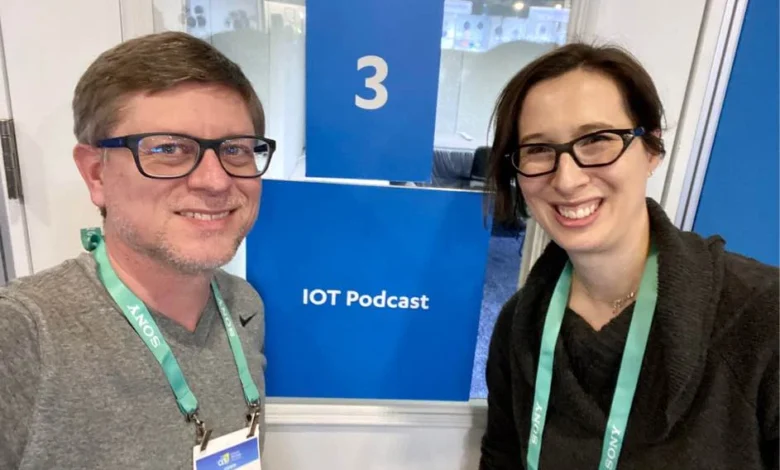
Throughout its seven-year run, the platform grew into a vital resource for engineers, executives, and tech enthusiasts. Supported by a loyal subscriber base and various corporate sponsors, the newsletter and its companion podcast provided a weekly synthesis of technical breakthroughs, policy shifts, and market trends. Higginbotham, often joined by co-host Kevin Tofel, became a familiar fixture at major industry events, such as the Consumer Electronics Show (CES), where they tracked the evolution of the smart home from its experimental infancy to a multi-billion-dollar global market.
A Chronology of the IoT Landscape (2012–2023)
To understand the significance of Higginbotham’s departure, one must examine the timeline of the IoT sector during her tenure. In 2012, when she first began intensive coverage of the smart home, the market was characterized by fragmented protocols and high barriers to entry. Devices were often difficult to install and even more difficult to secure.
By 2016, the year Higginbotham launched her independent business, the industry had entered a period of rapid hype. Major tech giants like Google, Amazon, and Apple were vying for control of the "smart home hub," and the promise of "big data" was driving venture capital into thousands of hardware startups. However, this period also saw the emergence of significant risks, including the infamous Mirai botnet attack in late 2016, which utilized insecure IoT devices to launch one of the largest distributed denial-of-service (DDoS) attacks in history.
Between 2018 and 2022, the focus shifted toward consolidation and the search for sustainable business models. The industry struggled with the longevity of connected products; as several high-profile startups folded, consumers were left with "bricked" hardware that no longer functioned without cloud support. This era underscored the tension between innovation and consumer protection—a central theme in Higginbotham’s work.
By 2023, the industry reached a state of maturity, signaled by the launch of "Matter," a new interoperability standard intended to simplify the smart home ecosystem. Yet, as Higginbotham noted in her farewell, this maturity brought new challenges, including the normalization of corporate surveillance and the shift toward aggressive subscription-based revenue models.
Supporting Data: The Scale of the Connected World
The scale of the industry Higginbotham covered is reflected in global market data. According to reports from IDC and Statista, the number of connected IoT devices worldwide was estimated to be approximately 15.14 billion in 2023, with projections suggesting a rise to over 29 billion by 2030. In the consumer segment alone, the smart home market was valued at approximately $117 billion in 2022, growing at a compound annual growth rate (CAGR) of over 10%.
However, this growth has been accompanied by a corresponding rise in consumer anxiety regarding privacy. A 2023 survey by the Cybersecurity and Infrastructure Security Agency (CISA) and various consumer advocacy groups indicated that nearly 70% of consumers were "highly concerned" about how their data was being collected and shared by smart devices. Furthermore, the industrial IoT (IIoT) sector has seen a 40% increase in targeted cyberattacks over the last three years, highlighting the critical need for the very security standards Higginbotham championed.
Professional Burnout and the Shift in Journalistic Focus
Higginbotham’s decision to step back is rooted in a candid assessment of the current state of technology journalism. After more than 20 years in the field, she described a sense of "burnout" caused by the demands of the "daily and immediate news" cycle. This relentless pace, she argued, often leaves journalists with insufficient time to analyze the long-term implications of the products they cover.
More significantly, Higginbotham expressed a growing cynicism regarding the motivations of the modern tech industry. She highlighted a troubling trend where business models for connected items have devolved into a choice between "pricey subscriptions and rampant data grabs." In the industrial and corporate sectors, she observed that technology is frequently leveraged to monitor employees and optimize the bottom line at the expense of human well-being.
"I love technology," Higginbotham wrote, "and I fundamentally believe that people who are trying to solve problems with new technological innovations can make a difference." However, she admitted that her current cynicism prevented her from fully appreciating the "truly good ideas" still emerging in the field. This admission reflects a broader sentiment among veteran tech journalists who have witnessed the transition from the optimistic "Web 2.0" era to the more scrutinized era of "Big Tech" and surveillance capitalism.
Future Endeavors and Continued Advocacy
While Higginbotham is ending her weekly editorial commitments, she is not exiting the technology space entirely. She has announced a new role as a consultant for the Consumer Reports Innovation Lab. In this capacity, she will focus on cybersecurity and privacy issues, moving from the role of a reporter to that of an advocate and policy influencer.
The Consumer Reports Innovation Lab has become an increasingly important player in the tech ecosystem, working to develop standards for "The Digital Lab," which evaluates products based on their privacy, security, and data-handling practices. Higginbotham’s expertise is expected to bolster the lab’s efforts to hold manufacturers accountable and provide consumers with transparent information about the risks associated with connected devices.
Additionally, she plans to maintain a presence on the social media platform Bluesky and may contribute freelance articles or occasional newsletters when specific industry developments warrant her attention. Her co-host, Kevin Tofel, and other collaborators have not yet announced their next steps, though the "Stacey on IoT" archives will remain a significant repository of industry knowledge.
Broader Impact and Industry Implications
The departure of an independent, critical voice like Higginbotham’s leaves a notable void in the IoT media landscape. In an era where tech coverage is often dominated by press-release-driven "churnalism" or influencer marketing, Higginbotham’s platform was distinguished by its technical depth and its willingness to challenge industry narratives.
Her exit also serves as a bellwether for the tech industry at large. When one of the sector’s most dedicated observers cites burnout and cynicism as primary reasons for leaving, it suggests a need for the industry to reflect on its trajectory. The issues she highlighted—the erosion of privacy, the instability of cloud-dependent hardware, and the "greenwashing" of corporate ESG (Environmental, Social, and Governance) initiatives—are the primary hurdles the IoT sector must overcome to regain public trust.
The "Stacey on IoT" legacy will likely be defined by its early and persistent focus on the "social" implications of technology. Higginbotham was among the first to sound the alarm on how smart devices could be used as tools for domestic abuse or how workplace monitoring could lead to the dehumanization of labor. By moving to Consumer Reports, she is positioning herself to address these issues through direct intervention and standard-setting rather than just observation.
As the IoT industry continues to expand into every facet of human life—from smart cities and connected healthcare to autonomous logistics—the need for rigorous, critical, and independent analysis remains more urgent than ever. Higginbotham’s final newsletter is not just a personal farewell; it is a call to action for the next generation of journalists and innovators to prioritize the human impact of the digital world. For now, the "Stacey on IoT" podcast and newsletter remain as a testament to seven years of dedicated inquiry into what happens when we add computing to everything.