Breaking Free from the Subscription Model: Microsoft Office Professional 2021 Lifetime License Sees Steep Discount Ahead of Deadline

For millions of computer users worldwide, the transition by major software developers toward cloud-based subscription models has represented a fundamental shift in how personal and professional tools are acquired and maintained. Over the past decade, software-as-a-service (SaaS) frameworks have largely displaced traditional perpetual licensing. Among the most prominent examples of this economic evolution is Microsoft 365, which requires ongoing monthly or annual payments to maintain access to essential productivity tools such as Word, Excel, PowerPoint, and Outlook.
However, a lingering market demand for traditional ownership models continues to shape consumer behavior. In response to recurring subscription fatigue, third-party software distributors frequently offer deep discounts on legacy perpetual licenses. A notable example of this phenomenon is a current promotional offering slashing the price of Microsoft Office Professional 2021 for Windows down to $27.97, a significant reduction from its standard manufacturer’s suggested retail price (MSRP) of $219.99. The promotion is scheduled to conclude at midnight on November 16, presenting a finite window for consumers seeking to bypass recurring software expenditures.
The Economic Shift from Perpetual Licensing to Subscriptions
To understand the appeal of a heavily discounted perpetual license, it is necessary to examine the broader economic context of modern software distribution. For decades, the standard consumer acquisition model involved purchasing a physical or digital copy of an application suite once, retaining the right to use that specific version indefinitely. While this model meant that software would eventually age out of active feature development, it provided financial predictability for households and small businesses alike.
The introduction of cloud-computed, subscription-based suites fundamentally altered this paradigm. Microsoft 365, introduced initially as Office 365, tied software access to a continuous payment stream. Proponents of the subscription model argue that it benefits consumers by ensuring access to the most up-to-date features, continuous cloud storage integration through OneDrive, enhanced cross-device synchronization, and regular security updates.
Conversely, critics and budget-conscious consumers frequently highlight the cumulative long-term costs associated with continuous payments. Over a span of several years, subscription fees can far exceed the initial retail cost of a traditional standalone license. Consequently, promotional offers on perpetual versions—such as Office 2021 Professional—attract substantial consumer interest from individuals who prefer a single transaction model without the obligation of maintaining an active payment profile.
Comprehensive Feature Set of Office Professional 2021
A common skepticism surrounding deeply discounted software keys centers on whether the product offered is a limited, stripped-down edition or a fully functional commercial suite. Industry analysts note that authorized retail channels typically distribute genuine keys for the complete Professional iteration, which includes the core applications designed for advanced productivity tasks.
The Microsoft Office Professional 2021 suite for Windows includes:
- Microsoft Word: The flagship word processing application utilized for drafting reports, academic papers, and professional documentation, equipped with advanced formatting, collaboration tools, and research integration.
- Microsoft Excel: The industry-standard spreadsheet application featuring advanced data analysis capabilities, complex formula handling, PivotTables, and dynamic charting tools essential for financial modeling and data management.
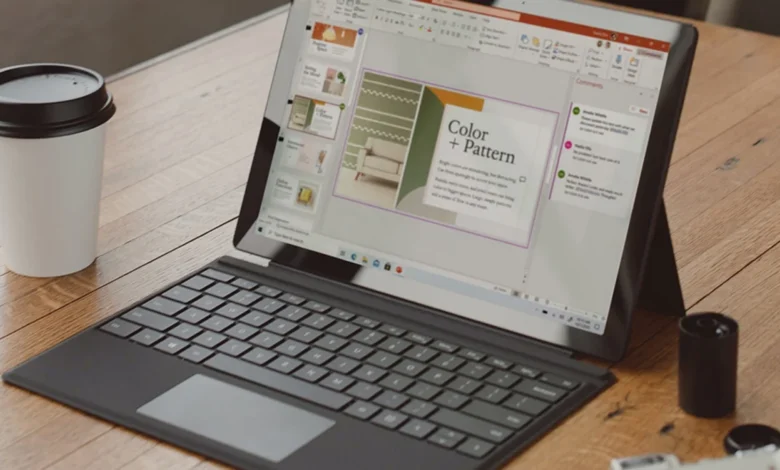
- Microsoft PowerPoint: A presentation platform enabling users to construct multimedia slideshows incorporating high-definition graphics, slide transitions, and animation sequences for professional or educational briefings.
- Microsoft Outlook: A comprehensive email, calendar, and task management client designed to coordinate correspondence and schedules across multiple accounts.
- Microsoft Access: A robust database management system allowing small business owners and administrators to build, query, and maintain custom relational databases without relying on enterprise-grade server infrastructure.
- Microsoft Publisher: A desktop publishing application tailored for creating marketing materials, newsletters, brochures, and digital publications.
Unlike Microsoft 365, which relies heavily on continuous cloud connectivity and real-time collaborative editing features hosted on remote servers, Office 2021 is designed primarily for local installation on a single Windows PC. Once downloaded and activated via a digital product key, the software operates independently of an active subscription status.
Mechanics of the Promotion and Delivery Infrastructure
The current promotional campaign is facilitated through digital software platforms that partner with authorized distributors to clear excess inventory or market surplus enterprise and retail keys. The transaction model relies on instantaneous digital delivery rather than physical media shipments.
Upon completing the purchase process, the buyer receives a unique product activation key alongside downloading instructions directly via email or user account dashboards. This streamlined logistical approach eliminates warehousing, shipping, and packaging overhead, enabling vendors to pass substantial savings down to the end consumer.
Industry standards dictate that users purchasing these keys must redeem them through official Microsoft installation portals, verifying the authenticity of the software build. Technical support is typically provided by the third-party platform vendor rather than Microsoft’s direct enterprise support channels, given that perpetual software versions do not carry the active maintenance agreements typical of corporate volume licensing contracts.
Market Implications and Consumer Considerations
The persistence of secondary and promotional markets for standalone Office licenses underscores a clear demographic divide in consumer preferences. While enterprises and large institutions readily adopt Microsoft 365 for its centralized administrative controls, cloud collaboration infrastructure, and guaranteed multi-device deployment rights, independent contractors, students, and home users frequently weigh the feature-to-cost ratio differently.
Security and lifecycle support represent critical factors for buyers considering a lifetime license for an older suite. Microsoft established a fixed support lifecycle for Office 2021, committing to provide regular security updates and patches through October 13, 2026. While the software will continue to function normally after this date, it will no longer receive security vulnerabilities patches or technical support from the developer. Consumers must evaluate whether the immediate financial savings outweigh the eventual lack of ongoing software patches past the designated end-of-support window.
Furthermore, buyers must exercise due diligence regarding the platform from which they acquire discounted digital keys. Ensuring that a vendor is reputable and provides verified, legal activation codes prevents issues related to blocked keys or failed online activations.
As the software industry continues to experiment with hybrid pricing models, artificial intelligence integration (such as Microsoft Copilot), and cloud-first architectures, traditional desktop productivity suites occupy a unique transitional space. For users seeking stable, offline-capable document editing, data processing, and database management tools without the encumbrance of ongoing fees, promotional offerings on suites like Microsoft Office Professional 2021 remain a compelling alternative in the modern software marketplace.