Samsung Galaxy S27 Series Camera Leaks Point to Minor Upgrades and Controversial Hardware Cuts

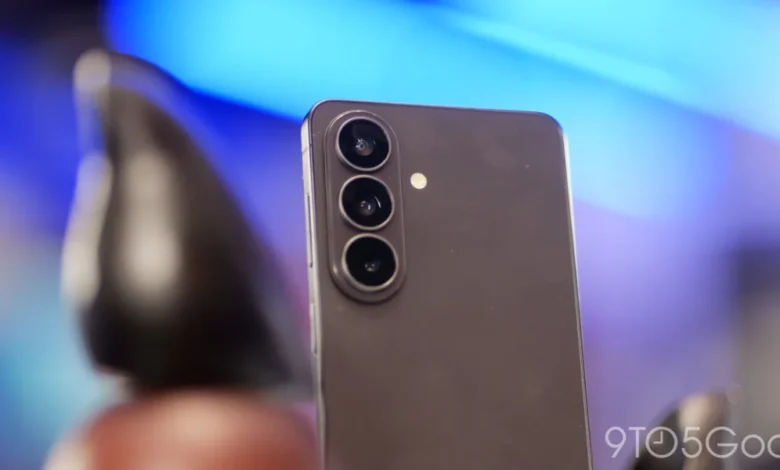
The mobile technology landscape is bracing for significant shifts as early supply chain disclosures, regulatory filings, and industry reports shed light on Samsung’s product roadmap for the upcoming Galaxy S27 smartphone lineup. Recent leaks originating from specialized industry trackers and tipsters outline the preliminary camera hardware configurations currently being evaluated by the South Korean manufacturer. While the leaked specifications indicate notable hardware transitions for the higher-end tiers of the upcoming flagship ecosystem, they also suggest a stagnant trajectory for the standard and plus models. Furthermore, decisions to streamline lens arrays across specific configurations have already sparked considerable debate among mobile photography enthusiasts and industry analysts regarding Samsung’s competitive positioning in the high-end smartphone market.
Overview of the Leak: What the S27 Lineup Entails
According to comprehensive supply chain leaks published by industry outlet SammyGuru and corroborated by secondary sources including GalaxyClub and prominent leaker Ice Universe, Samsung is actively evaluating camera sensor combinations for a four-tier flagship family. Unlike previous generations that traditionally consisted of base, plus, and ultra models, the reported lineup expands to include the Galaxy S27, Galaxy S27+, Galaxy S27 Pro, and the top-tier Galaxy S27 Ultra.
However, the hardware allocation across these four devices reveals a stark division. The base Galaxy S27 and Galaxy S27+ appear poised to inherit legacy components, utilizing main camera sensors similar to those deployed in previous iterations and an ultrawide sensor design that traces its roots back to the Galaxy S23 series. Conversely, the newly introduced Galaxy S27 Pro and the flagship Galaxy S27 Ultra are slated to receive more advanced primary and secondary sensors, though these upgrades come with structural compromises that may alienate power users accustomed to versatile multi-lens configurations.
Detailed Breakdown of Anticipated Camera Specifications
A granular review of the leaked sensor configurations highlights Samsung’s hardware allocation strategy for the upcoming generation:
-
Galaxy S27 and Galaxy S27+:

- Main Camera: 50-megapixel sensor (evaluated options include the Sony IMX955 or Samsung S5KGNG).
- Ultrawide Camera: 12-megapixel sensor (Sony IMX564), representing a multi-year reliance on identical hardware.
- Telephoto Camera: 12-megapixel sensor offering 3x optical zoom (Samsung S5K3K1), introducing minor hardware updates without substantial resolution gains.
- Selfie Camera: 12-megapixel front-facing sensor (Samsung S5K3LU or Sony IMX874).
-
Galaxy S27 Pro and Galaxy S27 Ultra:
- Main Camera: High-resolution 200-megapixel sensor (Samsung S5KHP6), marking a generational step forward for the Pro tier.
- Ultrawide Camera: 50-megapixel sensor (Samsung S5KJN3 or Sony IMX885), delivering a major resolution boost compared to the base models.
- Telephoto Camera: 50-megapixel sensor with distinct optical magnification levels—3x optical zoom for the Pro variant and 5x optical zoom for the Ultra variant (utilizing the Samsung S5KJN3 or Sony IMX885).
- Selfie Camera: 16-megapixel front-facing sensor (Samsung S5K2P5).
A notable point of discussion within the leaked data involves the configuration of the telephoto lenses. While the Ultra model retains a robust 5x optical zoom capability, the omission of secondary telephoto lenses across the higher-end models indicates a departure from the dual-telephoto setups that previous Ultra iterations popularized to bridge intermediate focal lengths.
Historical Context and the Evolution of Samsung Flagship Cameras
To understand the significance of the Galaxy S27 camera leaks, it is essential to examine Samsung’s historical hardware strategy over preceding product cycles. For years, the manufacturer maintained a clear hierarchy where the Ultra variant served as the absolute showcase for mobile imaging technology, featuring dual telephoto lenses (typically a 3x portrait lens and a 10x periscope lens, later shifted to a 5x periscope design) alongside massive primary sensors.
During the Galaxy S24 and Galaxy S25 generations, Samsung focused heavily on software-driven computational photography, integrating artificial intelligence tools such as ProVisual Engine to enhance zoom clarity and low-light performance. However, hardware hardware updates to secondary sensors—particularly ultrawide and lower-tier telephoto lenses—saw incremental adjustments rather than radical redesigns.
By the time development reached the Galaxy S26 and now the projected S27 series, industry pressures shifted dramatically. Rising component costs, particularly concerning high-speed memory (colloquially termed "RAMageddon" within manufacturing circles) and advanced system-on-chips, forced manufacturers to reevaluate profit margins. Consequently, product planning teams have faced mounting internal pressure to balance premium feature integration with stable retail pricing, leading to strategic compromises in areas like secondary camera hardware.
Industry Implications and Competitive Pressures
The leakage of these preliminary camera plans arrives at a critical juncture for the global smartphone market. Competitors, particularly major Chinese smartphone brands such as Oppo, Vivo, and Xiaomi, have aggressively advanced their mobile imaging capabilities. Rival flagship devices frequently feature larger 1-inch-class primary sensors, advanced variable aperture mechanisms, and versatile multi-periscope telephoto arrays that allow for seamless focal length transitions without digital interpolation.

By comparison, Samsung’s reported reliance on older ultrawide sensors for the base S27 and S27+ models, paired with the streamlining of telephoto lenses on the Pro and Ultra variants, risks widening the gap between Samsung’s hardware offerings and those of its primary competitors. While the inclusion of a 200-megapixel main sensor and a 50-megapixel ultrawide sensor on the Pro and Ultra models represents a competitive baseline, the reduction in total lens versatility could impact the brand’s appeal among mobile photography purists.
Furthermore, consumer expectations for annual flagship upgrades remain exceptionally high. When consumers observe stagnant hardware specifications in baseline models paired with price increases or perceived feature reductions in premium tiers, consumer sentiment often turns critical. Industry analysts note that maintaining market leadership requires not only software refinement but also tangible hardware evolution that justifies generational device replacements.
Outlook and Future Developments
As product development for the Galaxy S27 series remains in the evaluation phase, Samsung retains the flexibility to alter component selections before mass production commences. Supply chain sources emphasize that leaked roadmaps frequently reflect internal testing parameters rather than finalized retail specifications.
Nevertheless, the consistency of reports from multiple independent tracking groups suggests that the broad contours of Samsung’s hardware strategy are taking shape. Stakeholders, industry watchers, and consumers will monitor subsequent regulatory filings, component manufacturing orders, and official announcements from Samsung Electronics to determine whether adjustments are made to address the concerns raised by these early disclosures.
Related posts: