How LTTStore Is Solving the Decade-Old USB-C Specification Conundrum With TrueSpec Cables

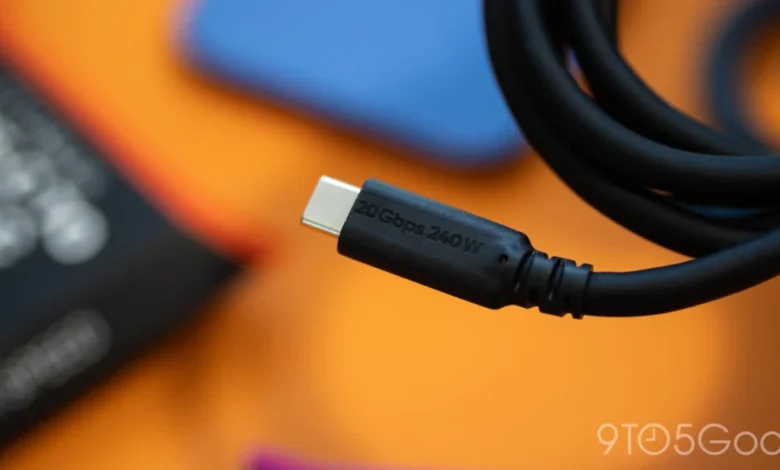
The universal adoption of USB-C has fundamentally transformed consumer electronics over the past decade, eliminating the chaotic fragmentation of proprietary charging cables for smartphones, tablets, laptops, and peripheral devices. However, this universal physical standard has simultaneously introduced a persistent consumer dilemma: while two USB-C cables may look virtually identical, their internal wiring, data transfer rates, and power delivery capabilities can vary wildly. Addressing this long-standing ambiguity, LTTStore—the e-commerce merchandising arm of the prominent technology media channel Linus Media Group—has introduced its "TrueSpec" cable lineup. By directly etching power wattage and data transfer speeds onto the ends of the hardware, the brand has delivered one of the most polished attempts yet to solve the industry-wide headache of cable identification.
The Evolution and Paradox of the USB-C Standard
When the USB Implementers Forum (USB-IF) finalized the Type-C specification in 2014, the vision was elegantly simple: a single, reversible connector capable of handling power, data, and video output for all modern computing and mobile ecosystems. By the mid-2020s, this vision largely materialized. Consumers routinely travel with a single cable to power smartphones, wireless headphones, portable gaming consoles, tablets, and even demanding laptops.
![It took way too long for someone to make USB-C cables that say what they can actually do [Gallery]](https://9to5google.com/wp-content/uploads/sites/4/2026/09/ltt-truespec-cables-1.jpg?quality=82&strip=all&w=1600)
Yet, the immense flexibility of the standard birthed a parallel crisis often described by tech enthusiasts as the "Wild West" of accessories. Unlike older connection standards where capabilities were strictly tied to physical port designs, a USB-C cable is a complex assembly containing internal electronics, electronic marker chips (E-markers), and varying wire gauges.
Consequently, a basic, low-cost cable packaged with a Bluetooth speaker might safely transmit a trickle charge of 10 to 20 watts while failing entirely to facilitate data synchronization. Conversely, a high-end Thunderbolt or USB4 cable can support up to 240 watts of power delivery via Extended Power Range (EPR) alongside blistering 40Gbps data transfer speeds and 8K video output. Visually, these cables remain indistinguishable. Consumers who purchase a high-capacity cable to charge a 100W laptop frequently find themselves staring at a tangled assortment of identical black wires in their travel bags, unable to determine which cord possesses the necessary specifications for a given high-performance task.
The Debut and Design of TrueSpec Cables
Recognizing a distinct gap in the market, LTTStore launched its TrueSpec cable lineup earlier this year. The core innovation of the product is deceptively straightforward: physical, permanent identification. Every TrueSpec cable features clearly legible text etched directly onto the plastic housing of the connector ends, explicitly detailing the maximum wattage and data transfer throughput the cable is certified to handle.
![It took way too long for someone to make USB-C cables that say what they can actually do [Gallery]](https://9to5google.com/wp-content/uploads/sites/4/2026/09/ltt-truespec-cables-2.jpg?quality=82&strip=all&w=800)
While the USB-IF has historically published comprehensive branding and labeling guidelines to encourage manufacturers to mark their packaging—and occasionally the cables themselves—widespread industry adoption has been lackluster. Major electronics manufacturers frequently omit clear markings to reduce production costs, or rely on vague shorthand symbols that confuse average consumers.
The TrueSpec hardware departs from this trend by prioritizing immediate legibility. Built with thick rubber sheathing, the cables emphasize structural durability and long-term wear resistance over ultra-slim portability. While some tech reviewers note that the added thickness and heft make them slightly more cumbersome for minimalist everyday carry setups in backpacks, the clear utility of the labeling largely compensates for the physical bulk.
Priced at approximately $22 for USB-C to USB-C configurations and around $17 for USB-A to USB-C variants, the cables occupy a mid-to-high tier in the consumer accessory market, reflecting the added manufacturing overhead of rigorous specification compliance and custom labeling.
![It took way too long for someone to make USB-C cables that say what they can actually do [Gallery]](https://9to5google.com/wp-content/uploads/sites/4/2026/09/ltt-screwdrivers.jpg?quality=82&strip=all)
Industry Precedents and Existing Solutions
The concept of labeling cables is not entirely unprecedented. Over the years, a handful of manufacturers—including Lenovo and niche regional brands like AlzaPower—have experimented with printing specifications onto connector housings. Furthermore, regulatory bodies and standards organizations have repeatedly updated their documentation to urge hardware makers to adopt universal iconographies.
Despite these guidelines, the execution across the global market has remained severely fragmented. Cheap, uncertified cables continue to flood online marketplaces, occasionally posing safety hazards by drawing excessive current through under-rated copper conductors. By introducing a consumer-focused, highly visible labeling standard through a prominent media platform, LTTStore has successfully brought mainstream attention back to an oversight that hardware manufacturers have largely ignored for years.
Beyond the TrueSpec cable rollout, Linus Media Group’s merchandise division has continued to expand its footprint in the hardware and tool space. Reviewers evaluating the cable lineup have also highlighted complementary items from the LTTStore ecosystem, such as the flagship modular screwdriver and the precision multi-bit screwdriver kit. These tools have found niche utility not only in general consumer electronics maintenance but also in more specialized tech-repair workflows, such as safely extracting degraded, swollen lithium-ion batteries—colloquially known in the industry as "spicy pillows"—from older smartphones during recycling and disposal procedures.
![It took way too long for someone to make USB-C cables that say what they can actually do [Gallery]](https://9to5google.com/wp-content/themes/ninetofive/dist/images/google-preferred-source-badge-dark.png)
Broader Implications for Consumer Electronics
The arrival of clearly labeled, specification-verified cables points to a broader consumer demand for transparency in an increasingly complex digital landscape. As the European Union and other regulatory bodies push toward standardized device connections—most notably mandated by the widespread adoption of USB-C for smartphones and laptops—the physical interface is no longer the primary friction point for users. Instead, the invisible capabilities hidden inside the cable jacket have become the final frontier of consumer confusion.
While premium solutions like TrueSpec demonstrate that market demand exists for common-sense labeling, the ultimate resolution of the USB-C identification problem will likely require stricter enforcement from standards organizations and regulatory bodies. Until manufacturers are legally or structurally compelled to print capabilities directly onto every manufactured cable, consumers will continue to navigate a marketplace where guesswork remains the default. Nevertheless, initiatives like TrueSpec establish a benchmark for what consumers should expect from accessory manufacturers, proving that clarity and high performance can—and should—coexist in the modern tech accessory market.