The evolution of remote work, professional content creation, and hybrid corporate communication has drastically reshaped the peripherals market over the last several years. As video conferencing shifted from a utilitarian necessity to a primary medium for commerce and media, hardware manufacturers have raced to bridge the gap between consumer-grade webcams and professional studio cinematography setups. Action camera specialist Insta360 has emerged as a dominant force in this segment, building upon its expertise in sensor engineering and optical stabilization. Following the 2022 launch of its inaugural webcam, the original Link, and the subsequent introduction of the Link 2 in 2024, the company has expanded its ecosystem with the release of the Insta360 Link 2 Pro. Priced at $249.99 (£239 / AU$439), this iteration represents a refined hardware upgrade aimed squarely at enterprise professionals, educators, and serious content creators who demand uncompromising visual fidelity and advanced mechanical tracking capabilities.
Design Evolution and Mechanical Engineering
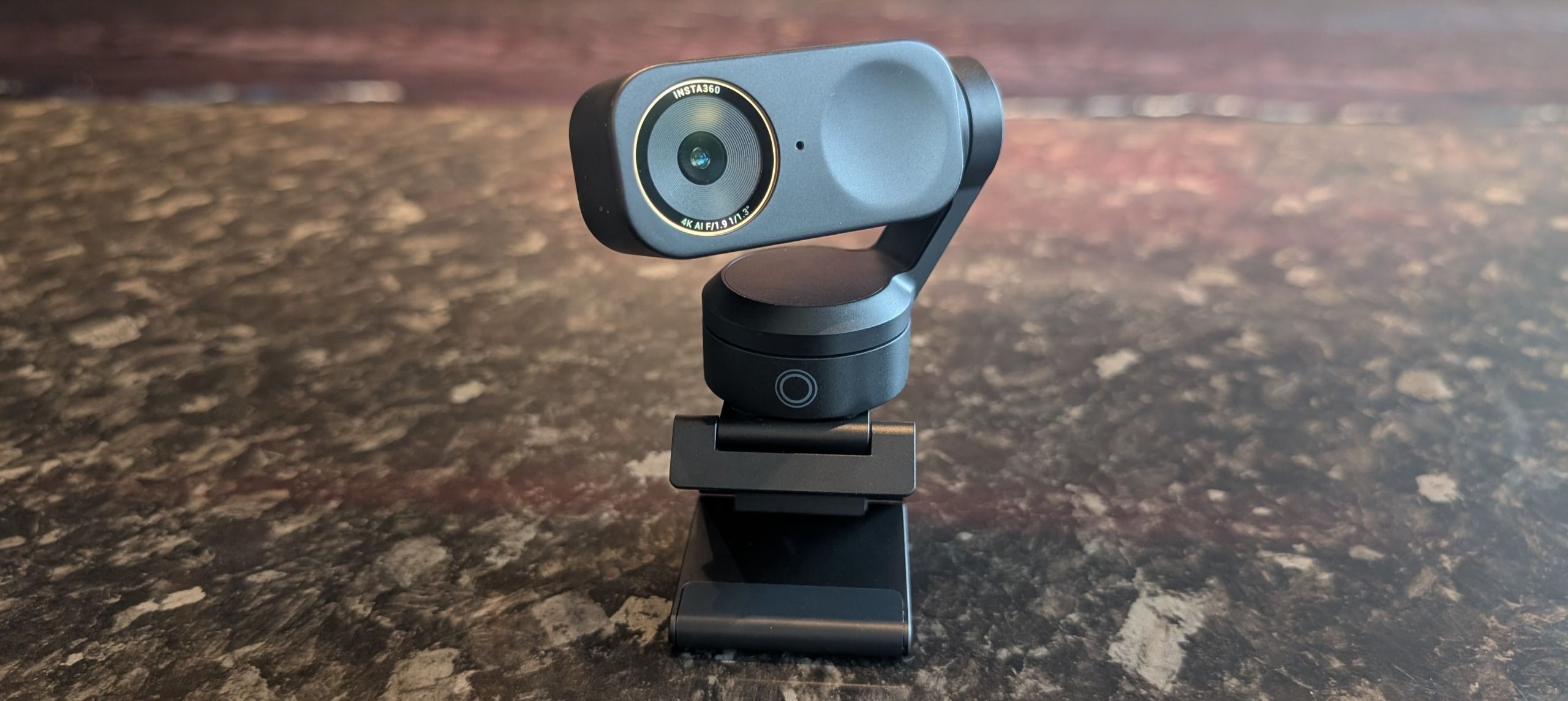
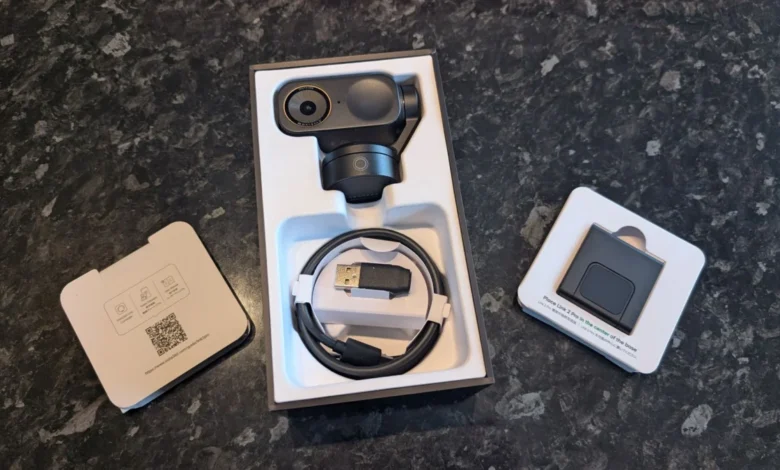
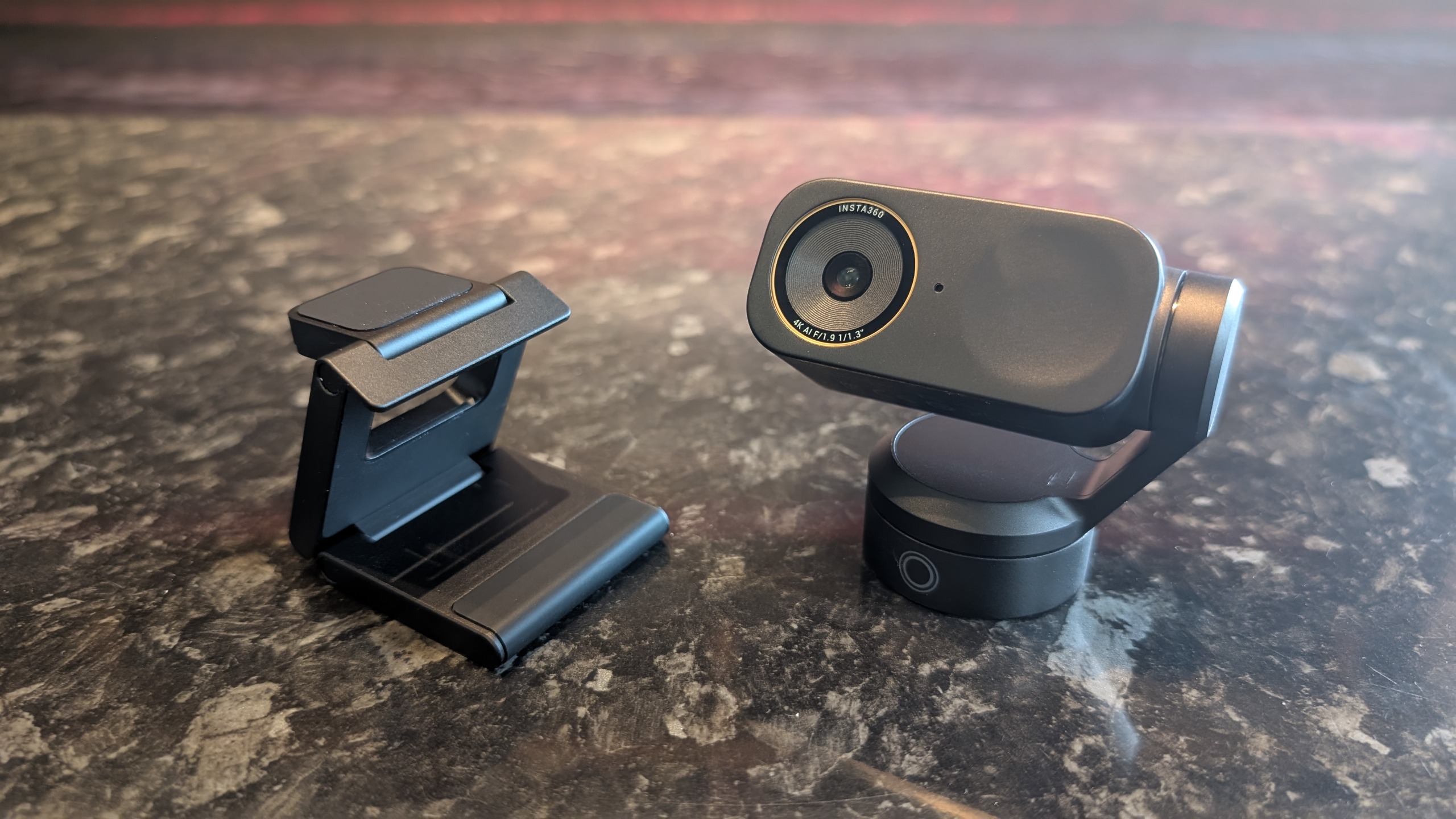
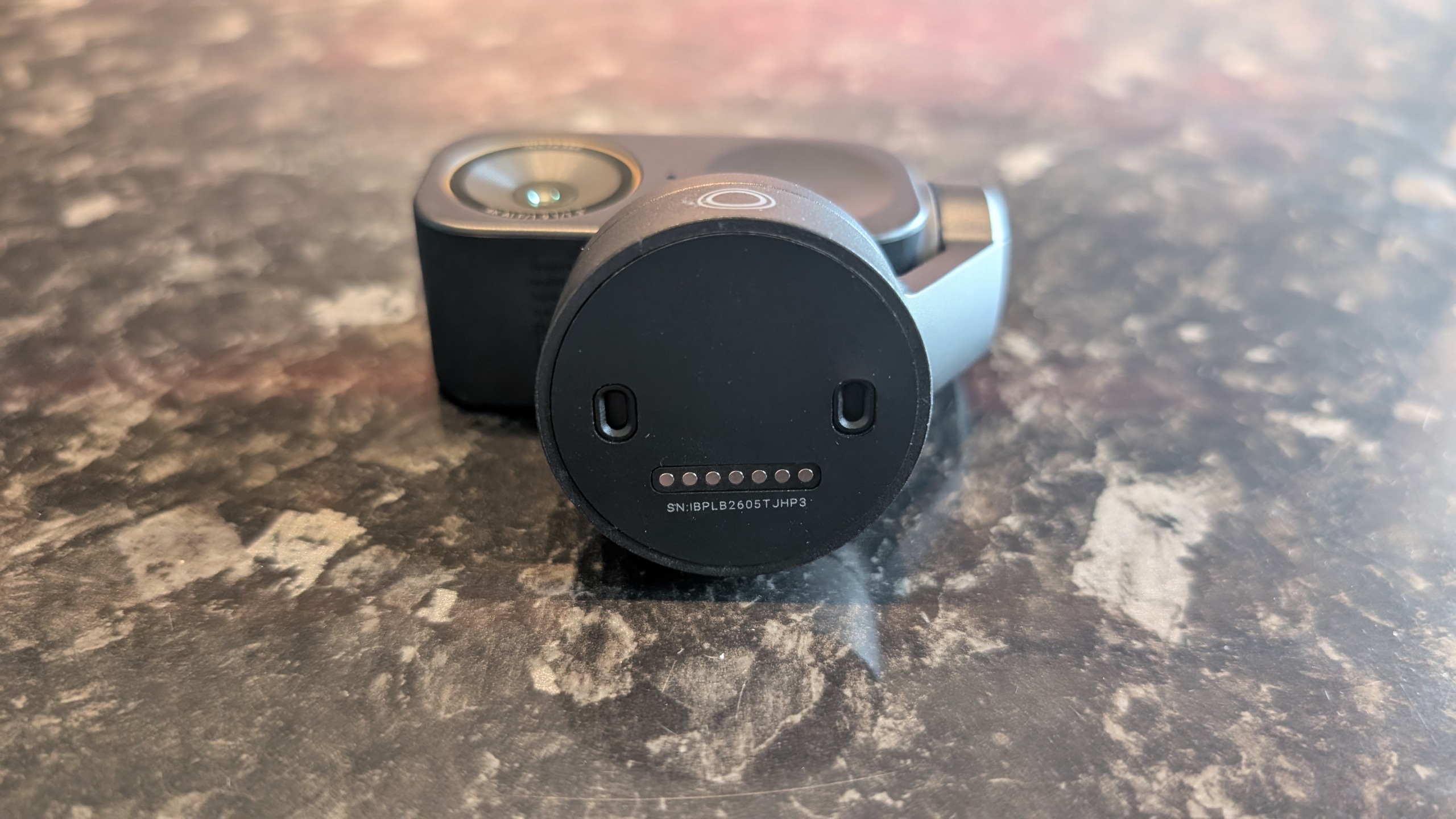
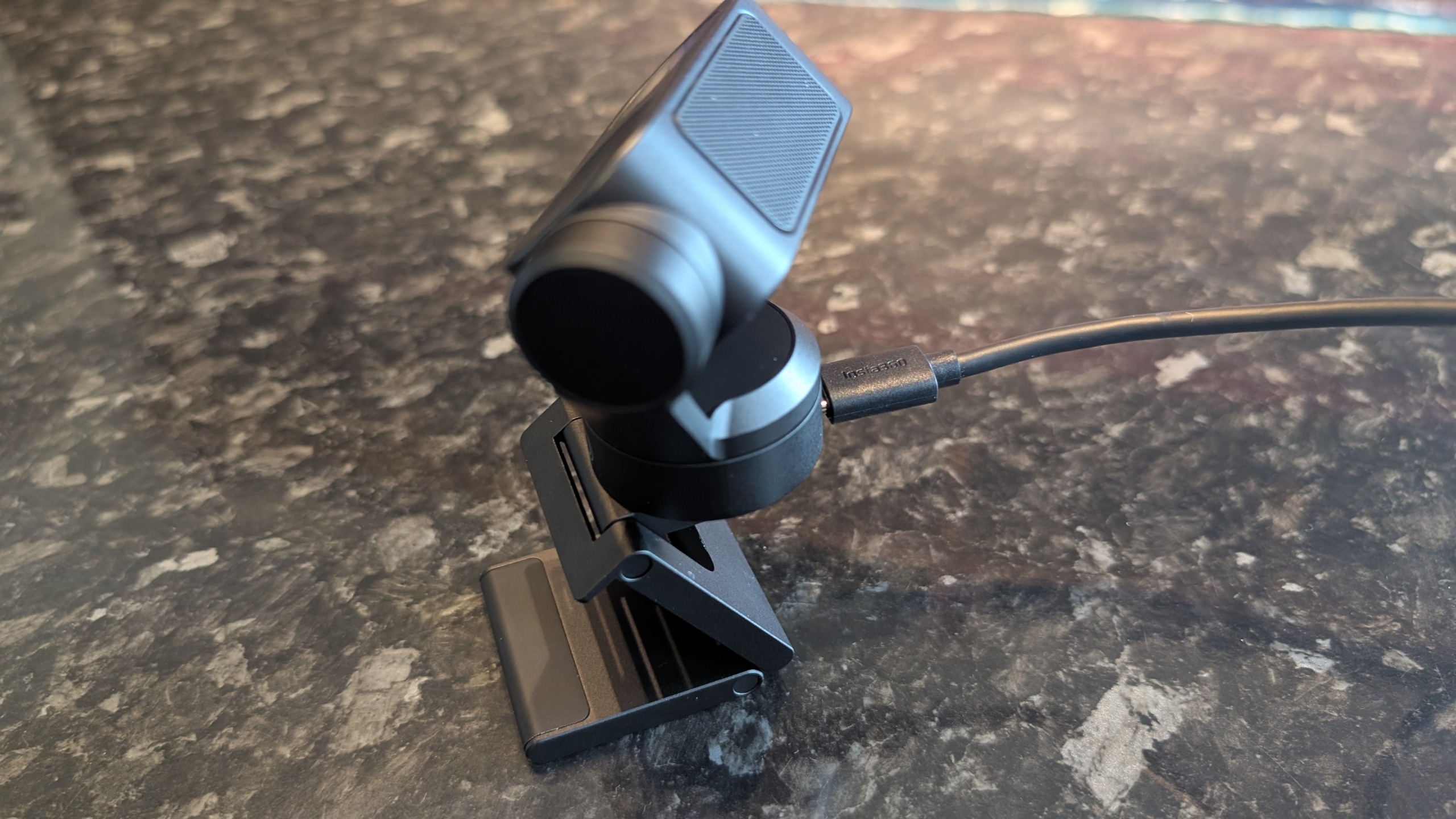
The Insta360 Link 2 Pro maintains the core industrial design language of its non-Pro predecessor, utilizing a robust chassis constructed from a blend of matte plastics and brushed metal elements. Measuring compactly yet purposefully, the device features a folding mounting clip that attaches securely to desktop displays and monitors via a magnetic snap mechanism. For stationary studio environments, the underside of the unit includes an industry-standard 1/4-inch threaded screw insert, allowing seamless mounting onto standard tripods, articulated desk arms, and specialized broadcast rigs.
The centerpiece of the hardware remains its motorized two-axis mechanical gimbal. Unlike fixed-lens webcams that rely entirely on digital cropping for framing adjustments, the Link 2 Pro’s physical gimbal enables real-time horizontal and vertical panning. This physical movement facilitates the device’s standout feature: AI-powered head-tracking. When activated via the desktop or mobile companion applications, the camera fluidly follows the user’s movements across a wide focal radius, ensuring that speakers remain centered even when stepping away from the desk.
Optics, Sensor Upgrades, and Image Quality
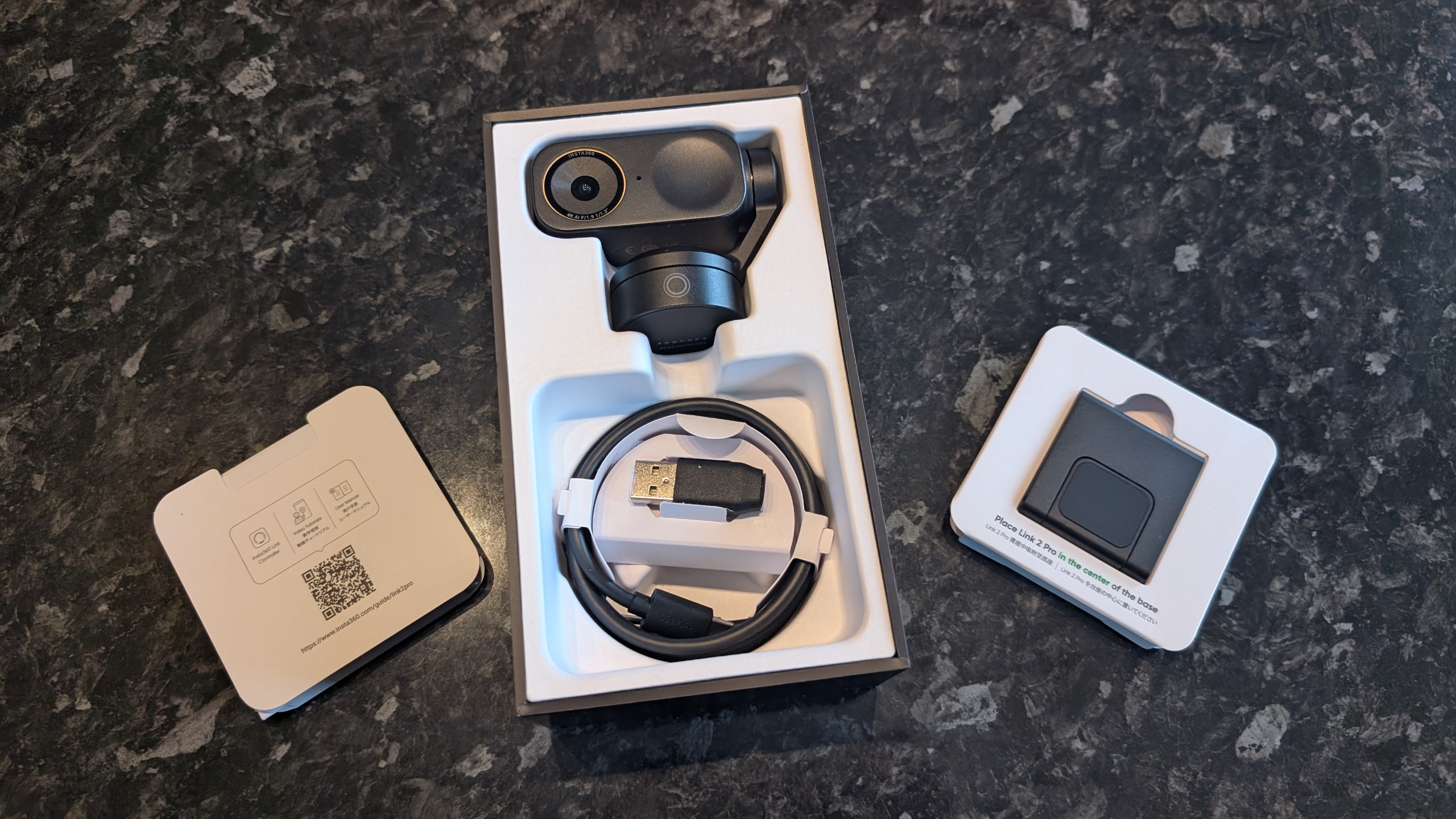
The primary differentiator between the standard Link 2 and the new Pro variant lies beneath the exterior casing. Insta360 has equipped the Link 2 Pro with a larger internal camera sensor and a wider aperture lens, accompanied by a subtle aesthetic touch of gold trim surrounding the glass element. This hardware enhancement yields measurable improvements in light balance and field-of-view (FOV) optimization.
The camera captures crisp 4K resolution video at 30 frames per second, alongside 1080p capture at up to 60 frames per second. The larger sensor area significantly improves performance in low-light environments, mitigating the digital noise and grain typically associated with office webcams operating under artificial illumination or ambient evening light. Color reproduction is remarkably accurate, offering natural skin tones and balanced contrast straight out of the box.
The lens offers a moderate 83.9-degree field of view. While some competing manufacturers favor ultra-wide lenses exceeding 90 degrees—such as the Razer Kiyo V2—Insta360’s calibrated FOV strikes an optimal balance for single-user professional framing, while retaining sufficient width to comfortably accommodate two or three participants during collaborative panels or podcasts.
Software Integration and Smart Presentation Modes
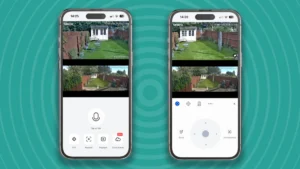
Harnessing the full potential of the Link 2 Pro requires interaction with Insta360 Studio on desktop or the dedicated mobile application. The software suite provides rapid access to exposure compensation, white balance, digital zoom limits, and HDR toggles. Furthermore, the availability of a smartphone companion app allows users to make on-the-fly adjustments without disrupting active full-screen applications on their primary display.
The combination of the motorized gimbal and algorithmic tracking enables several specialized presentation modes tailored for educators and enterprise presenters. Desktop mode angles the lens downward toward the work surface, providing a top-down view ideal for document demonstration or unboxing videos. Whiteboard mode automatically detects, frames, and digitally enhances writing surfaces mounted in the user’s vicinity. Additionally, a pause-tracking feature allows speakers to designate neutral zones where tracking pauses temporarily to prevent erratic motion during natural presentations.
For hands-free operation during broadcasts, the device supports an expanded array of gesture controls. Users can freeze or resume tracking with an open palm, toggle whiteboard mode using a two-finger gesture, or execute smooth digital zooms via an ‘L-shape’ hand configuration combined with vertical movement.
Audio Performance and Connectivity
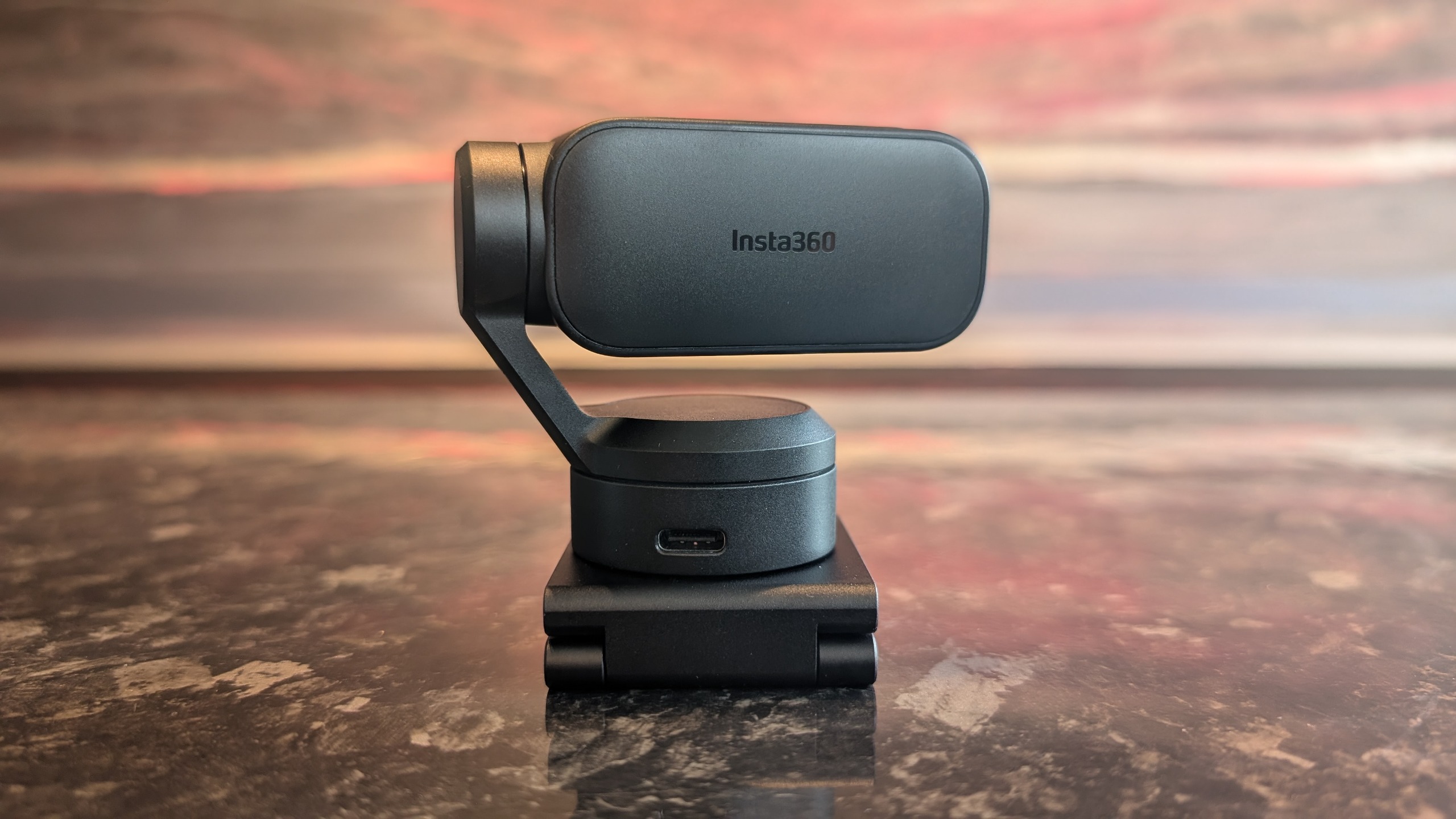
Integrated microphone arrays on webcams have historically served as a secondary fallback, frequently overshadowed by dedicated USB or XLR hardware. The Link 2 Pro equips a dual-microphone system backed by AI-powered environmental noise suppression. While this setup delivers clear, intelligible vocal capture suitable for routine Zoom, Microsoft Teams, and Google Meet conferences, professional broadcasters and podcasters will inevitably continue to utilize standalone desktop microphones for studio-grade acoustic fidelity.
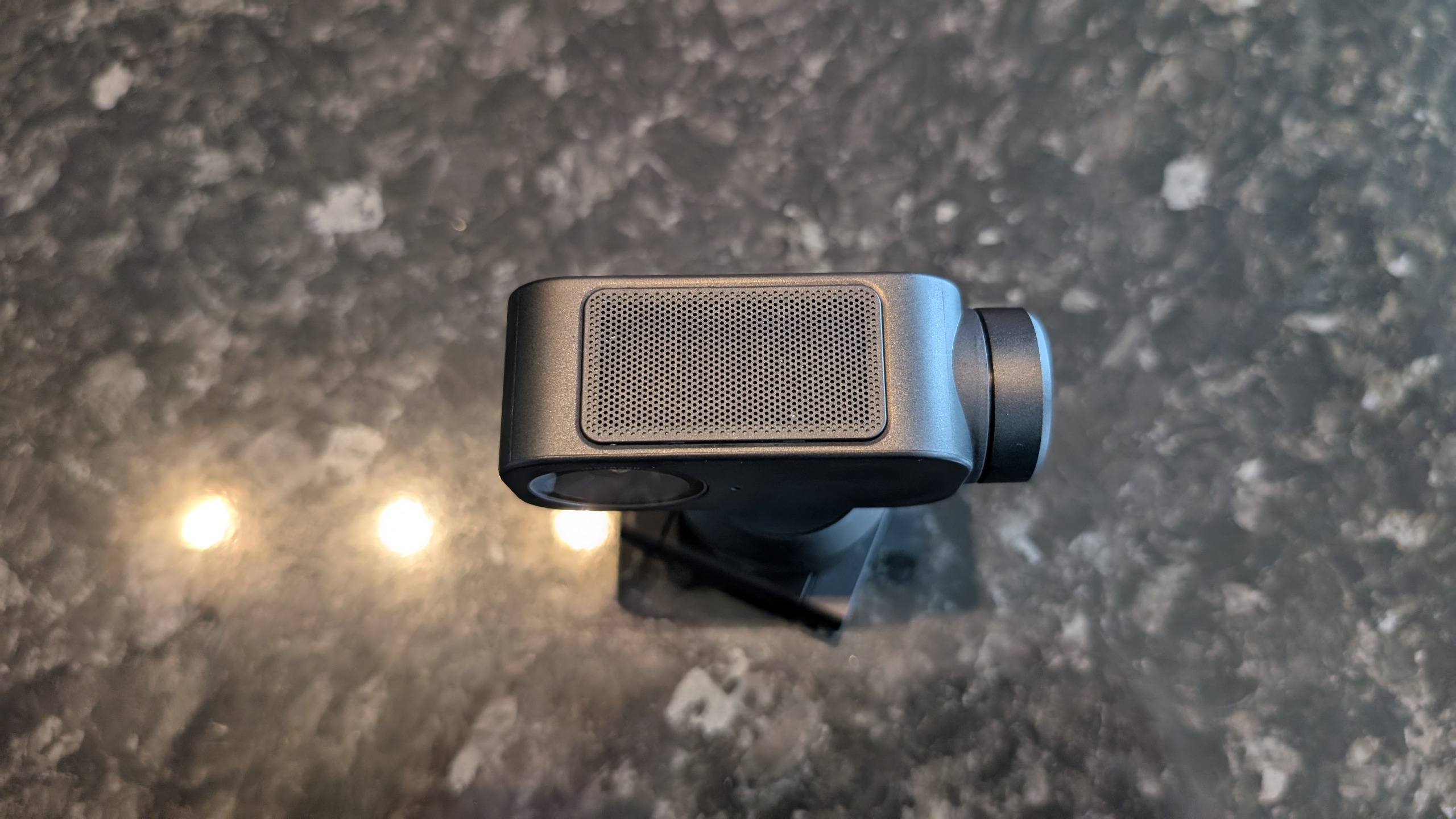
Connectivity is handled via a modern USB-C interface, ensuring high-bandwidth data transmission required for uncompressed 4K video streams and low-latency motor actuation. The plug-and-play architecture ensures broad operating system compatibility without requiring proprietary drivers for basic video and audio streaming functions.
Market Positioning and Cost Analysis
Priced at $249.99 / £239 / AU$439, the Insta360 Link 2 Pro occupies the uppermost tier of the consumer and prosumer webcam market. For casual users whose primary communication needs involve basic video calling, the asking price is difficult to justify when high-definition alternatives are available at a fraction of the cost.
However, industry analysts note that the device targets a distinct demographic: corporate executives, remote educators, live streamers, and digital content creators who treat video presentation as an extension of their professional brand. When evaluated against dedicated mirrorless cameras paired with capture cards—which often require complex setups, specialized lenses, and continuous power supplies—the Link 2 Pro presents a streamlined, highly automated alternative that justifies its premium positioning for commercial users.
Competitive Landscape and Alternative Options
The high-end webcam segment has experienced steady growth, populated by a select group of advanced peripherals. Competitors such as the Obsbot Tiny 2 offer similar 4K resolution and motorized gimbal tracking features, serving as direct market rivals to Insta360’s offerings. Meanwhile, users seeking comparable optical performance without the mechanical complexity of a physical gimbal can look to models like the Insta360 Link 2C, which strips away the motorized mount to achieve a more accessible price point.
Industry Implications
The introduction of the Link 2 Pro underscores a broader trend in workplace technology: the democratization of broadcast-quality tools for remote professionals. As hybrid work models solidify into permanent corporate infrastructure, the demand for enterprise-grade video communication hardware is expected to remain robust. Manufacturers that successfully integrate artificial intelligence with mechanical precision, such as Insta360, are well-positioned to capture market share from traditional camera manufacturers slow to adapt to the specific ergonomic requirements of desktop computing environments.
Ultimately, the Insta360 Link 2 Pro stands as a technological tour de force in peripheral design. While its high retail price and advanced feature set exceed the requirements of the average consumer, it delivers exceptional value for professionals seeking elite visual performance, intelligent motion tracking, and robust build quality in a single, cohesive package.