Samsung Galaxy S27 Series Rumors Point to Major Camera Shift and Silicon-Carbon Battery Advancements

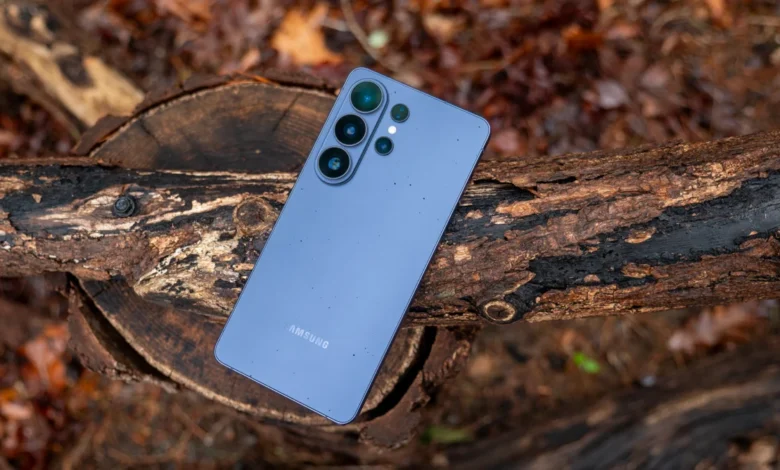
The global smartphone landscape is currently witnessing a significant shift in hardware strategy from Samsung Electronics, as early reports and supply chain leaks suggest the upcoming Galaxy S27 series may represent the most substantial architectural departure for the flagship line in several years. Following the high-profile announcements at the July 2026 Galaxy Unpacked event, industry attention has rapidly pivoted toward the 2027 flagship cycle. Internal testing data and reports from South Korean and European supply chain analysts indicate that Samsung is considering a transition away from its proprietary ISOCELL camera sensors in favor of Sony-made optics for its base and Plus models, while simultaneously pilot-testing next-generation silicon-carbon battery technology to address long-standing criticisms regarding energy density and charging speeds.
A Strategic Pivot in Imaging Hardware
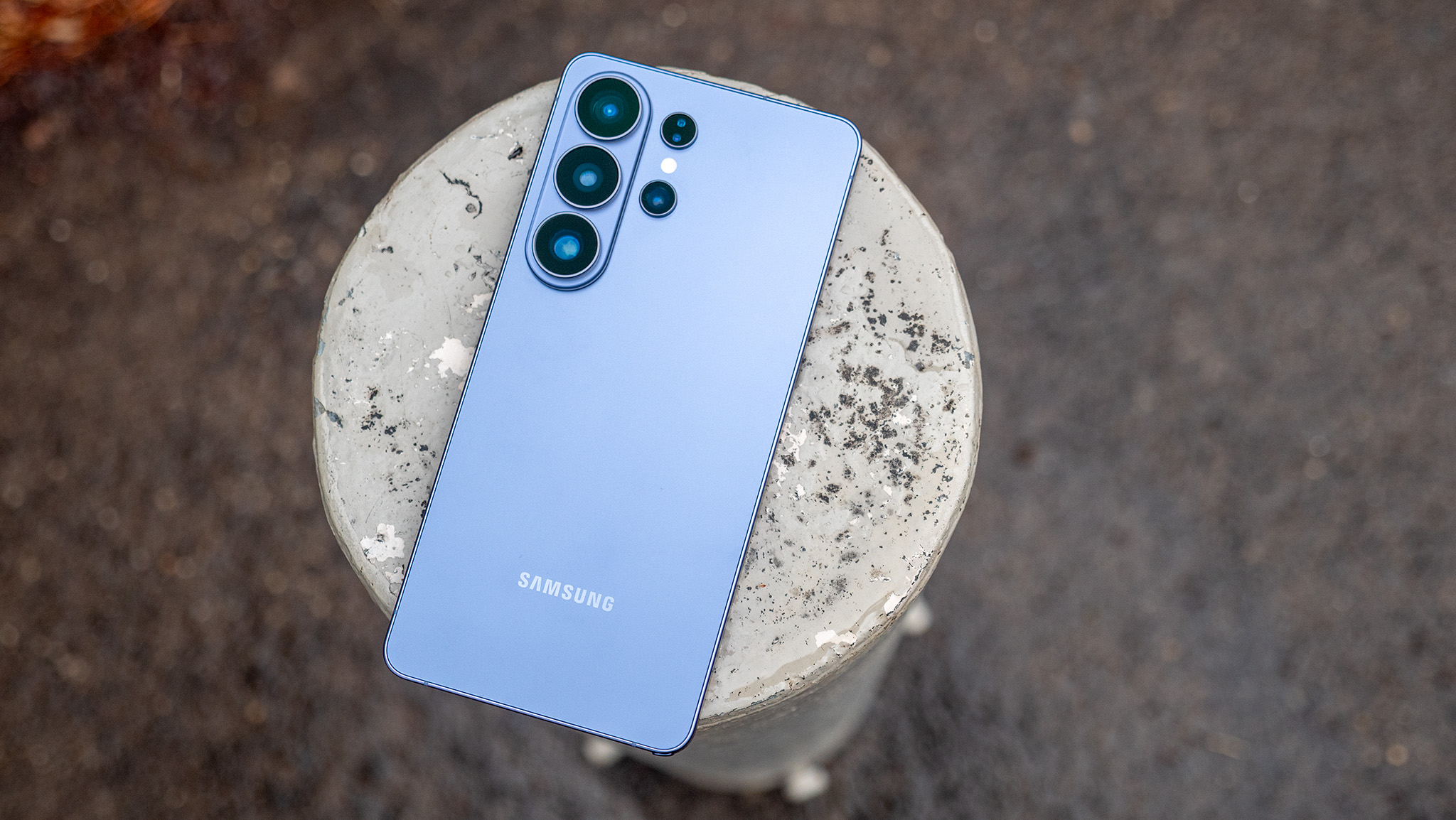
For over a decade, Samsung has prided itself on vertical integration, utilizing its own System LSI division to produce ISOCELL image sensors for its flagship Galaxy S devices. However, recent reports from Galaxy Club and GSMArena suggest a potential paradigm shift. The Galaxy S27 and Galaxy S27 Plus are reportedly being tested with Sony-produced main sensors, a move that would see Samsung outsourcing a core component of its "Camera Phone" identity.
The sensor in question is rumored to be a 50-megapixel unit, currently undergoing rigorous performance evaluation. While Samsung has used Sony sensors in specific regional variants or for secondary lenses in the past, a total shift for the primary wide-angle lens on a global scale would signal a change in Samsung’s "Exynos-style" hardware philosophy. Analysts suggest this move could be motivated by the need to match the computational photography performance of competitors who have leaned heavily on Sony’s LYTIA dual-layer transistor pixel technology. By adopting Sony hardware, Samsung may be seeking to harmonize its image processing pipeline across different markets, reducing the historic discrepancy between variants sold in North America and those sold in Europe or Asia.
While the base models may move toward Sony, the Galaxy S27 Ultra is expected to remain a showcase for Samsung’s in-house innovation. Early leaks suggest the Ultra model will feature the ISOCELL HP6, a refined 200-megapixel sensor. This bifurcated strategy—Sony for the mass-market flagships and high-resolution ISOCELL for the Ultra—indicates that Samsung is prioritizing raw resolution and "zoom" marketing for its premium tier while focusing on color science and light sensitivity for the standard models.
The Integration of Silicon-Carbon Battery Technology
Perhaps the most significant technical advancement rumored for the Galaxy S27 series involves the power delivery system. According to the tipster Lanzuk on the Korean platform Naver, Samsung is in the midst of "application testing" for silicon-carbon (Si-C) batteries. This technology represents a major evolution over traditional lithium-ion batteries that have powered smartphones for the last two decades.
Traditional lithium-ion batteries use graphite anodes, which have a theoretical limit on how much lithium they can store. Silicon-carbon anodes, however, can hold significantly more lithium ions in the same physical volume. This results in a much higher energy density, allowing manufacturers to either increase battery capacity without making the phone larger or maintain current capacities while significantly thinning the device’s chassis.
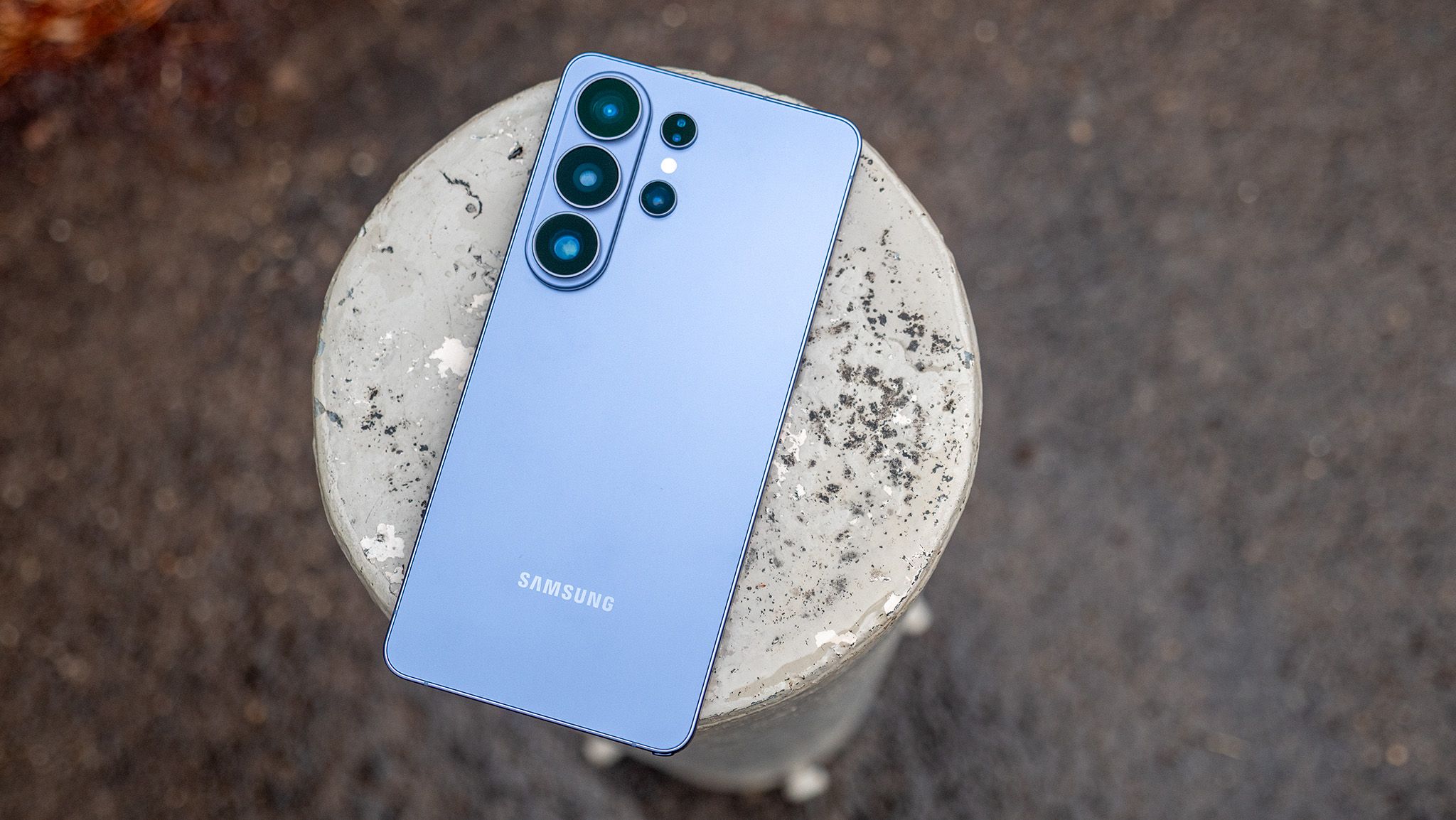
The timing of this rumor is particularly noteworthy. During the July 2026 Unpacked event, Samsung’s latest generation of foldable devices reportedly began utilizing aspects of this technology to maintain slim profiles while maximizing endurance. Bringing this to the Galaxy S27 series suggests that Samsung is ready to mass-produce these high-density cells for its highest-volume flagship line. While initial reports indicate that total milliampere-hour (mAh) ratings may not see a massive jump in the early testing phase, the efficiency gains and the potential for 65W or higher fast-charging—long a weakness of the Galaxy line compared to Chinese rivals—remain a high priority for the engineering teams.
Chronology of Development and Market Context
The development cycle for the Galaxy S27 series began in earnest in early 2025, following the stabilization of the Galaxy S25 supply chain. By late 2025, Samsung’s mobile division (MX Business) had reportedly finalized the "Phase 1" design goals, which included a mandate to reclaim the mobile photography crown and address the "battery anxiety" often cited in user feedback surveys.
- Q1 2026: Samsung begins internal prototyping of the S27 series, experimenting with different sensor configurations from Sony and Samsung LSI.
- July 2026: The Galaxy Unpacked event introduces silicon-carbon technology to the foldable market, serving as a real-world testbed for the upcoming S-series.
- Q3 2026: Rumors surface regarding a fourth model in the lineup, tentatively titled the "Galaxy S27 Pro."
- Q4 2026 (Projected): Final hardware lock for the S27 series, with mass production of components beginning in Southeast Asian facilities.
- January 2027 (Projected): Official global launch of the Galaxy S27 series.
This timeline highlights Samsung’s shift toward a more aggressive hardware iteration cycle. In previous years, Samsung was often criticized for "incremental" updates. The S27 series appears to be a reactive measure to the rapid gains made by brands like Xiaomi, Oppo, and Vivo in the European and Asian markets, where those manufacturers have already successfully deployed 1-inch Sony sensors and high-density silicon-anode batteries.
The Rumored "Galaxy S27 Pro": A New Market Segment
One of the more intriguing developments in the rumor mill is the possible introduction of a "Galaxy S27 Pro." For years, the Galaxy S lineup has consisted of three models: the standard, the Plus, and the Ultra. However, market research suggests a growing "dead zone" between the S27 Plus and the S27 Ultra.
The rumored S27 Pro is described as a "Mini-Ultra." It would likely cater to users who desire the top-tier camera specifications of the Ultra—such as the periscope telephoto lens and the high-resolution main sensor—but in a form factor closer to the 6.1-inch or 6.3-inch standard model. This move would mirror Apple’s successful strategy with the iPhone Pro and Pro Max, where the primary difference is screen size rather than feature set. If the S27 Pro materializes, it could feature "entirely new sensors" specifically designed for a smaller footprint, potentially serving as the debut platform for the aforementioned Sony 50MP testing.
Supporting Data and Industry Analysis
The shift in sensor providers is backed by broader market data. According to Counterpoint Research, Sony currently maintains a dominant 55% share of the global image sensor market by revenue, largely due to its high-value contracts with Apple and various premium Android OEMs. Samsung’s System LSI division, while a strong second, has faced challenges in matching Sony’s "stacked" sensor yields. By integrating Sony sensors into the S27, Samsung may be able to lower its research and development costs for the base models, allowing it to reallocate those funds toward AI software integration—a core pillar of the "Galaxy AI" initiative.
Furthermore, the move to silicon-carbon batteries is a competitive necessity. In 2024 and 2025, Chinese manufacturers began shipping devices with 5,500mAh and 6,000mAh batteries in frames thinner than the Galaxy S24 Ultra. Samsung’s reliance on traditional lithium-ion chemistry has left its devices feeling dated in terms of "screen-on time" benchmarks. Adopting Si-C technology is seen by analysts as the only viable path for Samsung to remain competitive in the premium "thin-and-light" category without sacrificing the internal space required for the S-Pen and complex camera modules.
Official Responses and Supply Chain Implications
As is standard practice, Samsung Electronics has declined to comment on "rumors or speculation regarding unreleased products." However, during recent earnings calls, Samsung executives have emphasized a commitment to "strengthening the competitiveness of flagship products through hardware innovation and AI integration."
Industry observers note that if Samsung does indeed move to Sony sensors, it will have significant implications for the global supply chain. A reduction in internal orders for ISOCELL sensors could lead Samsung System LSI to seek more external clients, potentially democratizing high-resolution 200MP sensors for mid-range devices from other brands. Conversely, it places Sony in a position of unprecedented power within the mobile imaging market, potentially leading to supply constraints if production cannot meet the massive volume required by the Galaxy S series.
Broader Impact and Future Outlook
The Galaxy S27 series is shaping up to be a pivotal moment for the Android ecosystem. If Samsung successfully integrates silicon-carbon batteries, it will likely set a new standard for the industry, forcing other global players like Google and Motorola to follow suit. The potential camera shift suggests that the "megapixels race" may be cooling in favor of "sensor quality" and "dynamic range," a change that professional mobile photographers have long advocated for.
The S27 series will also be the primary vehicle for the next generation of Galaxy AI. With rumors of more powerful NPU (Neural Processing Unit) capabilities in the upcoming Snapdragon and Exynos chipsets, the combination of Sony’s raw image data and Samsung’s AI post-processing could result in a significant leap in low-light videography and generative image editing.
As the mobile industry matures, the Galaxy S27 represents Samsung’s attempt to balance its legacy of hardware manufacturing with a new reality of globalized component sourcing. By choosing the best available tech—whether developed in-house or by a competitor—Samsung is signaling that the user experience now takes precedence over internal vertical integration. While the launch is still months away, the technical foundations being laid today suggest a flagship that is less about incremental refinement and more about a fundamental reimagining of what a "Galaxy" device should be.