Soundpeats Pop Clip2 Review: Fantastic Open-Ear Audio Undermined by Frustrating Hardware Quirks

The consumer audio market has witnessed a significant shift toward open-ear headphone designs, particularly the "ear-cuff" form factor, which allows users to listen to music while maintaining full situational awareness of their surroundings. Released globally on August 10, 2026—just nine months after the introduction of their predecessor, the Soundpeats Clip1 (also distributed in select international markets under the designation Soundpeats UU2)—the Soundpeats Pop Clip2 entered the market with aggressive pricing. Retailing initially at $49.99 in the United States, £59.99 in the United Kingdom, and AU$70 in Australia, the device represents a notable price drop compared to the first-generation model. Despite boasting impressive technical specifications, premium features, and exceptional audio fidelity for its class, extensive real-world testing reveals persistent connectivity and hardware stability hurdles that complicate the device’s market positioning.
Chronology of Release and Pricing Strategy
The rapid succession of hardware iterations highlights Soundpeats’ strategy to capture market share within the budget-friendly segment of the open-ear headphone category. Unveiled on August 10, 2026, the Pop Clip2 positioned itself aggressively below the cost threshold of major industry competitors such as Shokz and Bose, while undercutting the launch price of the original Clip1 ($69.99 / £74.99 / AU$79.99).
Shortly after its commercial launch, secondary retail channels—particularly in the United Kingdom and Europe—discounted the earbuds further, with street prices dropping to approximately £36. This pricing strategy places the Pop Clip2 firmly in rock-bottom cost territory for a recognized audio brand. However, the commercial implications of such aggressive discounting often parallel historical consumer electronics trends, where lower upfront costs correlate with compromises in long-term hardware reliability.
Design Specifications and Physical Build
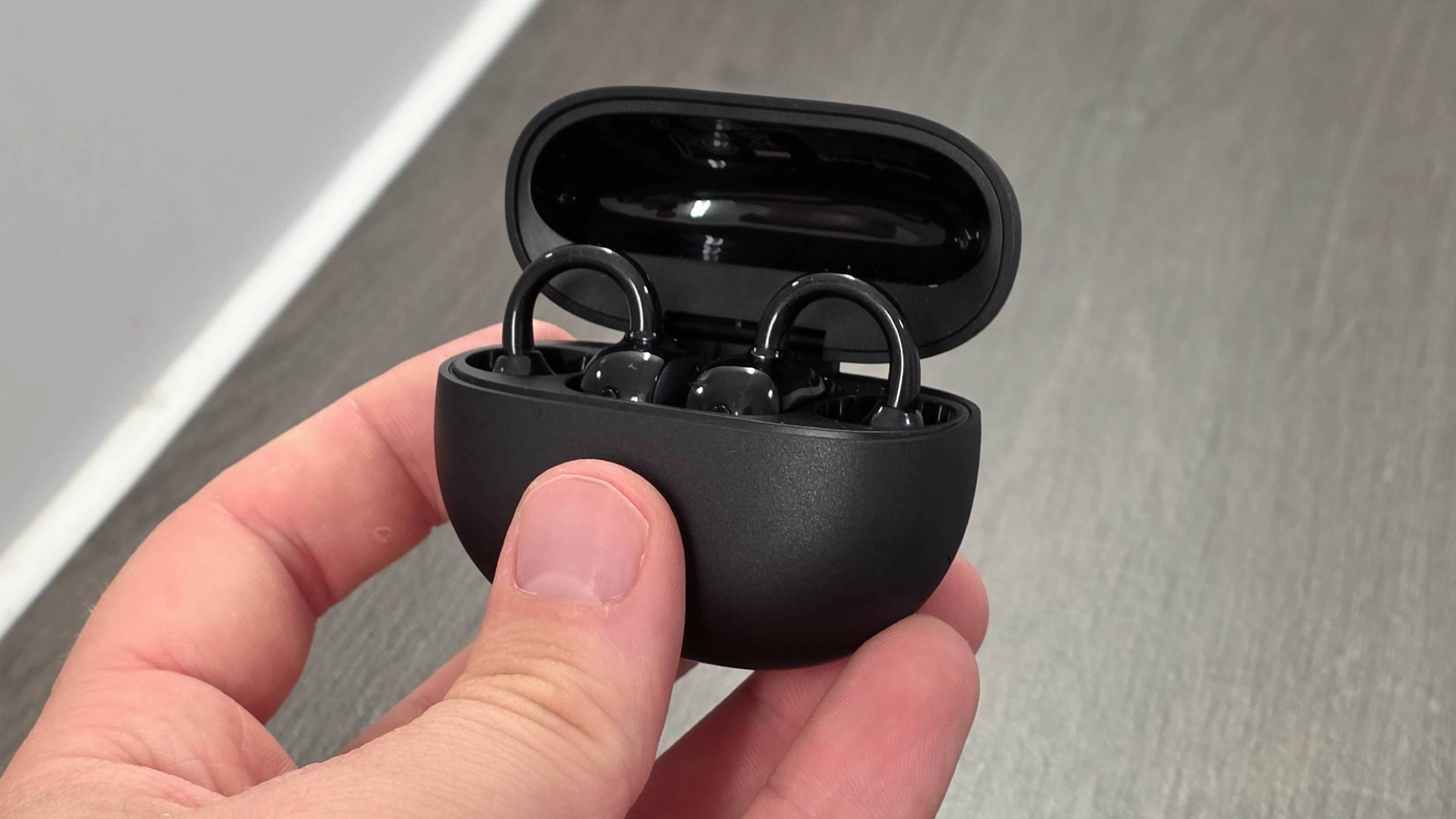
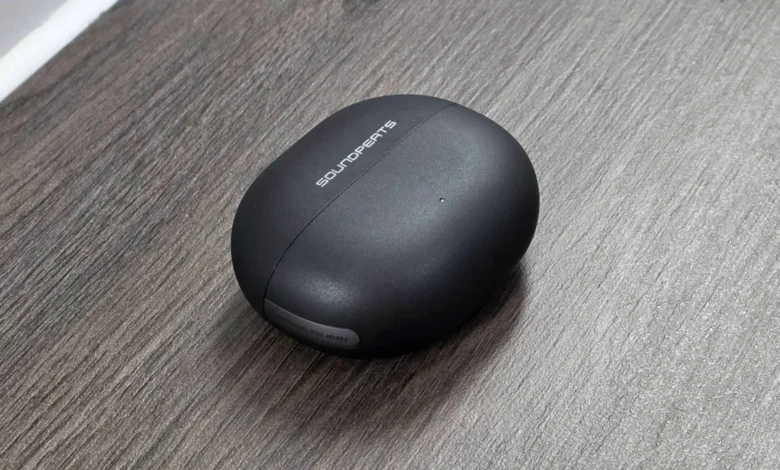
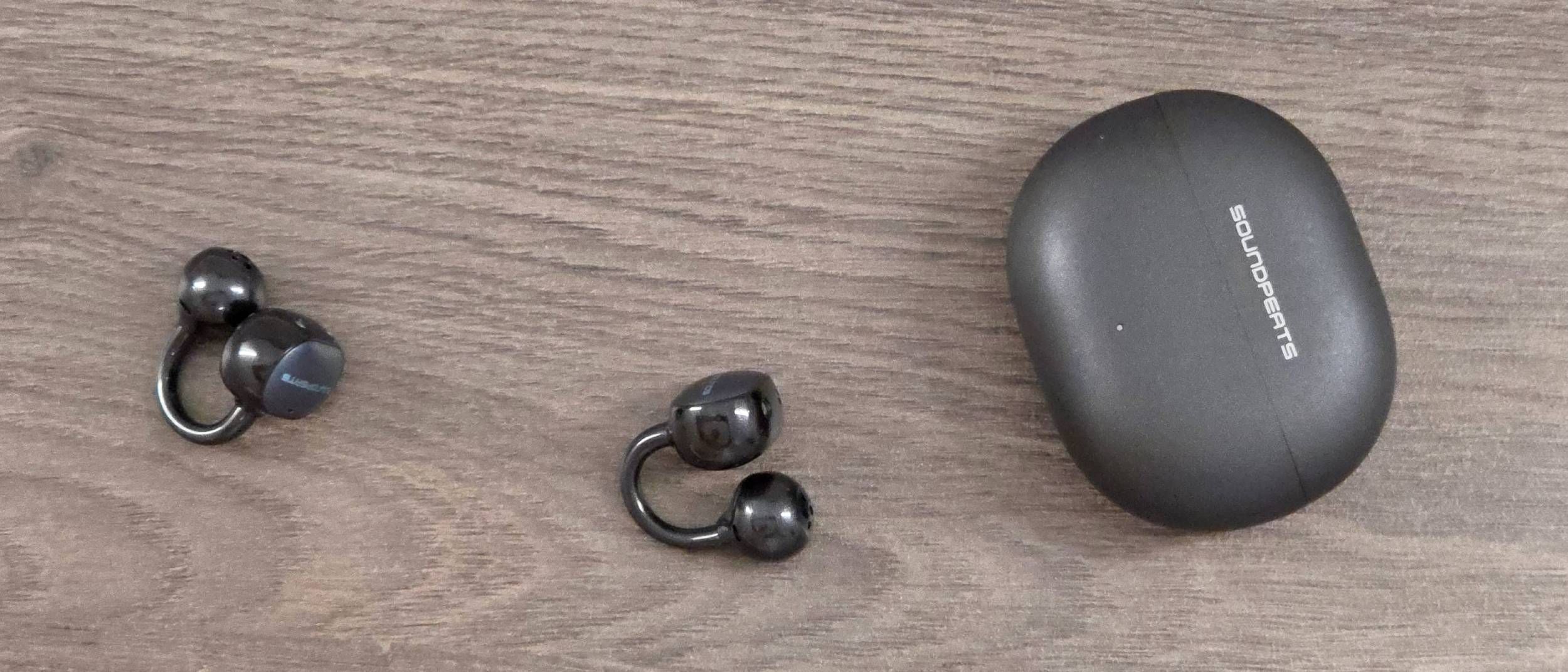
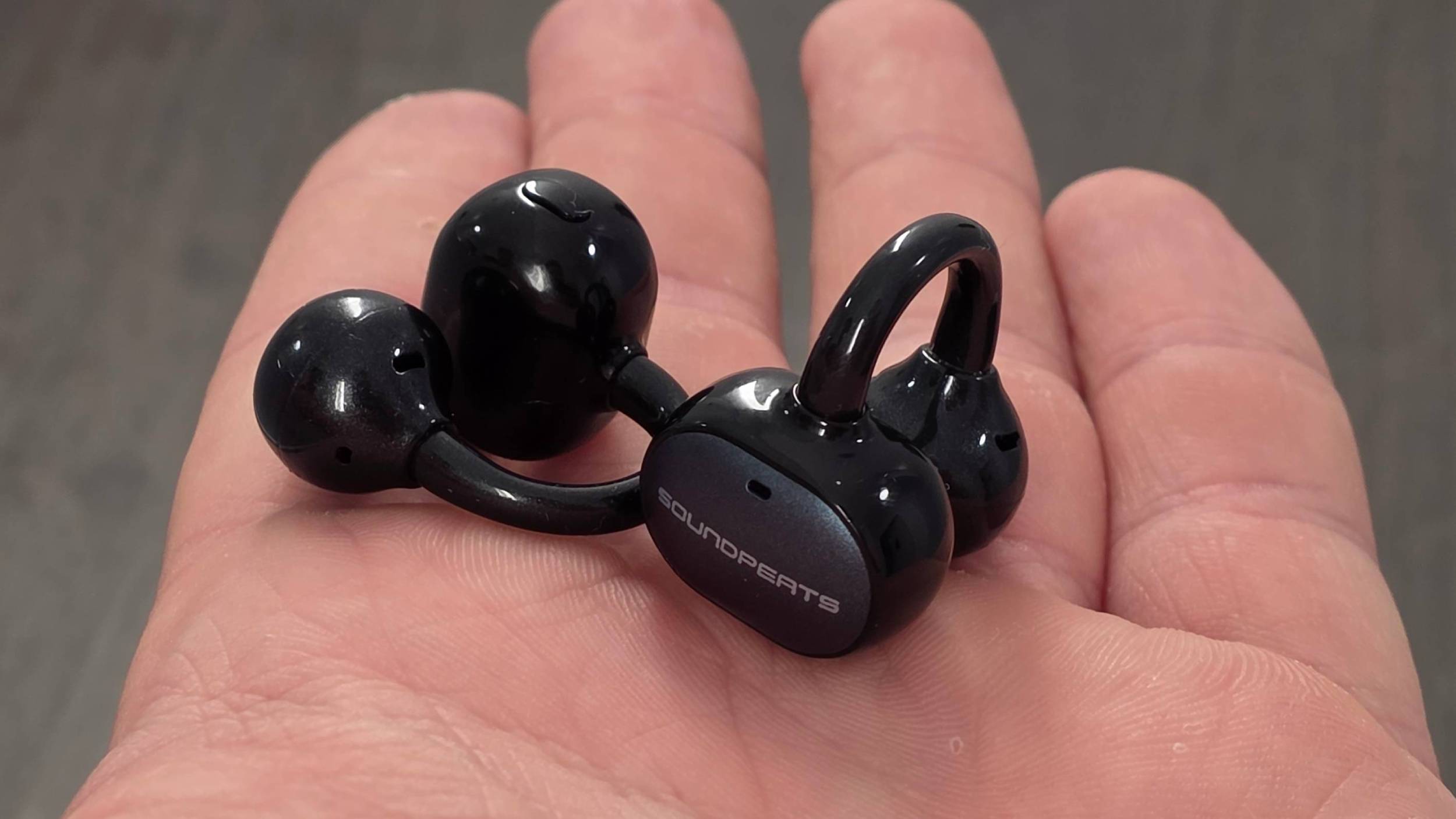
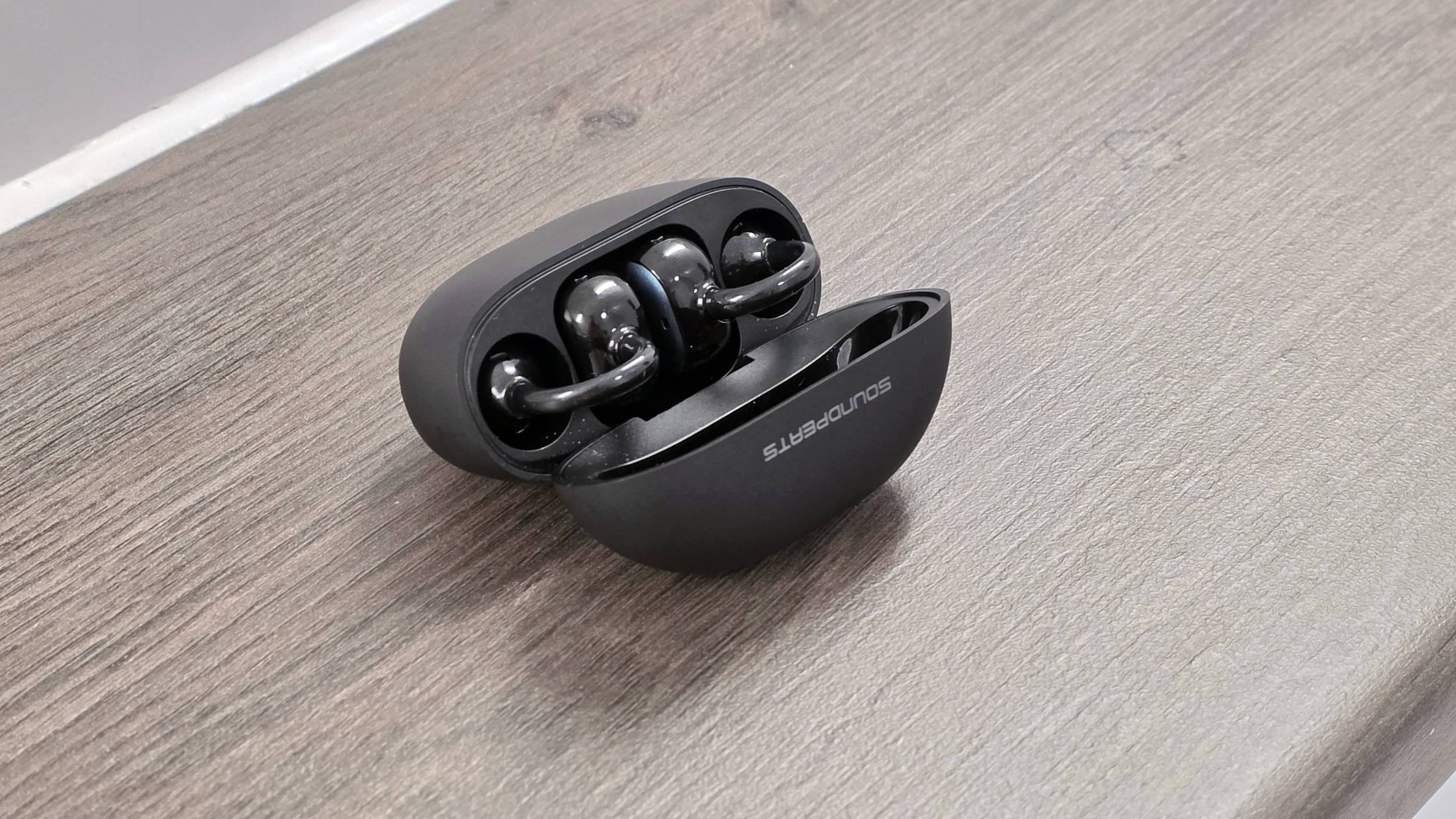
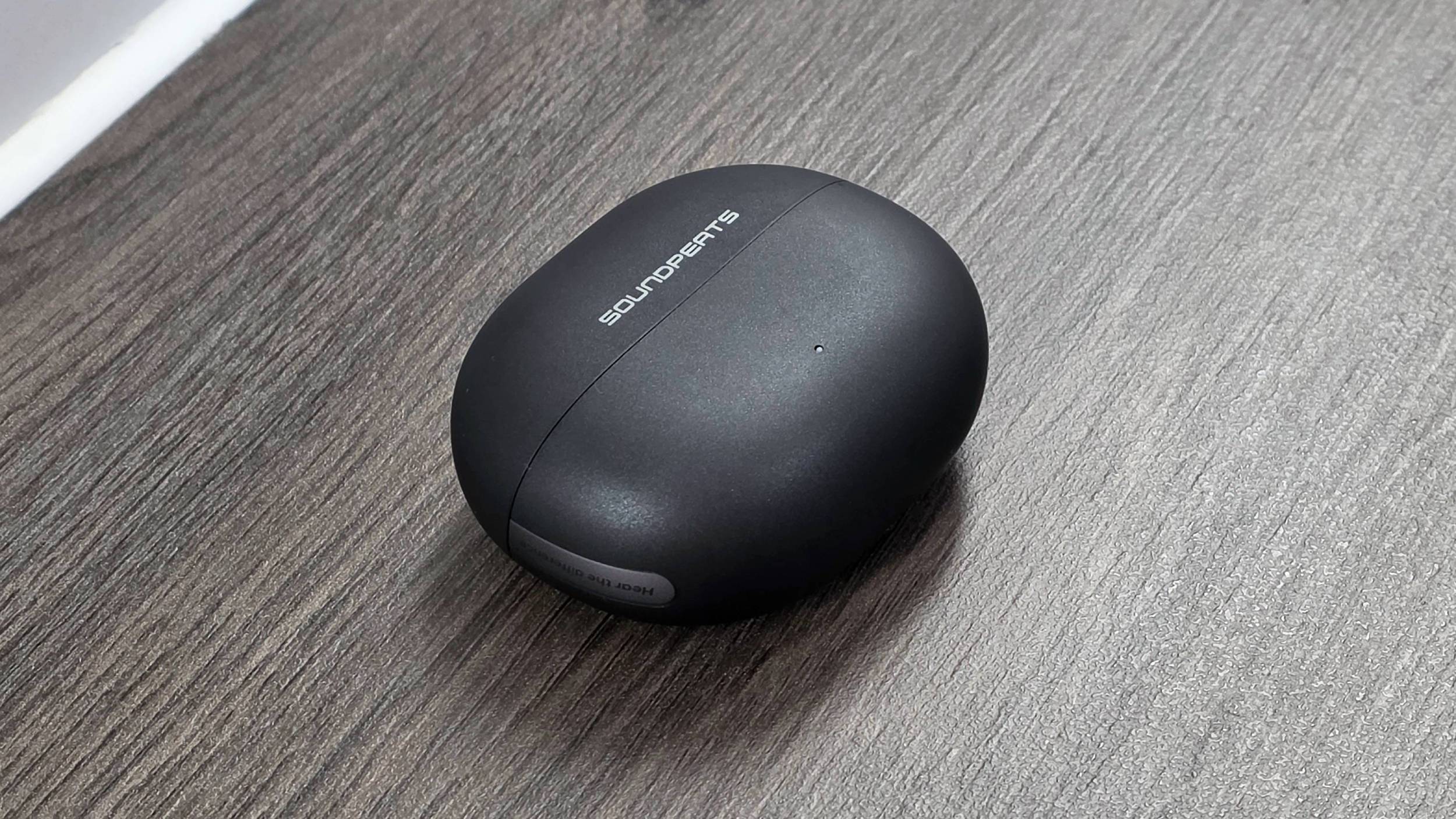
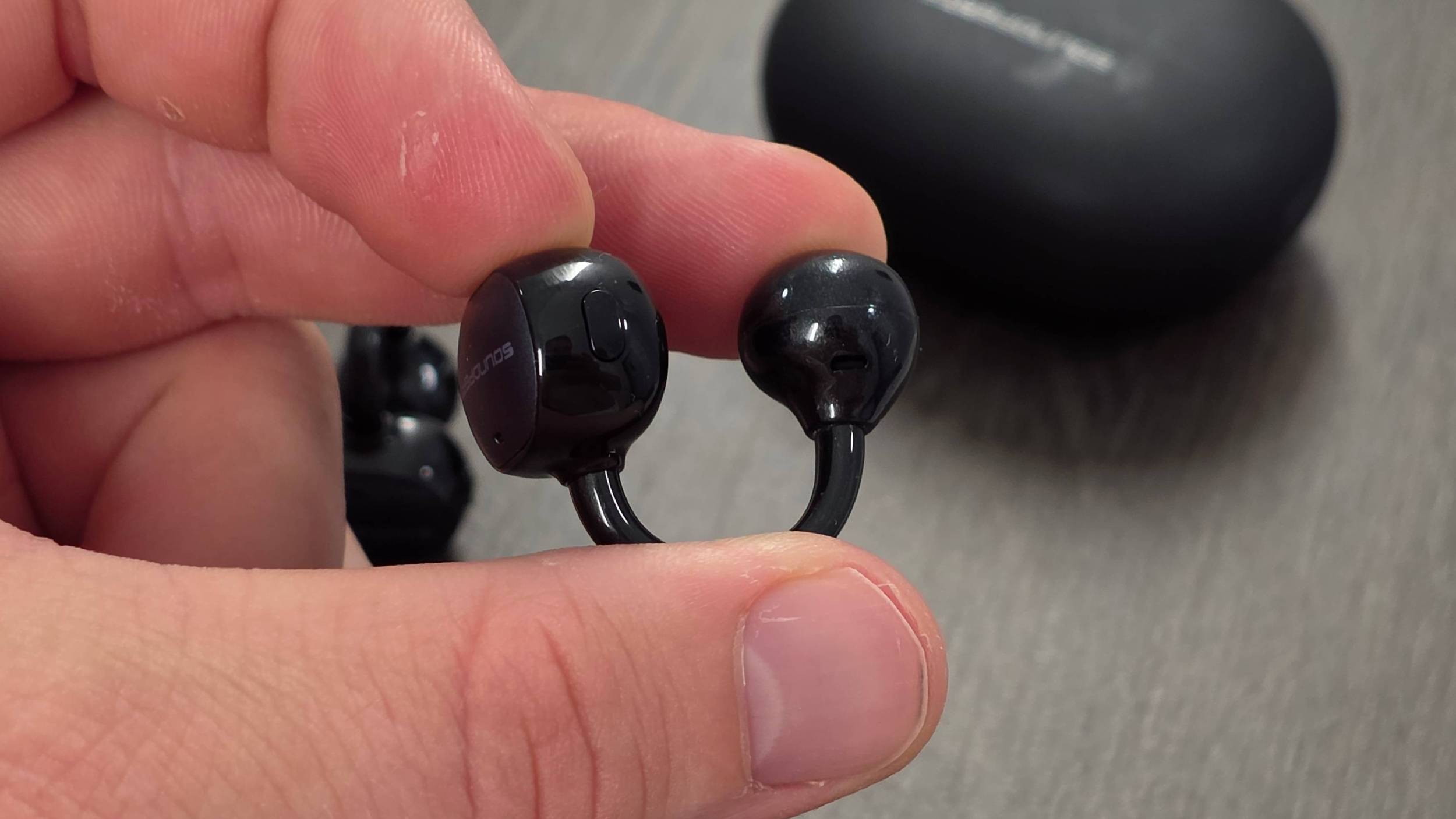
The Soundpeats Pop Clip2 introduce a redesigned charging case that marks a distinct improvement over the previous generation. Measuring as a compact, pebble-shaped enclosure weighing 47.7 grams, the case slips easily into pockets for everyday transport. Each individual earbud weighs a mere 5.1 grams, utilizing a clip-style mechanism engineered to secure onto the outer ear without intrusive ear-canal insertion.
During physical activities such as running, cycling, and gym workouts, the physical fit proves remarkably stable. The incorporation of a physical button on each earbud body—activated via a deliberate pinching motion rather than a capacitive touch panel—provides tactile feedback, accompanied by a distinct click to confirm user inputs.
Despite these ergonomic successes, structural vulnerabilities emerge inside the charging compartment. Prolonged testing indicates that the internal spring-loaded charging pins—the metallic connectors responsible for transferring power to the buds—are prone to sticking in the depressed position. When these pins fail to rebound, the earbuds fail to charge inside the closed case, occasionally resulting in depleted batteries upon removal. While users can occasionally remedy this by manually manipulating the pins, the design flaw introduces an element of maintenance friction that detracts from a seamless user experience.
Acoustic Performance and Audio Architecture
Audio reproduction in open-ear designs presents inherent acoustic challenges due to the physical distance between the transducer and the ear canal. To address this, Soundpeats equipped the Pop Clip2 with 12mm dual-magnetic drivers per earbud, tuned for a balanced acoustic profile.
In comparative evaluations against rival open-ear devices, the Pop Clip2 deliver a surprisingly neutral baseline frequency response. Unlike typical consumer exercise earbuds that artificially inflate bass frequencies at the expense of midrange clarity, the Pop Clip2 maintain instrument separation. Complex tracks reveal distinct layers of rhythm and harmony, avoiding the muddy crossover common in lower-tier audio equipment.
Furthermore, the earbuds support advanced Bluetooth codecs, including LDAC, and carry certification for Hi-Res Audio Wireless—a rare inclusion for open-ear form factors at this price point. Soundpeats also addressed previous user feedback regarding maximum output levels, successfully boosting peak volume thresholds compared to the Clip1. Additional listening profiles, accessible via the companion mobile application, allow users to switch to a dynamic V-shaped EQ mode that accentuates bass and treble energy.
Connectivity and Software Ecosystem
Despite advanced hardware specifications—including the implementation of Bluetooth 6.0—wireless connectivity remains the most significant performance bottleneck for the Pop Clip2. Prolonged testing across multiple Android smartphones, including the Fairphone 6 Plus and Samsung Galaxy Z Fold, revealed intermittent pairing failures and signal dropouts.
Common issues included instances where removing both earbuds from the charging case resulted in only one unit establishing a connection with the host device. Furthermore, audio stuttering and transient dropouts occurred frequently during outdoor use, even when the paired smartphone was kept in close proximity. While software optimizations or firmware patches delivered by the manufacturer could theoretically mitigate some protocol errors, these persistent flaws indicate potential limitations in the internal wireless antenna design.
The companion application provides an extensive suite of auxiliary features, including spatial audio, a low-latency gaming mode, sound leak prevention (privacy mode), a water-drainage utility designed to expel liquid droplets, and customizable gesture controls. However, certain advanced functions—such as adaptive EQ and custom equalizer profiles—require the creation of a mandatory user account within the application. This gating of core functionality behind account registration drew criticism from privacy-conscious consumers.
Battery Endurance and Comparative Analysis
Battery performance represents one of the strongest metrics for the Soundpeats Pop Clip2. Independent testing confirms the manufacturer’s claim of up to 10 hours of continuous playback per charge from the earbuds alone. Combined with the charging case, the total aggregate battery life reaches approximately 42 hours, placing the device well above the industry average for open-ear headphones. The inclusion of an IPX5 water-resistance rating further safeguards the electronics against sweat and light rain during strenuous exercise routines.
When evaluated alongside contemporary alternatives in the budget open-ear market, the Pop Clip2 occupy a distinct niche. Competitors such as the Baseus Bowie MC2 offer superior hardware reliability—boasting an IP67 dust and water resistance rating and longer per-charge endurance (11.5 hours)—alongside more stable wireless links, though they lack the nuanced audio fidelity of the Soundpeats. Similarly, the Anker Soundcore AeroClip provides an equally feature-rich software ecosystem at a comparable price point, yet falls short on raw driver performance.
Market Implications and Consumer Guidance
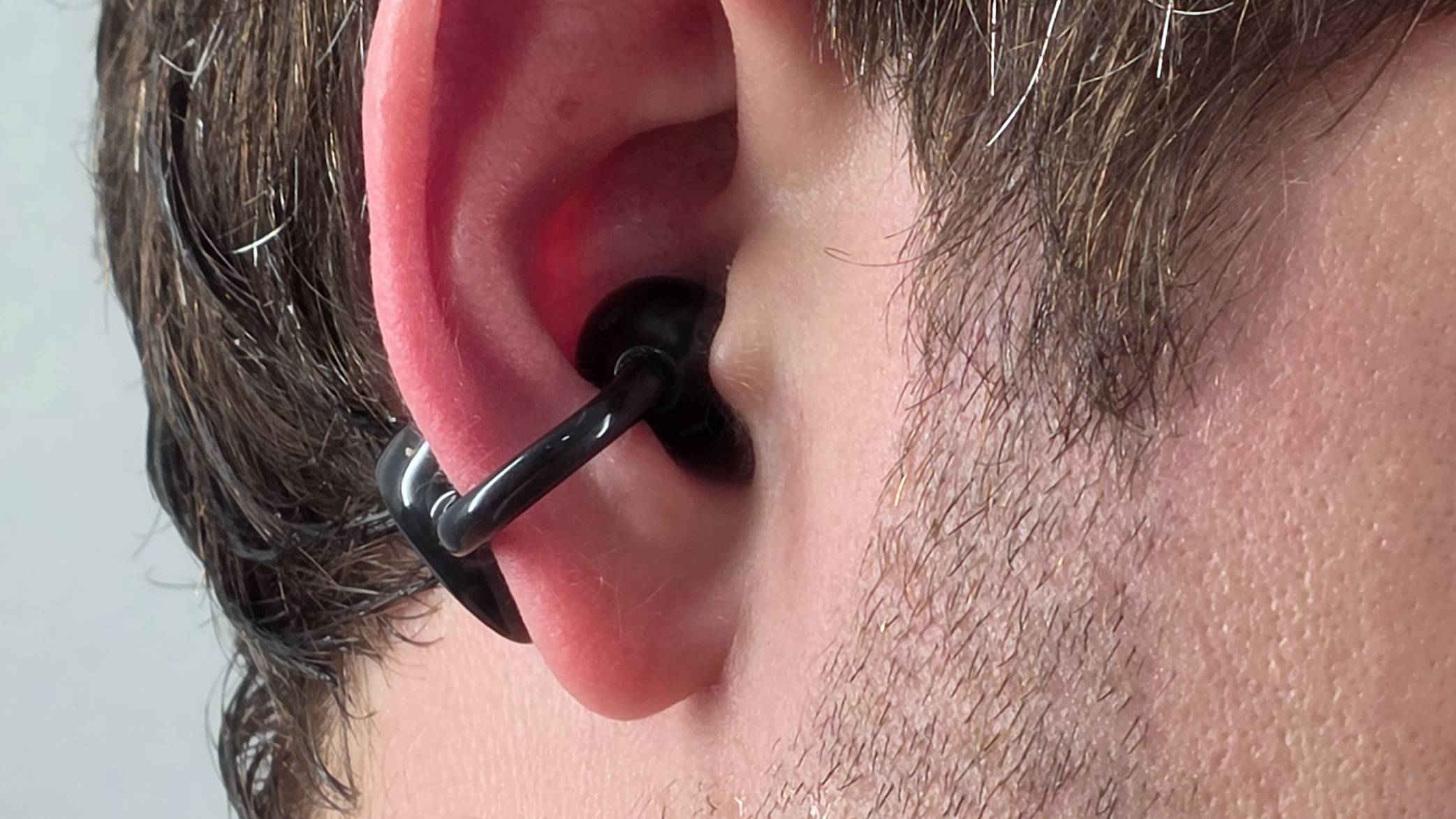
The Soundpeats Pop Clip2 present a complex value proposition for audio consumers. On paper, they deliver industry-leading sound quality for an open-ear design, exceptional battery life, a comfortable and secure ergonomic fit, and advanced codec support at a remarkably low price point. For stationary indoor listening environments, such as office desks or quiet home settings, their acoustic performance rivals considerably more expensive hardware.
However, the persistent presence of hardware anomalies—specifically intermittent charging pin failures and erratic Bluetooth connectivity during mobile use—introduces questions regarding long-term durability and reliability. Prospective buyers must weigh the immediate acoustic and financial benefits against the likelihood of encountering hardware frustrations, making the Pop Clip2 a recommended purchase strictly for budget-conscious users prioritizing sound quality over flawless everyday reliability.