Antitrust Lawsuit Against Apple Over Mobile Wallet Dominance Gains Class Action Status

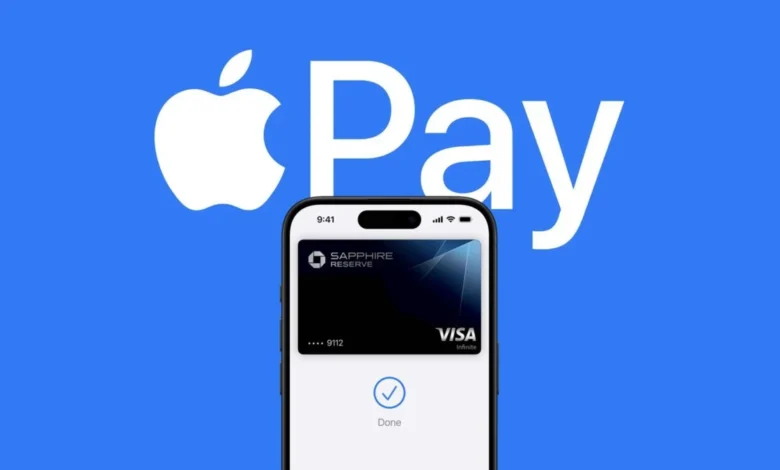
A significant legal hurdle for Apple has been cleared as a U.S. District Court judge officially certified a class action lawsuit targeting the company’s restrictive mobile wallet policies. This judicial decision marks a pivotal moment in the ongoing battle between financial institutions and the tech giant regarding the exclusivity of the NFC (Near Field Communication) chip within iPhones. U.S. District Judge Jeffrey White’s ruling this week enables banks and credit unions across the United States to consolidate their claims, potentially exposing Apple to massive financial liabilities regarding the fees it has collected through its Apple Pay service since its inception.
The lawsuit, which first surfaced in 2022, posits that Apple has maintained an illegal monopoly over the mobile wallet market by tethering its hardware capabilities—specifically the NFC chip—exclusively to its own payment ecosystem. By preventing third-party financial institutions from accessing the necessary hardware to facilitate contactless payments, the plaintiffs argue that Apple has successfully stifled competition and extracted "unreasonable" fees from card issuers.
The Core Allegations and Economic Impact
At the heart of the litigation is the economic structure of Apple Pay transactions. According to the court filings, when a consumer uses an iPhone to make a purchase, the card issuer is required to pay Apple a fee of 0.15 percent for credit card transactions and half a cent for debit card transactions. Plaintiffs argue that these fees, which generate approximately $1 billion in annual revenue for Apple, are a direct result of the company’s anti-competitive behavior.
The lawsuit highlights a stark contrast between Apple’s ecosystem and the Android mobile platform. On Android devices, users are permitted to utilize various mobile wallets, such as Google Pay or proprietary banking apps, which do not impose a per-transaction fee on card issuers for contactless payments. The plaintiffs contend that if Apple were forced to open its NFC chip to competing developers, the market would naturally shift toward a more competitive landscape, likely forcing Apple to reduce or eliminate the fees currently levied on financial institutions.
Judge White’s decision to certify the class includes any U.S. entity that issued a payment card enabled for Apple Pay and subsequently paid the associated fees to Apple. Furthermore, the judge denied Apple’s motion to exclude expert testimony that supports the plaintiffs’ claims of monopoly power. This testimony is expected to play a critical role in the upcoming proceedings, as it seeks to quantify the economic harm inflicted upon these financial institutions.
A Chronology of the Dispute
The legal tension surrounding Apple Pay has evolved over several years, marked by shifting regulatory landscapes and internal policy changes at Apple:
- July 2022: The initial antitrust lawsuit is filed, alleging that Apple’s restrictive NFC policies constitute an unlawful monopolization of the mobile wallet market.
- 2023–2024: The discovery phase of the trial proceeds, with legal teams gathering evidence on Apple’s internal decision-making processes regarding the "walled garden" approach to NFC technology.
- Late 2024: International regulatory pressure begins to mount, particularly within the European Union, which forces Apple to consider opening its NFC technology to satisfy antitrust concerns.
- October 2024 (iOS 18.1): Apple officially updates its policy, allowing third-party developers to offer NFC contactless payments in their own apps. This access is granted to developers in major markets, including the United States, Canada, Australia, Brazil, Japan, the UK, and the European Economic Area.
- September 2026: Judge Jeffrey White grants class certification, allowing the collective lawsuit of banks and credit unions to move forward, while simultaneously rejecting Apple’s attempt to strike down expert witness testimony.
Apple’s Evolving Policy and Regulatory Context
It is important to note that Apple has not remained static throughout this legal dispute. In October 2024, with the release of iOS 18.1, the company began allowing third-party developers access to the iPhone’s NFC chip. This move was widely viewed as a strategic concession aimed at appeasing regulators in the European Union and elsewhere who had initiated their own investigations into the company’s business practices.
However, the plaintiffs in the current class action lawsuit argue that these changes, while welcome, do not retroactively address the years of alleged anti-competitive behavior or the billions of dollars in fees collected during the period when the NFC chip was strictly locked. The injunctive relief sought by the plaintiffs aims not only to recover these past fees but also to ensure that the current policy changes are permanent and robust enough to foster genuine competition in the future.
Broader Implications for the Tech Industry
The outcome of this lawsuit could have far-reaching implications for how hardware manufacturers manage their proprietary interfaces. If the court finds that Apple’s control over the NFC chip was indeed a form of illegal monopolization, it could set a precedent for other "gated" technologies. Companies across the tech spectrum, from wearable manufacturers to automotive software providers, will be monitoring this case to see if courts move to regulate the intersection of physical hardware and digital services more strictly.
From an economic perspective, the case touches on the fundamental question of what constitutes a "platform" versus a "gatekeeper." Apple has historically defended its business model as a commitment to user privacy and security, arguing that a tightly controlled ecosystem is essential for protecting consumer financial data. Conversely, the plaintiffs view this security argument as a convenient facade for extracting rent from the financial services sector.
Market Responses and Expert Analysis
Financial analysts have noted that the potential for a massive payout in this class action suit is high, given the scale of the card-issuing entities involved. Banks and credit unions are highly motivated to pursue this litigation, as the cumulative fees represent a significant portion of their operational overhead related to digital payment processing.
Legal experts suggest that the denial of Apple’s motion to exclude expert testimony is a significant win for the plaintiffs. By keeping this evidence in play, the court has acknowledged that the "monopoly power" argument is legally viable and supported by a foundation of economic theory that is strong enough to reach a jury or a final bench decision.
While Apple continues to argue that its payment platform provides superior value to consumers, the legal path ahead is increasingly complex. The company must now prepare for a trial that will deeply scrutinize its internal financial models and its strategic decision-making regarding the integration of its hardware and software.
Looking Toward the Future
As the case moves toward trial, the focus will likely shift to the specific impact of the fees on consumer costs and whether Apple’s control over the NFC chip truly limited innovation in the mobile wallet space. If the court grants the requested injunctive relief, it may fundamentally alter how consumers interact with their devices at the point of sale, potentially leading to a fragmentation of the mobile wallet market where users choose between multiple competitive options.
The legal battle also coincides with other significant litigation facing Apple, including recent settlements related to the delayed launch of Siri AI. These collective legal challenges suggest a period of increased scrutiny for the Cupertino-based company, as regulators and private plaintiffs alike continue to challenge the boundaries of Apple’s influence over the digital economy.
Ultimately, the resolution of this antitrust lawsuit will likely redefine the balance of power between technology platforms and the financial institutions that rely on them. Whether the outcome results in a massive settlement, a change in business practices, or a landmark victory for one of the parties, the case of Apple Pay stands as a definitive example of the growing friction between the digital gatekeepers of the 21st century and the industries they seek to mediate. For now, the legal proceedings continue, with both sides bracing for a protracted battle that will likely influence the mobile payment landscape for years to come.