Dogecoin Cash Inc. Unveils Ambitious "Dogecoin Gold" Concept to Anchor Digital Tokens with Physical Gold Reserves


Nevada-based Dogecoin Cash Inc. has officially presented a groundbreaking conceptual proposal for "Dogecoin Gold," a blockchain-based initiative designed to create a direct link between digital tokens and tangible physical gold reserves. The announcement, made on Friday, coincides with a notable uptick in the value of Dogecoin (DOGE), which has recently regained the $0.10 threshold, reflecting approximately a 15% recovery over the preceding two weeks. While the company emphasizes that this is a conceptual exploration and no definitive decisions have been made, the proposed framework outlines a sophisticated model for asset-backed digital currency, aiming to bridge the perceived complexities of traditional gold ownership with the transparency and accessibility of blockchain technology.
The "Dogecoin Gold" Proposal: A Nanogram-Level Commitment
At the core of the "Dogecoin Gold" proposal is a system intended to ensure that each digital token issued is backed by a precisely defined quantity of physical gold. This backing is envisioned at an extraordinary level of granularity: the nanogram. This meticulous measurement aims to provide an unparalleled degree of precision in asset backing, a feature that could set it apart in the burgeoning market for tokenized real-world assets.
The physical gold underpinning these tokens would not be held by Dogecoin Cash Inc. itself. Instead, the proposal stipulates that the gold would be placed in the custody of an independent, institutional-grade precious metals custodian. This segregation of duties is a critical component, designed to foster trust and provide an additional layer of security and transparency. The involvement of an independent custodian is a common practice in regulated financial markets and aims to assure token holders that their underlying assets are managed by a specialized entity with robust security protocols.
The proposed token-to-gold ratio is equally significant. The framework suggests that one billion Dogecoin Gold tokens would correspond to one gram of physical gold. Redemptions, a crucial aspect of any asset-backed token, are structured around whole-gram units. This means that token holders would be able to redeem their tokens for physical gold in increments of one gram. The practical implications of this ratio are substantial; it suggests that a significant number of tokens would be required to represent even a modest amount of physical gold, potentially impacting the perceived value and accessibility of the tokens.
A Disciplined Approach to Token Issuance and Redemption
Dogecoin Cash Inc. has articulated a vision for token issuance that is directly tied to the physical gold reserves held in custody. This is a fundamental principle of asset-backed tokens, ensuring that the supply of digital tokens accurately reflects the availability of the underlying physical asset. Under this model, new Dogecoin Gold tokens would only be minted and enter circulation when physical gold is deposited into the designated custodial account. Conversely, when a token holder successfully redeems their tokens for physical gold, those tokens would be permanently removed from circulation. This mechanism is designed to maintain a perpetual, verifiable link between the digital token supply and the physical gold reserves, preventing arbitrary inflation of the token supply.
The company’s stated objective for Dogecoin Gold is to explore and potentially validate a model that merges the established mechanics of commodity-backed assets with the inherent transparency and auditability of blockchain technology. The ambition is to bring what the company describes as "precision accounting" and "easier digital access" to an asset class—physical gold—that has historically been associated with significant logistical challenges, storage complexities, and sometimes opaque ownership structures. By tokenizing gold, Dogecoin Cash Inc. aims to democratize access to gold ownership, making it more fluid and digitally manageable for a broader range of investors.
Management within Dogecoin Cash Inc. has characterized this initiative as an "evaluation" of a system designed to harmonize the verifiable ownership of physical gold with the robust auditability offered by blockchain. The framework seeks to leverage "mathematically defined units" to ensure clarity and predictability in the ownership and transfer of gold-backed digital assets. This emphasis on mathematical definition points towards a desire for a system that is not only transparent but also deterministic, where the value and backing of each token can be mathematically verified.
An Exploration, Not a Launch: Acknowledging the Early Stage
Despite the detailed conceptual outline, Dogecoin Cash Inc. has been unequivocal in stressing that the Dogecoin Gold initiative remains firmly in the development and evaluation phase. The company is actively assessing the feasibility of structuring such a framework within a "disciplined and verifiable environment." The critical question being addressed is whether this approach can indeed deliver a system where real-world assets (RWAs) and transparent digital infrastructure can coexist in a manner that is both predictable and rigorously measurable.

Should the project move forward, the company anticipates that it would likely leverage a widely adopted public blockchain and utilize standard token architectures. The emphasis throughout the design process, according to the company, would be on ensuring traceability, maintaining a direct alignment between token supply and gold reserves, and enabling robust third-party verifiability of the entire system. This suggests a commitment to open standards and practices that would allow external auditors and stakeholders to scrutinize the integrity of the Dogecoin Gold ecosystem.
It is crucial to reiterate that, at this juncture, no Dogecoin Gold tokens have been issued. Furthermore, Dogecoin Cash Inc. has made no final decisions regarding the intricate technical design of the system, the specific custodial arrangements, the complex regulatory treatment that such a product would entail, or the potential timeline for any future launch. This cautious approach underscores the experimental nature of the proposal and the significant hurdles that must be overcome before such a digital asset could become a reality.
Navigating a Competitive Landscape
The proposed Dogecoin Gold initiative enters a niche that is not without precedent. The market for tokenized gold already features established players that have set the benchmark for this type of asset. Prominent among these are Paxos’ PAX Gold (PAXG) and Tether Gold (XAUT).
In both the PAX Gold and Tether Gold models, the respective issuers are responsible for the physical storage of the underlying gold. They also grant token holders ownership rights to the gold associated with their tokens. A key feature of these existing products is the provision of a unique serial number that is directly linked to the specific gold bar or allocation associated with each token. This serial number acts as a verifiable identifier, connecting the digital token to a tangible asset.
Given the established presence and operational models of PAX Gold and Tether Gold, it remains an open question how Dogecoin Cash Inc. intends to differentiate its own framework. Whether it will introduce novel features, adopt a different approach to custody, or target a specific market segment will be critical factors in its potential success. The nanogram-level backing and the emphasis on mathematical precision are potential differentiators, but the practical implementation and market reception will ultimately determine its viability.
The Broader Context: Gold as a Digital Asset
The concept of tokenizing gold has gained significant traction within the broader cryptocurrency and blockchain ecosystem. For centuries, gold has been viewed as a store of value, a hedge against inflation, and a safe-haven asset during times of economic uncertainty. However, physical gold ownership presents challenges. Storing and securing physical gold can be expensive and cumbersome. Transferring ownership can involve complex paperwork and intermediaries.
Blockchain technology offers a potential solution to these challenges. By creating digital tokens that represent ownership of physical gold, the industry aims to combine the perceived stability and intrinsic value of gold with the efficiency, transparency, and global accessibility of digital assets. This fusion could unlock new investment opportunities, streamline transactions, and provide a more liquid market for gold-backed assets.
The current market for gold is substantial. According to the World Gold Council, the global demand for gold in 2023 reached 4,899 tonnes, with a market value estimated to be in the trillions of dollars. Tokenizing even a fraction of this market represents a significant opportunity. Companies exploring this space are not only aiming to capture a share of this market but also to innovate how individuals and institutions can interact with gold as an asset.
The Role of Real-World Assets (RWAs) in Blockchain
Dogecoin Cash Inc.’s exploration of "Dogecoin Gold" fits into the broader trend of tokenizing real-world assets (RWAs). RWAs encompass a wide range of tangible and intangible assets, including real estate, commodities, art, equities, and debt, that are being represented on blockchains. The tokenization of RWAs promises to enhance liquidity, fractionalize ownership, reduce transaction costs, and broaden investor access to traditionally illiquid markets.

The development of robust frameworks for tokenizing RWAs, such as the one being considered by Dogecoin Cash Inc., is crucial for the maturation of the blockchain industry. These initiatives often require navigating complex regulatory landscapes, ensuring legal enforceability of tokenized ownership, and establishing trust mechanisms that bridge the gap between the digital and physical worlds.
The success of projects like Dogecoin Gold will depend not only on their technical innovation but also on their ability to gain regulatory clarity and market acceptance. The emphasis on third-party verifiability, transparent reserve alignment, and disciplined token issuance are all essential components for building confidence in the RWA tokenization space.
The Dogecoin Connection and Market Sentiment
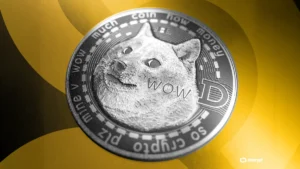
The announcement of "Dogecoin Gold" by Dogecoin Cash Inc. also draws attention due to its association with the "Dogecoin" name, which has become synonymous with a prominent meme cryptocurrency. While Dogecoin Cash Inc. is a separate entity from the original Dogecoin (DOGE) project, the name recognition is undeniable. This association could potentially attract interest from the existing Dogecoin community, although the nature of the "Dogecoin Gold" offering is fundamentally different from the decentralized, community-driven DOGE cryptocurrency.
The timing of the announcement, coinciding with DOGE’s recovery to $0.10, may also be a strategic consideration. The cryptocurrency market, and particularly the meme coin sector, is often influenced by sentiment and broader market trends. A positive market environment can create a more receptive atmosphere for new project announcements, even if those projects are conceptual in nature. The 15% recovery in DOGE over two weeks suggests a renewed optimism or speculative interest in the cryptocurrency, which could indirectly benefit related announcements.
However, it is important to distinguish between the speculative nature of meme cryptocurrencies like DOGE and the more grounded, asset-backed approach proposed for Dogecoin Gold. The latter aims to bring a level of stability and intrinsic value derived from physical commodities, contrasting with the often volatile price movements associated with pure meme coins.
Future Outlook and Challenges
The path forward for Dogecoin Gold is laden with significant challenges. Beyond the technical and operational hurdles, regulatory compliance will be paramount. Depending on the jurisdiction, tokenized gold could be subject to securities regulations, commodity regulations, or a combination of both. Dogecoin Cash Inc.’s statement that no final decisions have been made on regulatory treatment highlights the complexity and uncertainty in this area.
Furthermore, building trust and adoption will require a sustained commitment to transparency and verifiability. The success of PAX Gold and Tether Gold demonstrates that a well-executed model, backed by strong custodial arrangements and clear ownership rights, can gain market traction. Dogecoin Cash Inc. will need to demonstrate its ability to meet or exceed these standards.
The company’s commitment to evaluating the framework within a "disciplined and verifiable environment" suggests an understanding of these challenges. The focus on nanogram-level precision and the linkage to institutional-grade custodians are positive indicators. However, the ultimate success of Dogecoin Gold will depend on its ability to translate this ambitious proposal into a secure, compliant, and trustworthy digital asset that can effectively bridge the gap between physical gold and the blockchain. The market will be watching closely to see if this conceptual initiative can evolve into a tangible offering that redefines access to gold as a digital investment.
Related posts: