Google Prepares to Launch Wear OS Fitness Tracker as Mysterious G8BL6 Hardware Surfaces in FCC Filings

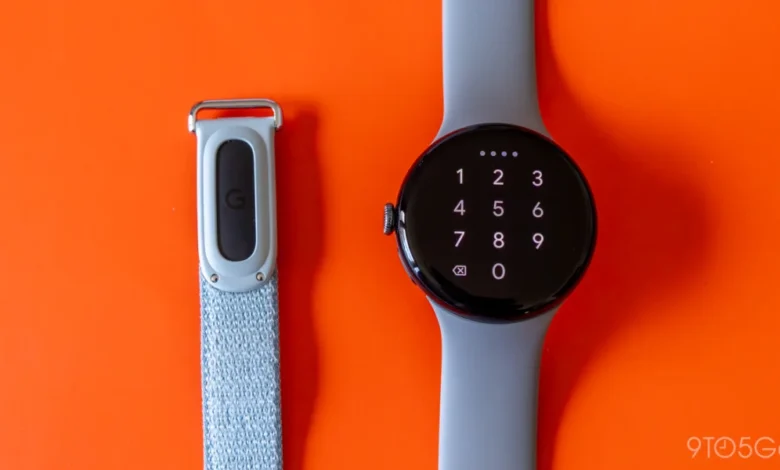
Recent regulatory filings submitted to the Federal Communications Commission (FCC) have shed light on an unannounced hardware product from Google, pointing toward the development of a novel fitness tracker powered by the Wear OS platform. Designated by the model number G8BL6 and officially classified as a "Wireless Device," the newly uncovered gadget appears poised to introduce Google’s smartwatch operating system to a slender, band-style form factor traditionally reserved for basic fitness bands.
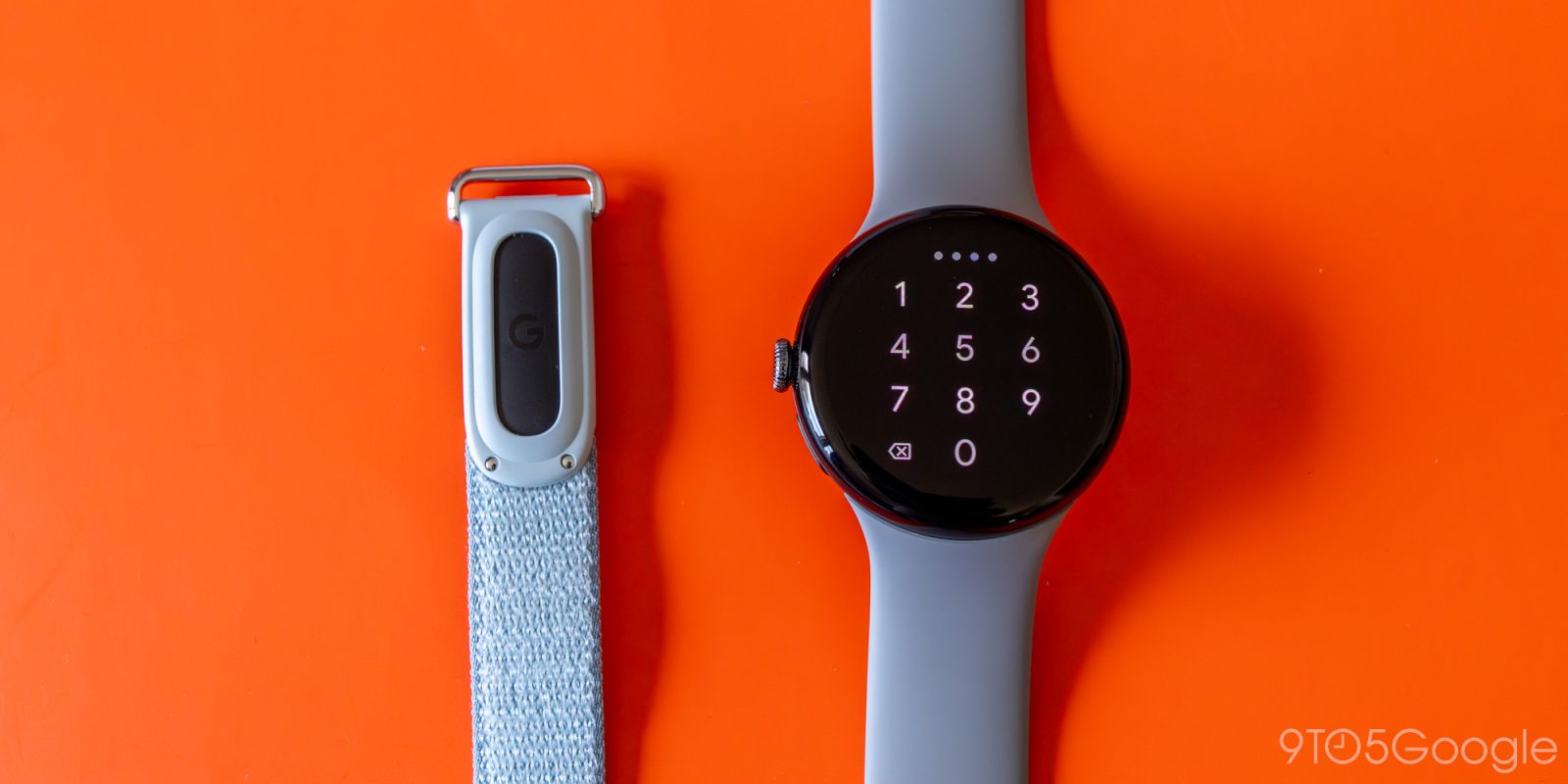
The appearance of the G8BL6 filing marks another milestone in a string of recent leaks and regulatory clues hinting at an impending expansion of Google’s wearable ecosystem. Industry analysts and tech observers have closely tracked the evolution of Google’s hardware strategy following its acquisition of Fitbit, anticipating how the tech giant would eventually bridge the gap between heavy-duty smartwatches like the Pixel Watch series and lightweight health-tracking wristbands.
FCC Documentation and Technical Specifications
The FCC filing provides several critical technical clues regarding the nature and capabilities of the G8BL6 device. Manufactured by Goertek—a prominent electronics producer with a history of building hardware components and accessories for Google, including multiple generations of Pixel Buds—the device follows Google’s established internal naming conventions for first-party consumer electronics.

Deep within the regulatory paperwork, software pathways offer the strongest indication of the device’s operating system. The regulatory e-label is accessed through the navigation path Settings > System > Regulatory Information, which is identical to the user interface sequence utilized by the Google Pixel Watch line. Furthermore, documentation confirms that the Android Debug Bridge (ADB) was actively leveraged during compliance testing procedures, a diagnostic tool standard for Android and Wear OS software development.
On the connectivity front, the hardware includes Bluetooth Low Energy (LE) and a Global Navigation Satellite System (GNSS) module for standalone GPS tracking. According to internal antenna test reports, the Bluetooth LE feature relies on a specialized "metal frame antenna" design to optimize signal strength within a compact chassis. Notably, however, the device’s specifications omit Wi-Fi connectivity, a curious omission that has sparked industry debate regarding how software updates, data syncing, and independent cloud tasks will be managed on the device.

The Chronology of a Leak
The discovery of the G8BL6 model at the FCC does not happen in a vacuum; rather, it serves as the latest entry in a chronological sequence of accidental reveals and supply chain breadcrumbs stretching back several months.
Back in August, eagle-eyed consumers spotted an unidentified Google fitness tracker hidden in plain sight within promotional material for the upcoming Pixel 11 advertising campaign. The promotional imagery displayed a vertical, pill-shaped monochrome or color display paired with a band design strongly reminiscent of the Pixel Watch’s proprietary attachment mechanism. The user interface displayed on the promotional screen showcased recognizable watch faces tailored for a vertical aspect ratio, complete with standard Wear OS fitness complications tracking daily metrics such as step counts, heart rate, and active zone minutes.

Prior to the Pixel 11 advertisement sighting, Google’s wearable roadmap had already been shifting toward diversification, highlighted by the rollout of the Fitbit Air. The introduction of these newer form factors suggests a deliberate corporate strategy to phase out or modernize older product lines. The anticipated device is widely viewed as a direct spiritual successor to the immensely popular Fitbit Charge product family. The Fitbit Charge line, historically priced around $160, has served as a benchmark for mainstream, screen-equipped fitness trackers since its last major hardware refresh in 2023. By transitioning a device of this size class to Wear OS, Google appears ready to abandon proprietary RTOS (Real-Time Operating System) software in favor of a unified developer ecosystem.
Industry Context and Strategic Implications
The pivot toward putting Wear OS into a narrower, pill-shaped fitness tracker represents a significant engineering gamble for Google. Traditionally, Wear OS has demanded substantial processing power and battery capacity, historically limiting its deployment to round-faced smartwatches with ample internal volume for larger lithium-ion cells.

By attempting to squeeze the full operating system into a slender wristband, Google is testing the limits of modern silicon efficiency and battery chemistry. A device of this physical footprint lacks the spatial volume of a traditional smartwatch, raising valid questions regarding battery life endurance. Consumers accustomed to basic fitness bands that easily last a week on a single charge may find daily or bi-daily charging requirements—typical of Wear OS devices—to be a jarring adjustment.
At the same time, this strategic move addresses long-standing criticisms that Fitbit’s native operating system lacked a robust third-party app ecosystem, advanced smart assistant integration, and seamless interoperability with the broader Android developer community. Running Wear OS on a fitness band would allow users to access Google Assistant, receive rich actionable notifications, and download specialized third-party health and productivity applications directly to their wrists without purchasing a bulkier, more expensive smartwatch.

Market Positioning and Future Outlook
As the G8BL6 moves through the final stages of regulatory certification, anticipation is building regarding its official commercial launch window, pricing strategy, and official marketing moniker. Given the cadence of FCC filings typically preceding product availability by several weeks or months, industry watchers anticipate a formal announcement from Google in the near future, potentially aligning with upcoming hardware showcases or a dedicated ecosystem drop.
The broader implications for the wearable technology market are profound. If Google successfully optimizes Wear OS to run efficiently on a lightweight, screen-equipped fitness band without catastrophic battery drain, it could establish a new standard for the category. Competitors in the health-tracking space will be forced to respond to a device that bridges the gap between passive health monitoring and active smartwatch functionality. For now, consumers and developers alike await further official disclosures from Google to confirm how the G8BL6 will redefine the company’s hardware portfolio.