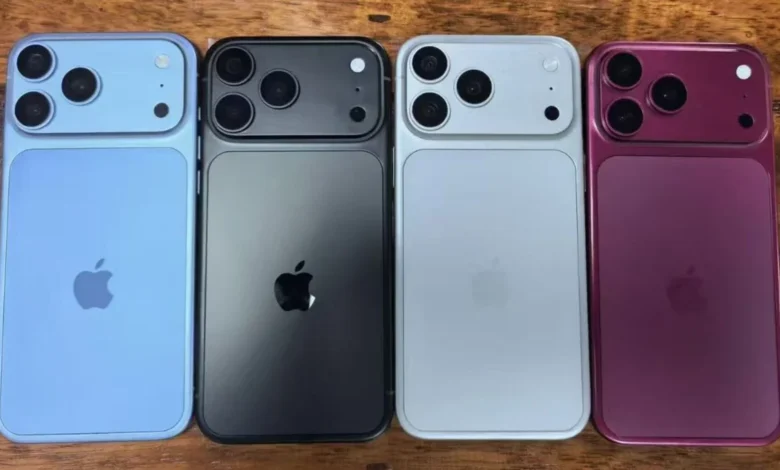
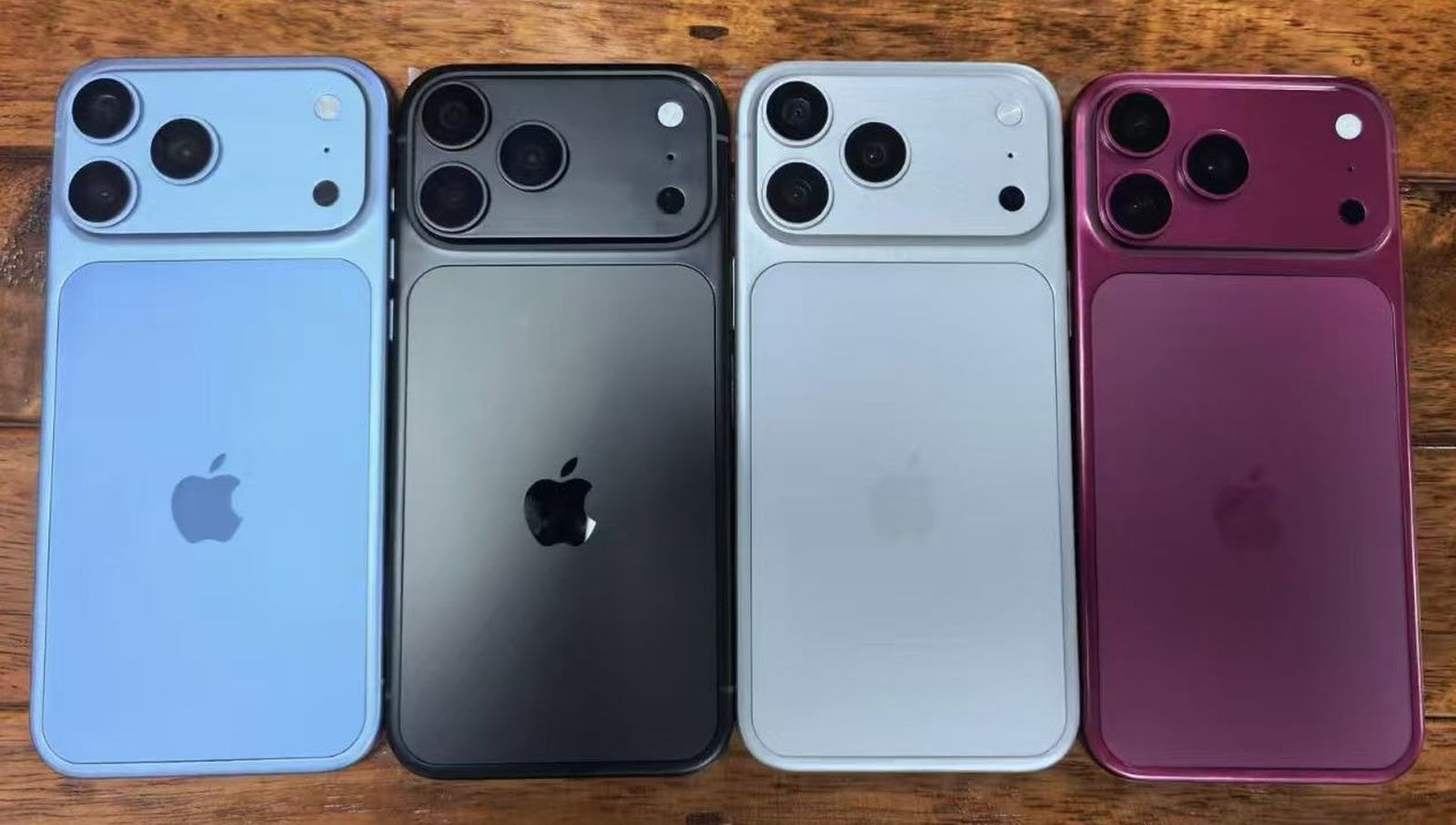
The visual identity of Apple’s next-generation flagship smartphones has come into clearer focus following the release of high-quality images featuring iPhone 18 Pro dummy models. Shared by noted hardware leaker Sonny Dickson, the images provide the first physical representation of the rumored four-color palette for the iPhone 18 Pro and iPhone 18 Pro Max. These models, which are traditionally used by accessory manufacturers to prepare cases and screen protectors ahead of a device’s launch, suggest that Apple is moving toward a more sophisticated, moody aesthetic for its 2026 Pro lineup. The leaked images confirm the inclusion of Light Blue, Black, Silver, and a highly anticipated new "hero" color: Dark Cherry.
The Shift in Color Strategy: From Cosmic Orange to Dark Cherry
According to Dickson’s insights, the Dark Cherry finish is poised to be the standout success of the upcoming generation. This follows the market trajectory of the iPhone 17 Pro’s "Cosmic Orange," which served as the signature color for the previous year and saw significant consumer adoption. While Cosmic Orange was characterized by its vibrancy and high-visibility metallic sheen, Dark Cherry represents a return to the deeper, more understated tones that Apple has historically favored for its "Pro" tier.
The Dark Cherry finish is described as a complex, multi-tonal shade. Early reports from industry insiders, including Bloomberg’s Mark Gurman and the leaker known as "Instant Digital," suggest the color is a sophisticated blend of burgundy, deep purple, and coffee undertones. This specific hue is intended to provide a premium, wine-like appearance that shifts depending on the angle of light hitting the device’s matte glass back. The decision to pursue this specific shade is reportedly influenced by broader industry trends; several major Android manufacturers have been prototyping similar deep red and plum finishes, prompting Apple to finalize its own version to remain competitive in the high-end aesthetic market.
Chronology of the iPhone 18 Pro Color Rumors
The evolution of the iPhone 18 Pro color rumors has been remarkably consistent over the first half of 2026. The timeline below illustrates how the narrative surrounding the device’s appearance has solidified:
- February 2026: Mark Gurman of Bloomberg reported that Apple was in the early testing phases of a "deep red" finish for the iPhone 18 Pro series. At this stage, it was unclear if the color would be a vibrant (PRODUCT)RED style or something more muted.
- April 2026: Macworld provided more granular details, identifying the color as "Dark Cherry." This report was the first to suggest that the shade would be significantly more muted than previous experimental colors and would lean into a "dark wine" aesthetic.
- Late April 2026: The leaker "Instant Digital," who previously accurately predicted the yellow iPhone 14, corroborated the Dark Cherry name and provided the "burgundy and coffee" description, noting that it would replace Cosmic Orange in the lineup.
- May 8, 2026: Internal Pantone codes leaked, giving the first technical look at the four-color lineup: Light Blue (Pantone 2121), Dark Cherry (Pantone 6076), Dark Gray (Pantone 426C), and Silver (Pantone 427C).
- May 29, 2026: Sonny Dickson shared physical dummy models, marking the transition from theoretical renders and text-based leaks to physical, real-world evidence of the design direction.
Technical Specifications: Pantone Codes and Material Science
The use of specific Pantone codes provides a rare glimpse into Apple’s manufacturing standards. The selection of Pantone 6076 for Dark Cherry suggests a color that is deeply saturated but low in brightness, ensuring it maintains a professional appearance. The Light Blue (Pantone 2121) is described as being reminiscent of the "Mist Blue" found on the standard iPhone 17, but with a refined finish suitable for the Pro’s titanium or high-grade aluminum frame.
The Silver (Pantone 427C) and Black (often referred to as Space Black or Dark Gray, Pantone 426C) remain staples of the lineup. These colors are essential for corporate and enterprise users who prefer a conservative look. However, the dummy models indicate that the "Black" for the iPhone 18 Pro may be slightly darker and more matte than the version seen on the iPhone 17 Pro, potentially to better hide fingerprints and surface oils.
Durability Concerns and the Aluminum Finish Debate
While the colors have generated excitement, the materials used to achieve them remain a point of contention. Reports from the Weibo-based leaker "Fixed Focus Digital" suggest that Apple intends to retain the anodized aluminum finish introduced with the iPhone 17 Pro. This decision comes despite a growing number of user complaints regarding the durability of the finish.
In the current iPhone 17 Pro generation, some users have reported "surface chipping" around the edges of the device and near the charging port. According to supply chain reports, Apple has largely categorized these issues as "cosmetic wear and tear," which is not covered under the standard one-year warranty or AppleCare+ unless accompanied by functional damage. The decision to stick with this finish for the iPhone 18 Pro suggests that Apple has either refined the anodization process to be more resilient or has determined that the aesthetic benefits of the matte aluminum finish outweigh the durability risks.
Display Innovations: Samsung and LG’s Role
Beyond the external casing, the iPhone 18 Pro is expected to feature significant upgrades to its display technology. Reports from The Elec indicate that Apple is finalizing OLED panel approvals this month, with Samsung Display and LG Display securing the bulk of the orders. The iPhone 18 Pro will likely utilize "LTPO+" (Low-Temperature Polycrystalline Oxide) technology, an evolution of the current variable refresh rate displays.
This "Plus" iteration of LTPO is rumored to offer even greater power efficiency, particularly when the screen is in "Always-On" mode or when displaying static content. Interestingly, China’s BOE has reportedly been excluded from the premium supply chain for the iPhone 18 Pro models due to quality control issues, despite providing panels for the standard iPhone 17. This leaves the high-end display market almost entirely in the hands of the two South Korean tech giants, ensuring a high level of consistency in color accuracy and brightness across the Pro lineup.
Design Refinements: The Shrinking Dynamic Island
Another significant design change highlighted in recent CAD (Computer-Aided Design) leaks is the modification of the Dynamic Island. Since its debut on the iPhone 14 Pro, the Dynamic Island has been a polarizing but functional part of the iPhone’s UI. For the iPhone 18 Pro, leaked CAD renders shared by @earlyappleleaks suggest that Apple has successfully shrunk the footprint of the Face ID sensors and the front-facing camera.
The new, smaller Dynamic Island is expected to provide more usable screen real estate in the status bar, allowing for more notification icons or system information to be displayed. This incremental reduction is seen as a stepping stone toward Apple’s long-term goal of placing all Face ID sensors and cameras under the display, creating a truly "all-screen" experience in future generations.
Broader Implications and Market Positioning
The launch of the iPhone 18 Pro and Pro Max in the fall of 2026 will occur in a unique market context. For the first time, Apple is expected to announce its standard flagship lineup alongside its first-ever foldable iPhone. This creates a complex hierarchy within Apple’s smartphone portfolio.
By introducing a sophisticated color like Dark Cherry and refining the Pro aesthetic, Apple is positioning the iPhone 18 Pro as the "refined professional choice," while the foldable model will likely target "early adopters and tech enthusiasts." The Pro models will need to rely on their superior camera systems, display quality, and classic durability to compete with the novelty of the foldable form factor.
Furthermore, the choice of colors like Dark Cherry and Light Blue reflects a broader trend in consumer electronics toward "lifestyle" branding. Smartphones are no longer just tools; they are fashion accessories. Apple’s meticulous selection of Pantone shades ensures that their devices remain "on-trend" with global fashion and interior design movements, which are currently seeing a resurgence in rich, earthy tones and "quiet luxury" aesthetics.
Conclusion and Expectations
The reveal of the iPhone 18 Pro dummy models marks the beginning of the final stretch before Apple’s traditional September or October launch event. While dummy models should always be viewed with a degree of caution—as the plastic and low-grade metal used in their construction cannot perfectly replicate the light-refracting properties of Apple’s production-grade glass and titanium—they provide a highly accurate preview of the device’s physical dimensions and color palette.
With the addition of Dark Cherry, the refinement of the Dynamic Island, and the move toward more efficient LTPO+ displays, the iPhone 18 Pro is shaping up to be a significant, if evolutionary, update to the world’s most popular premium smartphone. As the fall announcement approaches, the tech industry will be watching closely to see if these aesthetic gambles, particularly the bold Dark Cherry finish, will resonate with a consumer base that is increasingly looking for both style and substance in their mobile devices.