Apple 12th-Generation iPad Rumor Recap: Anticipated Specifications, Pricing Shifts, and the Path to 2027

Apple is currently deep in the development of its 12th-generation iPad, the latest iteration of its most popular and accessible tablet. While the entry-level iPad has historically served as the gateway for students, casual users, and budget-conscious consumers into the iOS ecosystem, the upcoming model represents a significant technological pivot. According to recent supply chain reports and industry analysis, Apple plans to update this affordable tablet in early 2027, moving away from previous expectations of a late 2026 release. Although the physical design is expected to remain largely unchanged, the internal hardware is poised for a generational leap, primarily driven by the requirements of the Apple Intelligence suite.
The Evolution of the Entry-Level iPad
To understand the positioning of the 12th-generation iPad, one must look at the trajectory of the base-model tablet over the last several years. For nearly a decade, the standard iPad retained a classic design characterized by a physical Home button and a 10.2-inch display. This changed in 2022 with the introduction of the 10th-generation model, which brought the device in line with the modern aesthetic of the iPad Air and iPad Pro. It introduced a 10.9-inch edge-to-edge display, a USB-C port, and moved the Touch ID sensor to the top power button.
The 11th-generation model, released in 2025, was a modest refinement. It utilized the A16 Bionic chip and increased the base storage, but it notably lacked the hardware requirements to support Apple’s emerging artificial intelligence features. As the 12th-generation model approaches, the primary goal for Apple is to unify its product line under the "Apple Intelligence" banner, ensuring that even its most affordable tablet can handle local AI processing.
Processing Power: Bridging the Gap for Apple Intelligence
The most substantial upgrade for the 12th-generation iPad will be its internal silicon. Rumors from within the supply chain suggest that Apple will skip several iterations of its A-series chips to land on either the A18 or the A19 processor. Both chips are built on a cutting-edge 3-nanometer process, which offers vastly superior power efficiency and thermal management compared to the 4-nanometer or 5-nanometer processes used in previous entry-level models.
The move to the A18 or A19 is not merely about raw speed; it is a necessity for software compatibility. The A16 chip found in the current 11th-generation iPad lacks the Neural Engine performance and memory bandwidth required for Apple Intelligence. By integrating a 3-nanometer chip, Apple will enable the 12th-generation iPad to support advanced features such as system-wide writing tools, image generation, and the revamped Siri with on-screen awareness.
Furthermore, these updated chips will introduce hardware-accelerated ray tracing to the budget iPad for the first time. This feature, previously reserved for the iPhone Pro and higher-end iPad models, significantly enhances the visual fidelity of gaming and professional rendering applications.
The RAM Requirement and Pricing Realities
For Apple Intelligence to function effectively, hardware must meet a specific memory threshold. The 11th-generation iPad currently operates with 6GB of RAM, which falls short of the 8GB minimum required for Apple’s local AI models. Consequently, the 12th-generation iPad is expected to feature 8GB of RAM as the new standard.
This hardware necessity coincides with a shift in Apple’s pricing strategy. In June 2026, Apple implemented a significant price increase across several product lines, including MacBooks and iPads. The current 11th-generation iPad saw its starting price rise to $449 for the 128GB model—a $100 increase from its predecessor’s launch price. Analysts attribute this hike to the rising costs of high-density RAM and advanced semiconductor fabrication.
Given that the 12th-generation model will require even more sophisticated components, industry experts do not anticipate a price reduction. The $449 price point is likely to remain the new baseline for the "affordable" iPad, positioning it more as a mid-range device than the sub-$350 budget option it once was.
Design and Display: Maintaining the Baseline
While the internals are undergoing a revolution, the exterior of the 12th-generation iPad is expected to remain familiar. Apple traditionally utilizes its chassis designs for several generations to maximize manufacturing efficiency and keep costs lower for the entry-level tier.
The device is expected to retain the 10.9-inch (often rounded to 11-inch) LED Retina display. Unlike the iPad Air or Pro, this display will likely remain unlaminated. An unlaminated display has a small air gap between the glass and the LCD panel, which makes the device slightly thicker (7mm) but significantly cheaper and easier to repair—a critical factor for the education market. Additionally, high-end features such as ProMotion (120Hz refresh rate) and P3 wide color gamut are expected to remain exclusive to the Air and Pro models to maintain product differentiation.
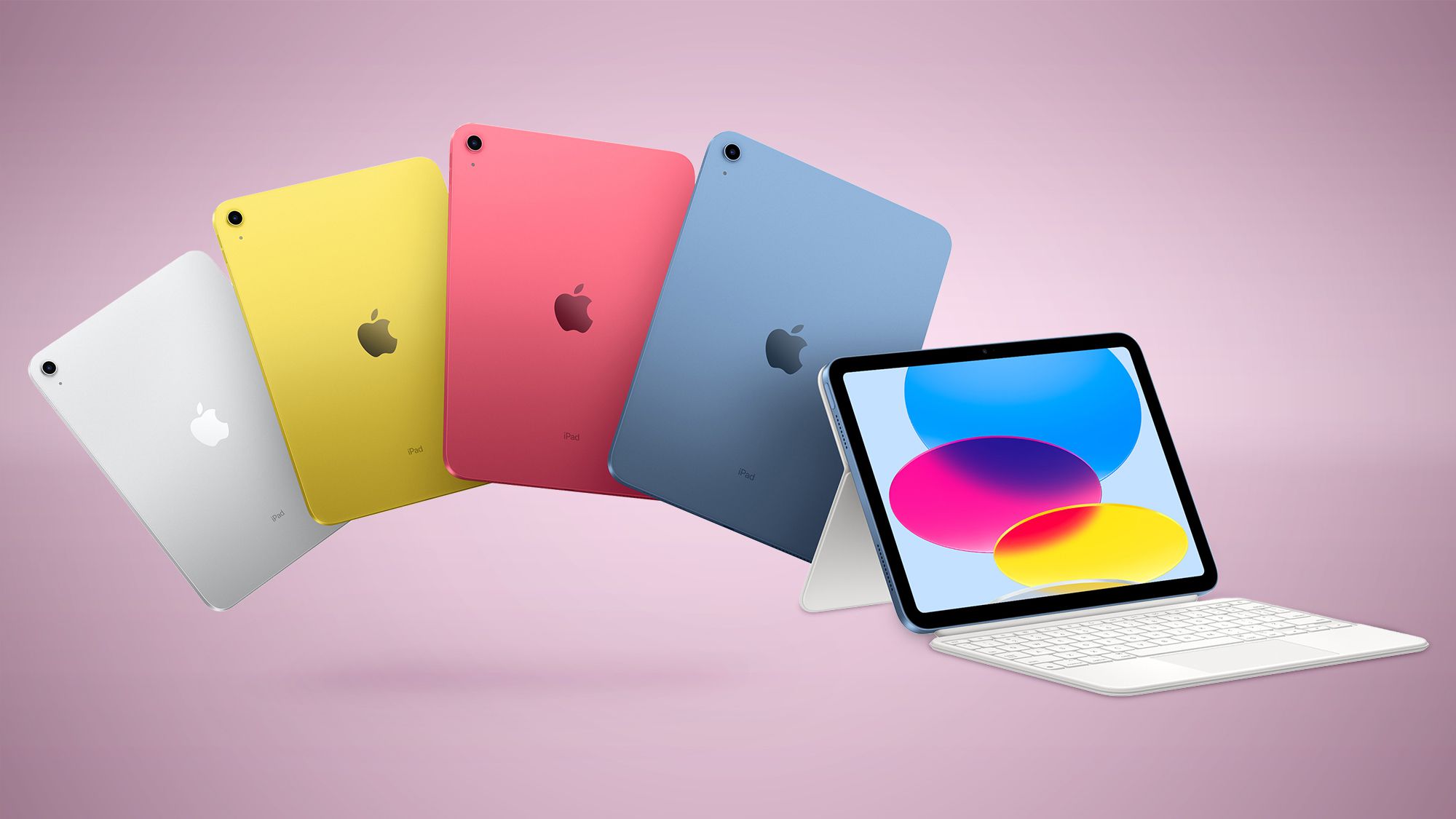
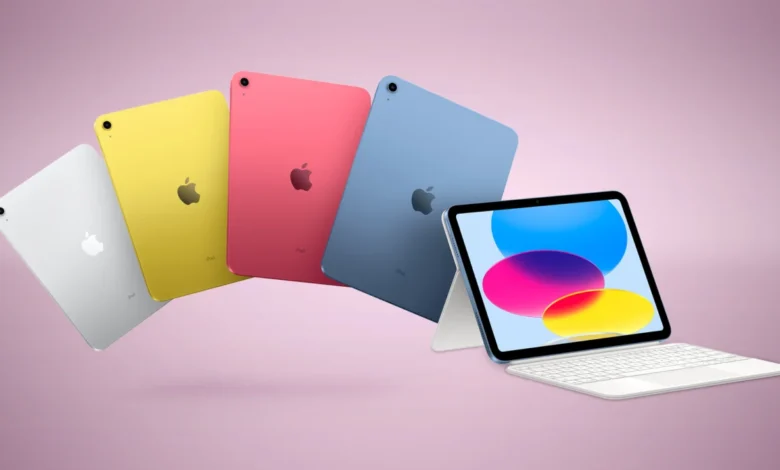
Apple may, however, refresh the color palette. The current lineup of blue, pink, silver, and yellow has been well-received, and 2027 may bring more muted or "pro-style" shades to align with the rest of the ecosystem. The physical layout, including the landscape-oriented front-facing camera and the USB-C port, will remain unchanged.
Connectivity: The N1 Chip and the Future of In-House Modems
One of the most intriguing rumors surrounding the 2026-2027 product cycle is Apple’s push toward wireless independence. Apple has been developing its own Wi-Fi and Bluetooth silicon, internally referred to as the "N1" chip. This chip debuted in the iPhone 17 and has since been integrated into the iPad Pro.
There is significant speculation regarding whether the 12th-generation iPad will receive the N1 chip. If included, it would bring Wi-Fi 7 and Bluetooth 6 support to the entry-level model. Wi-Fi 7 offers substantial improvements in latency and throughput by utilizing the 6GHz band, while Bluetooth 6 introduces better proximity sensing and connection stability. However, leaked internal code suggests Apple might reserve the N1 chip for premium tiers, potentially leaving the 12th-generation iPad with a third-party Wi-Fi 6E solution.
On the cellular front, the 12th-generation iPad is a prime candidate for Apple’s first-party 5G modems, known as the C1 and C1X. For years, Apple has relied on Qualcomm for its modem technology. Transitioning to an in-house modem would allow Apple to more tightly integrate cellular connectivity with its A-series processors, resulting in improved power efficiency and faster wake-to-connect times for cellular-enabled tablets.
Historical Context and Release Chronology
The release cadence of the entry-level iPad has become less predictable in recent years. Historically an annual update, the cycle has stretched as the tablet market matured.
- October 2022: 10th-generation iPad (Major redesign, A14 chip, USB-C).
- Late 2024 / Early 2025: 11th-generation iPad (Minor update, A16 chip).
- June 2026: Mid-cycle price adjustment and storage reconfiguration across the iPad line.
- Q1 2027 (Projected): 12th-generation iPad launch.
Initially, Bloomberg and other outlets suggested a 2026 refresh. However, shifting supply chain priorities and the complexity of integrating the 3nm chips into a lower-cost enclosure have pushed the expected launch window to the first quarter of 2027. This delay suggests that the 12th-generation iPad will be a more significant leap than a simple "spec bump."
Market Implications: Education and Enterprise
The $449 price point of the modern iPad creates a new dynamic for its two largest institutional buyers: schools and corporations. For the education sector, the iPad has long been the dominant alternative to the Chromebook. However, as the price moves further away from the $300 mark, school districts may face difficult budgetary decisions.
Apple’s counter-argument lies in the longevity and capability of the device. By equipping the 12th-generation iPad with an A18 or A19 chip and 8GB of RAM, Apple ensures that the device will remain performant for five to seven years of software updates. The inclusion of Apple Intelligence also positions the iPad as a tool for the "AI-literate" classroom, offering students built-in tools for research and content creation that older models cannot provide.
In the enterprise sector, the 12th-generation iPad is likely to become the standard-issue device for "deskless" workers. The potential inclusion of the N1 chip and Apple’s in-house modem would make it a more reliable tool for field work, logistics, and retail, where stable connectivity is paramount.
Final Analysis
The 12th-generation iPad represents a "closing of the loop" for Apple’s transition into the AI era. By 2027, every new device in Apple’s catalog—from the most expensive Mac Studio to the most affordable iPad—will likely support Apple Intelligence. This universal compatibility is essential for the company’s services growth, as it ensures that new software features have the widest possible install base.
For consumers, the decision to wait for the 12th-generation model depends largely on their need for AI features. While the 11th-generation model remains a capable tablet for media consumption and basic productivity, it is effectively a "legacy" device in terms of software evolution. Those seeking a future-proof investment will find the 2027 model a much more compelling option, provided they are willing to accept the higher $449 entry price that has become the new standard in the Apple ecosystem.