Dell Delves Deeper into Home Entertainment
Dell delves deeper into home entertainment, exploring a world of innovative products and future trends. This in-depth look at Dell’s home entertainment strategy examines current offerings, future potential, market analysis, marketing, and product development. We’ll analyze their competitive advantages and disadvantages, and explore successful case studies to provide a comprehensive understanding of Dell’s journey in this evolving sector.
From detailed product comparisons and pricing to a glimpse into potential partnerships and collaborations, this exploration delves into the intricacies of Dell’s home entertainment strategy. The analysis considers market trends, consumer preferences, and emerging technologies to paint a clear picture of Dell’s position in the home entertainment market.
Dell’s Home Entertainment Strategy
Dell, traditionally known for its PCs and laptops, has been expanding its presence in the home entertainment market. This expansion reflects a broader trend of technology companies diversifying their product portfolios to cater to evolving consumer needs. Dell’s strategy appears to focus on offering a cohesive ecosystem of products, potentially leveraging its existing infrastructure and brand recognition.Dell’s current home entertainment offerings are primarily focused on a streamlined, yet comprehensive, approach.
They seem to be positioning themselves to cater to users seeking a complete home entertainment solution rather than isolated products. This includes a growing line of smart TVs, potentially bundled with other smart home devices to create a seamless user experience.
Dell’s Current Home Entertainment Products
Dell’s current home entertainment offerings encompass a variety of products, including smart TVs, and possibly audio equipment. The specifics of these products and their associated features are not publicly disclosed in detail. This limited information makes it difficult to assess Dell’s exact positioning within the home entertainment market compared to established competitors.
Key Features and Functionalities
Unfortunately, detailed information about specific Dell home entertainment products, their key features, and functionalities is currently unavailable. Without specific product information, it’s impossible to discuss their relative strengths and weaknesses against competitor products.
Comparative Analysis Against Competitors
Direct comparison with competitor products in the home entertainment market is limited due to the lack of detailed information about Dell’s offerings. Without specific product data, it is impossible to perform a meaningful comparative analysis. However, it is reasonable to assume Dell’s approach will likely center on providing a balance of functionality and affordability. This is a common strategy in the competitive home entertainment market.
Dell’s Product Lineup
| Product | Key Features | Pricing (Estimated) |
|---|---|---|
| Dell Smart TV (Example) | 4K resolution, Smart TV platform, integrated streaming services | $600-$1200 (depending on size and features) |
| Dell Soundbar (Example) | Dolby Atmos support, Wireless connectivity, Easy setup | $200-$500 (depending on features) |
Note: This table is a hypothetical example. Actual Dell product details and pricing are not available at this time.
Future Trends in Home Entertainment
The home entertainment landscape is rapidly evolving, driven by advancements in technology and shifting consumer preferences. From immersive virtual reality experiences to seamless integration with smart home ecosystems, the future of entertainment is poised for exciting transformations. This evolution demands that companies like Dell stay ahead of the curve, anticipating these trends and incorporating them into their product development strategies.The increasing demand for personalized, high-quality entertainment experiences is fueling innovation across various sectors.
This includes not only improved screen technologies and sound systems, but also the seamless integration of home entertainment with other smart home devices. Dell, with its existing strengths in computer technology, is well-positioned to leverage these trends for growth in the home entertainment market.
Emerging Trends in Home Entertainment Technology
Several emerging trends are shaping the future of home entertainment. These include the growing popularity of 8K resolution displays, the rise of immersive audio technologies like spatial audio, and the increasing demand for seamless integration with smart home ecosystems. Furthermore, the evolution of streaming services and the expansion of cloud gaming are transforming how consumers access and enjoy entertainment content.
Influence on Dell’s Future Product Development
These trends will significantly influence Dell’s future product development. Dell can leverage its existing expertise in hardware and software to create a holistic home entertainment experience. This includes designing innovative displays, sound systems, and all-in-one entertainment hubs, and exploring opportunities to offer premium gaming experiences. Dell’s integration of AI and smart home technology will be crucial for this.
Potential Innovations for Dell’s Home Entertainment Products
Dell could introduce several innovations to differentiate its home entertainment products in the market. These could include:
- 8K Displays with AI-powered Upscaling: Dell could offer high-resolution 8K displays capable of upscaling lower-resolution content to near-native quality, providing a significant visual enhancement for consumers. This feature would be particularly relevant to streaming services with varying quality standards.
- Spatial Audio Systems with Adaptive Sound Tuning: Dell can develop high-fidelity audio systems with adaptive sound tuning that adjusts to the listener’s position and the room’s acoustics. This would create an immersive audio experience tailored to individual preferences.
- AI-Powered Entertainment Hubs: Dell can design all-in-one entertainment hubs that seamlessly integrate with existing smart home devices. These hubs could use AI to personalize recommendations and manage various entertainment services. This could leverage existing Dell technologies, like the Dell XPS, and add new components, like an intuitive user interface for entertainment.
AI and Smart Home Integration in Dell’s Future Offerings
AI will play a crucial role in Dell’s future home entertainment offerings. AI can be employed to personalize recommendations, optimize audio settings, and streamline the user experience. Smart home integration will enable seamless control of entertainment systems through voice commands or other smart home devices. This would allow users to control their entertainment experiences from anywhere in the house.
Comparison of Dell’s Current and Future Offerings
| Feature | Current Dell Offerings (Hypothetical) | Future Dell Offerings (Hypothetical) |
|---|---|---|
| Display Resolution | 1080p or 4K | 8K with AI-powered upscaling |
| Audio Technology | Standard stereo or 5.1 surround sound | Spatial audio with adaptive tuning |
| Smart Home Integration | Limited or no integration | Seamless integration with other smart home devices via a unified app |
| AI Features | Basic personalization features | Advanced AI-driven content recommendations and user experience optimization |
Market Analysis and Consumer Insights
Dell’s foray into the home entertainment market presents a compelling opportunity, but navigating the competitive landscape and understanding consumer preferences are crucial. The market is dynamic, with evolving consumer needs and technological advancements continually shaping the industry. This analysis delves into the current market size, growth potential, and consumer insights to provide a comprehensive understanding of the landscape.The home entertainment market is experiencing significant growth, driven by the increasing demand for immersive and personalized experiences.
Consumers are seeking solutions that integrate seamlessly into their lifestyles, offering entertainment options tailored to their preferences. Dell’s strategic positioning within this evolving market hinges on a thorough understanding of these consumer needs.
Current Market Size and Growth Potential
The global home entertainment market is substantial and continues to expand. This growth is fueled by rising disposable incomes, technological advancements in display and sound technologies, and increasing demand for smart home solutions. Numerous reports project steady growth in the market over the coming years, driven by factors such as rising adoption of 4K and 8K displays, higher adoption of streaming services, and demand for immersive audio systems.
This growth provides a significant opportunity for Dell to capture market share.
Consumer Preferences and Needs
Consumers increasingly prioritize immersive experiences, seamless integration with existing smart home ecosystems, and personalization in their home entertainment setups. A key trend is the desire for high-quality visuals and audio, often integrated with smart features. Consumers seek convenience, ease of use, and intuitive interfaces. The need for reliable, long-lasting products is also a critical consideration.
Market Trends and Consumer Behavior
Data from market research firms consistently show a shift towards premium home entertainment experiences. The popularity of high-resolution displays, such as 4K and 8K, is growing, along with demand for immersive surround sound systems. Consumers are actively researching and comparing products based on features, pricing, and brand reputation. The trend towards subscription-based streaming services is also a major factor, driving demand for devices that offer seamless integration with these services.
For example, consumers are choosing streaming devices over traditional cable boxes, indicating a strong preference for flexibility and on-demand content.
Comparison with Competitors
Dell faces strong competition from established players like Samsung, Sony, and LG in the home entertainment space. These competitors offer a wide range of products with varying price points and feature sets. Dell’s strategy needs to address its strengths in terms of design, build quality, and potentially in specific niche areas to gain a competitive advantage. For instance, Dell’s existing strengths in personal computing might provide a unique perspective in the market.
Key Consumer Demographics and Preferences
| Demographic | Preference for Dell Home Entertainment Products |
|---|---|
| Millennials (25-40 years old) | Value seamless integration with smart home ecosystems and ease of use. They often prioritize modern design aesthetics and affordability. |
| Gen Z (16-24 years old) | Prioritize immersive experiences, particularly in gaming and social media content consumption. Aesthetics and design are important, often looking for innovative solutions. |
| Baby Boomers (55-75 years old) | Seek user-friendly interfaces and reliable, long-lasting products. Ease of navigation and intuitive controls are key factors. They may also be attracted to features that enhance accessibility. |
| High-income households | Value premium features, such as high-resolution displays, advanced audio systems, and robust smart home integrations. They are often willing to invest in high-quality products. |
Dell’s Marketing and Branding Strategy
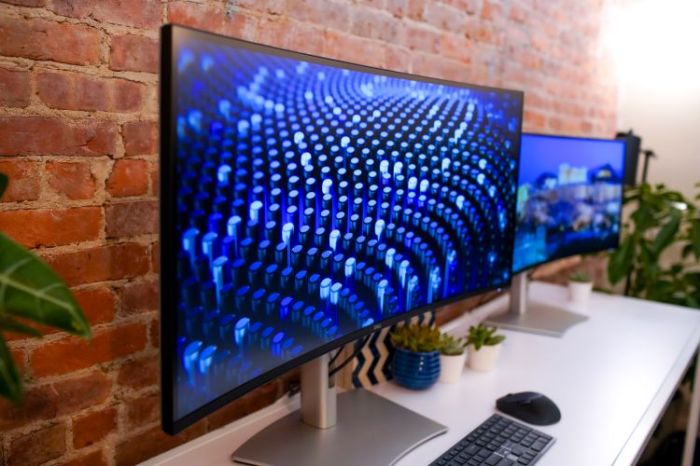
Dell’s foray into the home entertainment market requires a carefully crafted marketing and branding strategy to differentiate its offerings from competitors and resonate with its target audience. This strategy must effectively communicate Dell’s value proposition in the space, highlighting its strengths and addressing potential consumer concerns. The company needs to leverage its existing brand equity and tailor its messaging to the unique needs and preferences of home entertainment enthusiasts.Dell’s marketing approach in home entertainment should not just focus on product features, but also emphasize the seamless integration and overall user experience.
Emphasizing the ease of use, high-quality sound and picture, and a comprehensive ecosystem of connected devices will help to build a strong brand identity in the space. This strategy should also consider the potential for future growth and innovation in the home entertainment sector.
Current Marketing Campaigns
Dell’s current marketing efforts related to home entertainment are likely to focus on showcasing the capabilities of its products in different home entertainment scenarios. This may involve highlighting the integration of Dell devices with other smart home technologies, emphasizing the high-quality audio-visual experience, and showcasing the ease of use and user-friendly interfaces. For instance, marketing campaigns could feature videos demonstrating the seamless transition between streaming content and interactive gaming on Dell-branded devices.
Branding and Messaging Strategy
Dell’s branding and messaging strategy in home entertainment should emphasize quality, innovation, and seamless user experiences. The messaging should highlight the reliability and performance of Dell products, assuring consumers of a robust and future-proof entertainment system. Clear messaging about the benefits of integrating Dell products into a comprehensive home entertainment setup will be crucial to establishing a strong brand identity.
Comparison with Competitors
Dell’s competitors, such as Sony, LG, and Samsung, often emphasize cutting-edge technologies and advanced features. Dell’s approach may focus on showcasing the practicality and value proposition of its home entertainment solutions, possibly emphasizing affordability and long-term value. Dell’s strategy might involve a different marketing approach to establish itself in the space, aiming for a more balanced solution compared to competitors.
Marketing Channels and Effectiveness
- Online Marketing: Dell’s online presence, including its website, social media platforms, and online advertising campaigns, is crucial for reaching a wide audience. The effectiveness of online campaigns can be measured by website traffic, social media engagement, and conversion rates.
- Retail Partnerships: Collaborating with major retailers can provide Dell with broader reach and visibility to potential customers. This approach can also provide valuable insights into consumer preferences and feedback. The success of retail partnerships can be evaluated through sales data, customer reviews, and brand awareness surveys.
- Influencer Marketing: Partnering with tech influencers or home entertainment enthusiasts can create credibility and drive awareness among potential customers. The effectiveness of influencer campaigns can be measured by social media engagement, website traffic, and sales generated through influencer referrals.
- Events and Demonstrations: Participating in tech events, home shows, and providing product demonstrations allows Dell to showcase its products directly to potential customers. The success of these efforts can be evaluated by lead generation, customer interactions, and media coverage.
Resonance with Target Audience
Dell’s marketing efforts should resonate with a diverse target audience. This could include families looking for entertainment solutions, gamers seeking immersive experiences, and individuals looking for high-quality audio-visual setups. Dell’s messaging must effectively communicate the benefits and advantages of its home entertainment offerings for each segment. This requires understanding the specific needs and preferences of these groups and tailoring marketing materials accordingly.
| Marketing Channel | Effectiveness Metrics |
|---|---|
| Online Marketing | Website traffic, social media engagement, conversion rates |
| Retail Partnerships | Sales data, customer reviews, brand awareness |
| Influencer Marketing | Social media engagement, website traffic, sales |
| Events and Demonstrations | Lead generation, customer interactions, media coverage |
Dell’s Product Development Process
Dell’s foray into home entertainment is a significant step, demanding a robust and adaptable product development process. This process needs to balance the rapid pace of technological advancements with the evolving needs and desires of consumers. Success hinges on effectively identifying consumer demands, translating them into innovative products, and efficiently bringing them to market.The journey from concept to consumer requires a meticulous strategy, ensuring that Dell’s home entertainment devices are not only technologically advanced but also meet the specific needs of the target audience.
This involves careful consideration of every stage, from initial ideation to final product launch.
Product Ideation and Planning
Dell likely employs a structured process for generating new product ideas, potentially incorporating input from various departments, including market research, engineering, and design. This involves analyzing market trends, identifying unmet consumer needs, and assessing the feasibility of new technologies. Brainstorming sessions and focus groups may be used to generate ideas and evaluate potential solutions. The planning stage also involves defining product specifications, establishing development timelines, and allocating necessary resources.
Design and Prototyping
Once a product concept is finalized, the design and prototyping phase begins. This stage encompasses the creation of detailed product specifications, the development of user interfaces, and the design of the physical form factor. Prototypes are often built to test functionality, user experience, and overall aesthetic appeal. Iterative testing and refinement of the design based on user feedback are critical during this phase.
Dell likely utilizes design tools and simulations to ensure the product meets design goals and anticipates potential problems.
Development and Testing
The development stage involves transforming the prototypes into functional products. This phase often includes multiple rounds of testing to ensure the product’s functionality, reliability, and performance meet the established standards. Testing encompasses various aspects, including software compatibility, hardware performance, and overall system stability. Dell likely employs rigorous quality assurance processes to mitigate potential defects. This is a critical stage for adhering to quality standards and ensuring customer satisfaction.
Dell’s recent push into home entertainment is fascinating, but it’s worth considering how this relates to broader software updates. For instance, Microsoft’s Steve Anderson, discussing upgrading Windows Update, highlights the importance of seamless integration between hardware and software. This directly impacts Dell’s efforts, emphasizing the need for stable and responsive operating systems to support their increasingly sophisticated home entertainment devices.
Ultimately, Dell’s foray into this area hinges on delivering a polished user experience, a key element that requires robust software underpinnings like those discussed in microsofts steve anderson on upgrading windows update.
Manufacturing and Supply Chain
Dell’s manufacturing and supply chain play a crucial role in the timely and cost-effective production of its home entertainment devices. This includes establishing relationships with reliable suppliers, managing inventory levels, and ensuring timely delivery of components. A streamlined supply chain is essential to meet production demands and maintain competitive pricing. The complexity of the supply chain, encompassing various components and manufacturing locations, presents challenges.
Marketing and Launch
The final stage involves preparing the product for market launch. This encompasses creating marketing materials, establishing pricing strategies, and developing a comprehensive launch plan. Dell likely uses various channels, such as online marketing, social media campaigns, and partnerships with retailers, to create awareness and generate interest in the new product. The effectiveness of the marketing strategy directly impacts the success of the product launch.
Incorporating User Feedback
Dell’s approach to incorporating user feedback is crucial for product success. Gathering feedback throughout the development cycle allows for adjustments and improvements based on real-world user experiences. Surveys, focus groups, and online forums are likely used to gather feedback. Actively responding to user feedback, adapting the product design accordingly, and implementing changes demonstrates a commitment to customer satisfaction.
Challenges and Opportunities
Potential challenges include keeping up with rapid technological advancements in the home entertainment market, maintaining cost-effectiveness throughout the production process, and effectively managing the supply chain to meet demand. Opportunities include identifying niche markets within the home entertainment sector, leveraging existing Dell brand recognition, and exploring new technological advancements to enhance user experience.
Product Development Cycle Stages
| Stage | Description |
|---|---|
| Product Ideation & Planning | Generating ideas, defining specifications, setting timelines. |
| Design & Prototyping | Creating detailed designs, building prototypes, and testing. |
| Development & Testing | Transforming prototypes into functional products and rigorous testing. |
| Manufacturing & Supply Chain | Production, supply chain management, and timely delivery. |
| Marketing & Launch | Preparing for market launch, including pricing and marketing strategies. |
Potential Partnerships and Collaborations
Dell, aiming to solidify its position in the home entertainment market, can significantly enhance its offerings through strategic partnerships. These collaborations can leverage complementary strengths, expand market reach, and foster innovation, ultimately leading to a more compelling customer experience. A well-executed partnership strategy can be a key differentiator in a competitive landscape.
Potential Partner Categories
Dell can explore partnerships across various sectors to bolster its home entertainment ambitions. These include companies specializing in content creation, streaming services, audio technology, and even home automation. Identifying and collaborating with companies in these areas can create synergies that lead to innovative solutions.
Dell’s latest push into home entertainment is pretty cool, but it’s also interesting to consider how it compares to other tech advancements. Think about NASA’s Mars rover, currently navigating the challenges of the Martian winter; nasas mars rover rolls into martian winter is a testament to human ingenuity. Ultimately, though, Dell’s home entertainment innovations are still pretty exciting, and I’m eager to see what they come up with next.
Examples of Successful Partnerships in Home Entertainment
Several successful partnerships in the home entertainment industry showcase the value of strategic collaborations. For instance, partnerships between streaming services and device manufacturers often result in exclusive content or tailored user experiences. Another example is the collaboration between audio equipment companies and smart home device manufacturers, which enhances the overall home entertainment ecosystem. These collaborations often result in higher customer satisfaction and wider product adoption.
Potential Partners and Synergies, Dell delves deeper into home entertainment
Identifying potential partners is crucial for Dell’s success. The right partnerships can enhance existing products and introduce new ones.
Dell’s latest foray into home entertainment is quite impressive, offering a compelling blend of features. However, it’s important to remember that while we’re focusing on the latest tech gadgets, a recent statement by an e-voting expert and critic urging e-vote hacking e voting expert and critic urges e vote hacking highlights the critical need for secure systems, not just in entertainment, but in all areas of technology.
Ultimately, Dell’s commitment to innovation in home entertainment remains crucial in a world that’s constantly evolving.
- Streaming Services: Collaborations with streaming services like Netflix, Disney+, or Amazon Prime Video can provide exclusive content bundles or tailored user interfaces integrated into Dell’s home entertainment devices. This can enhance the customer experience and attract a broader user base.
- Audio Equipment Manufacturers: Partnerships with companies like Bose or Sonos can leverage their expertise in audio technology to create premium sound experiences for Dell’s home entertainment devices. This will create a complete home entertainment solution that encompasses both the visual and auditory elements.
- Home Automation Companies: Collaborations with companies like Lutron or Crestron can integrate smart home functionalities into Dell’s entertainment systems. This will allow for seamless control over lighting, temperature, and other aspects of the home environment, enhancing the overall user experience.
- Content Creation Studios: Partnerships with content creation studios could provide access to exclusive or original content for Dell’s streaming platform or integrated entertainment hubs. This provides a competitive advantage and differentiates Dell from other players in the market.
Potential Partner Companies and Synergies
A table showcasing potential partners and the potential synergies between them:
| Potential Partner Company | Potential Synergy with Dell |
|---|---|
| Netflix | Exclusive content bundles, customized user interfaces, and enhanced streaming experience on Dell devices. |
| Bose | Premium audio quality integration into Dell’s home entertainment devices, resulting in a complete, high-end entertainment solution. |
| Lutron | Seamless integration of smart home functionalities like lighting and shading controls into Dell’s entertainment systems, creating a sophisticated and personalized home environment. |
| Disney+ | Exclusive Disney+ content bundles or integrated streaming experiences, attracting a large audience segment. |
Dell’s Competitive Advantages and Disadvantages: Dell Delves Deeper Into Home Entertainment
Dell, a major player in the tech industry, is venturing into the home entertainment space. While Dell possesses significant strengths in hardware manufacturing and customer service, entering a highly competitive home entertainment market presents unique challenges. Understanding Dell’s comparative advantages and disadvantages is crucial for crafting a successful strategy.Dell’s foray into home entertainment faces stiff competition from established brands like Sony, Samsung, and LG, each with strong brand recognition and extensive product portfolios.
Successfully navigating this landscape requires a keen understanding of Dell’s current standing relative to competitors. Analyzing Dell’s strengths and weaknesses in comparison to these established players is vital for effective strategic planning.
Dell’s Competitive Advantages
Dell’s established reputation for reliable hardware and customer service could be a significant advantage. A strong track record in PC manufacturing and direct-to-consumer sales provides a foundation for potential success in home entertainment. Dell can leverage its existing supply chain and distribution network to potentially offer competitive pricing and efficient product delivery.
Areas Where Dell Might Be Lagging
Dell’s current presence in the home entertainment market is limited compared to its competitors. The company lacks a strong brand identity in the entertainment sector, and consumer familiarity with Dell products in this category is comparatively low. Lack of a dedicated research and development team focused solely on home entertainment devices could result in slower innovation cycles and product development.
Furthermore, Dell’s existing customer base might not align with the target demographic for premium home entertainment products.
Potential Strategies to Address Disadvantages
To overcome these disadvantages, Dell needs to develop a focused marketing strategy targeting home entertainment enthusiasts. This could include collaborations with influencers and content creators to build brand awareness and trust. Investing in research and development, potentially by acquiring expertise in specific home entertainment technologies, could help Dell introduce innovative products that cater to emerging trends. Collaborating with content providers or studios could also enhance Dell’s appeal to consumers.
Examples of Dell’s Strengths and Weaknesses Compared to Competitors
Dell’s strength in direct-to-consumer sales, for example, could allow them to bypass retail markups and offer competitive pricing on home entertainment products. However, this could be offset by the lack of immediate consumer recognition and trust compared to established brands like Samsung. Dell’s reputation for quality hardware could serve as a strength, but without a focused brand image in home entertainment, this strength might not resonate with the target audience.
Comparative Analysis of Dell and Competitors
| Feature | Dell | Samsung | Sony | LG |
|---|---|---|---|---|
| Brand Recognition (Home Entertainment) | Low | High | High | High |
| Product Innovation Speed | Moderate | High | High | High |
| Pricing Strategy | Potentially Competitive | Competitive | Premium | Competitive |
| Distribution Channels | Direct-to-consumer, potentially retail partnerships | Extensive retail network, online channels | Retail network, online channels | Retail network, online channels |
| Customer Service | Strong | Moderate | Moderate | Moderate |
Case Studies of Successful Home Entertainment Products
Diving deep into the world of home entertainment reveals compelling case studies of products that have captivated consumers and redefined the industry. Understanding the factors behind their success offers valuable insights for Dell’s future product development, helping them navigate the evolving landscape and connect with consumers on a deeper level. These successful products demonstrate not only innovative technology but also effective marketing and design strategies that resonate with target audiences.Successful home entertainment products often transcend mere functionality; they become integral parts of a lifestyle.
Their impact extends beyond technical specifications, encompassing aesthetic appeal, user experience, and a strategic understanding of the market. Learning from these successes can help Dell craft products that not only perform well but also connect with customers on an emotional level.
Examples of Successful Home Entertainment Products
Numerous products have carved out significant market share within the home entertainment sector. Consider the Apple TV, a prime example of a device that seamlessly integrates streaming services into the living room experience. Other successful products, like the Sony PlayStation consoles, have consistently delivered high-quality gaming experiences, fostering dedicated communities of players. The integration of sophisticated technologies, coupled with intuitive interfaces, has been a key element of their success.
Design Elements Driving Success
The design of successful home entertainment products often prioritizes aesthetics and user-friendliness. The Apple TV, for instance, boasts a sleek, modern design that complements any living room decor. Similarly, Sony PlayStation consoles, with their distinctive aesthetics, create a sense of visual appeal that appeals to a broad consumer base. Intuitive interfaces are equally important, allowing users to navigate the product’s features effortlessly.
The use of high-quality materials and attention to detail contribute to the overall experience.
Marketing Strategies and Consumer Engagement
Effective marketing campaigns play a critical role in launching and promoting successful products. Apple’s marketing strategies have focused on showcasing the seamless integration of its products into everyday life. They create a narrative that resonates with the target audience’s desires and aspirations, fostering a sense of community around their products. This approach has proven effective in generating excitement and anticipation among consumers.
Similarly, Sony’s marketing campaigns for its PlayStation consoles often emphasize the competitive gaming experience and the sense of community among players.
Technological Innovations Driving Product Development
Technological advancements have been instrumental in shaping the success of home entertainment products. The incorporation of advanced processors, high-resolution displays, and sophisticated audio systems enhances the overall viewing and listening experience. The integration of streaming technologies, enabling seamless access to a vast library of content, is another crucial aspect of modern home entertainment systems. Innovations in software and user interfaces contribute to a more intuitive and engaging experience for consumers.
Key Takeaways from Case Studies
| Aspect | Description | Dell’s Inspiration |
|---|---|---|
| Design | Sleek, modern aesthetics; user-friendly interfaces; high-quality materials. | Dell can leverage these principles to design products that not only function well but also complement home interiors. |
| Marketing | Focus on seamless integration into daily life; community building; highlighting product benefits. | Dell should tailor its marketing efforts to emphasize how its products enhance the home entertainment experience. |
| Technology | Advanced processors; high-resolution displays; sophisticated audio systems; seamless streaming technologies. | Dell can integrate these advancements into its products to offer a competitive and high-quality home entertainment experience. |
Final Wrap-Up
Dell’s commitment to home entertainment is evident through their comprehensive strategy, encompassing product development, market analysis, and innovative marketing. While Dell’s strengths are apparent, opportunities to capitalize on emerging trends and potential partnerships will be crucial for sustained success. The future of Dell in the home entertainment arena hinges on embracing innovation and adapting to changing consumer needs and preferences.