From Viral Videos to Feature Films: Caleb Hearon and Zooey Deschanel Share Industry Insights at the Toronto International Film Festival

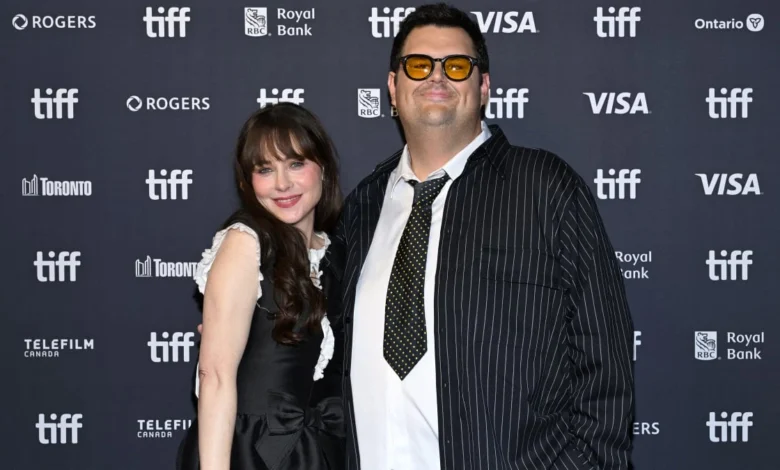
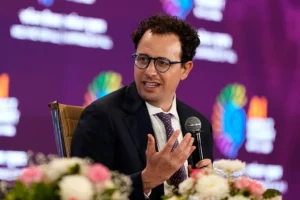
The transformation of digital creators into traditional cinematic talent took center stage at the Toronto International Film Festival (TIFF) this week, drawing significant attention from industry professionals, digital creators, and cinema enthusiasts alike. During a high-profile panel discussion titled For You Feed to Feature Film, entertainment figures Caleb Hearon and Zooey Deschanel offered candid advice regarding the navigation of the modern entertainment landscape. Moderated by Jenny Kim, TikTok’s Global Entertainment Partnerships Lead, the session explored the evolving paradigm of crossing over from online content creation to the big screen, a trajectory that is rapidly reshaping how studios scout and develop new talent.
The panel served as a focal point for broader discussions happening across the global film industry regarding the democratization of media, the changing nature of celebrity, and the economic realities faced by contemporary artists. Both panelists bring distinct perspectives to the conversation: Deschanel is a veteran actor and musician whose career spans decades of traditional Hollywood production, while Hearon represents a new wave of multi-hyphenate creators who have leveraged social media platforms to build substantial audiences before successfully breaking into feature filmmaking. Together, they discussed the challenges, systemic barriers, and strategic imperatives facing creators who aim to bridge the gap between digital platforms and traditional cinematic distribution.
Background Context of the Event and Industry Shift
The Toronto International Film Festival, widely recognized as one of the most prestigious film showcases in the world, has increasingly integrated discussions regarding digital media, streaming, and content creation into its official programming. Historically focused on independent cinema and high-profile Hollywood premieres, TIFF’s pivot toward examining the internet-to-film pipeline reflects a fundamental shift in how intellectual property and talent are cultivated.
In recent years, traditional studios and production companies have faced declining box office predictability and changing consumer viewing habits, particularly among younger demographics who spend the majority of their media consumption hours on platforms like TikTok, YouTube, and Instagram. Consequently, executives are looking directly to digital creators—individuals who have already proven their ability to capture and retain audience attention without multimillion-dollar marketing budgets.
However, this transition is rarely straightforward. Creators attempting to enter the traditional film industry frequently encounter skepticism from legacy gatekeepers who question whether short-form digital content translates to feature-length narrative discipline. The For You Feed to Feature Film panel was designed to address these exact friction points, offering attendees a masterclass in navigating institutional resistance, retaining creative control, and managing the financial realities of modern entertainment careers.
Collaboration and Creative Genesis: Trash Mountain
A central topic of discussion during the panel was the genesis of Trash Mountain, a new feature film that pairs Hearon and Deschanel on screen. The film, which has already generated considerable buzz at the festival, represents the kind of hybrid casting strategy that modern studios are increasingly willing to back—pairing established Hollywood marquee value with fresh, digitally native talent.
Hearon, who co-wrote the screenplay alongside Ruby Caster, spoke extensively about the collaborative process behind the project. For digital creators, the leap to feature filmmaking often requires convincing financiers that they possess not only on-camera charisma but also the rigorous storytelling capabilities demanded by a feature-length script. Trash Mountain acts as a case study for this transition, demonstrating how creators can utilize their distinct comedic voices and acute cultural observations to construct cohesive cinematic narratives.
Industry observers note that projects like Trash Mountain are becoming vital testing grounds for a new business model in Hollywood. By leveraging the built-in audiences of writers and stars like Hearon, production companies can mitigate some of the financial risks traditionally associated with independent filmmaking. At the same time, the involvement of established industry veterans like Deschanel provides a bridge to broader demographic markets that might not otherwise engage with digitally native talent.
Challenging Industry Gatekeepers and Institutional Limitations
Throughout the panel, the conversation frequently turned to the structural challenges of building a sustainable creative career across multiple mediums. Deschanel drew upon her extensive experience in both film and music to address the persistent issue of institutional pigeonholing. She recalled the early days of her music career when industry executives attempted to limit her creative output, arguing that her established identity as an actor precluded her from being taken seriously as a musician.
Deschanel’s advice to creators facing similar resistance was direct and uncompromising: refuse to wait for institutional permission. She emphasized that creators must take the initiative to produce their own work rather than relying on traditional validation systems. "How about you just be the person that does it first," she remarked to the audience, expressing her fundamental belief that individuals pursuing creative paths inherently possess valuable perspectives worth sharing with the broader public.
Building upon Deschanel’s sentiments, Hearon offered a pragmatic assessment of the corporate dynamics that modern creators must navigate. He highlighted the persistent tendency of media institutions to box artists into narrow, easily marketable identities for the sake of corporate convenience. To combat this, Hearon advised emerging creators to develop the professional fortitude to decline restrictive offers early in their careers.
"Get comfortable saying no very early," Hearon stated, cautioning attendees against allowing corporate entities or established institutions to dictate their trajectory simply because those paths are presented as the only viable routes to professional advancement. This philosophy reflects a growing sentiment among digital-first talent who have learned that their independence is often their most valuable bargaining chip.
The Economic Realities of Modern Content Creation
Perhaps the most candid moments of the panel arrived when the conversation shifted to the financial mechanics of sustaining a modern creative career. While public perception often equates artistic visibility with immediate wealth, Hearon offered a starkly realistic breakdown of his own financial inflows, shattering illusions about the profitability of early-stage film acting.
Despite starring in four feature films over the preceding year, Hearon revealed that the vast majority of his living expenses and financial stability continue to be supported by monetization outside traditional acting—specifically referencing his podcast work. This transparency highlighted a paradox at the heart of the modern creative economy: while digital creators arguably possess unprecedented leverage due to their direct access to audiences, media institutions increasingly offload financial risk onto these artists through the DIY nature of content creation.
The financial pressure on creators to self-fund, build audiences independently, and maintain constant digital engagement before receiving traditional funding can be immense. Yet, as Hearon argued, this same dynamic grants creators a unique form of power. Because digital-first artists are not entirely dependent on legacy studio systems for their livelihoods or visibility, they can negotiate from a position of relative strength—provided they remain disciplined about their business choices.
"Learn how to say no early and make your fucking thing," Hearon summarized, encapsulating the aggressive self-reliance required to succeed in an industry undergoing rapid technological and economic transformation.
Broader Impact and Industry Implications
The insights shared by Hearon and Deschanel at TIFF point to a permanent structural evolution within the entertainment industry. As the boundary lines between digital content creation and traditional cinematic production continue to blur, legacy studios are forced to adapt their talent acquisition pipelines.
Historically, Hollywood relied on a centralized system of talent agencies, casting directors, and regional theater networks to discover and cultivate new voices. Today, platforms like TikTok and YouTube function as decentralized, global talent incubators where performers and writers can build multi-million-person audiences with minimal overhead. This shift has transferred a significant degree of cultural curation power away from studio executives and into the hands of audiences themselves.
However, as both panelists emphasized, this newfound accessibility does not eliminate systemic challenges. Creators entering the traditional film space must still contend with entrenched institutional biases, financial precarity, and the constant pressure to conform to corporate expectations. The advice dispensed during the For You Feed to Feature Film panel—ranging from Deschanel’s call for creative autonomy to Hearon’s warnings about financial co-optation—provides a vital roadmap for artists attempting to navigate this turbulent transition.
As the Toronto International Film Festival continues to host panels and screenings that bridge the gap between digital culture and cinematic art, the entertainment industry is left to grapple with a new reality. Creators are no longer content to wait at the gates of Hollywood; they are building their own studios, cultivating their own audiences, and demanding terms that reflect their true value in a diversified media ecosystem.