AWS Weekly Roundup: AWS Heroes Summit, Web Search on Amazon Bedrock, Dogwood, Kiro Crew, and more (August 10, 2026) | Amazon Web Services

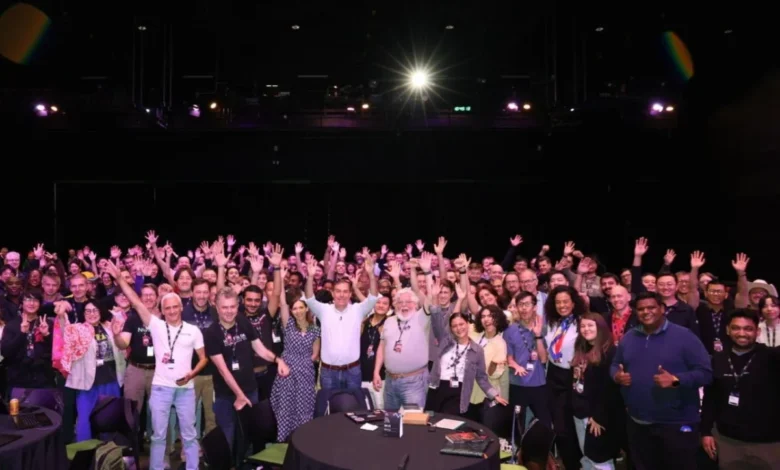
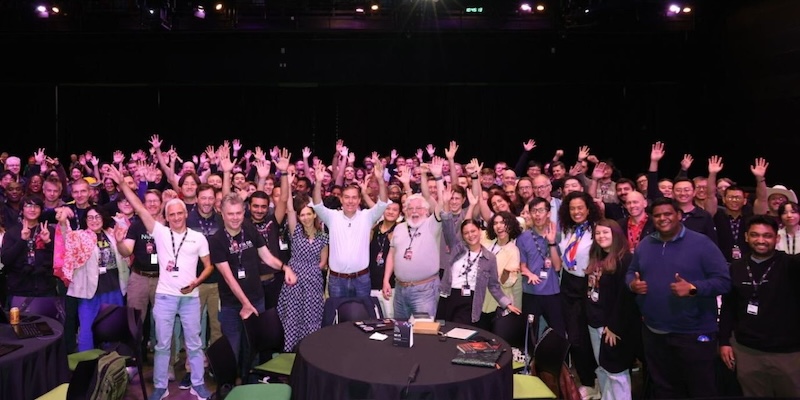
The annual AWS Heroes Summit convened last week, drawing elite cloud computing experts, community leaders, and technical specialists from around the globe to a high-level, invite-only gathering dedicated to collaboration, technical alignment, and strategic feedback. Hosted by Amazon Web Services (AWS), the exclusive multi-day summit serves as a vital bridge between the company’s internal product engineering teams and the external vanguard of developers, architects, and evangelists who champion AWS technologies worldwide.
Specializing in rapidly evolving domains such as artificial intelligence (AI), machine learning, serverless architectures, containerization, and distributed systems, the assembled AWS Heroes gathered to participate in rigorous technical deep-dives, roadmap evaluations, and direct consultation sessions. As cloud ecosystems grow increasingly complex, the dialogue established at summits of this scale directly influences the trajectory of enterprise technology, developer tooling, and cloud infrastructure deployment standards.
Core Objectives and Participant Profile
The AWS Heroes program recognizes prominent technical experts who exhibit exceptional leadership, advocacy, and expertise within the global cloud community. These individuals do not work for Amazon; rather, they are independent consultants, enterprise chief technology officers, lead software engineers, and open-source contributors who dedicate significant personal and professional time to educating others, writing technical literature, speaking at international conferences, and building robust community forums.
The annual summit is designed to leverage this collective intelligence. By bringing top-tier external practitioners face-to-face with AWS general managers, principal engineers, and product vice presidents, Amazon ensures its development pipelines remain closely aligned with the real-world friction points, scalability demands, and architectural aspirations of modern enterprises.
Discussions at this year’s gathering spanned the breadth of the AWS portfolio, with a pronounced emphasis on generative AI integration, cost optimization in serverless environments, and the operational resilience of microservices architectures. For the attendees, the event offers unprecedented visibility into unreleased roadmaps, enabling them to prepare their organizations and the broader developer community for upcoming paradigm shifts in cloud computing.
Chronology and Key Leadership Engagements
The multi-day itinerary was structured to maximize knowledge transfer, strategic foresight, and hands-on collaboration between AWS executives and the global cohort of Heroes.
Day 1 of the summit commenced with an opening keynote and fireside chat featuring AWS Chief Executive Officer Matt Garman. During his address, Garman underscored the indispensable role that community leaders play in guiding the evolution of cloud architecture. He emphasized that as enterprise adoption of cloud-native technologies accelerates—particularly within the generative AI sector—the feedback loop between frontline developers and platform engineers is more critical than ever. The fireside chat allowed attendees to query executive leadership on corporate strategy, long-term infrastructure investments, and the changing landscape of enterprise software development.
The momentum continued into Day 2 with a high-profile Ask Me Anything (AMA) session featuring AWS Vice President and Distinguished Engineer James Hamilton. Renowned for his decades-long contributions to large-scale distributed systems, data center design, and cloud reliability, Hamilton engaged the audience in a granular technical discourse. Topics ranged from the physical and economic constraints of scaling global data center footprints to the nuances of low-latency networking and hardware-software co-design.
Following these plenary sessions, the summit transitioned into specialized breakout rooms and collaborative workshops. These sessions were facilitated by individual AWS product and service teams, allowing Heroes to dissect specific operational hurdles, evaluate early-access tooling, and provide rigorous, candid critiques of user interfaces, API designs, and documentation standards.
Broader Context and Industry Implications
The timing of the AWS Heroes Summit aligns with a transformative era in the cloud computing industry. As organizations worldwide transition from experimental cloud migrations to deep, foundational reliance on AI-driven workflows and serverless paradigms, the demand for authoritative, peer-tested guidance has never been higher.
Industry analysts note that vendor ecosystems increasingly rely on community-led advocacy to drive adoption and build trust. Programs like AWS Heroes function as organic multipliers for technical communication. When complex new services—such as advanced machine learning accelerators, managed vector databases, or serverless container engines—are introduced, the ability of Heroes to rapidly decode these technologies, publish reference architectures, and mentor junior developers significantly compresses the enterprise adoption curve.

Furthermore, the direct feedback gathered during events like the summit helps AWS refine its product-market fit before features achieve general availability. By listening to architects who manage multi-tenant production environments across diverse regulatory jurisdictions, AWS engineering teams can preemptively address compliance, security, and interoperability challenges.
Community Feedback and Digital Engagement
The collaborative spirit cultivated inside the summit quickly rippled across digital channels, with attendees taking to professional networks like LinkedIn to share their takeaways, photographs, and architectural insights under the designated conference tags.
Feedback aggregated from the event highlighted a shared sense of professional validation and renewed purpose among the participants. Many attendees noted that the opportunity to cross-pollinate ideas with peers facing similar large-scale engineering challenges across different continents yielded innovative approaches to common infrastructure roadblocks. Discussions initiated during the formal breakout sessions frequently extended into informal networking hours, laying the groundwork for cross-border open-source projects, joint technical publications, and future community initiatives.
Ongoing Events and Developer Resources
For practitioners looking to engage with the broader AWS ecosystem outside of invite-only gatherings, the company maintains a robust calendar of public events, educational initiatives, and community-driven forums.
Developers can explore upcoming in-person and virtual gatherings through the AWS-led events portal, which tracks global conferences, technical bootcamps, and executive briefings. Specialized programming is also available for early-stage enterprises through dedicated startup events, while community-focused practitioners can participate in regional AWS Summits and volunteer-run AWS Community Days.
To foster continuous learning and peer support, Amazon encourages developers to join the AWS Builder Center. This centralized platform offers technical documentation, reference solutions, and spaces for builders to collaborate on projects, share troubleshooting strategies, and access resources tailored to every stage of the software development lifecycle. As the cloud landscape continues its rapid expansion, these continuous engagement channels ensure that the global builder community remains equipped, informed, and interconnected.