Amazon Bedrock AgentCore Runtime Introduces Runtime Instances for Persistent Multi-Agent Workloads

The enterprise deployment of artificial intelligence agents has historically encountered substantial architectural friction, particularly when workloads scale from experimental prototypes to mission-critical production systems. As organizations increasingly rely on autonomous AI agents to execute complex, long-running processes—ranging from multi-day software engineering pipelines to continuous financial auditing—the underlying infrastructure must evolve to meet rigorous demands. Traditional serverless environments and lightweight microVMs, while efficient for short-lived invocations, often struggle with the persistence, resource intensity, and inter-agent coordination required by sophisticated, multi-step workflows.
To address these architectural limitations, Amazon Web Services (AWS) has announced the official launch of runtime instances within the Amazon Bedrock AgentCore Runtime service. This new complementary compute option delivers fully managed, persistent infrastructure specifically architected for complex, resource-intensive, and long-lived agent workloads. By offering dedicated EC2-based environments with robust state management, GPU acceleration capabilities, and advanced multi-agent collaboration features, AWS aims to streamline how enterprises build, scale, and maintain stateful AI applications.
Background Context and Evolution of Agentic Infrastructure
In the early phases of generative artificial intelligence adoption, developers primarily utilized stateless models that responded to isolated, single-turn prompts. However, the paradigm has rapidly shifted toward agentic workflows—systems where AI models operate autonomously, make decisions, invoke external tools, and execute sequential tasks over extended periods. These agents require continuous access to state, local file systems, specialized computing hardware, and collaborative workspaces to function effectively.
Previously, organizations attempting to deploy production-grade agents that required multi-day lifecycles, direct operating system access, or heavy computational tasks like code compilation and machine learning inference were forced to construct and manage custom infrastructure. This manual overhead involved provisioning Amazon Elastic Compute Cloud (EC2) instances, configuring complex networking topologies, implementing custom session management layers, scaling resources dynamically, and integrating disparate monitoring tools.

The introduction of runtime instances abstracts away this heavy operational burden. Operating in tandem with the existing Amazon Bedrock AgentCore Runtime microVMs, the new capability provides developers with enterprise-grade infrastructure management while preserving full compatibility with established AgentCore application programming interfaces (APIs), identity controls, and observability frameworks.
Core Architectural Capabilities and Technical Specifications
Runtime instances are engineered to support demanding multi-agent ecosystems by providing AWS-managed EC2 infrastructure capable of hosting multiple distinct agents within a single runtime environment. Each deployed agent maintains its own isolated dependencies and artifact types while retaining the ability to collaborate natively on a shared host.
Among its primary technical features, the service supports persistent sessions that can remain active for up to 14 days. This capability is paired with a hibernate-and-resume mechanism, allowing developers to pause workflows—such as shutting down a pipeline on a Friday evening—and resume execution seamlessly with all operational state intact. Furthermore, workloads that require heavy compute can leverage integrated GPU acceleration, satisfying the rigorous performance demands of specialized machine learning models and data-processing tasks.
For persistent data storage that must outlive individual sessions, runtime instances integrate natively with Amazon Elastic Block Store (Amazon EBS) and AgentCore Memory. This integration grants agents long-term recall capabilities across multiple sessions and disparate operational environments.
Developers retain complete flexibility regarding their technology stack, maintaining compatibility with popular agent frameworks including CrewAI, LangGraph, LlamaIndex, and Strands, alongside support for virtually any underlying foundational model. Packaging requirements have been streamlined to minimal boilerplate, typically requiring only a designated entrypoint decorator and a packaged deployment artifact, such as a zip file or container image.
Complementary Architecture: MicroVMs and Instances in Harmony
A key architectural innovation of the Amazon Bedrock AgentCore update is the complementary nature of runtime microVMs and runtime instances. Rather than presenting a binary choice between lightweight serverless compute and dedicated virtual machines, AWS has designed these options to operate collaboratively through unified runtime APIs.
In a typical enterprise deployment, developers can deploy a lightweight orchestrator agent on a runtime microVM to manage incoming API calls, handle dynamic task routing, and aggregate final results. Because microVMs excel at rapid scaling and instantaneous invocation, the orchestrator efficiently controls the traffic flow.
When compute-intensive or state-heavy tasks arise, the orchestrator can dispatch workloads to specialized worker agents running on dedicated runtime instances. These worker nodes handle demanding operations—such as large-scale code compilation, automated security vulnerability scanning, graphical user interface (GUI) automation, or continuous data analysis—that necessitate persistent state and direct operating system interactions.
Demonstrating Multi-Agent Collaboration via Shared Storage
To illustrate the practical implementation of runtime instances, AWS engineering demonstrations have highlighted a multi-agent software development pipeline comprising a code writer agent and a code reviewer agent.
In this architecture, both agents share a unified file system provisioned within a specific session directory. When an end user submits a natural language prompt—such as a request to generate a complex Python program—the code writer agent executes the task and writes the resulting script directly to the shared session storage path.
Subsequently, the code reviewer agent, operating within the same session ID on the shared EC2 infrastructure, reads the generated file directly from the local file system. The reviewer analyzes the code for potential bugs, stylistic inconsistencies, and optimization opportunities, returning a structured evaluation without requiring external network calls, API message passing, or complex data serialization between the two entities.
This decentralized collaboration pattern can be extended indefinitely to incorporate auxiliary agents dedicated to automated unit testing, documentation generation, or continuous security compliance auditing, all operating within the same secure working directory.
Step-by-Step Implementation Workflow
Deploying workloads on Amazon Bedrock AgentCore runtime instances follows a structured, multi-step procedure accessible via the AWS Management Console, the AgentCore Command Line Interface (CLI), standard AWS CLI tools, or infrastructure-as-code (IaC) templates.
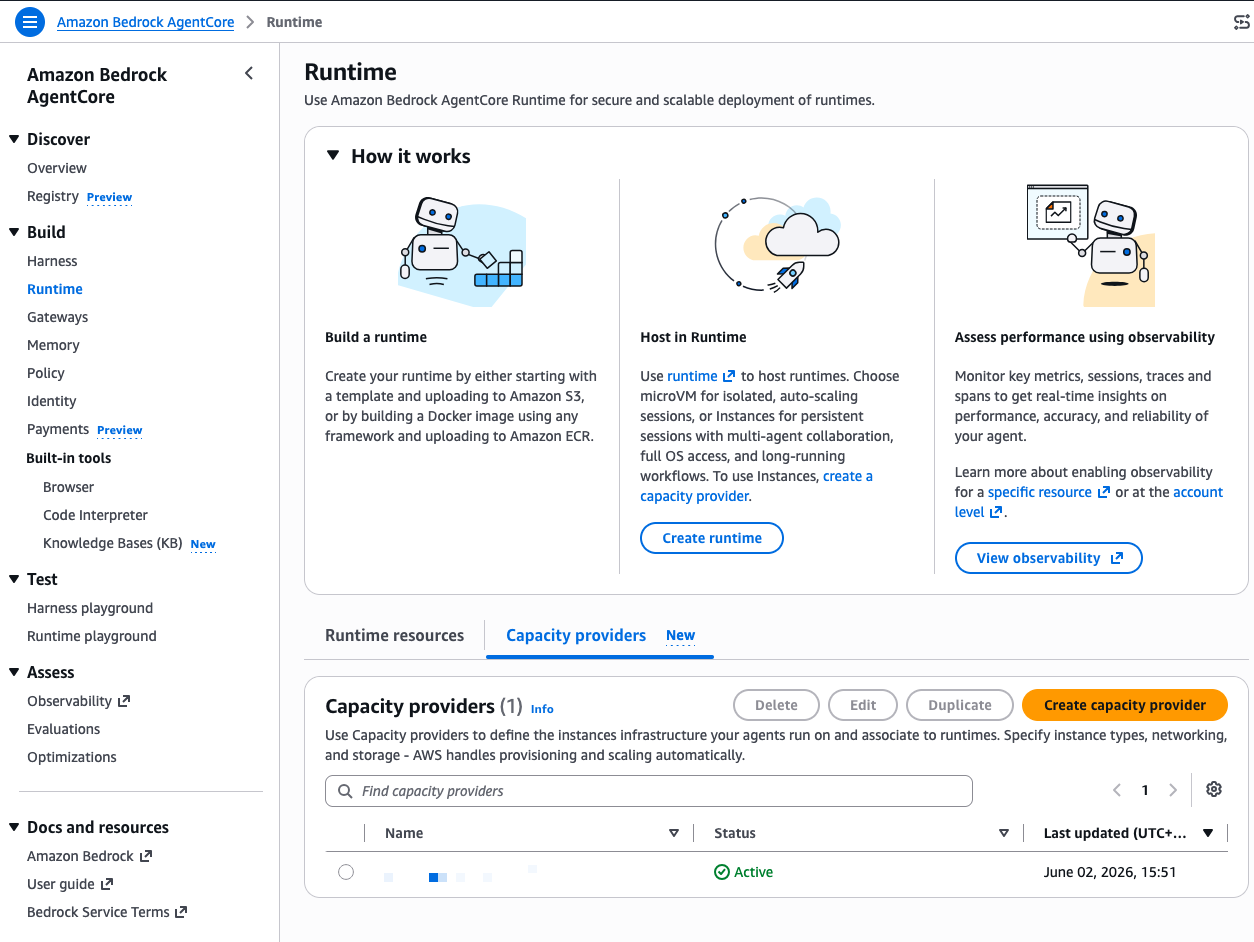
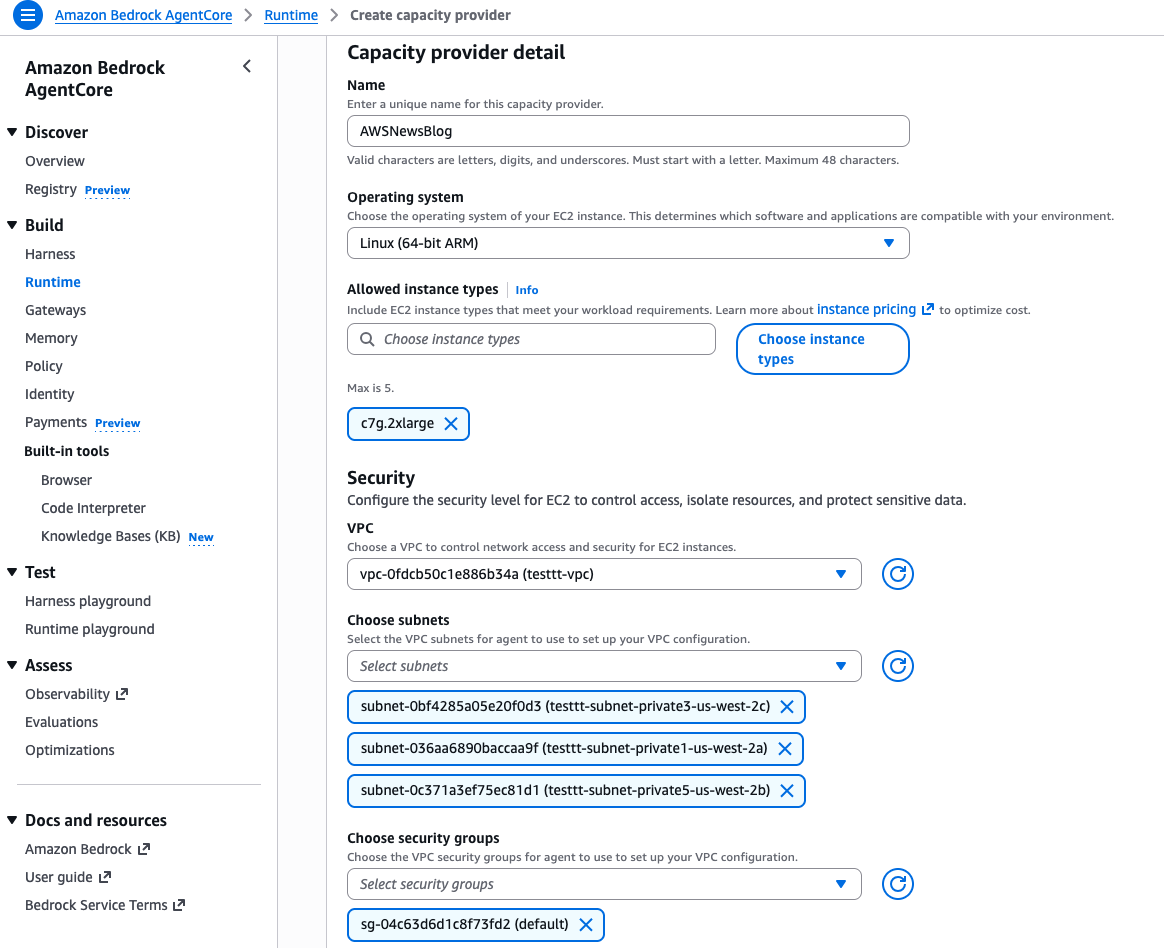
Step 1: Establishing a Capacity Provider
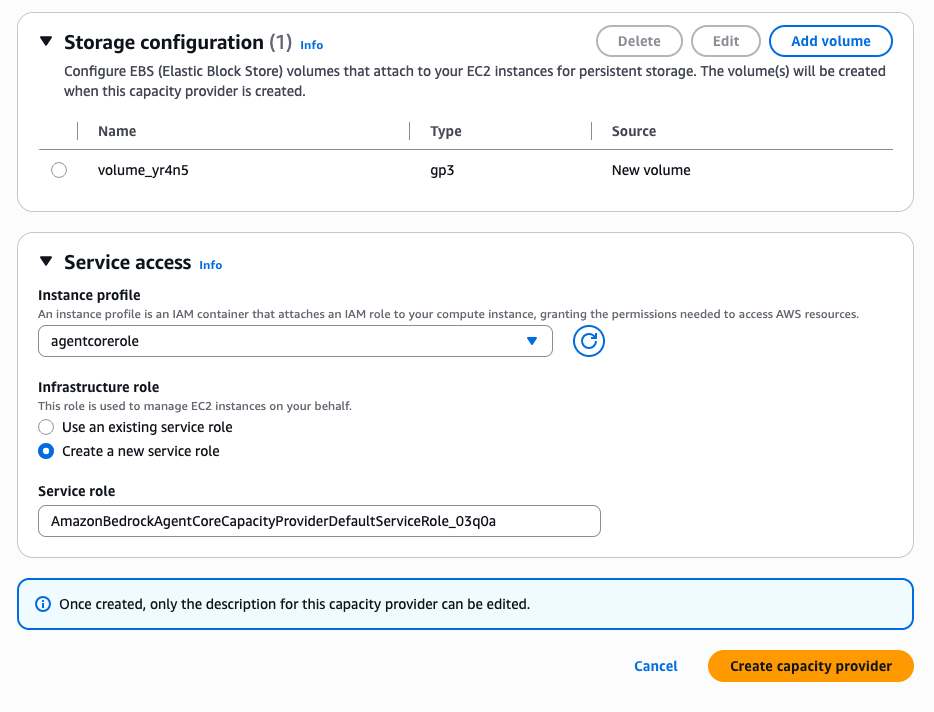
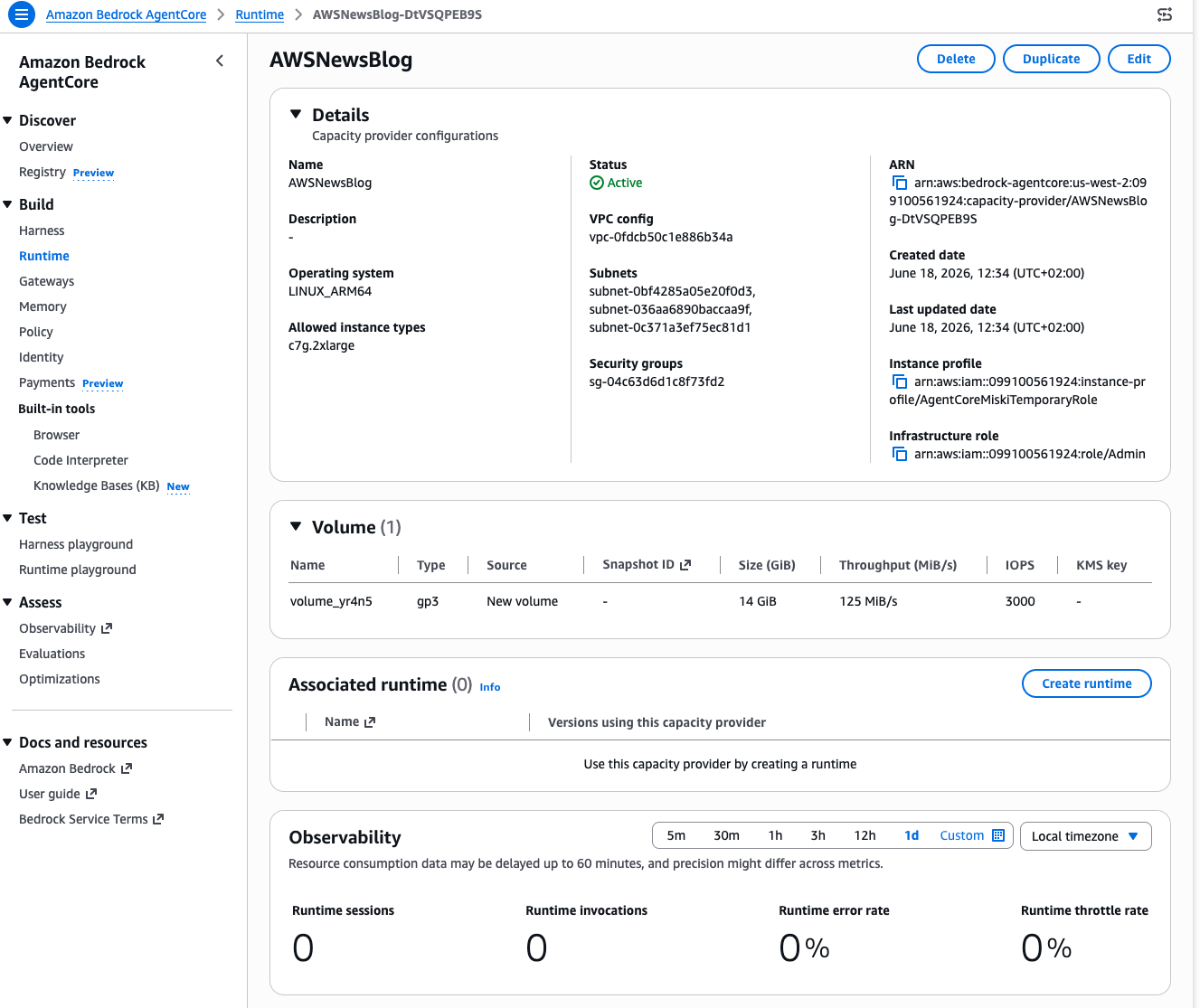
The foundational step involves defining the underlying EC2 infrastructure through a capacity provider. Administrators select a designated operating system—such as 64-bit ARM Linux—and choose appropriate instance types, such as compute-optimized c7g.2xlarge instances, which supply sufficient virtual CPUs and memory to host concurrent agent workloads comfortably. Network configurations, including Virtual Private Clouds (VPCs), subnets, security groups, and storage volumes (such as gp3 volumes), are configured alongside automated service access roles that manage the lifecycle of the underlying EC2 resources.
Step 2: Configuring Runtimes and Deploying Agents
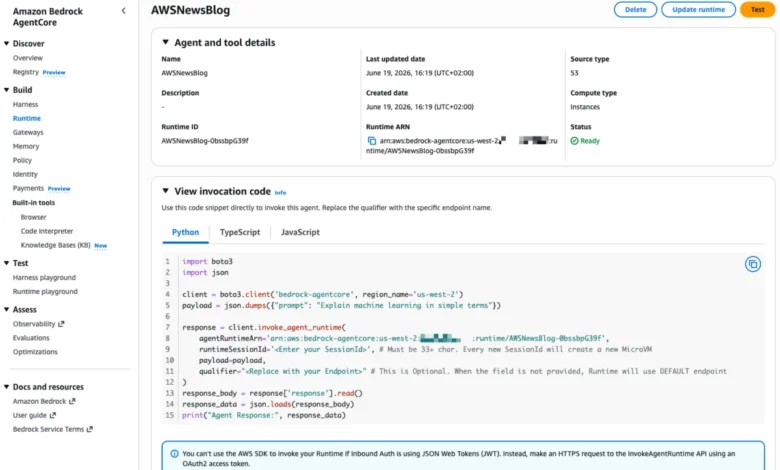
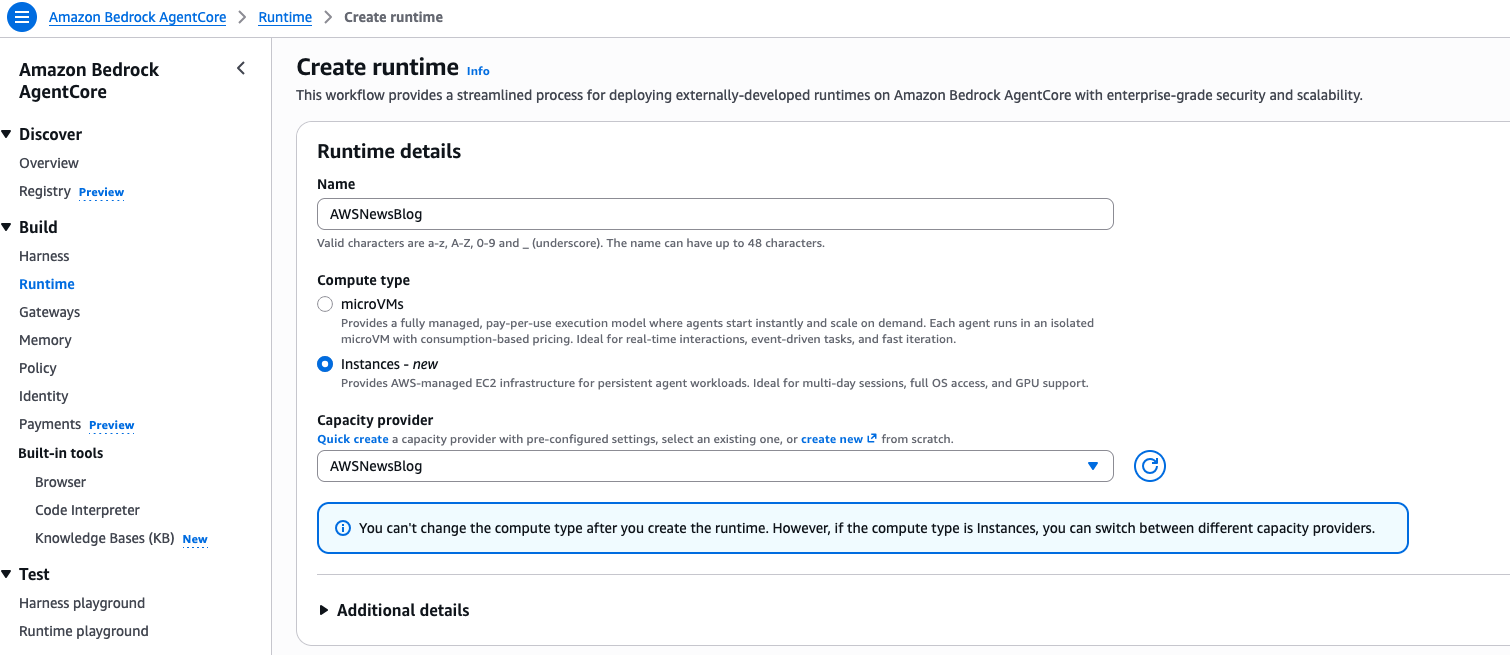
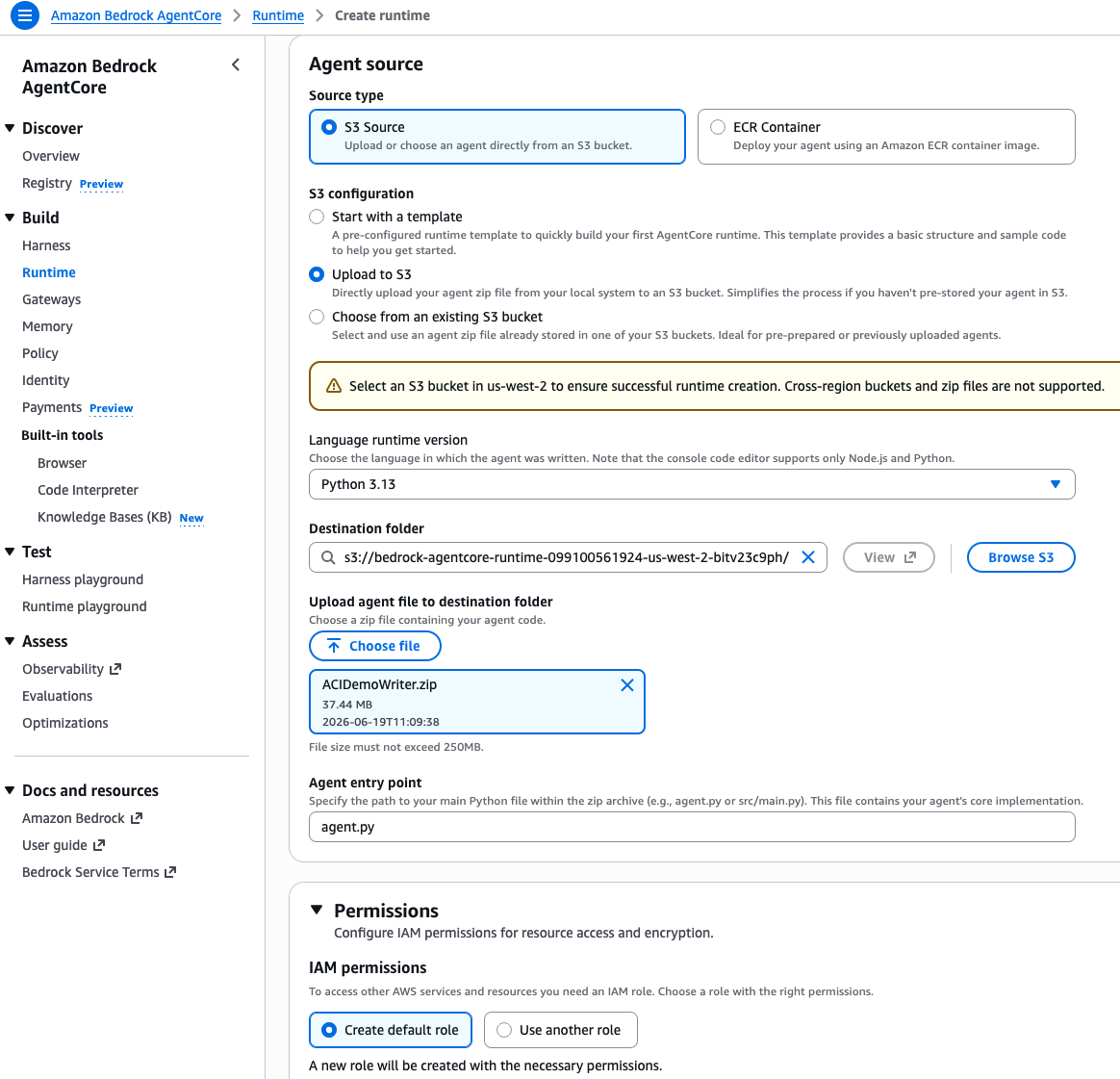
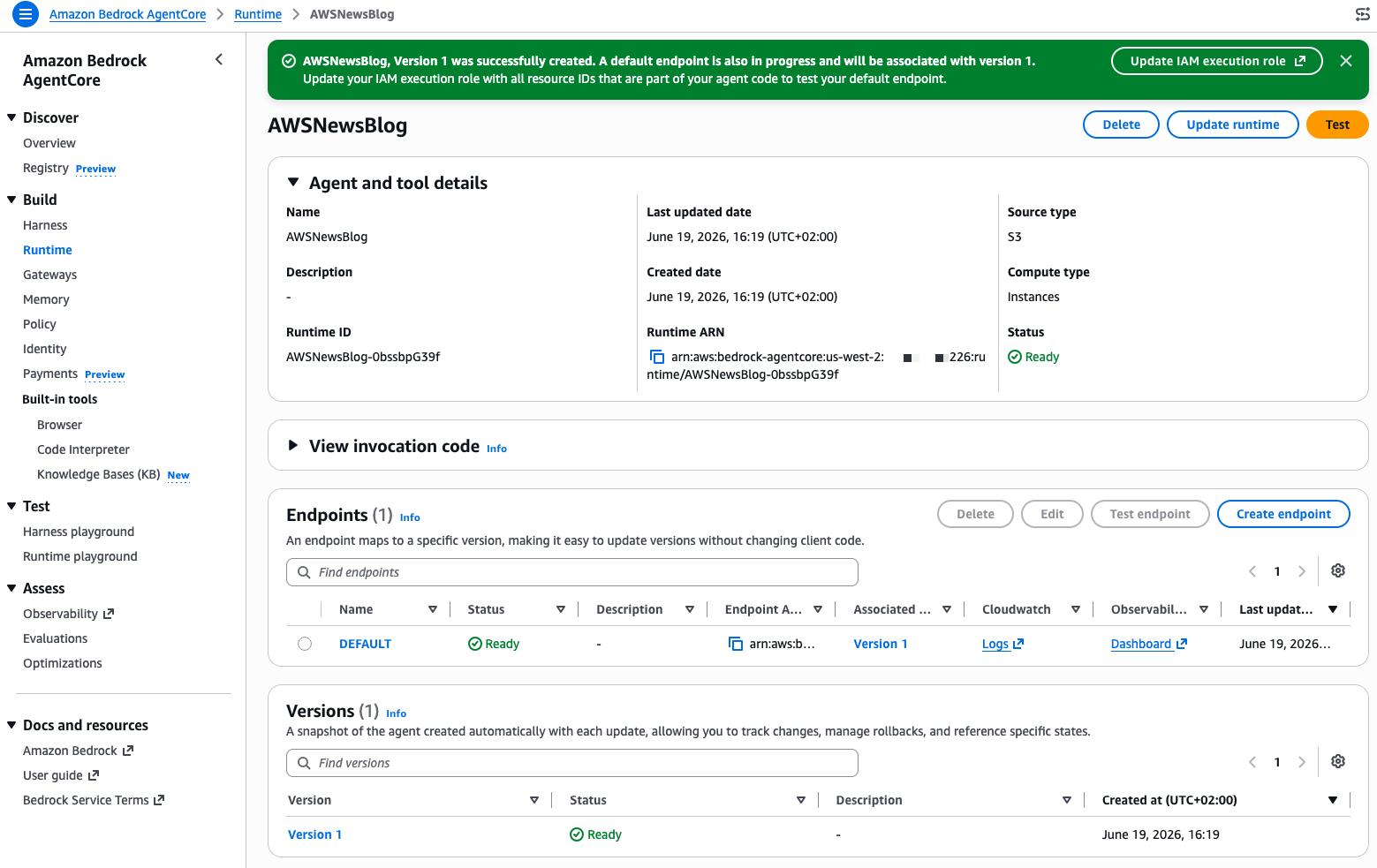
Once the capacity provider achieves an active status, developers create individual runtimes by selecting "Instances" as the compute type and linking them to the established capacity provider. Agent code packages—packaged as compressed archives or container images—are uploaded to Amazon S3, with designated entrypoint files indicating the primary application logic. Default Identity and Access Management (IAM) roles are provisioned automatically to secure inter-service communications.
Step 3: Programmatic and Interactive Invocation
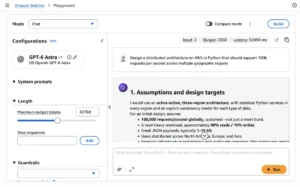
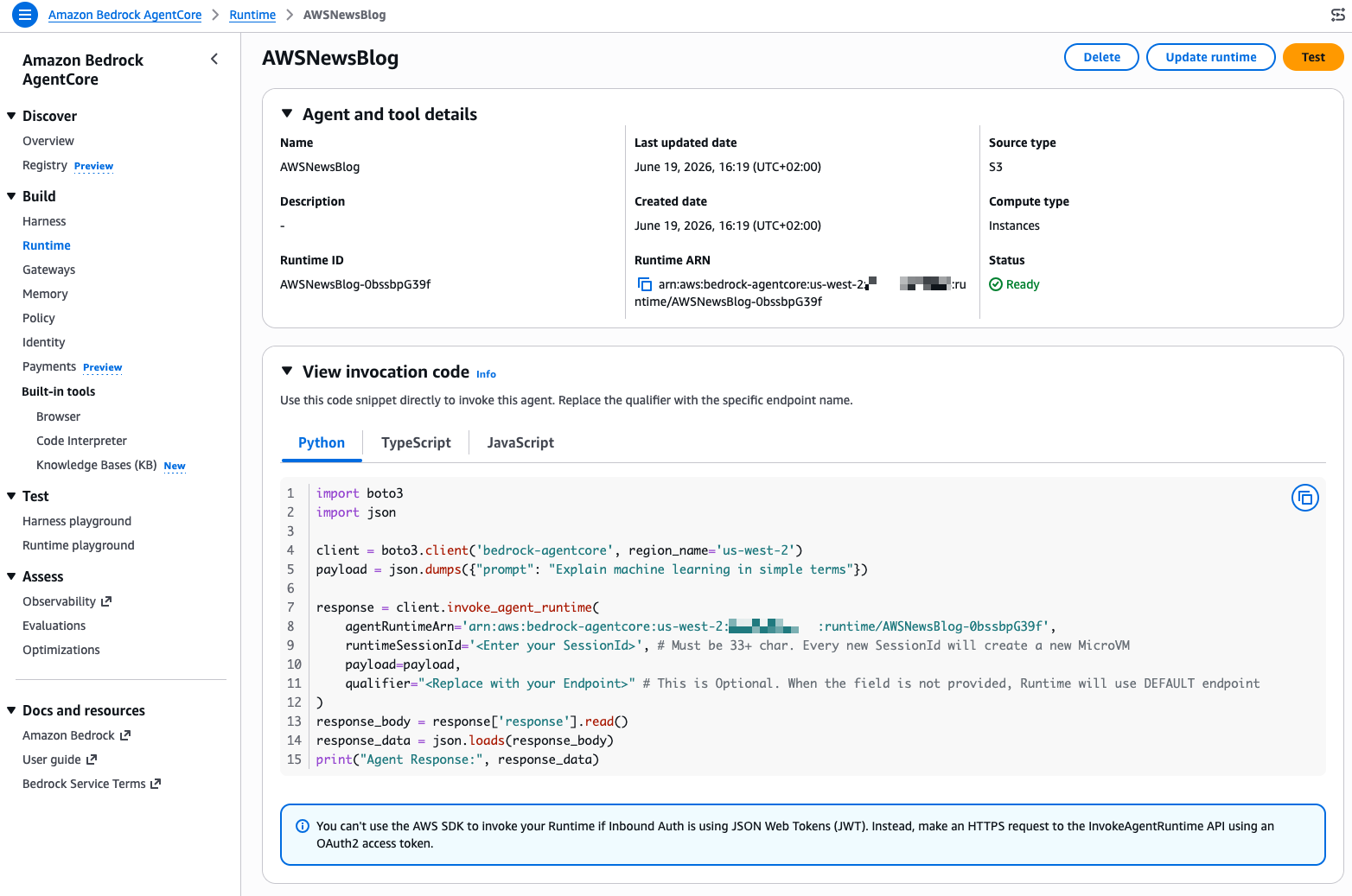
Following deployment, administrators can utilize the built-in Runtime Playground in the AWS Management Console to test agent responsiveness interactively, or integrate invocation logic programmatically using provided Python, TypeScript, or JavaScript code snippets. By maintaining consistent session identifiers across disparate agent runtimes, operators bind multiple independent agents into a cohesive, collaborative workflow.
Broader Industry Implications and Future Outlook
The release of Amazon Bedrock AgentCore runtime instances marks a maturation point in the enterprise adoption of generative artificial intelligence. As businesses transition from exploratory, isolated chat interfaces to deeply integrated, autonomous digital workforce solutions, the requirements placed on cloud infrastructure have grown correspondingly complex.
By bridging the gap between lightweight serverless paradigms and dedicated, stateful virtual infrastructure, AWS has addressed a major operational bottleneck for software engineering teams and enterprise architects. The ability to maintain persistent sessions for up to two weeks, combined with native multi-agent file sharing, GPU integration, and robust hibernation controls, significantly lowers the barrier to entry for running sophisticated, long-duration AI pipelines.
Industry analysts note that as organizations increasingly deploy multi-agent systems to automate complex business logic, the demand for managed infrastructure that balances performance, security, and cost efficiency will continue to accelerate. Features like session stop-and-restart functionality directly address financial governance concerns by ensuring that computational resources are not needlessly consumed during idle periods.
As developers begin adopting runtime instances across diverse sectors—including financial services, healthcare analytics, automated software engineering, and supply chain logistics—the architectural flexibility provided by Amazon Bedrock AgentCore is expected to drive a new wave of scalable, enterprise-grade autonomous applications.
Related posts: