Apple officially designates the 2019 4K iMac as a vintage product as the company continues its transition away from Intel-based hardware.

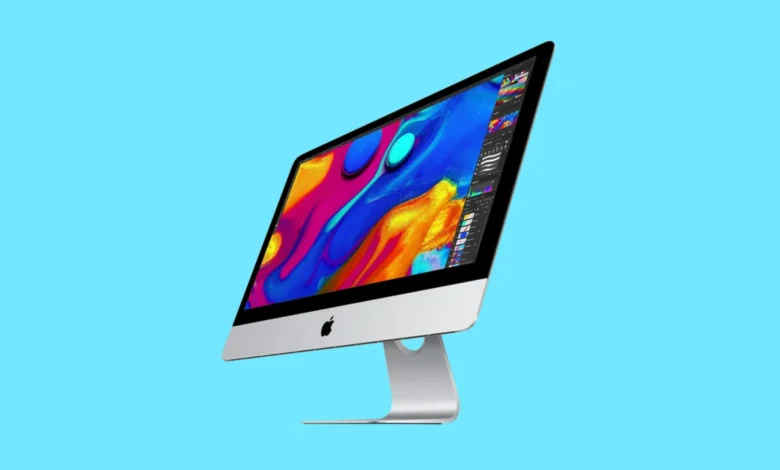
In a move that underscores the natural lifecycle of consumer electronics, Apple has officially added the 2019 21.5-inch 4K iMac to its "vintage" products list. This administrative change, enacted on September 15, 2026, marks another milestone in the company’s broader strategy of pivoting away from the Intel silicon architecture that powered its desktop and laptop lineups for over a decade. For owners of this particular machine, the classification serves as a formal notification that official repair support is now contingent upon the availability of spare parts, signaling that the device is entering the final stages of its serviceable life.
Understanding Apple’s Service Lifecycle
To provide context for users affected by this designation, it is necessary to understand Apple’s internal classification system for hardware support. Apple categorizes legacy hardware into two distinct stages: "vintage" and "obsolete."
A product is classified as vintage when more than five years, but less than seven years, have passed since the company last distributed the unit for retail sale. During this phase, Apple Stores and Apple Authorized Service Providers (AASPs) continue to offer repair services; however, these services are strictly subject to the availability of components. If a specific part—such as a proprietary logic board, power supply unit, or display panel—is no longer in stock, the company is under no obligation to procure it, effectively ending the official repair path for that specific machine.
Once a device passes the seven-year mark, it is promoted to the "obsolete" category. At this juncture, Apple terminates all hardware service for the product across its global network. AASPs are similarly restricted from ordering parts for obsolete models. This policy is standard across the technology industry, designed to allow manufacturers to manage inventory and logistics for increasingly aging hardware while encouraging users to migrate to current-generation technology that supports the latest security patches and software features.
The 2019 iMac: A Technical Legacy
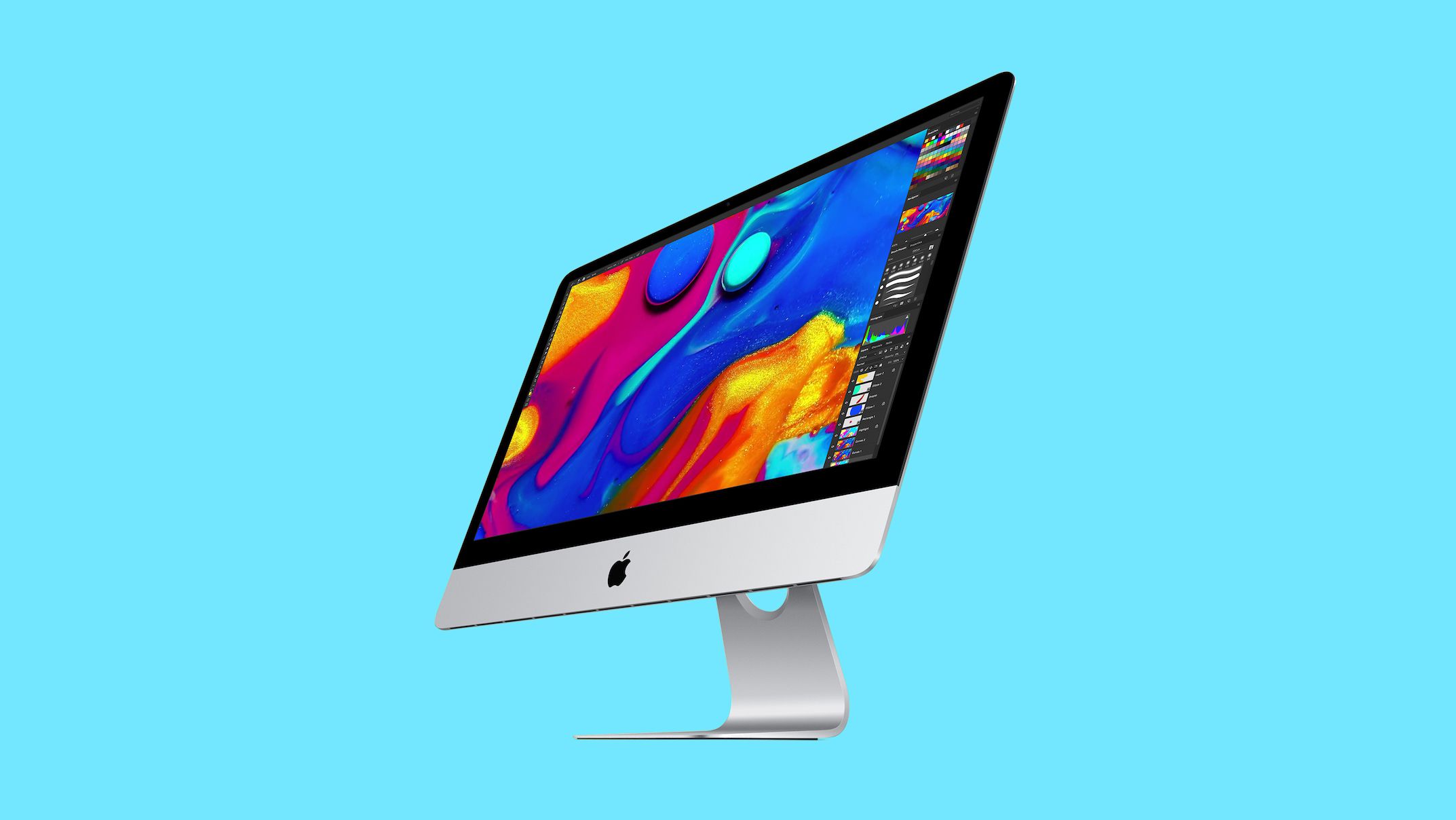
The 21.5-inch 4K iMac, released in March 2019, occupies a specific place in Apple’s design history. It was one of the final iterations of the "classic" iMac design, characterized by the silver aluminum chassis and the distinctive "chin" beneath the display. At the time of its release, the base model featured an Intel Core i3 processor, 8GB of DDR4 memory, and a 1TB mechanical hard drive—a configuration that, while sufficient for general productivity in 2019, highlights the rapid pace of hardware evolution that has occurred in the subsequent seven years.
The 2019 refresh was aimed at bridging the gap between entry-level computing and the demands of creative professionals. With its 4K Retina display, it offered a pixel density that was highly regarded for color-critical work. However, the machine arrived at a time when the industry was beginning to shift toward solid-state storage and, shortly thereafter, toward Apple’s own proprietary Silicon (Apple Silicon) architecture. The 2019 model’s reliance on Intel processors and mechanical storage has rendered it increasingly sluggish compared to the M-series machines that followed.
Chronology of the Intel-to-Apple Silicon Transition
The designation of the 21.5-inch 4K iMac as vintage is the latest in a series of events marking the sunsetting of the Intel era. The following timeline illustrates the acceleration of this transition:
- March 2019: Apple releases the refreshed 21.5-inch and 27-inch iMacs with 8th and 9th-generation Intel processors.
- November 2020: Apple launches the M1 chip, marking the beginning of the end for Intel-based Macs.
- April 2021: The redesigned 24-inch iMac with an M1 chip is introduced, featuring a radical new design and color palette.
- July 2025: The 2019 27-inch iMac is moved to the vintage list, as it was discontinued earlier than the 21.5-inch model.
- September 2026: The 21.5-inch 2019 iMac officially joins the vintage list, effectively marking the conclusion of official support for that specific 2019 product line.
The 27-inch model’s earlier move to the vintage list occurred because Apple ceased production of that configuration sooner than the smaller, more accessible 21.5-inch version, which remained a staple for educational institutions and entry-level home users for a longer duration.
Broader Implications for Intel-Based Mac Users
The shift in support status for the 2019 iMac does not exist in a vacuum. It coincides with recent moves by Apple to encourage developers and users to move away from the Intel platform. As of September 2026, Apple has informed developers that universal Mac App Store applications requiring macOS 13 (Ventura) or later are permitted to drop support for Intel-based Macs entirely. This change allows developers to streamline their codebases, optimizing them exclusively for the ARM-based Apple Silicon architecture, which offers significantly different performance characteristics and power management capabilities.
For the end user, this means that while the 2019 iMac may still function for basic tasks, it will increasingly become a "software-isolated" machine. The inability to run the latest versions of productivity software, combined with the lack of access to future macOS security updates, creates a security and compatibility gap that often necessitates a hardware upgrade.
Analysis: The Cost of Obsolescence
The transition from vintage to obsolete is often a point of frustration for power users who have invested in high-spec Intel machines. However, industry analysts note that the longevity of these machines is influenced by both software support cycles and the physical durability of components.
"When a machine is designated as vintage, the manufacturer is signaling that the R&D and supply chain costs of maintaining those parts outweigh the number of active users," says a representative from a prominent hardware analysis firm. "It is a logical, if difficult, progression. For Apple, the focus is on maintaining an ecosystem that supports current performance standards. For the user, it is the realization that the hardware has reached its architectural limit."
Furthermore, the rise of "obsolete" status for devices like the 2018 Retina MacBook Air and various MacBook Pro models throughout late 2026 reinforces the fact that Apple is aggressively clearing the path for its newer, M-series lineup. With rumors of an M6-powered iMac on the horizon for late 2026, the company is creating a clear, two-tiered divide between legacy Intel machines and the current, high-efficiency Apple Silicon generation.
Practical Advice for Owners
Owners of the 2019 4K iMac are not immediately impacted by the "vintage" label, provided their machine is currently functioning. However, those experiencing hardware issues are advised to seek service through an Apple Authorized Service Provider sooner rather than later, as the probability of sourcing components decreases daily.
Once a machine reaches the "obsolete" status, users are generally left to rely on third-party repair shops or the secondary market for parts. While this can extend the life of a computer, it often involves risks regarding part quality and the lack of authorized diagnostics. For many, the "vintage" designation is the ideal time to evaluate the machine’s role in their workflow and consider whether an upgrade to a current M-series iMac or Mac mini is necessary to maintain productivity and security.
As the industry moves toward more integrated, system-on-a-chip architectures, the era of the Intel-based iMac will soon be fully consigned to history. The 2019 4K iMac served as a reliable workhorse for many, but its move to the vintage list confirms that in the fast-paced world of consumer technology, even the most capable machines eventually bow to the inevitable progress of innovation.