Apple iPhone Duo Stylus Support Puts Pressure on Samsung to Rethink Foldable Strategy

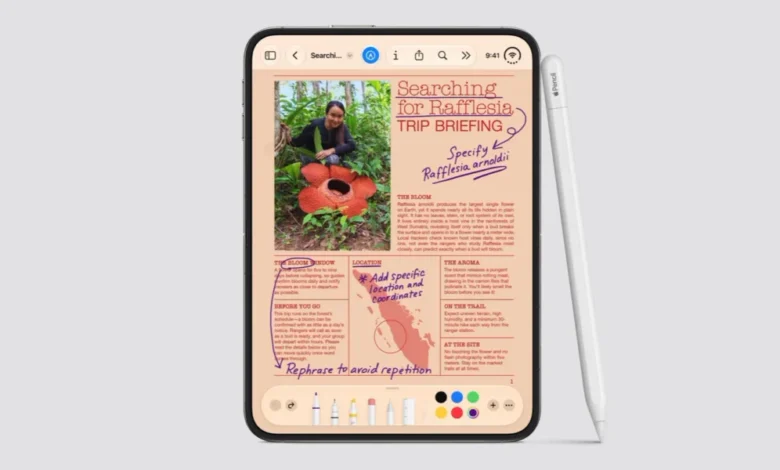
Apple’s newly unveiled foldable device, the iPhone Duo, may not have completely reinvented the established Android foldable ecosystem, but it has undoubtedly raised the bar for hardware polish and accessory integration. Among the device’s most closely analyzed features is stylus support—a capability that proved surprisingly complex behind the scenes and one that industry competitors, most notably Samsung, will likely need to re-evaluate moving forward.
The Evolution of Stylus Integration in Foldables
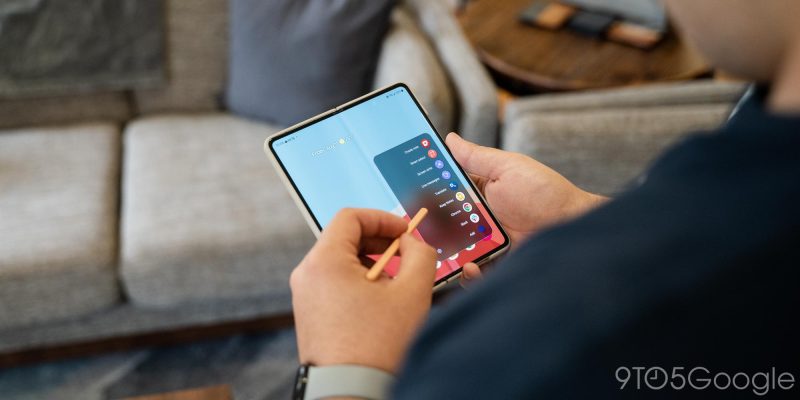
The intersection of foldable smartphones and stylus input is not entirely new. Samsung pioneered the category for folding phones back in 2022 with the release of the Galaxy Z Fold 3. Recognizing the gradual phase-out of its iconic Galaxy Note series, Samsung introduced a specialized version of its S Pen specifically engineered for the unique stresses of foldable displays. Unlike traditional styluses equipped with internal batteries, the Z Fold edition relied on a passive digitizer layer built into the screen, allowing users to draw and take notes without charging the accessory. However, this implementation came with a compromise: the S Pen could not be docked internally within the chassis, requiring dedicated folio cases for storage.
This dynamic shifted dramatically with the launch of the Galaxy Z Fold 7. In an aggressive pursuit of reduced thickness and lighter overall weight, Samsung made the strategic decision to strip out the underlying digitizer hardware entirely, removing S Pen support from the device. At the time, consumers and reviewers prioritized sleek, pocketable dimensions over stylus functionality. Yet, the calculus of the foldable market has shifted rapidly following Apple’s entry into the space.
Behind the Scenes of Apple’s Pencil Integration
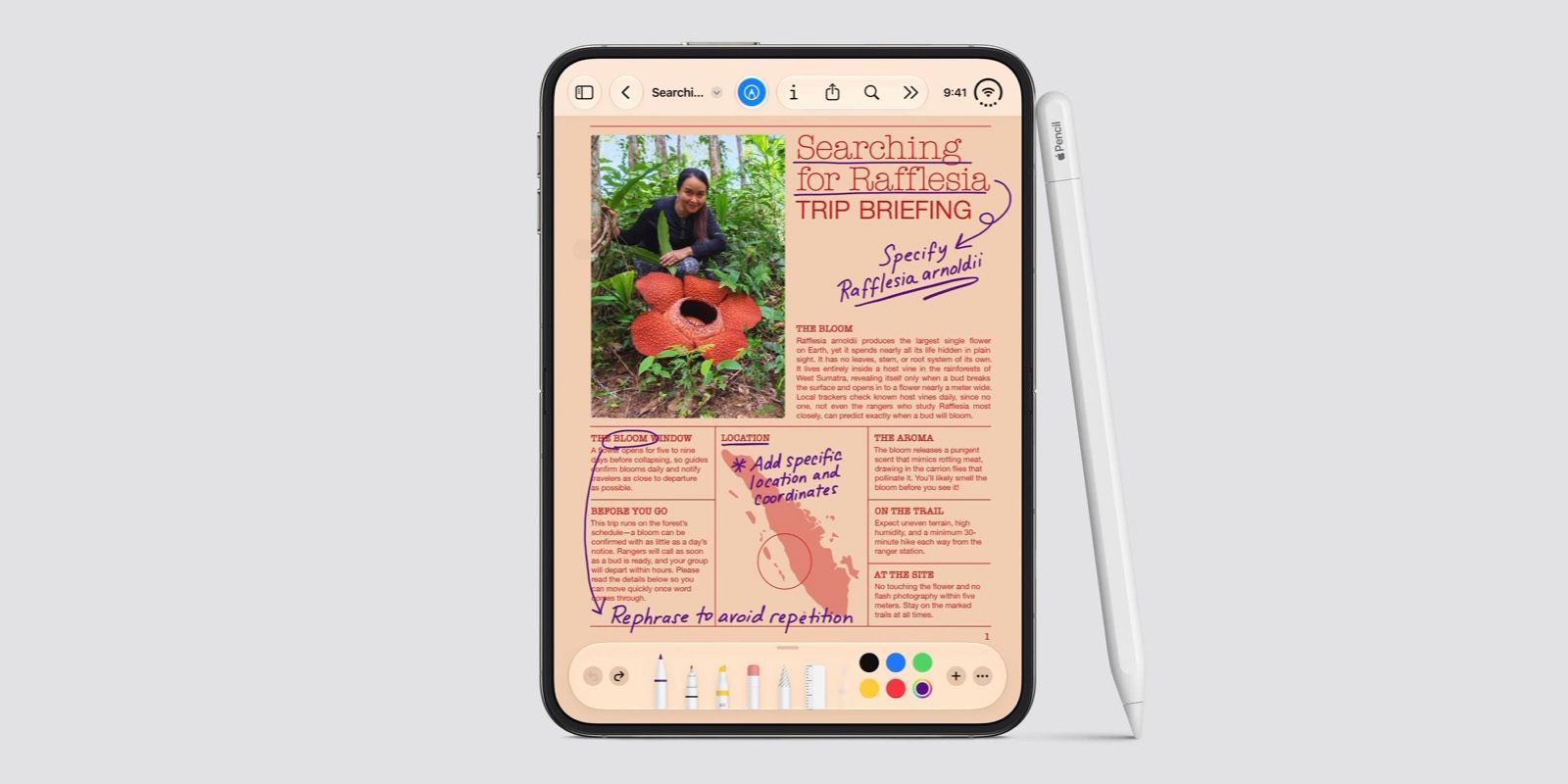
Apple’s approach to bringing stylus support to the iPhone Duo was far from straightforward. Outwardly, the company has announced that the iPhone Duo will support the USB-C variant of the Apple Pencil, a peripheral originally designed for the iPad lineup. However, industry reports from sources such as Bloomberg reveal a much more intricate development path.
Initially, Apple engineering teams set out to create a dedicated, proprietary Apple Pencil tailored specifically for the iPhone Duo. This specialized stylus was intended to feature a shorter form factor and magnetic attachment capabilities, allowing it to snap securely onto the foldable device’s hinge mechanism.
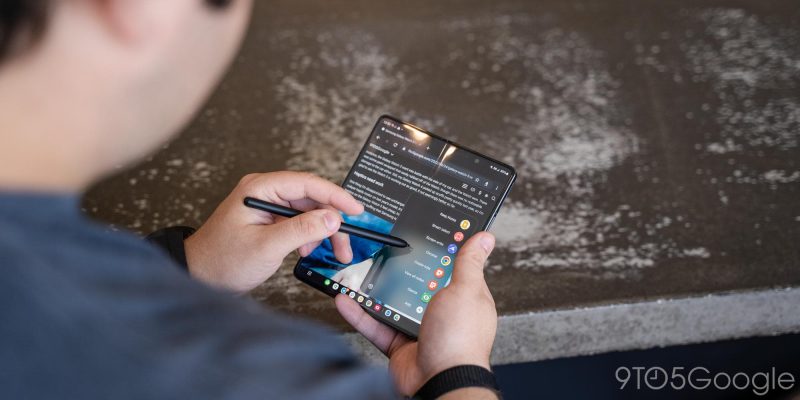
Despite advanced development, this custom accessory never made it to the official unveiling stage. Reports indicate that Apple encountered critical technical hurdles just months ahead of mass production, forcing the company to scrap the dedicated hardware and pivot swiftly toward supporting existing iPad-compatible styluses. Furthermore, integrating this functionality required substantial software engineering. According to insiders, the necessary system updates are complex and scheduled to roll out relatively late in 2026, meaning early adopters of the iPhone Duo will not have immediate access to stylus features out of the box.
Samsung’s Current Dilemma and Competitor Landscape
While Apple’s road to stylus integration was fraught with engineering challenges, it nevertheless outpaces Samsung’s current hardware offerings. The more recent Galaxy Z Fold 8 and Z Fold 8 Ultra remain entirely devoid of stylus support, continuing Samsung’s hardware trajectory focused intensely on ultra-slim profiles.
The core engineering barrier for Samsung remains the physical display assembly. Accommodating a traditional S Pen requires a dedicated digitizer layer beneath the flexible OLED panel. This hardware layer inherently adds millimeters to the thickness and grams to the weight of the device—two metrics where Samsung faces fierce competition from rival Android manufacturers. Several other major Android brands have continued to embrace stylus compatibility in their foldable iterations, leaving Samsung increasingly isolated in its decision to omit the feature for the sake of thinness.
Industry Implications and the Road to Galaxy Z Fold 9
The introduction of stylus support on the iPhone Duo, combined with steady pressure from other Android competitors, places Samsung in a delicate strategic position. Industry analysts suggest that consumer demand for productivity tools on large-screen foldable devices has not dissipated, despite Samsung’s temporary pivot toward minimalist hardware design.
Signs indicate that Samsung is actively reconsidering its stance. Reports throughout mid-2026 suggest that internal exploratory teams are testing alternative material options and advanced digitizer technologies to bring the S Pen back to future hardware generations. While Samsung has remained publicly non-committal, supply chain indicators point toward a potential reversal of policy for the forthcoming Galaxy Z Fold 9, with the company leaving the door open to reintroduce stylus support in a redesigned format.
Ultimately, the iPhone Duo’s debut serves as a pivotal moment for the foldable market. By proving that consumers expect sophisticated accessory integration even within ultra-thin, folding form factors, Apple has forced the industry pioneer to re-examine the balance between physical thinness and functional versatility. As manufacturers prepare their next-generation portfolios, the debate over whether foldables require a stylus is once again at the forefront of mobile engineering discussions.