Apple Implements Sweeping Price Hikes Across Hardware and Services Amid Rising Component Costs and Global Economic Shifts

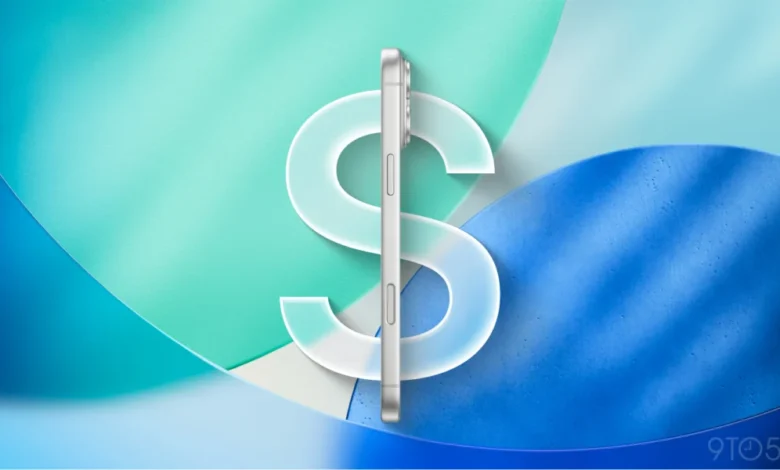
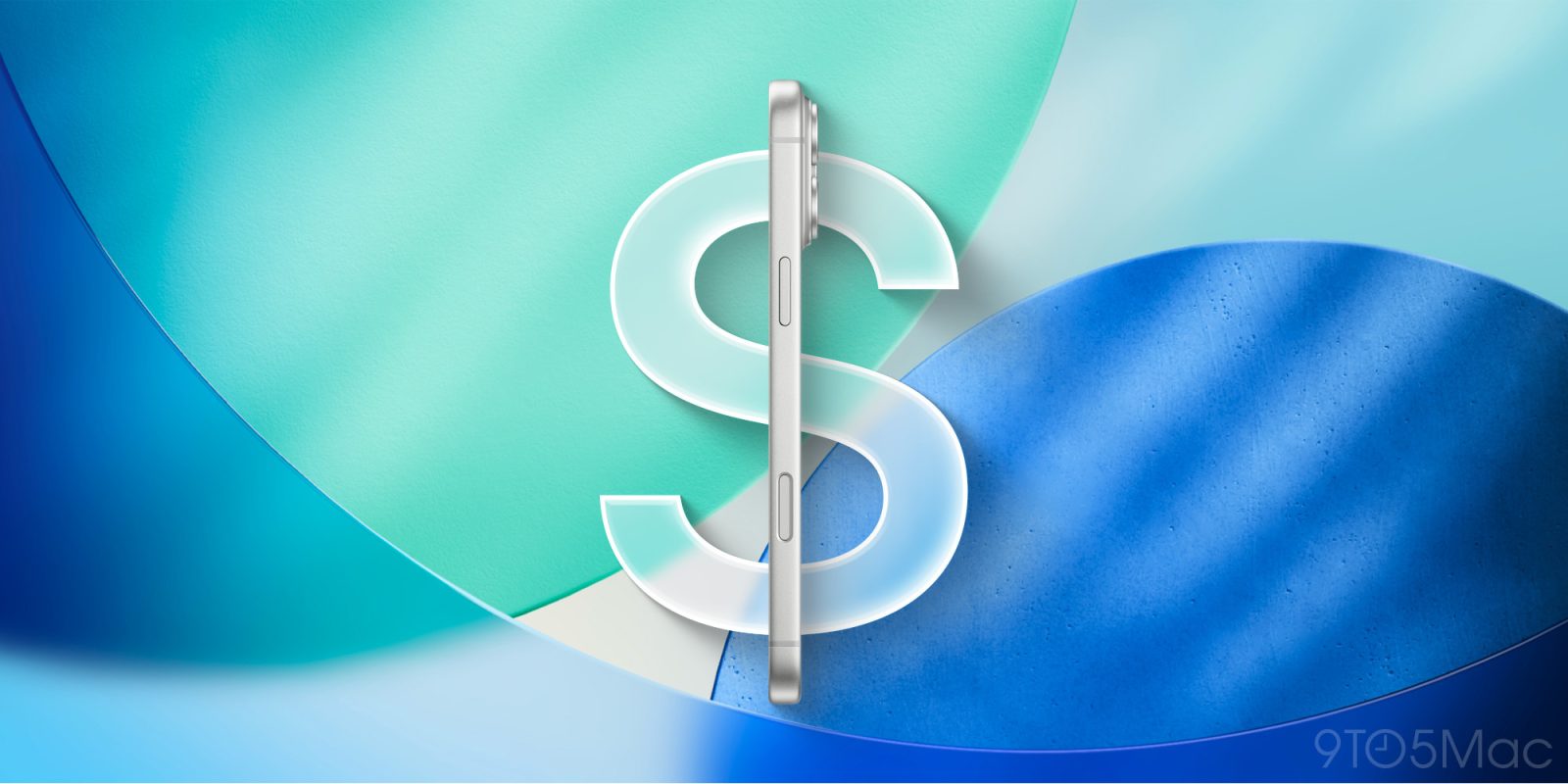
The era of stable pricing for Apple’s premium ecosystem has come to an abrupt conclusion as the technology giant implements a series of significant price increases across its entire product portfolio. What began as a targeted adjustment to specific hardware lines in late June has evolved into a comprehensive upward revision of costs for devices, refurbished goods, extended warranties, and digital subscriptions. This fiscal shift represents one of the most aggressive pricing maneuvers in the company’s recent history, signaling a departure from the price stability that characterized much of the early 2020s. As consumers prepare for the upcoming fall product cycle, the cumulative effect of these increases suggests a new baseline for entry into the Apple ecosystem, driven by a complex interplay of global supply chain constraints, the burgeoning artificial intelligence sector, and volatile international currency markets.
The June Hardware Pivot: A Catalyst for Change
On June 25, Apple initiated a sweeping series of price increases that fundamentally altered the value proposition of its core hardware offerings. The adjustments were not limited to high-end professional gear but hit the entry-level and mid-range segments with particular force. The MacBook Neo, a staple for students and casual users, saw its base price jump by $100, moving from $599 to $699. This 16.6% increase was eclipsed by the 13-inch MacBook Air, which rose by $200 to a new starting price of $1,299. Even the base model iPad, traditionally the most affordable gateway into Apple’s tablet lineup, was not spared, climbing $100 to reach a $449 MSRP.
The breadth of these increases extended to virtually every corner of the Apple Store. The professional-grade MacBook Pro, the versatile iPad Air, and the high-performance iPad Pro all saw their price tags adjusted upward. Smaller peripherals and niche products followed suit, with the iPad mini, Mac mini, iMac, and Mac Studio all reflecting higher costs. Even the home and entertainment segments—including the Apple TV 4K, HomePod, and HomePod mini—along with the cutting-edge Apple Vision Pro, saw price revisions. This synchronized movement across disparate product categories indicates a systemic shift in Apple’s cost-to-margin calculations rather than an isolated adjustment for a single product line.
The Silicon Squeeze: Why Hardware is Getting More Expensive
During recent communications, Apple CEO Tim Cook pointed to a specific and unprecedented pressure point in the global supply chain: the skyrocketing cost of memory and storage components. According to industry analysts, the primary culprit is the massive expansion of artificial intelligence data centers. As tech giants and cloud providers race to build out infrastructure for generative AI, they are consuming a disproportionate share of high-bandwidth memory (HBM) and high-capacity NAND flash storage.

This surge in demand from the enterprise sector has created a "crowding out" effect for consumer electronics manufacturers. With memory suppliers prioritizing the high-margin orders coming from AI data center operators, supply for consumer-grade components has tightened, leading to the "unprecedented increases" cited by Apple leadership. For a company like Apple, which has historically maintained high profit margins by leveraging its massive scale to secure favorable component pricing, these market shifts represent a significant headwind. By passing these costs on to the consumer, Apple is signaling that it is unwilling to absorb the volatility of the semiconductor market at the expense of its bottom line.
The Erosion of the Refurbished Value Proposition
Historically, Apple’s Refurbished Store has served as a reliable sanctuary for budget-conscious buyers seeking "like-new" quality at a significant discount. However, the recent wave of price hikes has reached this secondary market as well. In a move that surprised many market observers, Apple’s newly listed refurbished 256GB MacBook Neo was priced at $599. While this represents a discount compared to the new $699 price point, it is identical to the price of a brand-new unit just weeks prior.
This development effectively erases the "generational" savings consumers have come to expect. When the price of a refurbished older model matches the previous retail price of a current model, the incentive to buy refurbished diminishes. This strategy suggests that Apple is tightening its inventory management and ensuring that even its secondary sales channels contribute to the higher revenue targets necessitated by increased production costs.
Global Volatility and the Japanese Market
While U.S. consumers are feeling the pinch, the situation in international markets highlights the role of currency fluctuations in Apple’s pricing strategy. In Japan, iPhone prices recently surged by 8% to 11%. Depending on the specific model, Japanese consumers are now paying between ¥8,000 and ¥20,000 more than they were previously.
While Apple has not officially commented on the specific rationale for the Japanese price hike, economists point to the persistent weakness of the Yen against the U.S. Dollar. Apple typically adjusts international pricing to maintain "dollar-parity" in its global revenue reporting. When a local currency devalues significantly, the company raises prices to ensure that the revenue converted back into dollars remains consistent. This trend serves as a warning for other international markets experiencing currency volatility; as the dollar remains strong, Apple is likely to continue adjusting local prices to protect its margins.
The Services Sector: Licensing and Content Costs
The hardware increases have been mirrored by a significant restructuring of Apple’s Services pricing. Apple Music, a cornerstone of the company’s subscription revenue, has seen its monthly rate for individuals rise to $11.99, while the family plan has climbed to $19.99. In this instance, Apple explicitly cited rising licensing costs as the primary driver. As music labels and artists demand higher royalties in the streaming era, Apple—and its competitors like Spotify and YouTube Music—are finding it necessary to move away from the long-standing $9.99 price floor.
The "Apple One" bundles, designed to lock users into the broader ecosystem, have also been adjusted. The Family and Premier tiers each increased by $2 per month. Interestingly, the Individual tier remained unchanged, and the AppleCare One warranty bundle maintained its $19.99 monthly price point. This selective pricing strategy appears intended to nudge consumers toward higher-tier bundles by making the individual services more expensive by comparison, thereby increasing the "perceived value" of the all-in-one packages.
AppleCare+ and the Cost of Protection
Even the safety net of AppleCare+ has become more expensive. New protection plans for the Mac and iPad lineups have seen incremental but notable increases of 50 cents per month or $5 per year. While these figures may seem negligible in isolation, they contribute to the rising Total Cost of Ownership (TCO) for Apple products.
Existing subscribers have been grandfathered into their original pricing for now, but new buyers are facing a reality where every aspect of the purchase—from the device itself to the software that runs on it and the insurance that protects it—carries a higher premium. This "incrementalism" is a hallmark of Apple’s fiscal strategy, ensuring that revenue grows steadily even if unit sales remain flat.
Analysis of Implications: A New Era for the Ecosystem
The implications of these price increases are twofold: they reflect a changing global economy and a strategic shift in Apple’s relationship with its user base. For years, Apple has been transitioning from a hardware-first company to a services-and-hardware hybrid. By raising hardware prices, Apple is acknowledging that the "super-cycle" of constant upgrades may be slowing down as devices become more durable and powerful. Consequently, each individual sale must generate more profit.

Furthermore, the focus on AI as a cost driver is particularly telling. As Apple prepares to integrate more "Apple Intelligence" features into its operating systems, the hardware requirements—specifically RAM—will only increase. The price hikes seen in June may be a preemptive move to ensure that the hardware sold today is capable of supporting the AI features of tomorrow without eroding the company’s profitability.
For the consumer, the "Apple Tax" is becoming more pronounced. The entry-level "iPad and MacBook" setup for a student that might have cost $1,300 two years ago is now approaching the $1,600 to $1,700 range when subscriptions and protection plans are included. This creates a potential opening for competitors in the Windows and Android spaces, though Apple’s high ecosystem "stickiness"—driven by iMessage, iCloud, and seamless cross-device integration—remains a formidable barrier to churn.
Chronology of the 2026 Price Hikes
- June 17, 2026: Apple leadership confirms that rising RAM and storage component costs will necessitate "adjustments" to product pricing, citing AI data center demand.
- June 25, 2026: The first wave of hardware increases hits the Apple Store. MacBook Neo, MacBook Air, and base iPads see increases of $100 to $200.
- June 26, 2026: Refurbished store prices are updated, with older models matching previous retail prices of new units.
- July 15, 2026: AppleCare+ rates for new Mac and iPad plans are quietly raised.
- July 17, 2026: iPhone prices in the Japanese market are hiked by up to 11% due to currency weakness.
- July 17, 2026 (Evening): Apple Music and Apple One subscription prices are officially increased, citing licensing costs.
Looking Ahead: The Fall iPhone Launch
With the foundational hardware and services already adjusted, all eyes are now on the upcoming fall iPhone launch. Historically, Apple has attempted to keep the starting price of the base iPhone stable to maintain high volume. However, given the 8-11% increases already seen in Japan and the rising costs of the components that will power the next generation of AI features, market analysts are bracing for a higher starting MSRP for the next iPhone flagship in the United States.
If the current trend continues, the tech industry may be entering a period of "premium inflation," where the most desirable consumer electronics are no longer insulated from the volatile costs of the materials and labor required to produce them. For Apple, the challenge will be maintaining its dominant market share while testing the limits of consumer price elasticity in an increasingly expensive digital world.