The official unveiling of the Samsung Galaxy Z Flip 8 has immediately shifted the focus of the global technology community toward the next iteration of the South Korean giant’s foldable strategy. While the Galaxy Z Flip 8 represents the current pinnacle of clamshell engineering, the discourse surrounding the anticipated Galaxy Z Flip 9 is marked by a significant departure from traditional spec-based leaks. Instead of the usual iterative hardware updates, early reports suggest a fundamental reevaluation of Samsung’s mobile portfolio, with some industry insiders suggesting that the Z Flip line may be nearing its conclusion.
As the mobile industry moves toward a more mature phase of foldable technology, the rumors surrounding the Galaxy Z Flip 9 provide a lens through which to view the shifting priorities of Samsung Electronics. The following report synthesizes current leaks, market data, and technological trajectories to provide a comprehensive outlook on what may be the final chapter of the world’s most popular flip-style smartphone.
The Ice Universe Leak and the Potential End of an Era
The primary catalyst for the current speculation regarding the Galaxy Z Flip 9 is a report from the prominent industry leaker known as Ice Universe. Historically, Ice Universe has maintained a high degree of accuracy regarding Samsung’s supply chain and product roadmaps. The leaker recently asserted that the Galaxy Z Flip 8 might serve as the final "small folding product" in Samsung’s traditional lineup.
This claim suggests that Samsung may be considering a pivot away from the clamshell form factor in favor of more versatile designs. While such rumors are often the result of internal corporate discussions rather than finalized production halts, the timing is notable. Samsung has pioneered the foldable market for nearly a decade, and the potential discontinuation of its most accessible foldable model suggests a significant paradigm shift.
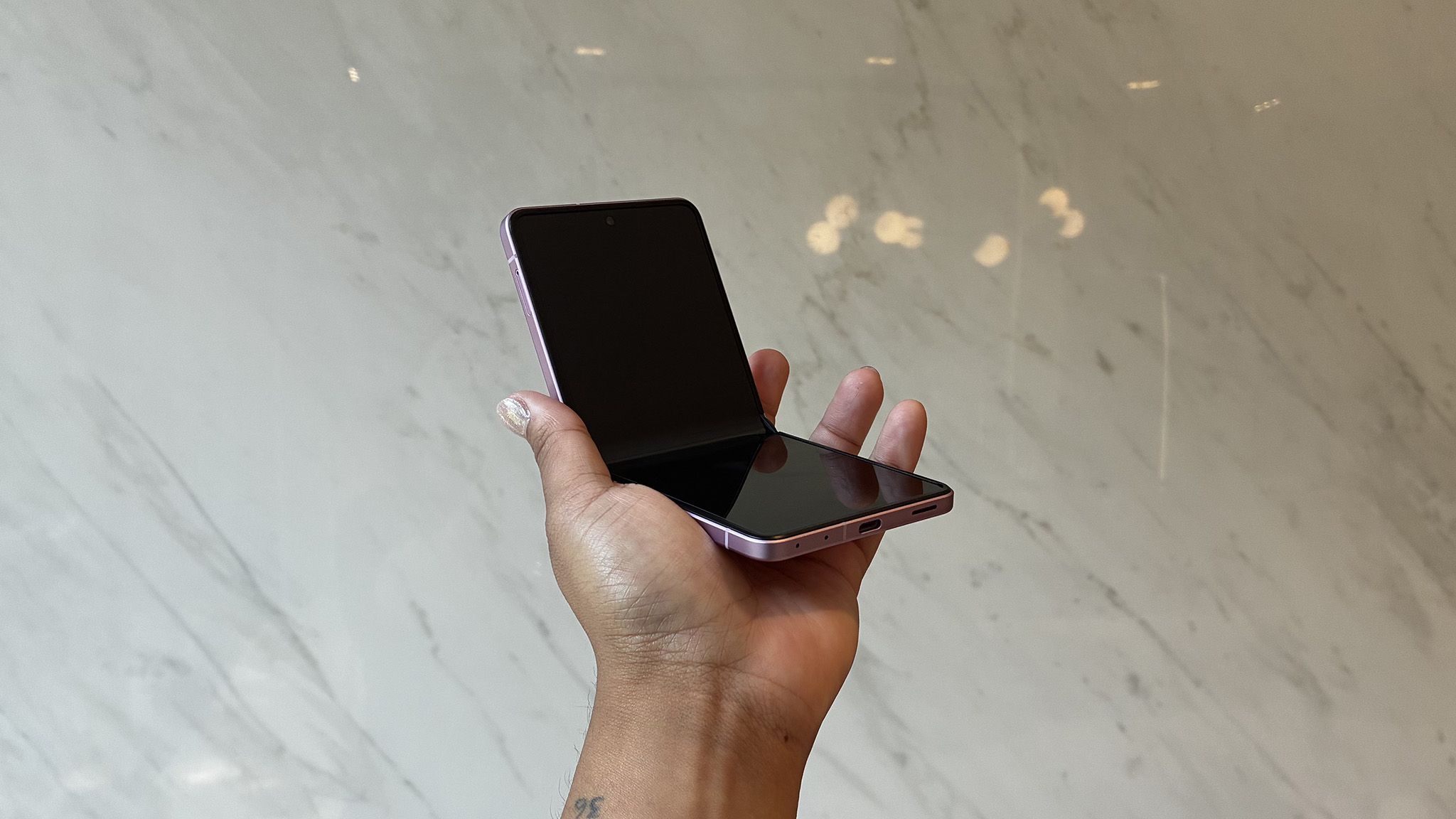
Analysts suggest that if Samsung were to retire the Z Flip line, it would likely be due to a combination of market saturation in the clamshell segment and the rising popularity of "book-style" foldables that are becoming increasingly compact. The emergence of smaller versions of the Galaxy Z Fold 8, which offer greater screen real estate for productivity, may be cannibalizing the market share originally held by the fashion-forward Z Flip series.
A Chronology of the Galaxy Z Flip Series
To understand the stakes of the Galaxy Z Flip 9, it is essential to trace the lineage of the series. Since its inception, the Z Flip has been the primary driver of foldable adoption due to its lower entry price and nostalgic form factor.
- 2020: The Original Galaxy Z Flip: Samsung introduced the first Z Flip alongside the Galaxy S20. It was the first device to utilize "Ultra Thin Glass" (UTG), providing a more durable feel than the plastic-screened Galaxy Fold.
- 2021: Galaxy Z Flip 3: This model served as the breakthrough for foldables. With an IPX8 water resistance rating and a more usable 1.9-inch cover screen, it became the first foldable to reach mainstream sales volumes.
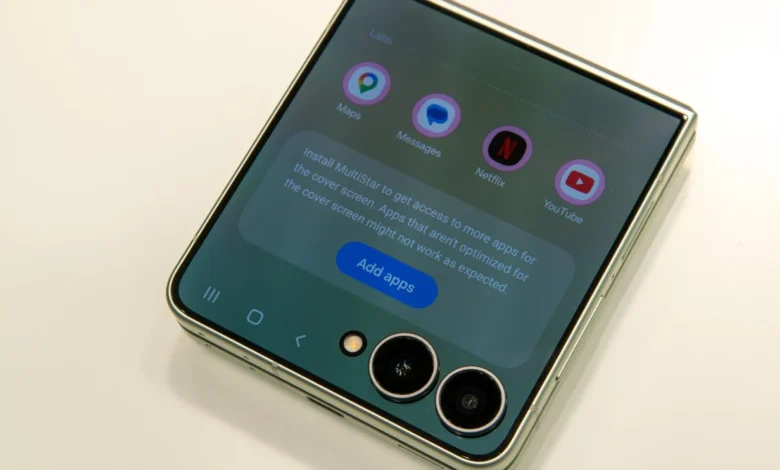
- 2023: Galaxy Z Flip 5: Samsung introduced the "Flex Window," a 3.4-inch external display that allowed users to interact with full apps without unfolding the device.
- 2024-2025: Galaxy Z Flip 6 and 7: These iterations focused on battery life, camera parity with the S-series (introducing 50MP sensors), and the integration of Galaxy AI.
- 2026: Galaxy Z Flip 8: The current model features a refined titanium frame, reduced thickness, and the first integration of silicon-carbon battery technology to maximize density.
The Galaxy Z Flip 9, projected for a 2027 release, stands at the end of this seven-year evolutionary chain. If it proceeds to production, it will represent the culmination of nearly a decade of foldable research and development.
Projected Release Timeline and Pricing Volatility
Historically, Samsung has utilized a mid-to-late summer window for its "Unpacked" events dedicated to foldables and wearables. Following this established cadence, the Galaxy Z Flip 9 would likely be announced in July 2027, with a retail launch following in early August.
However, the pricing strategy for the Z Flip 9 remains a point of concern for market analysts. The Z Flip series has traditionally been positioned as the "entry-level" foldable, often hovering around the $999 to $1,099 price point. This accessibility has been crucial to its success. However, several macroeconomic factors threaten this pricing structure:
- Component Costs: The global surge in Artificial Intelligence (AI) data centers has led to a dramatic increase in the demand for high-bandwidth memory (HBM) and advanced semiconductors. This demand has a "trickle-down" effect on the consumer electronics market, driving up the cost of RAM and NAND flash storage.
- Advanced Materials: The shift toward titanium frames and silicon-carbon batteries, while beneficial for durability and weight, carries a higher manufacturing cost than traditional aluminum and lithium-ion components.
- Inflationary Pressure: General global inflation continues to impact logistics and labor costs within the electronics supply chain.
Industry experts warn that if the Galaxy Z Flip 9 requires another price hike, it may lose its competitive edge against traditional slab-style flagships like the Galaxy S27 Ultra or the iPhone 19 Pro.
Anticipated Technical Specifications and Design Refinements
Should Samsung move forward with the Galaxy Z Flip 9, the device is expected to address several long-standing hardware limitations.
Slimming Down the Form Factor
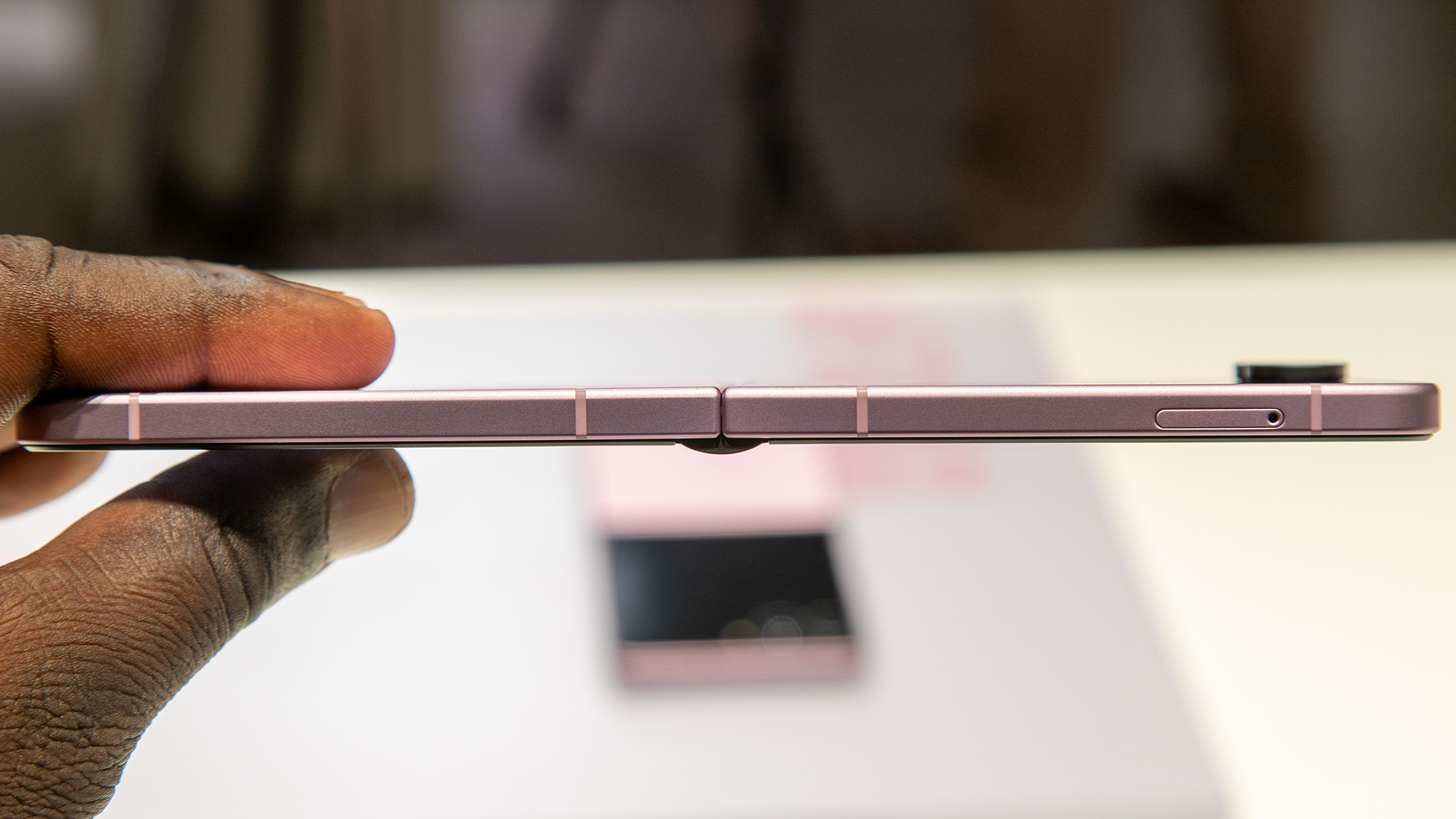
While the Galaxy Z Flip 8 made strides in reducing device thickness, it has yet to reach the ultra-slim profiles seen in some Chinese-manufactured competitors. The Z Flip 9 is expected to leverage a new generation of hinges and even thinner UTG. The continued use of silicon-carbon (Si-C) in the battery—potentially increasing silicon content beyond 10%—could allow Samsung to maintain or increase the 4,000mAh+ battery capacity while further reducing the physical footprint of the cells.
Display Innovations and Eye Health
One of the most significant rumored upgrades for the 2027 flagship lineup is the "Privacy Display." This technology, rumored to debut on the Galaxy S26 Ultra, uses specialized light-directing layers to prevent off-angle viewing, ensuring that sensitive information remains visible only to the user.
Furthermore, Samsung is under pressure to address Pulse Width Modulation (PWM) flickering. Rivals in the foldable space have introduced high-frequency PWM dimming (up to 3,840Hz) to reduce eye strain for sensitive users. Samsung’s current panels have lagged in this area, and the Z Flip 9 is seen as a critical opportunity for the company to prioritize "eye-care" features.
The Camera Conundrum
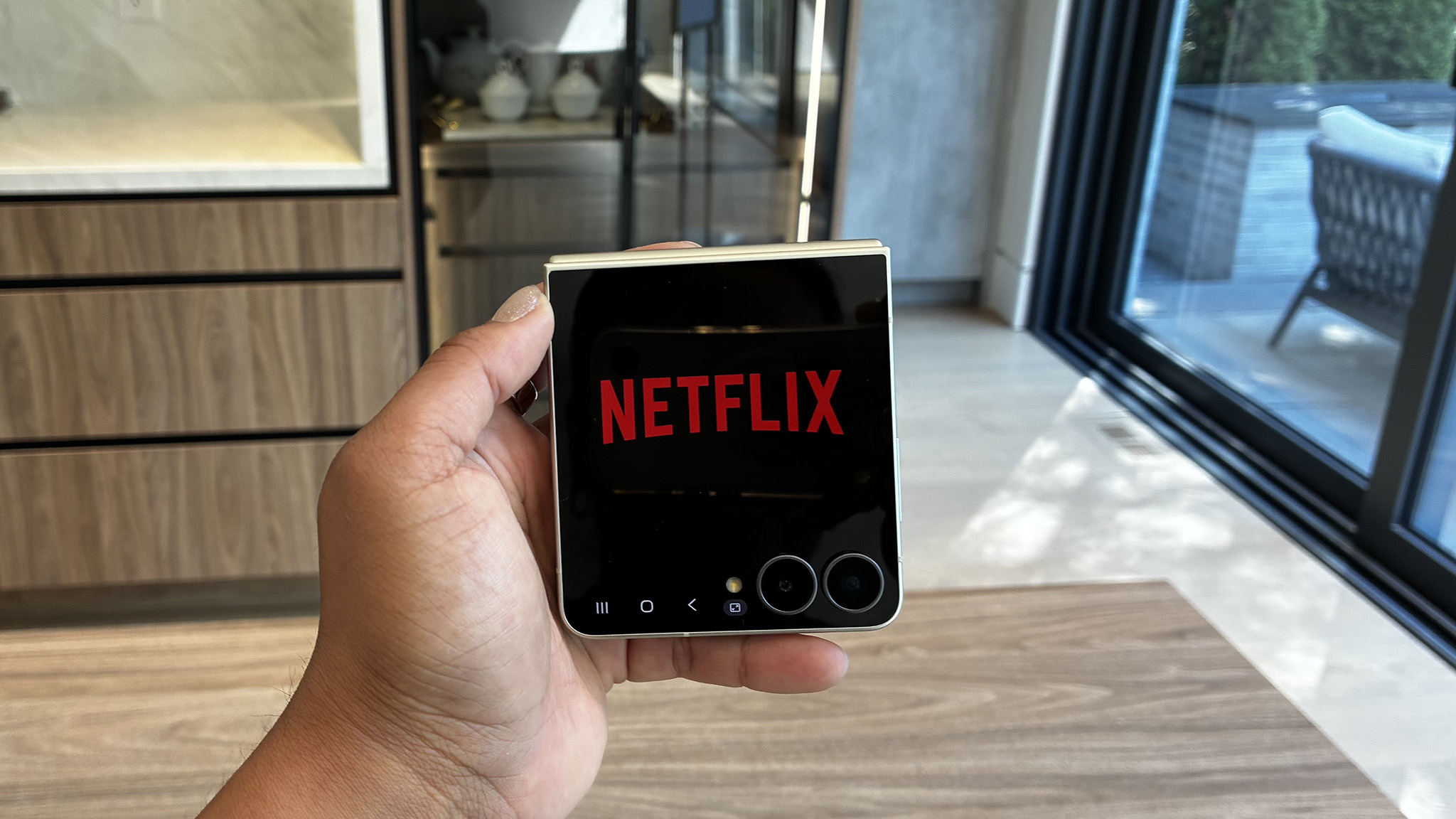
The most requested hardware addition for the Z Flip series remains a dedicated telephoto lens. Currently, the series utilizes a dual-camera setup (Wide and Ultrawide). To compete with "Pro" level smartphones, the Z Flip 9 would need to incorporate a periscope or compact telephoto module. The engineering challenge lies in the limited internal space of the top half of the device, which is already crowded with the cover display and sensors.
Market Context: Competition and Consumer Trends
The potential end of the Z Flip line does not occur in a vacuum. The foldable market has become increasingly crowded. Motorola’s Razr+ has gained significant traction in North America by offering a more aggressive price point and a highly functional external display. Simultaneously, brands like Oppo, Vivo, and Xiaomi have pushed the boundaries of foldable thinness in Asian and European markets.
Furthermore, a new category of "fun-sized" book-style foldables is emerging. These devices fold like a book but have a smaller overall footprint than the Galaxy Z Fold series. If these devices can offer the productivity of a Fold with the pocketability of a Flip, the traditional clamshell may become redundant.
Analysis of Broader Implications
The decisions Samsung makes regarding the Galaxy Z Flip 9 will have ripple effects throughout the mobile industry. As the market leader, Samsung’s retreat from a specific form factor often signals a shift in consumer interest or a pivot toward a new technological "North Star."
If the Z Flip 9 is indeed the final model, it may pave the way for a "Galaxy Z Multi-Fold" or a rollable smartphone. Samsung Display has frequently showcased prototypes of "slidable" and "tri-fold" screens at trade shows like CES and MWC. The resources currently dedicated to the Z Flip could be redirected toward these next-generation form factors.
Conversely, if Samsung chooses to double down on the Z Flip 9, it will need to prove that the clamshell form factor can offer more than just a compact size. The integration of more advanced Galaxy AI features—specifically those that take advantage of the "Flex Mode" for hands-free translation or content creation—will be vital in justifying the device’s existence in a post-clamshell world.
Official Responses and Industry Outlook
At present, Samsung Electronics has not issued an official statement regarding the future of the Z Flip line beyond the current generation. The company typically maintains a policy of not commenting on rumors or future product roadmaps. However, during recent earnings calls, Samsung executives have emphasized a commitment to "leading the foldable market" and "optimizing the product portfolio to meet evolving consumer needs."
Industry analysts remain divided. Some view the potential end of the Z Flip as a logical step in the evolution of mobile hardware, while others believe the clamshell remains the most viable path to mass-market foldable adoption.
As 2027 approaches, the Galaxy Z Flip 9 stands as a symbol of the crossroads facing the mobile industry. Whether it arrives as a triumphant refinement of a beloved design or as a final farewell to the clamshell era, its development will undoubtedly define the next phase of Samsung’s technological legacy. For now, consumers and enthusiasts must wait as the supply chain begins to reveal the true nature of Samsung’s future folding ambitions.