Google regularly issues updates across its sprawling ecosystem through the official Google System Release Notes. These monthly documentation updates detail the latest enhancements, features, security patches, and behind-the-scenes modifications rolling out to Google Play services, the Google Play Store, and Play system updates. Because Android spans a diverse array of hardware and software environments—including smartphones, tablets, Wear OS smartwatches, Android TV, Google TV, Android Auto, and even PC integrations—these notes serve as the central ledger for changes impacting billions of active devices worldwide.
While some of these software changes are immediately visible to everyday consumers, others are targeted strictly at software developers, system administrators, or enterprise environments. The collection of first-party applications and services comprising the Google System operates largely in the background, ensuring that devices remain secure, apps function reliably, and new ecosystem-level features deploy smoothly without requiring a full operating system firmware upgrade from device manufacturers.
Navigating Google System Updates and Rollout Realities
For users seeking to verify or manage their device configurations, accessing these components requires navigating specific device menus. On Google Pixel devices, for instance, users can check for updates by opening the Settings application, tapping on their profile name at the top to access Google services, navigating through the All services tab, selecting Privacy & security, and finally checking System services. However, a crucial caveat governs the Android ecosystem: the appearance of a feature in an official Google System release log does not guarantee immediate availability. Due to Google’s phased rollout methodology, server-side flags, and regional testing parameters, certain capabilities can take several weeks or even months to reach every compatible device globally.
October 2026 Release Overview and Chronology
During October 2026, Google rolled out a steady stream of component updates across multiple software channels. The monthly cadence included iterative versions of Google Play services, the Google Play Store, Android WebView, Private Compute Services, and Android System Intelligence. Reviewing the chronological release history reveals how Google systematically refines core functionalities—spanning account management, device connectivity, safety and emergency protocols, system management, digital wallet features, and developer toolkits—over the course of several weeks.
Early October 2026: Initial Wave of Updates
The update cycle for October kicked off in the first week with targeted releases designed to enhance system intelligence and core service stability. On October 1, 2026, Google pushed out Android System Intelligence version B.29 / C.7, focusing on predictive text, contextual suggestions, and on-device machine learning operations.
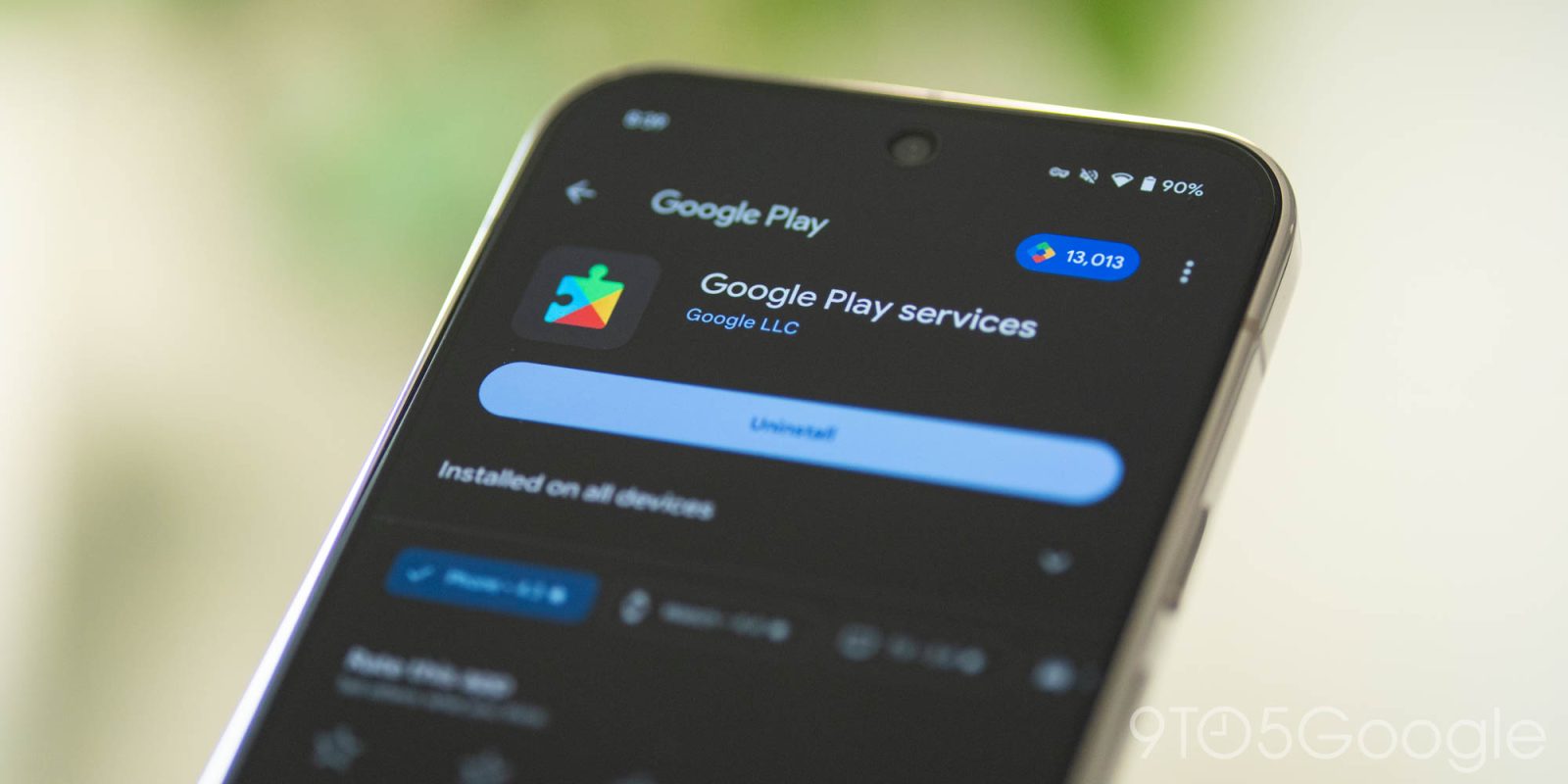
Shortly thereafter, on October 5, 2026, the company deployed Google Play services version v26.39. This release introduced foundational changes categorized under Account Management, Developer Services, Security & Privacy, and Wallet integrations. Concurrently, the Google Play Store received version v53.5 on October 5, introducing minor backend optimizations and interface refinements for app discovery. To round out the early-month updates, Android WebView version v156 arrived on October 7, 2026, delivering crucial web-rendering engine updates, security mitigations, and performance improvements for third-party applications embedding web content.
Mid-October 2026: Expanding Connectivity and System Management
As the month progressed into its second decade, Google accelerated its deployment schedule. On October 12, 2026, Google Play services v26.40 was released to the public and developer channels. This version placed heavy emphasis on Device Connectivity enhancements, streamlining how Android devices interact with accessories, nearby hardware, and cross-device services. Additionally, System Management improvements were integrated to optimize background resource allocation, reduce battery consumption, and enhance memory management. The Wallet category also received substantial updates on October 12, expanding support for digital ticketing, loyalty programs, and secure transit passes.
Simultaneously, the Google Play Store was updated to version v53.6 on October 12, introducing improved recommendation algorithms and enhanced download management tools.
Moving into the third week of the month, Google Play services v26.41 rolled out on October 19, 2026. This iteration focused heavily on Device Connectivity, Security & Privacy enhancements, and further refinements to Google Wallet. Alongside this, the Google Play Store received version v53.7 on October 19, continuing the trend of minor bug fixes and stability enhancements aimed at ensuring seamless app installation and update processing across diverse hardware configurations.
Late October 2026: Culmination of the Monthly Cycle
The final wave of October updates arrived in the fourth week of the month, consolidating the preceding changes and introducing late-month features. On October 22, 2026, Android WebView v157 was published, providing developers with updated web-rendering capabilities and addressing known vulnerabilities.

On October 26, 2026, Google released a major batch of updates. Private Compute Services reached versions B.31 / C.9, reinforcing the privacy-preserving machine learning infrastructure that handles sensitive on-device processing without exposing personal data to the cloud. On the same day, Google Play services v26.42 was introduced, featuring targeted updates across Account Management, Device Connectivity, Safety & Emergency protocols, and System Management. Finally, the Google Play Store hit version v53.8 on October 26, closing out the monthly update cycle with final optimizations for user interface responsiveness and purchase processing.
Analysis of Implications and Ecosystem Impact
The regular monthly cadence of Google System updates highlights a fundamental shift in how modern operating systems are maintained. Historically, users had to wait for massive, infrequent annual firmware upgrades to receive new features or critical security fixes. By decoupling core functionalities from the base Android operating system—moving them into modular components managed via Google Play services and Play system updates—Google can patch security vulnerabilities, introduce privacy controls, and deploy new user-facing features dynamically.
This architecture offers significant advantages for the broader Android ecosystem. Device manufacturers, who often face complex logistical hurdles when pushing full firmware updates to older or budget-friendly handsets, are bypassed for a wide array of system-level improvements. Consequently, fragmentation is reduced, and a larger percentage of the active user base receives consistent security protections and feature rollouts simultaneously.
However, this modular approach also presents unique challenges. The reliance on server-side toggles means that users frequently experience uneven feature availability, leading to confusion when a feature documented in official release notes fails to appear on their specific device. Furthermore, as background services expand in scope and capability—managing everything from cryptographic identity documents in Google Wallet to advanced on-device machine learning models via Android System Intelligence—monitoring resource utilization and ensuring transparent data handling remain critical priorities for Google and independent privacy watchdogs alike.
Looking forward, the ongoing evolution of Google Play services, WebView, and Private Compute Services underscores the increasing complexity of mobile operating systems. As artificial intelligence, cross-device interoperability, and enhanced biometric security become standard expectations for consumers, the underlying infrastructure documented in the monthly Google System Release Notes will remain the foundational engine driving the Android experience across billions of screens.