Xiaomi 18 Pro and 18 Pro Max Debut as First Smartphones Powered by the Snapdragon 8 Elite Gen 6 Series

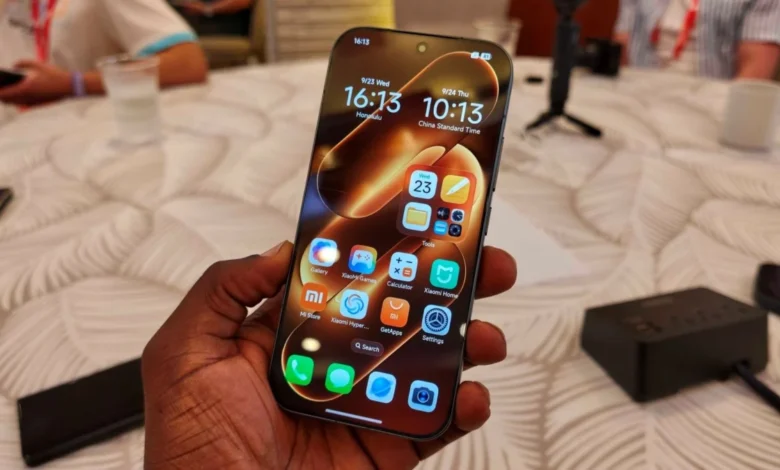
The mobile technology landscape reached a significant milestone this week at the annual Snapdragon Summit, where Xiaomi officially unveiled its latest flagship entries: the Xiaomi 18 Pro and the Xiaomi 18 Pro Max. These devices serve as the industry’s first consumer-ready smartphones to integrate the highly anticipated Snapdragon 8 Elite Gen 6 chipset. Qualcomm, the semiconductor giant, hosted the event to demonstrate the next generation of mobile computing, positioning these devices as the new performance benchmarks for the Android ecosystem.
Architectural Innovations and Chipset Integration
The integration of the Snapdragon 8 Elite Gen 6 marks a departure from previous iteration cycles, focusing heavily on power efficiency and on-device artificial intelligence processing. Industry analysts suggest that the shift to this architecture allows for more complex neural network tasks to be performed locally on the handset rather than relying on cloud-based latency.
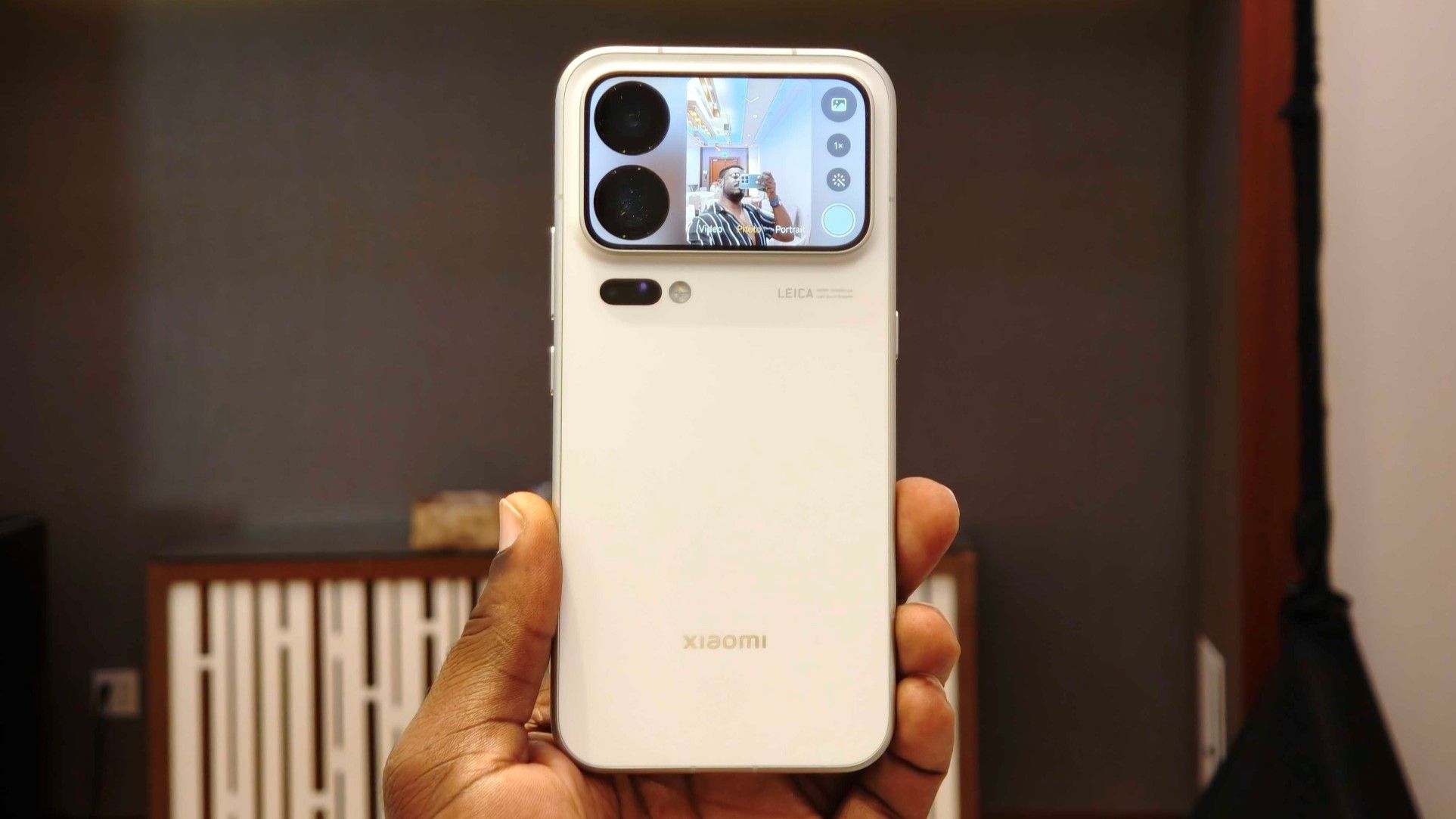
For the Xiaomi 18 Pro series, this translates into a significant leap in computational photography and multitasking capabilities. The chipset’s architecture is specifically optimized for high-refresh-rate displays and the unique dual-screen configuration that defines the Xiaomi 18 Pro’s exterior. By offloading display-management tasks to a dedicated co-processor within the Snapdragon 8 Elite package, the device manages to maintain high performance without the thermal throttling often associated with previous flagship generations.
Chronology of the Xiaomi 18 Series Launch
The path to the launch of the 18 Pro series began with the successful market reception of the Xiaomi 17 Pro, which established the "Pro Max" naming convention in the Chinese market.
- Q1 2026: Initial testing of the Snapdragon 8 Elite architecture in controlled environments.
- June 2026: Regulatory filings in China confirmed the development of two distinct models, codenamed internally for high-capacity battery integration.
- September 2026: Official unveiling at the Snapdragon Summit, marking the first time the hardware was presented to an international audience of developers and journalists.
- Late 2026/Early 2027 (Projected): Scheduled global rollout, with specific market availability to be confirmed.
This rapid development cycle underscores Xiaomi’s commitment to securing "first-to-market" status for Qualcomm’s latest silicon, a strategy that has become a core component of their competitive positioning against other major smartphone manufacturers like Samsung and Oppo.
Battery Technology and Power Management
A defining feature of the Xiaomi 18 Pro and 18 Pro Max is the significant increase in battery capacity. The Xiaomi 18 Pro features a 7,000mAh silicon-carbon battery, while the 18 Pro Max pushes this to 8,500mAh. This represents a 1,000mAh increase over the preceding 17 Pro series.
The use of silicon-carbon battery technology is a strategic choice, allowing for higher energy density in a physical footprint that remains consistent with previous generations. While the devices are physically thicker, the distribution of weight ensures they remain ergonomically balanced. This leap in capacity is designed to support the power-intensive nature of the 120Hz secondary rear display and the continuous background processing required by the latest AI-enhanced camera suites.
The Evolution of the Rear Display Interface
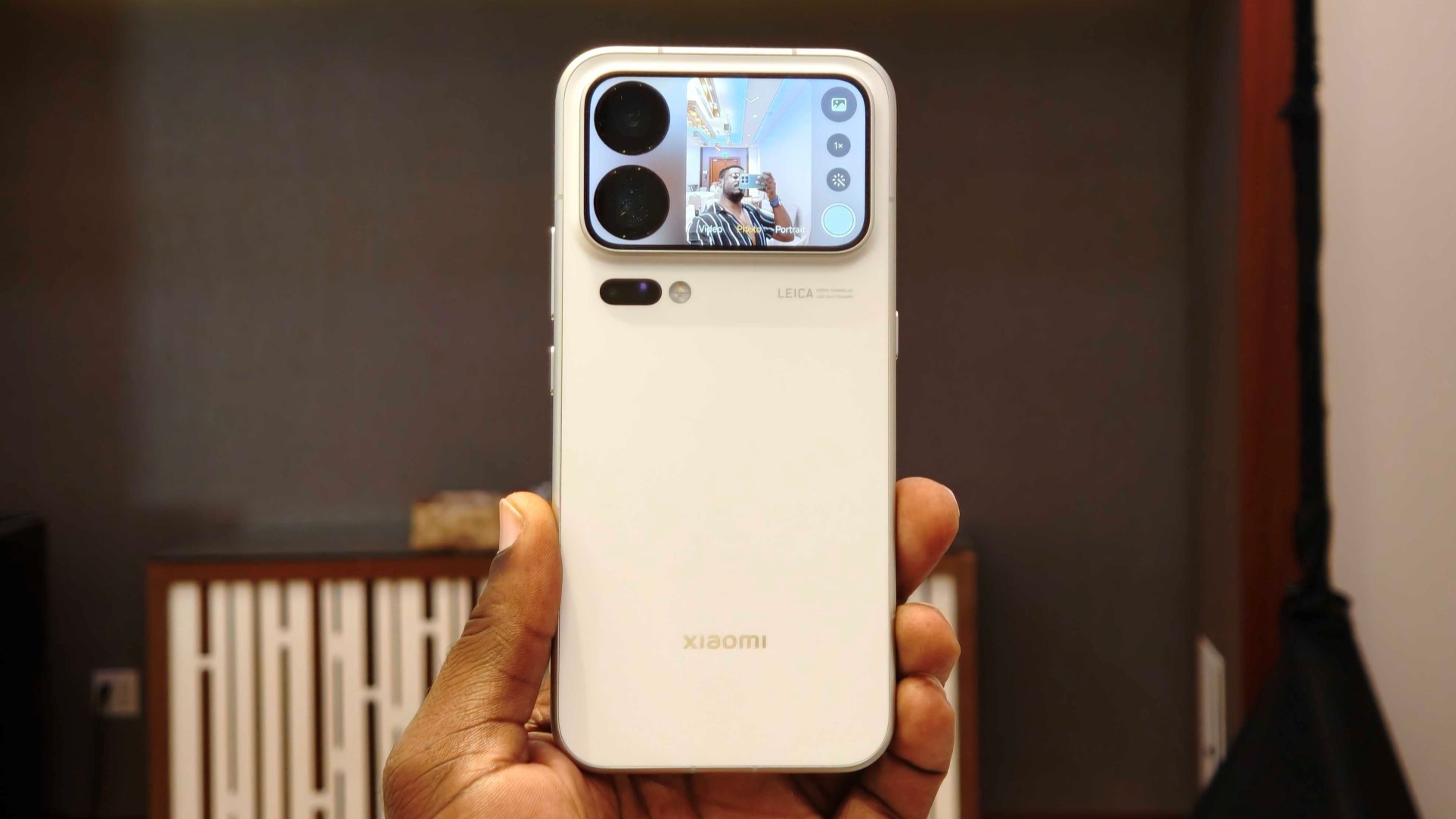
The Xiaomi 18 Pro maintains the unique design language of its predecessor, specifically the 2.7-inch secondary display integrated into the rear camera housing. While aesthetically similar, the utility of this screen has been expanded through firmware integration with the Snapdragon 8 Elite’s ISP (Image Signal Processor).
The rear display now serves as a high-fidelity viewfinder for the device’s 200MP primary camera. This allows for professional-grade selfie photography using the main sensor array, bypassing the quality limitations typically inherent in front-facing cameras. Furthermore, the secondary display is configured to show context-aware notifications and interactive widgets, reducing the frequency with which the user must wake the primary, power-hungry AMOLED panel.
Privacy Display: A New Standard for Data Security
Following the recent adoption of specialized privacy-focused display tech in the high-end market—most notably seen in the Samsung Galaxy S26 Ultra—Xiaomi has introduced its own iteration: the "Privacy Display."
Technical documentation suggests that Xiaomi’s implementation utilizes a proprietary pixel-level aperture control. Unlike conventional privacy screens that rely on polarizing films which can degrade brightness and color accuracy, Xiaomi’s approach uses a hardware-level adjustment of the display’s light emission angle. This ensures that the screen content remains visible only to the primary user, while appearing obscured or blacked out to those viewing from an off-axis angle.
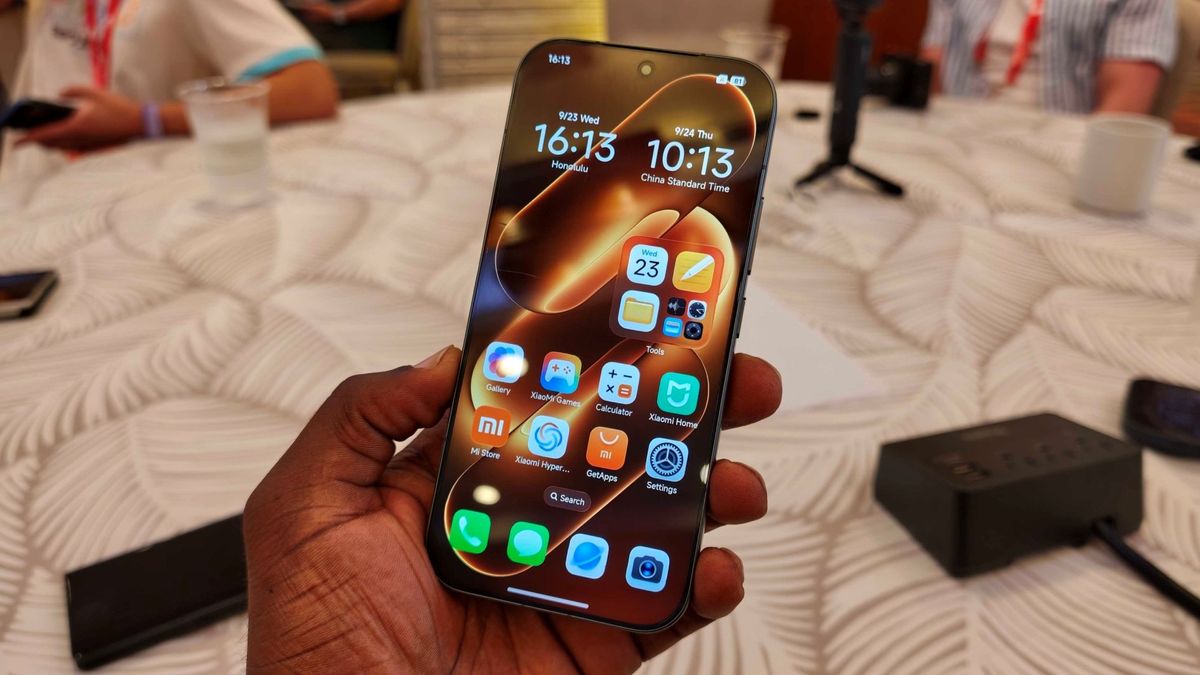
The system is highly granular, allowing users to apply this privacy filter to specific windows, such as a banking app or a split-screen messaging thread, without affecting the rest of the display. This capability is managed by the device’s secure enclave, ensuring that the privacy layer cannot be overridden by third-party software.
Market Implications and Global Outlook
The Xiaomi 18 Pro series is currently limited to the Chinese market, a trend that has persisted with the brand’s more experimental flagship designs. However, industry observers have noted a shift in Xiaomi’s global strategy. The inclusion of the 18 Pro series in international showcase events like the Snapdragon Summit suggests that a broader, albeit selective, global release is imminent.
There is significant speculation regarding whether the North American market will see a retail release of the 18 Pro. Given the current competitive climate, Xiaomi’s entry would likely face intense scrutiny regarding carrier compatibility and regulatory compliance. Nonetheless, the device serves as a "halo product," intended to demonstrate the technical ceiling of the Snapdragon 8 Elite platform and influence consumer perception of the Xiaomi brand as a leader in high-end innovation.
Future Perspectives
As the industry moves toward the end of 2026, the Xiaomi 18 Pro series serves as a case study for the convergence of hardware efficiency and software utility. By prioritizing battery density and specialized display technologies, Xiaomi is addressing two of the most common consumer complaints regarding modern smartphones: battery longevity and data privacy.

The success of the 18 Pro series will likely depend on the effectiveness of the global rollout and the ability of the software interface to integrate seamlessly with international app ecosystems. If successful, the features debuted on the 18 Pro—particularly the enhanced rear-display utility and the high-density silicon-carbon battery—are likely to become the new baseline for flagship smartphones throughout 2027.
While the technical specifications are impressive, the true test will be the real-world performance of the Snapdragon 8 Elite Gen 6 under sustained, heavy-load usage. With its combination of advanced cooling, high-capacity power systems, and innovative user-interface features, the Xiaomi 18 Pro is positioned to occupy a unique space in the premium mobile market, catering to power users who demand both high-end computational performance and physical utility.