Motorola Teases a Wider Razr Fold in Direct Response to Apple’s iPhone Duo Announcement

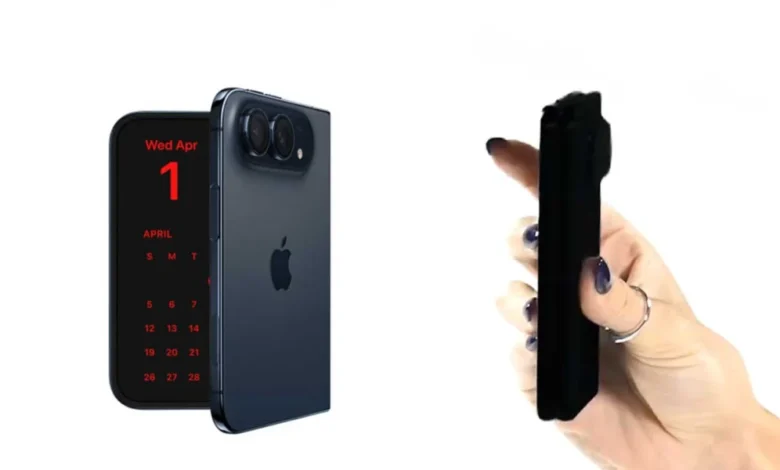
The entrance of Apple into the foldable smartphone market has officially upended the mobile industry, provoking swift and strategic reactions from established competitors. Following Apple’s much-anticipated unveiling of its debut foldable device, the iPhone Duo, Motorola has responded by offering a cryptic yet deliberate glimpse into its own hardware pipeline. Rather than issuing a standard corporate press release, Motorola utilized social media to showcase a silhouette of an unannounced, short, and wide foldable device, signaling that the company is actively preparing to challenge Apple’s design philosophy in the evolving foldable category.
This competitive maneuvering highlights a pivotal moment for the smartphone sector. For years, the foldable market was dominated by pioneers like Samsung and Motorola, who experimented with various form factors ranging from vertical flip phones to book-style horizontal foldable devices. Apple’s entry with the iPhone Duo—a device bearing a striking resemblance to earlier book-style foldables like the original Google Pixel Fold—has shifted market dynamics, prompting legacy manufacturers to aggressively defend their turf and showcase their readiness for the next generation of mobile engineering.
A Retrospective on Flip Phone Evolution and the Foldable Transition
Motorola’s response came via an Instagram post that blended nostalgia with aggressive future-facing product teasing. The video compilation opens with a nostalgic nod to the past, displaying a sequence of historical Motorola Razr devices snapping shut, anchored by the iconic pink Razr flip phone that defined an era of mobile communication. The progression rapidly moves forward through subsequent generations of vertical flip foldables before culminating in the Motorola Razr Fold, which was released earlier this year.
The video’s climax introduces a stark blacked-out silhouette of an unreleased device. Unlike the taller, narrower profile of the current Razr Fold, this mysterious prototype adopts a noticeably shorter and wider aspect ratio—a physical dimension that heavily mirrors the newly announced iPhone Duo and Samsung’s recent hardware iterations. Accompanying the video, Motorola cryptically labeled the device as its “next move,” leaving little doubt that the company intends to pivot or expand its lineup to include a wider horizontal foldable form factor.
Analyzing the Silhouette: Design Clues and Hardware Speculation
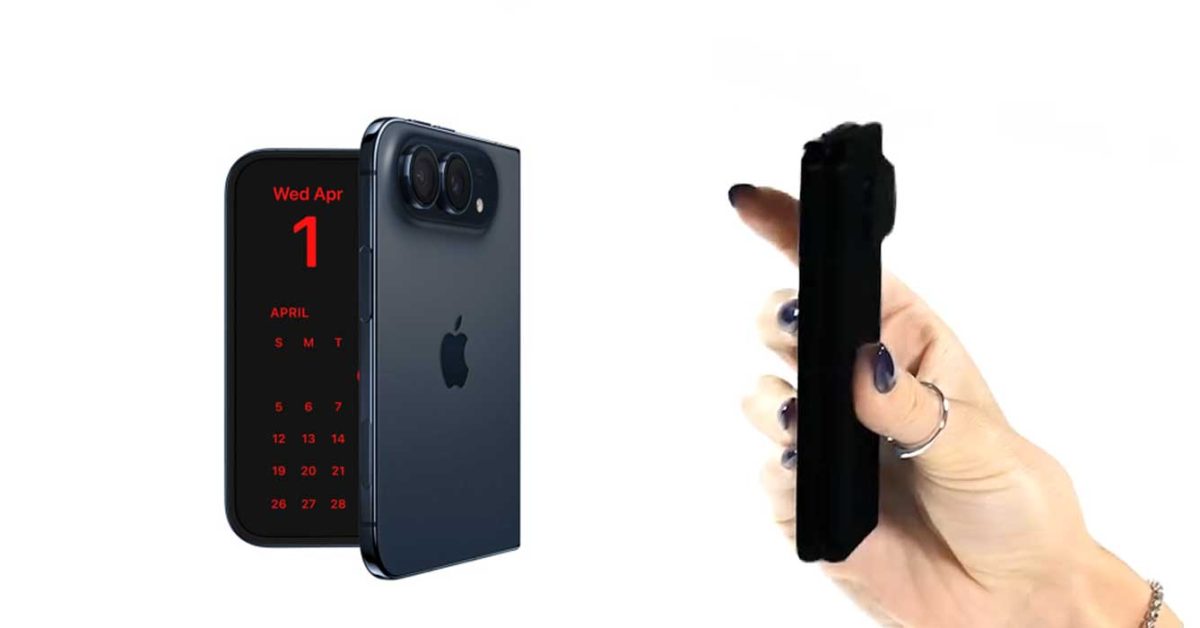
While the teaser video relies primarily on shadow and outline, industry analysts and tech enthusiasts have meticulously examined the brief frames for tangible hardware details. Observant viewers noted that the device’s rear camera bar appears to span the entire horizontal width of the back panel, diverging from the localized camera islands seen on previous Motorola foldables. Additionally, a distinct button configuration is visible on the upper left section of the inner display view, setting it apart from competitors like the iPhone Duo, which features dual volume rockers housed on the right-hand chassis.
Because the teaser offers little more than a generalized silhouette, these preliminary observations remain speculative. Motorola has not yet disclosed official specifications, pricing, marketing names, or projected release windows for the device. Nevertheless, the strategic timing of the teaser underscores the intense competition brewing within the upper echelons of the smartphone industry. By establishing its presence in the wide-format foldable conversation early, Motorola aims to capture consumer attention before Apple and Samsung fully saturate the market with their respective hardware offerings.
Industry Fallout and Competitor Posturing
The competitive ripple effects of the iPhone Duo announcement extended far beyond Motorola’s creative marketing division. Major market players immediately took to digital platforms to address Apple’s long-awaited debut. Samsung’s corporate social media teams published a rapid succession of posts on X (formerly Twitter), though industry observers noted that these initial reactions lacked tangible product announcements, leaning instead into defensive corporate positioning.
In contrast, Motorola’s approach was product-centric. By showcasing a concrete physical design alternative—even in silhouette form—Motorola positioned itself as an active innovator capable of matching Apple’s hardware shifts in real-time. This divergence in strategy illustrates the high stakes involved. Apple’s brand equity and vast consumer ecosystem mean that its entry into the foldable segment will inevitably legitimize and accelerate consumer adoption of folding screens, forcing Android manufacturers to elevate their hardware and software propositions simultaneously.
The Growing Demand for Short and Wide Foldable Form Factors
The industry-wide pivot toward shorter and wider foldable devices is not occurring in a vacuum. Early iterations of book-style foldables frequently favored a tall, narrow outer display that functioned awkwardly for standard typing and application usage when folded, requiring users to unfold the device for routine tasks. Recent hardware trends pioneered by Samsung with its latest Galaxy Z Fold iterations, and now solidified by Apple’s iPhone Duo design choices, demonstrate a clear consumer and engineering preference for a wider outer aspect ratio.

This wider canvas provides a more conventional smartphone experience on the cover screen, making one-handed operation and everyday messaging significantly more intuitive. Motorola’s apparent development of a wide Razr Fold suggests that the company is listening closely to ergonomic feedback and market research, ensuring its product portfolio aligns with evolving consumer expectations rather than remaining static.
Broader Market Implications and Future Outlook
Apple’s arrival in the foldable market is widely projected to serve as a watershed moment for the technology sector. Historically, new product categories introduced or validated by Apple experience accelerated mainstream penetration, as mainstream consumers who previously hesitated due to durability concerns or niche appeal feel more confident investing in the technology. For Android heavyweights like Samsung, Google, and Motorola, this mass validation represents both an opportunity and a threat.
While a larger overall market expands the potential consumer base for all foldable manufacturers, Apple’s formidable software integration and ecosystem loyalty mean that Android competitors must work harder to differentiate their hardware features and software multitasking capabilities. Motorola’s hint at a wide Razr Fold indicates that the company is prepared to compete directly on form-factor versatility and hardware refinement.
As the dust settles on the initial wave of announcements and competitive teasers, attention now turns to execution. Neither Apple’s iPhone Duo nor Motorola’s mysterious wide foldable concept exist in a fully realized, commercially available vacuum of current market availability, setting the stage for a fiercely contested holiday and upcoming product cycle. For consumers, this corporate rivalry promises rapid innovation, refined hardware ergonomics, and an increasingly mature foldable smartphone ecosystem.