Pebblebee Expands Tracking Ecosystem with Battery-Free Link Bag Tags and Specialized Pet Collar ID Solutions

Pebblebee, a prominent developer in the asset-tracking industry known for its integration with the Google Find My Device and Apple Find My networks, has officially announced the expansion of its product lineup with the introduction of two new battery-free identification solutions: the Link Bag Tag and the Collar ID. These products represent an evolution of the company’s proprietary Link QR code system, which was first established in early 2025 to provide a low-cost, maintenance-free alternative to electronic Bluetooth and GPS trackers. By leveraging passive QR technology, Pebblebee aims to address the vulnerabilities of traditional tracking—such as battery depletion and hardware failure—while providing a secure, privacy-focused method for returning lost luggage and pets to their rightful owners.
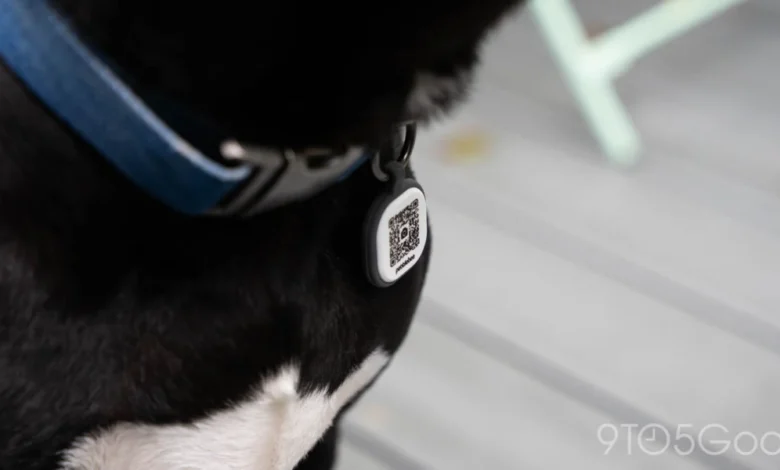
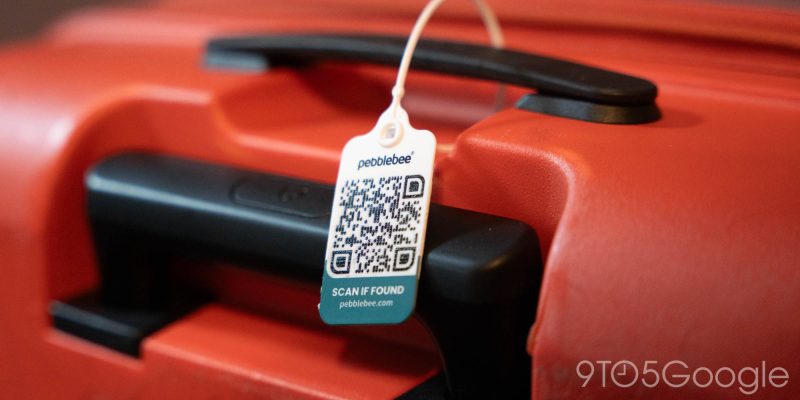
The launch of these products comes at a time when global travel and pet ownership are reaching record levels, alongside a growing demand for streamlined recovery services. The Link Bag Tag is specifically engineered for the rigors of commercial aviation and transit, featuring a TSA-friendly design and tamper-evident construction. Simultaneously, the Collar ID for pets introduces a ruggedized, chew-resistant identification tag designed to integrate with digital pet registries. Both products operate without the need for internal power sources, relying instead on a "Good Samaritan" model where finders scan a unique QR code to initiate a secure, anonymized communication channel with the owner.

The Evolution of Passive Tracking: Chronology and Context
The trajectory of Pebblebee’s product development has shifted significantly over the last several years. Originally gaining traction through successful crowdfunding campaigns for Bluetooth-enabled tracking discs, the company eventually became a key partner for both Apple and Google, developing hardware that utilizes the massive "crowd-sourced" networks of smartphones to locate missing items. However, active electronic trackers have inherent limitations: they require periodic charging or battery replacement, they are relatively expensive, and their internal components can be damaged by extreme environmental conditions.
Recognizing these gaps, Pebblebee introduced the Link QR code system in early 2025. This system moved away from active radio signals toward a web-based recovery platform. The initial release featured adhesive Link stickers that could be placed on smaller items like laptops or water bottles. The current release of the Link Bag Tag and Collar ID represents the second phase of this strategy, applying the Link technology to specialized form factors that demand higher durability and specific regulatory compliance.
Detailed Product Specifications and Technical Architecture
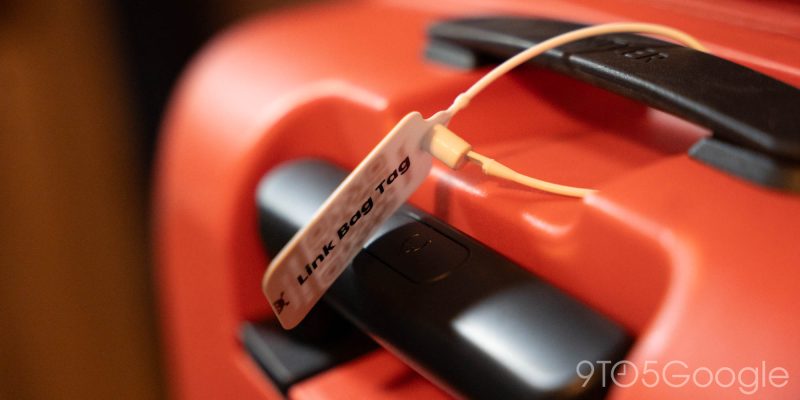
The Link Bag Tag is sold as a five-pack for $13.00, positioning it as a high-volume solution for families or frequent travelers. Unlike standard paper or plastic luggage tags that display a traveler’s home address or phone number to anyone passing by, the Pebblebee solution utilizes a dynamic landing page. When a user scans the QR code, they are directed to a secure portal. The owner has total control over what information is displayed on this page, and the system facilitates private communication. This ensures that the owner’s sensitive data remains protected while still allowing a baggage handler or fellow traveler to report a found item.
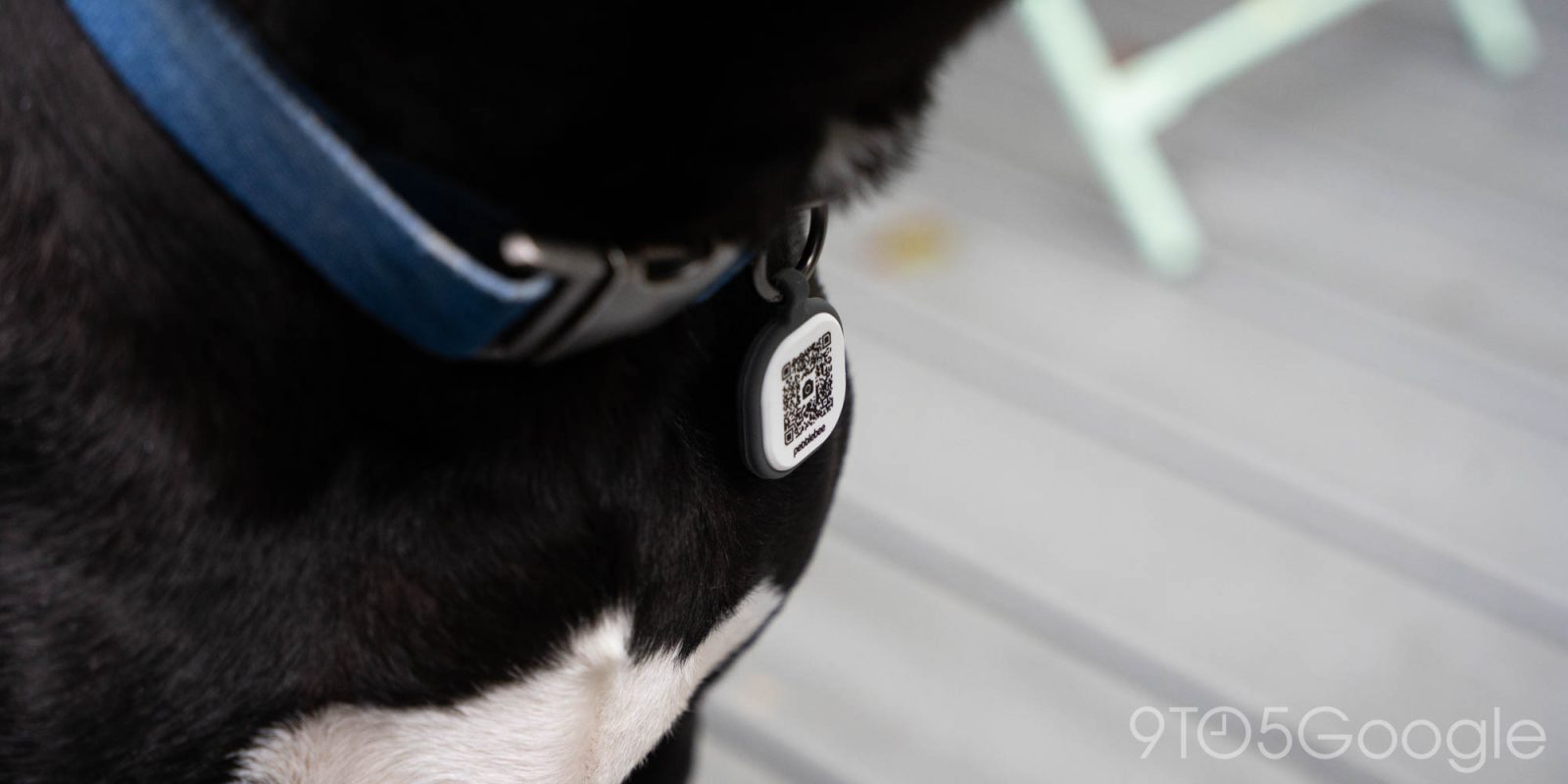
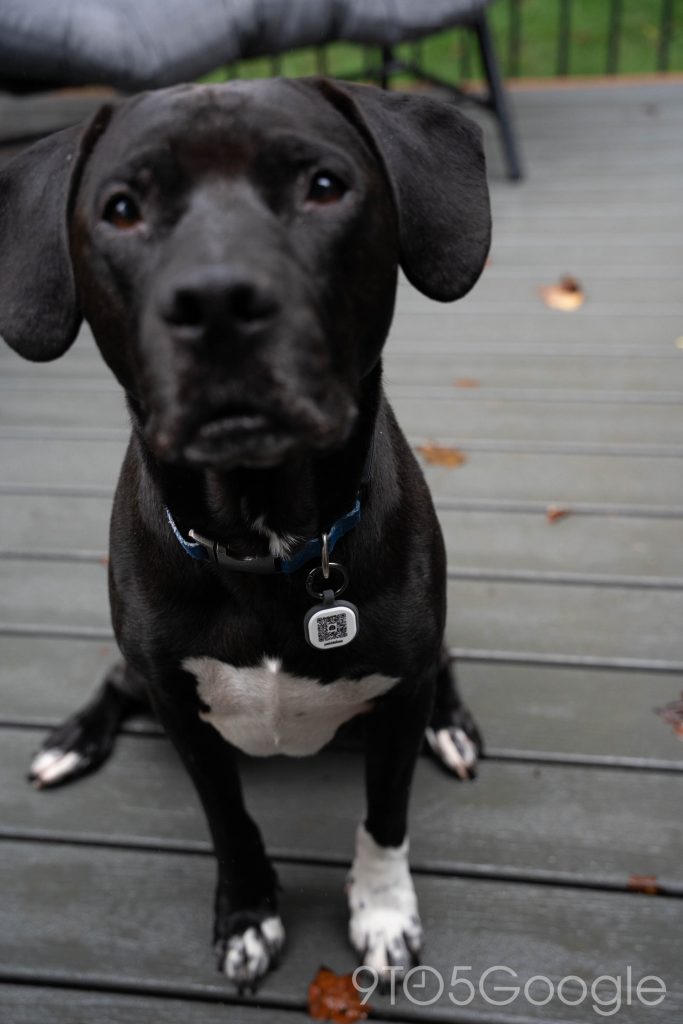
The Collar ID for pets is a more robust single-unit offering priced at $14.95. Measuring 1.26 inches by 1.73 inches, the tag is designed to withstand the physical activity of domestic animals. It is waterproof and constructed from materials Pebblebee describes as "chew-resistant," addressing a common failure point in traditional pet tags. Beyond simple identification, the Collar ID is integrated into the Pebblebee mobile application, allowing owners to toggle a "Lost Mode." In this state, the tag’s digital profile is updated to include the last-seen date and specific instructions for the finder. Furthermore, the system is designed to automatically sync with local pet registries, increasing the visibility of the lost animal to animal shelters and veterinary clinics.
Supporting Data: The Growing Crisis of Lost Assets
The necessity for such products is underscored by contemporary statistics regarding lost property and pets. According to the 2024 SITA Baggage IT Insights report, the rate of mishandled baggage globally has seen a significant uptick as air travel recovers to pre-pandemic levels, with millions of bags delayed, lost, or stolen annually. While active trackers like the Pebblebee Clip or Apple AirTag are useful for locating a bag within a terminal, they do not provide a direct means for a finder to contact the owner if the bag is found in a location without a dense network of smartphones. The Link Bag Tag fills this void by providing a universal interface that requires nothing more than a smartphone camera and an internet connection.
In the veterinary sector, the data is equally compelling. Industry research from the American Humane Association suggests that one out of every three pets will go missing at some point in their lifetime. While microchipping is a vital tool, it requires a specialized scanner usually found only at shelters or clinics. A QR-based collar tag provides an immediate, "on-the-spot" recovery tool for neighbors or community members who find a wandering animal, potentially resolving the situation before the pet ever needs to enter the formal shelter system.
Strategic Positioning and Industry Reactions
Industry analysts view Pebblebee’s move into battery-free tags as a strategic diversification of their portfolio. By offering products at a lower price point ($2.60 per bag tag in a 5-pack versus $25–$30 for a single electronic tracker), Pebblebee is lowering the barrier to entry for asset protection. This "hybrid" approach—using an active tracker for real-time location and a passive QR tag for identification—is becoming a recommended best practice for high-value assets.
While Pebblebee has not released formal statements from airline partners, the "TSA-friendly" designation of the Link Bag Tag suggests a design philosophy intended to minimize friction during security screenings. Aviation security experts have historically cautioned against trackers with large lithium-ion batteries; by removing the battery entirely, Pebblebee eliminates any potential regulatory hurdles regarding hazardous materials in checked luggage.
For pet owners, the reaction from the animal welfare community has been largely positive. Digital tags that link to registries are seen as a necessary redundancy to physical microchips. The ability to update a pet’s medical information or "lost" status in real-time via a QR code offers a level of flexibility that traditional engraved metal tags cannot match.
Broader Implications for Privacy and Recovery Networks
One of the most significant implications of the Pebblebee Link system is its approach to data privacy. Traditional "Lost and Found" methods often require the owner to expose their phone number or address. In an era of increasing concerns over stalking and identity theft, the Pebblebee platform acts as a protective buffer. The private chat feature allows for the coordination of an item’s return without the exchange of personal contact details until the owner feels it is safe to do so.
Furthermore, the "battery-free" nature of these tags contributes to environmental sustainability. The consumer electronics industry faces ongoing criticism regarding the lifecycle of small, battery-powered devices that often end up in landfills once their non-replaceable batteries expire. By creating a tracking solution that relies on durable physical materials and cloud-based software rather than disposable circuitry, Pebblebee is aligning with broader tech industry trends toward longevity and waste reduction.
Market Outlook and Future Prospects
As Pebblebee continues to integrate its hardware with major ecosystem players like Google and Apple, the addition of the Link series provides a comprehensive "safety net" for users. The company’s strategy appears to be the creation of a tiered security model:
- Tier 1 (Active): Bluetooth/Find My trackers for real-time proximity and location history.
- Tier 2 (Passive): QR Link tags for identification, "Good Samaritan" recovery, and long-term durability.
Looking forward, it is likely that the Link QR system will be licensed or integrated into third-party products, such as luggage manufactured with built-in QR recovery codes or pet collars with integrated Pebblebee technology. The low cost of implementation for QR technology makes it a highly scalable solution for global logistics and personal property management.
In conclusion, the Pebblebee Link Bag Tag and Collar ID represent a pragmatic shift in the tracking industry. By acknowledging that technology is most effective when it is accessible, durable, and maintenance-free, Pebblebee has developed a system that complements the high-tech Find My networks with the simplicity of a scanable code. Whether for a traveler navigating international airports or a pet owner seeking peace of mind, these battery-free solutions provide a vital link in the chain of asset recovery, ensuring that even when the power runs out, the connection to one’s most valued possessions remains intact.