Microsoft Office Professional Plus 2019 for Windows Available for $16.97 in Limited-Time Lifetime License Offer

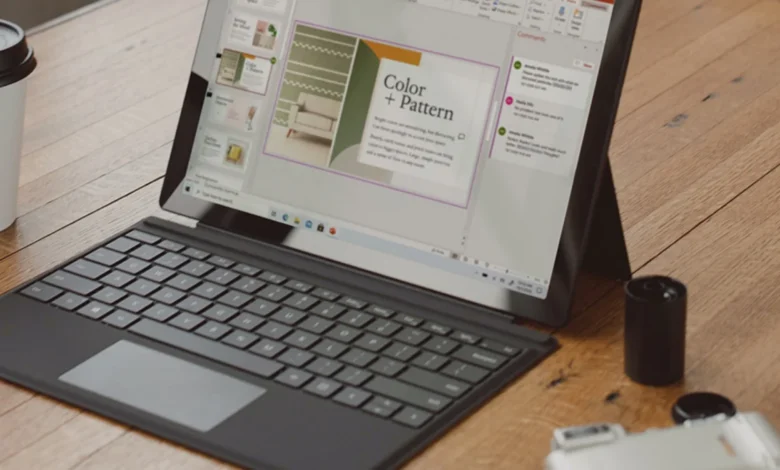
In the contemporary digital workspace, productivity suites form the absolute backbone of professional, academic, and personal organization. For decades, Microsoft Corporation’s suite of office applications has dominated this landscape, setting the industry standard for word processing, data management, and presentations. However, the software industry’s large-scale transition toward subscription-based cloud models—exemplified by services like Microsoft 365—has fundamentally altered how consumers acquire and maintain access to these essential tools. While subscriptions offer continuous updates and cloud storage benefits, they also introduce a persistent financial obligation that many budget-conscious users, freelancers, and small businesses find increasingly burdensome.
Addressing this growing consumer fatigue regarding recurring digital expenses, a notable flash sale has emerged in the retail technology sector. Through September 27, users can secure a lifetime license for Microsoft Office Professional Plus 2019 designed for a single Windows PC at a heavily discounted price of $16.97, plummeting drastically from its standard retail list price of $229. This promotional offering, made available through digital distribution channels, provides a permanent, single-install alternative to ongoing software rentals, reigniting conversations around the value proposition of standalone software versus cloud-managed ecosystems.
Comprehensive Feature Breakdown of the 2019 Suite
The Microsoft Office Professional Plus 2019 package is engineered to cater to power users who require robust, local processing capabilities without the necessity of a constant internet connection or cloud synchronization. Unlike basic web-only alternatives or entry-level tier packages, the Professional Plus iteration includes a comprehensive suite of seven core productivity applications tailored for intensive office environments.
At the center of the bundle remains Microsoft Word, the ubiquitous word-processing application utilized globally for drafting documents, academic papers, and professional reports. Accompanying Word is Microsoft Excel, the industry standard for spreadsheet management, complex data analysis, financial modeling, and macro-driven automation. For presentation design, Microsoft PowerPoint provides an expansive toolset for multimedia slideshows, corporate pitches, and educational seminars.
Communication and organization are anchored by Microsoft Outlook, which manages email correspondence, calendar scheduling, contact databases, and task tracking within a unified desktop interface. For information management and note-taking, Microsoft OneNote offers a digital notebook environment capable of organizing typed text, handwritten annotations, audio clippings, and web snippets.
Crucially, the Professional Plus edition includes two specialized applications typically omitted from standard home editions: Microsoft Publisher and Microsoft Access. Publisher empowers users to design and produce professional-grade marketing materials, newsletters, brochures, and greeting cards without requiring advanced graphic design training. Meanwhile, Microsoft Access delivers a powerful relational database management system enabling businesses and analysts to store, query, and report on large volumes of structured data locally.
The Evolution of Software Licensing: Subscription vs. Perpetual Models
To understand the significance of the Microsoft Office 2019 promotional pricing, it is necessary to examine the broader historical context of how Microsoft and the wider software industry distribute applications. For the majority of its history, Microsoft relied on a perpetual licensing model. Customers purchased a physical boxed copy or a digital product key once, installing the software indefinitely on a specific machine. While these versions eventually reached "end of support" milestones where security patches ceased, the software itself remained fully functional for as long as the hardware supported it.
During the early 2010s, industry analysts began observing a massive corporate pivot toward Software-as-a-Service (SaaS) frameworks. By shifting users to subscription models—such as Office 365, which later rebranded to Microsoft 365—technology companies guaranteed themselves a predictable, recurring monthly or annual revenue stream. For Microsoft, this transition aligned with a broader corporate strategy emphasizing cloud computing, cross-device synchronization via OneDrive, and real-time collaborative editing features powered by Azure data centers.
However, this structural shift created a distinct market segment of consumers who actively resist subscription fatigue. Many individual entrepreneurs, retirees, students, and small-office operators who rely solely on a single desktop computer have little use for cloud storage integrations, multi-device mobile licenses, or collaborative web apps. For these users, paying an annual fee for features they may never utilize translates to an inflated long-term cost. Consequently, secondary digital marketplaces offering discounted perpetual licenses for older iterations like Office 2019 or Office 2021 have carved out a substantial niche by catering specifically to price-sensitive buyers seeking an upfront, one-time purchase.
Industry Implications and Technical Considerations
While acquiring a fully featured professional productivity suite for under $20 presents an attractive economic proposition, industry experts and IT professionals emphasize the importance of understanding the technical parameters and lifecycle constraints associated with older software versions.
Microsoft Office 2019 initially launched in September 2018 alongside Windows 10. Under Microsoft’s fixed lifecycle policy, mainstream support for Office 2019 is scheduled to conclude on October 10, 2023. Unlike modern subscription services that continuously roll out new feature updates, Office 2019 is a static release. It receives essential security updates and critical bug fixes, but it will not gain the advanced artificial intelligence capabilities—such as Microsoft Copilot—or the deep cloud-native integrations found in current Microsoft 365 builds.
Nevertheless, for millions of users whose daily workflows consist of traditional document creation, complex spreadsheet calculations, and database management, the absence of bleeding-edge AI tools does not diminish the core utility of the software. A stable, locally installed copy of Excel or Word functions reliably without demanding server connectivity, telemetry tracking, or recurring authorization checks, making it particularly appealing for secure environments or offline workstations.
Furthermore, purchasing software through third-party digital distributors often involves volume licensing keys or promotional inventory redistribution. Consumers are generally advised to verify vendor credibility, ensure the legitimacy of the product key, and follow precise installation instructions provided at the point of sale to guarantee successful activation on their designated Windows machine.
Broader Economic and Consumer Trends
The availability of steep discounts on enterprise-grade software reflects broader retail dynamics in the post-pandemic digital economy. As inflation and cost-of-living adjustments influence household and small business budgets, consumers are increasingly auditing their digital subscriptions. The cumulative financial weight of maintaining multiple monthly SaaS subscriptions—ranging from streaming entertainment and cloud storage to productivity suites and creative software—has prompted a cultural pushback often termed "subscription detox."
Discounts on perpetual software licenses directly address this consumer sentiment. By decoupling necessary digital tools from ongoing financial commitments, retailers operating within the digital key distribution space provide a viable alternative for budget-conscious demographics. The current promotion for Microsoft Office Professional Plus 2019 at $16.97 through September 27 underscores this ongoing market tension between cloud-first subscription dominance and the enduring consumer demand for traditional, ownership-based software models.
As the software industry continues to evolve, the coexistence of cloud subscriptions and discounted perpetual licenses highlights the diverse needs of a global user base. While enterprises and collaborative teams will likely remain anchored to cloud-managed ecosystems, individual professionals and standalone operators continue to find significant value in affordable, one-time software acquisitions that secure essential productivity tools without straining long-term financial resources.
Related posts: