HP OmniBook Ultra 14: A Comprehensive Analysis of Performance, Portability, and Competitive Positioning in the Copilot+ PC Era

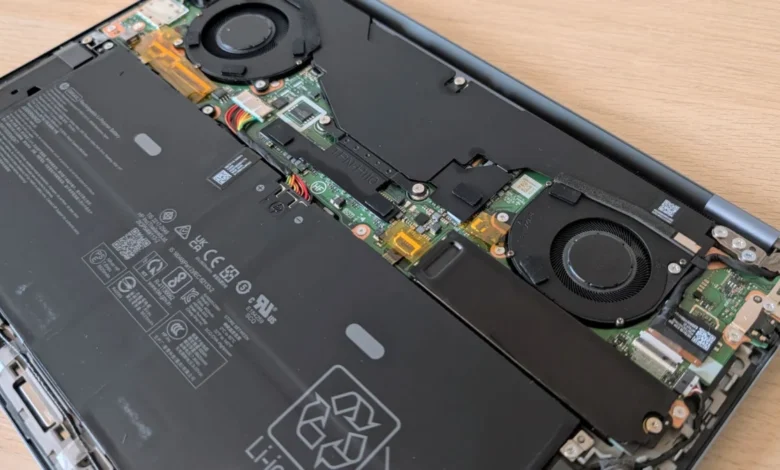
The HP OmniBook Ultra 14 has officially entered the competitive landscape of premium, AI-integrated laptops, positioning itself as a direct rival to established market leaders like the Asus Zenbook A14 and the Apple MacBook Air. With a price point hovering around £1,300, the device is built upon Qualcomm’s second-generation Snapdragon X2 chipset, reflecting a significant industry-wide pivot toward ARM-based architectures for Windows hardware. This strategic alignment with Qualcomm, paired with HP’s distinct design language, offers a compelling, albeit nuanced, alternative to existing ultrabooks.
The Evolution of the Copilot+ PC Landscape
The introduction of the OmniBook Ultra 14 follows a broader industry trend initiated in 2024, where major OEMs began transitioning to high-efficiency, AI-ready processors. The "Copilot+ PC" certification, mandated by Microsoft, requires a neural processing unit (NPU) capable of at least 40 trillion operations per second (TOPS). HP has integrated an 80TOPS NPU within the OmniBook Ultra, ensuring that users have access to advanced AI features such as Windows Recall, generative image manipulation in Paint, and real-time live captioning.
This technological transition marks a fundamental shift for Windows machines, which have historically relied on x86 architectures. By adopting the Snapdragon X2 platform, HP is directly challenging the dominance of the Apple Silicon M-series chips, which have long held the crown for the best balance of battery efficiency and performance.
Design Philosophy and Structural Engineering
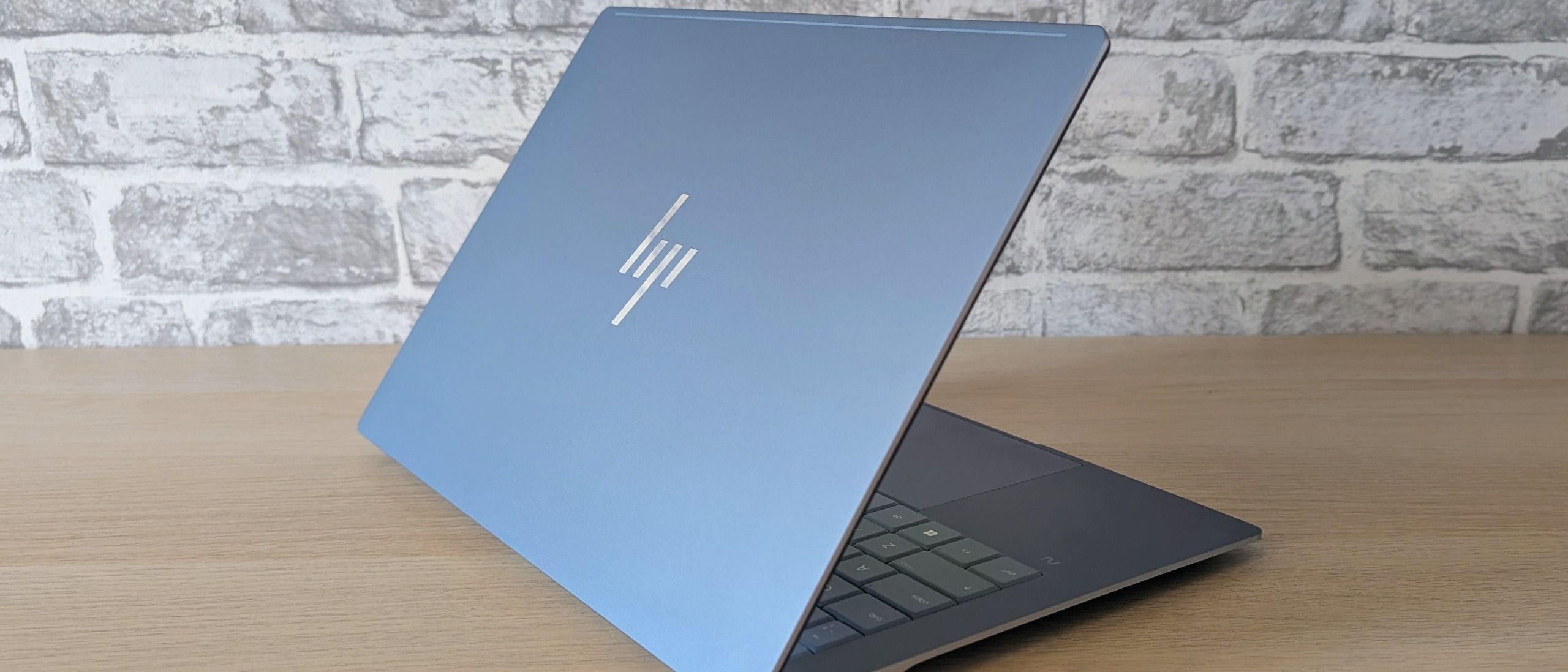
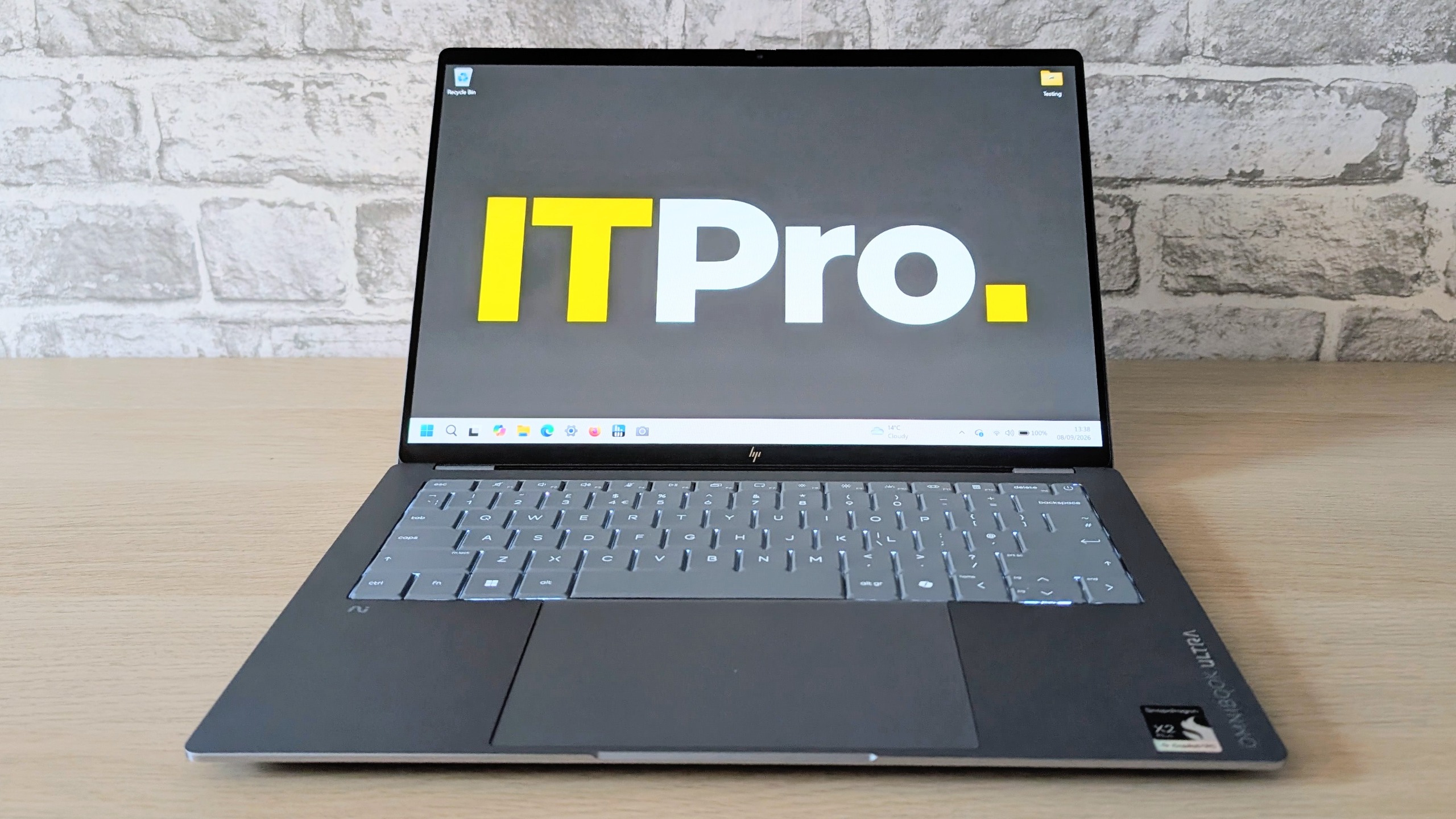
Physically, the HP OmniBook Ultra 14 represents a maturation of HP’s design aesthetic. Constructed primarily from aluminium with a durable, sandblasted "Stone Blue" finish, the device balances aesthetics with utility. The chassis is notable for its deliberate, sculpted edges, which reduce the visual profile to a mere 3mm at the periphery, providing a sleek, modern silhouette.
Despite its ultra-thin dimensions of 311 x 215.6 x 10.7 mm, the device demonstrates remarkable structural integrity. HP reports that the unit has successfully navigated 20 internal MIL-STD durability tests. While the company has not publicly disclosed the specific parameters of these tests, the physical build feels rigid, with the lid and main chassis showing minimal flex under manual pressure. Weighing in at 1.24 kg, the OmniBook is heavier than the featherweight Asus Zenbook A14—which weighs approximately 840g—but it remains comparable to the 13.6-inch Apple MacBook Air, maintaining its status as a highly portable professional tool.
Hardware Specifications and Connectivity
The review unit evaluated for this analysis utilizes the 10-core Snapdragon X2P-64-100 processor, paired with 16GB of LPDDR5x RAM and a 512GB PCIe4 SSD. This configuration represents the entry-level tier of the 2026 product line. Users requiring higher performance can opt for versions featuring up to 32GB of RAM, 1TB of storage, and more robust processor variants, such as the 18-core X2E-88-100.
In an era where many manufacturers are stripping back physical ports, HP has made a conscious decision to include three USB-C 4.0 ports. Each port supports 40Gbps data transfer and DisplayPort 2.1 video output, allowing for flexible charging and peripheral connectivity. The integration of the Qualcomm FastConnect 7800 module provides support for Wi-Fi 7 and Bluetooth 5.4, ensuring that the device is future-proofed for high-speed network environments.
Input Experience: Keyboard and Haptic Touchpad
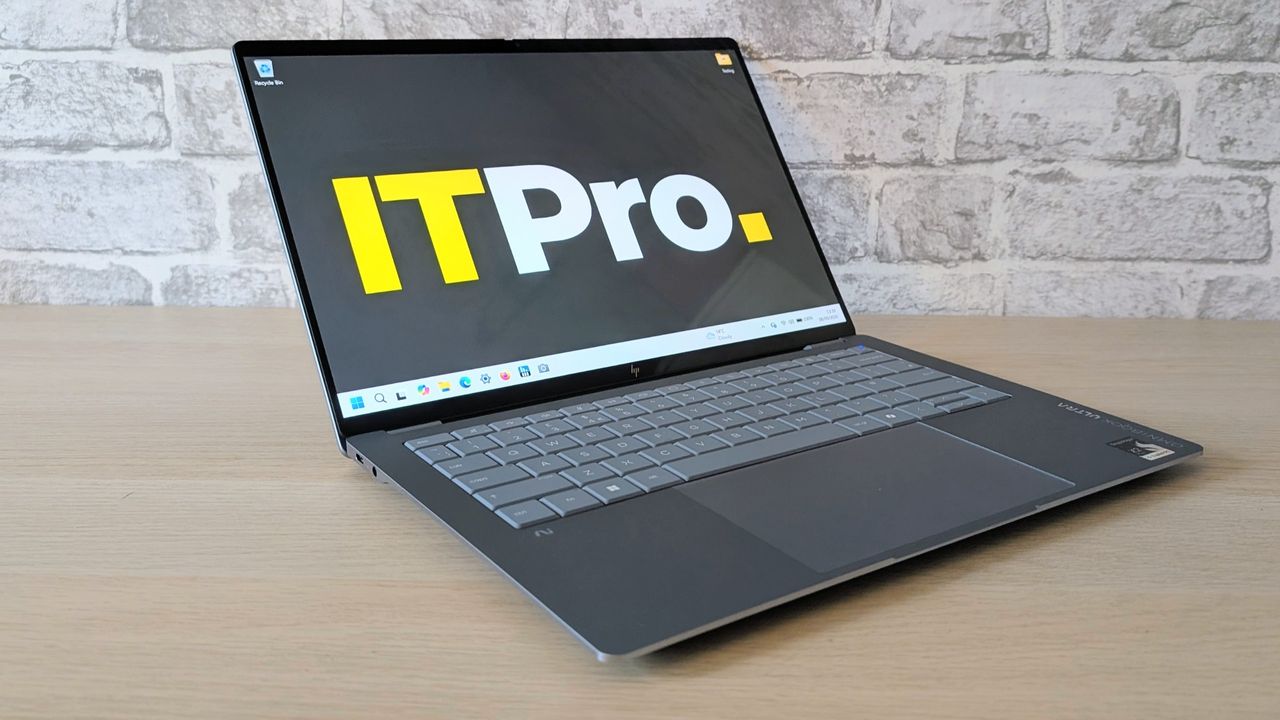
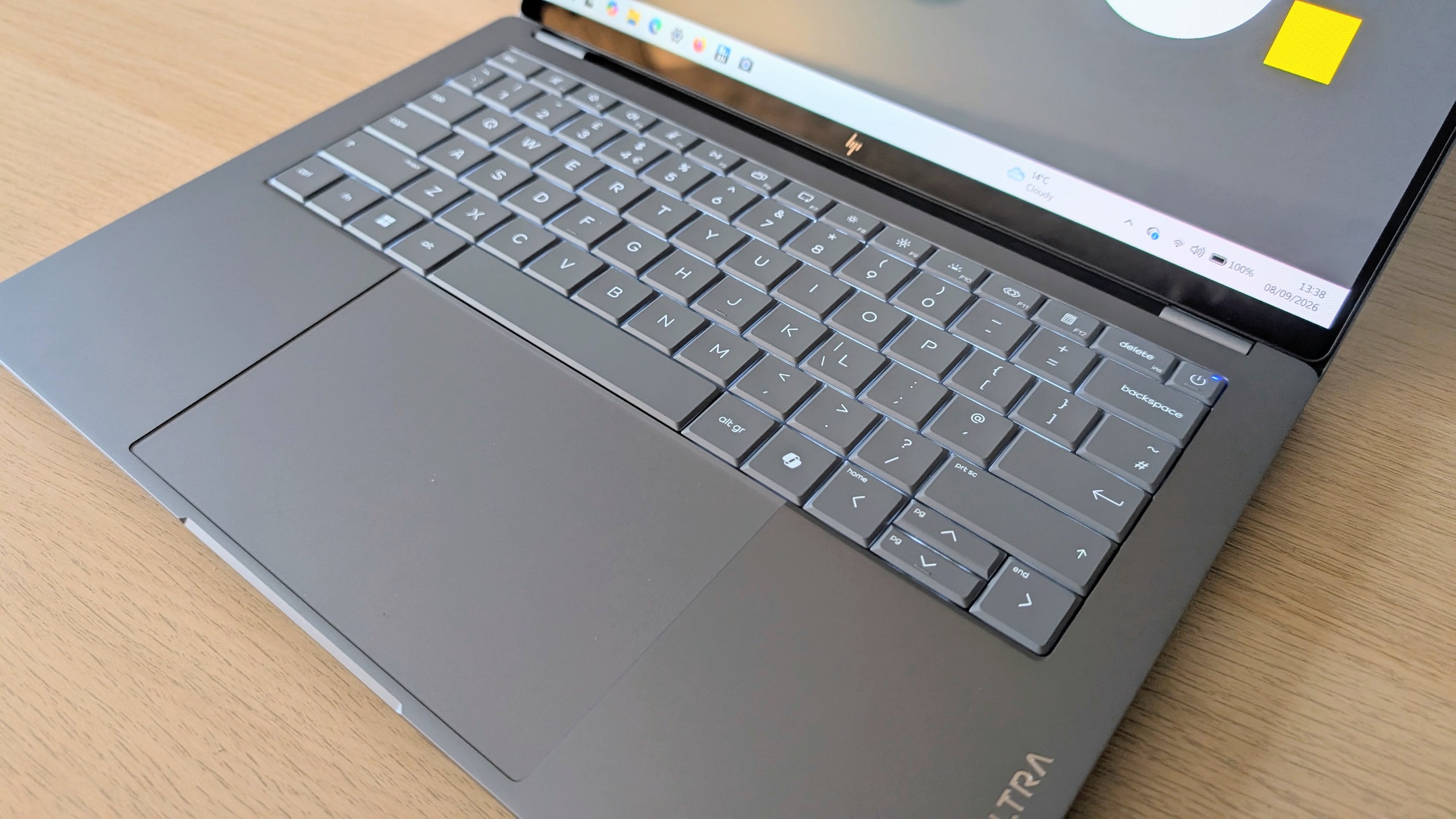
The input experience is a critical factor for enterprise users, and the OmniBook Ultra 14 excels here. The keyboard features 20mm-square keycaps with 1.3mm of travel. The tactile feedback is silent and precise, avoiding the "mushy" feel common in other thin-profile devices. A two-stage white backlight provides adequate visibility in low-light conditions.
Complementing the keyboard is a 140 x 85mm haptic touchpad. By utilizing a haptic motor rather than a mechanical click mechanism, the pad offers a consistent feel across its entire surface and is functionally silent. This is particularly beneficial for professionals working in shared or quiet environments, such as open-plan offices or libraries.
Display Performance: Accuracy vs. Brightness
The display on the OmniBook Ultra 14 is a 14-inch OLED panel with a resolution of 1,920 x 1,200 pixels. The panel is a study in contrasts. On one hand, its color reproduction is exceptional, covering 162% of the sRGB gamut and 99.5% of the DCI-P3 space. With a Delta E color accuracy rating of 1.1 in the P3-D65 mode, the screen is an excellent choice for color-critical work.
However, the display faces significant challenges regarding brightness and reflections. With a measured peak brightness of 285 nits, the screen struggles significantly in well-lit environments, particularly outdoors. Compared to the Asus Zenbook A14 (390 nits) and the MacBook Air (500+ nits), the OmniBook is objectively dimmer. The reflective nature of the Corning Gorilla Glass 3 covering further exacerbates this issue, making it a less-than-ideal companion for mobile users who frequently work in varying lighting conditions.
Benchmarking and Real-World Performance
While the 10-core Snapdragon X2P-64-100 is positioned below the flagship 18-core variants, the performance gap between it and more expensive configurations is less pronounced in daily tasks than theoretical benchmarks might suggest.
In Cinebench R24, the OmniBook recorded 973 (multi-core) and 133 (single-core). In Geekbench testing, the device returned a single-core score of 3,157 and a multi-core score of 14,653. While these numbers trail the 18-core Asus Zenbook A14 and the M5 MacBook Air, the practical difference in common productivity tasks—such as web browsing, document creation, and video conferencing—is negligible. The system remains highly responsive, and the NPU ensures that AI-accelerated workflows remain efficient.
Furthermore, the 512GB Phison SSD demonstrated high-performance characteristics, with sequential read speeds averaging 7,200MB/s. This speed contributes significantly to snappy application load times and quick system wake-up.
Battery Life: The Competitive Advantage
The most compelling argument for the OmniBook Ultra 14 is its extraordinary power efficiency. In standardized video playback testing, the device achieved an impressive 37 hours and 15 minutes of runtime on a single charge of its 70Wh battery. This exceeds the battery performance of the Asus Zenbook A14 by seven hours and effectively doubles the longevity of comparable ARM-based machines. For professionals, this translates to the ability to work for multiple days without needing to carry a power adapter, a significant value proposition that offsets some of the display brightness limitations.
Strategic Implications and Market Verdict
The HP OmniBook Ultra 14 is a specialized device that prioritizes portability, build quality, and class-leading battery life over maximum computational throughput or display brightness. It is an ideal choice for the mobile professional, the academic, or the consultant who requires a reliable, long-lasting machine for document-heavy workflows and virtual meetings.
The decision to limit the device to USB-C ports and the inclusion of a touch-sensitive OLED screen highlight HP’s intent to capture the "modern office" demographic. While the screen’s performance under bright light remains a clear shortcoming, the overall package—bolstered by the efficiency of the Snapdragon X2 platform—is a testament to the current trajectory of laptop engineering.
As the industry moves further into the Copilot+ era, the OmniBook Ultra 14 serves as a strong indicator of what is possible when hardware and software are optimized for efficiency. It is a mature, well-integrated, and highly functional device that, despite its specific trade-offs, offers a distinct advantage for those who prioritize unplugged freedom above all else. For users whose primary criteria are "how long can I work away from a wall socket," the OmniBook Ultra 14 is currently unrivaled in its segment.