Apple Rumor Roundup: iPad Mini Leaks, Siri AI Settlement, and New Hardware Developments Defining the Fall 2026 Season

The technology landscape remains in a state of constant flux as Apple prepares for a significant October hardware event, while simultaneously navigating the legal and operational complexities of its current product lineup. Recent industry reports have shed light on an upcoming suite of devices, including a redesigned iPad mini, new HomePod mini configurations, and a long-awaited refresh of the Apple TV 4K. These developments emerge alongside the official commencement of a claims process for a $250 million class-action settlement involving Siri AI, and unique shipping logistics for the recently released iPhone 18 Pro Max.
The October Product Pipeline: Strategic Refreshment
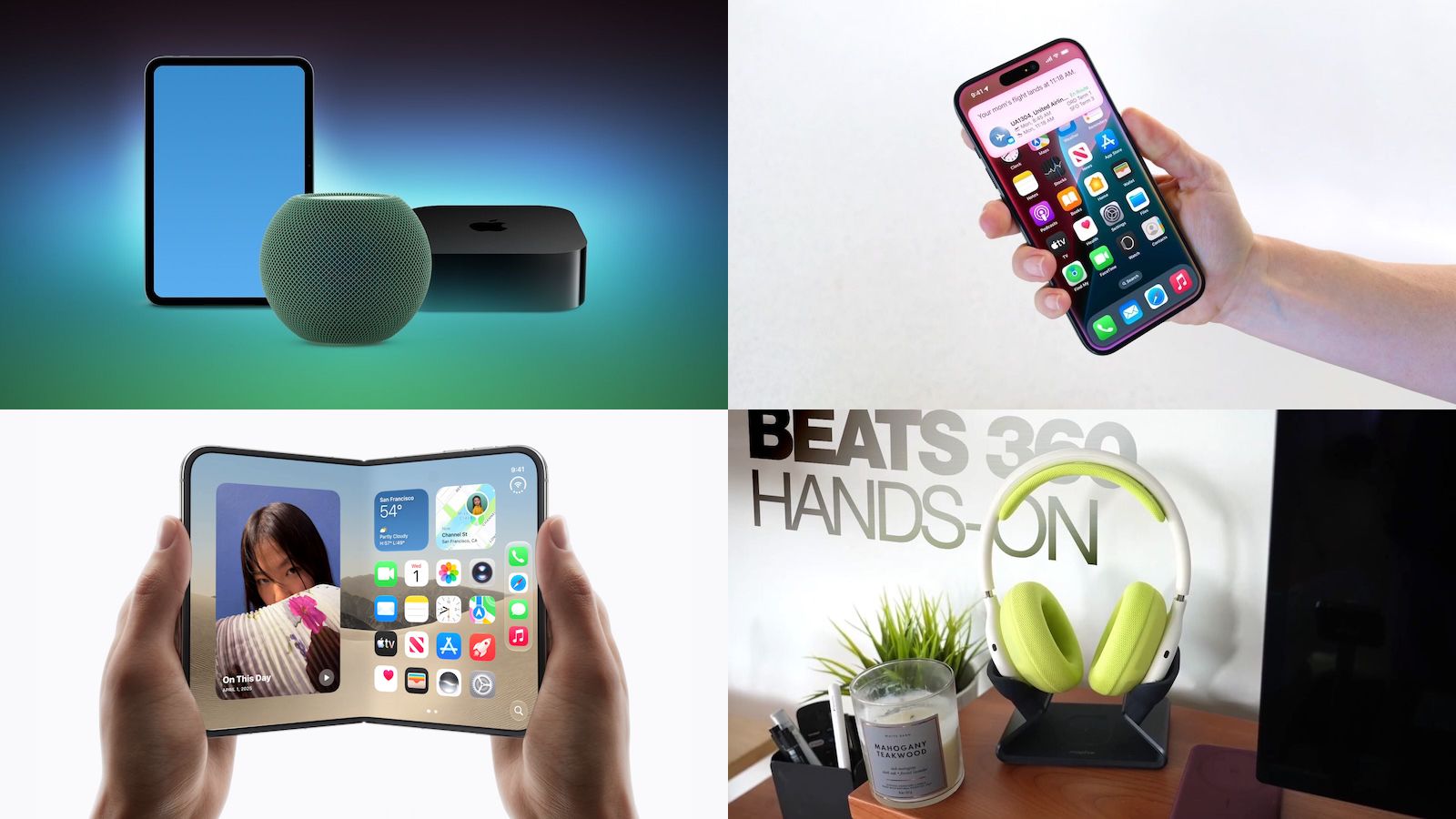
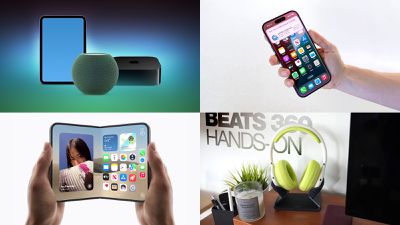
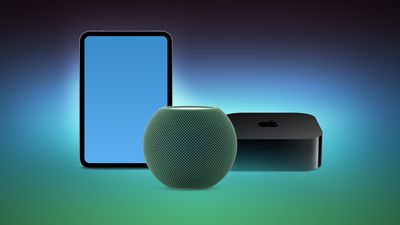
Market analysts anticipate that Apple will utilize the October 2026 window to bolster its secondary device ecosystem. The forthcoming iPad mini is expected to feature the A20 Pro chipset, a significant leap in computational power that aligns with the company’s broader push into advanced on-device generative AI. Leaks suggest a revised internal architecture that includes a repositioned landscape front-facing camera—a design choice aimed at improving video conferencing utility—and an enhanced speaker array.
The HomePod mini, a staple of the smart home segment, is set to receive a cosmetic expansion with the introduction of new colorways, including green and pink. More significantly, the hardware roadmap includes a fourth-generation Apple TV 4K. This marks the first major update for the device in four years, signaling Apple’s intent to maintain its foothold in the living room entertainment sector. These hardware refreshes are expected to be supported by an all-new operating system architecture, which internal sources indicate is being developed to offer greater cross-device cohesion. Furthermore, code analysis has revealed preliminary specifications for a 12th-generation iPad, though this device is currently slated for a Q1 2027 release, suggesting a staggered rollout strategy for the coming fiscal quarters.
Legal Resolution: The Siri AI Class-Action Settlement
The conclusion of the long-standing litigation regarding Siri AI’s delayed implementation has reached a critical milestone. Following a court-approved $250 million settlement finalized in May, the official claims portal is now open to eligible U.S. consumers. The lawsuit, which alleged that Apple misled customers regarding the capability and timeline of Siri’s advanced AI features, has resulted in a payout structure that rewards affected users with an estimated $25 per device, though final disbursements remain subject to the total volume of verified claims.
The window for claim submissions opened on September 21, 2026, and will close on December 21, 2026. While the maximum potential recovery for an individual claimant is capped at $95, the average payout is projected to fluctuate based on the number of valid participants. Apple, for its part, has maintained a firm stance of innocence throughout the proceedings, noting that the settlement was reached as a pragmatic measure to avoid the protracted financial and reputational costs associated with a full-scale trial. Legal experts view this settlement as a pivotal moment for consumer technology, highlighting the increasing scrutiny surrounding the marketing of "future-proof" AI capabilities in mobile devices.
Logistics and Engineering: The iPhone 18 Pro Max Shipping Protocols
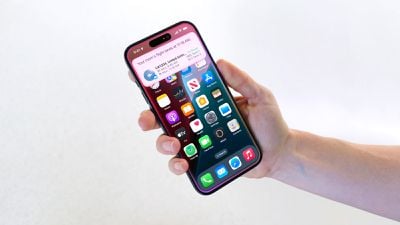
The launch of the iPhone 18 Pro Max has introduced a novel logistical challenge for the Cupertino-based giant. Due to its high-capacity, single-cell battery—which exceeds the 20 watt-hour (Wh) threshold—the device is subject to stringent international shipping regulations. To comply with these safety standards, Apple has engineered an "innovative battery-firmware solution" that restricts the device’s power capacity during the transit phase.
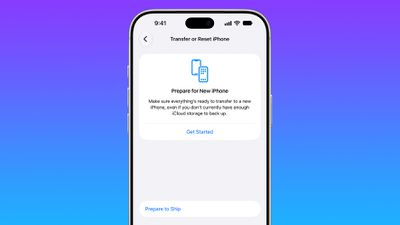
This firmware limit effectively keeps the battery below the 20Wh limit from the factory floor until the end-user initiates the activation process, at which point the restriction is lifted. For existing owners, this necessitates a "Prepare to Ship" feature integrated into the device’s OS, which allows users to safely discharge the battery to legal limits for trade-ins, repairs, or resale. This development highlights the tension between consumer demand for increased battery life and the regulatory frameworks governing global logistics for lithium-ion technology.
Innovation and Design: Addressing the Foldable Crease
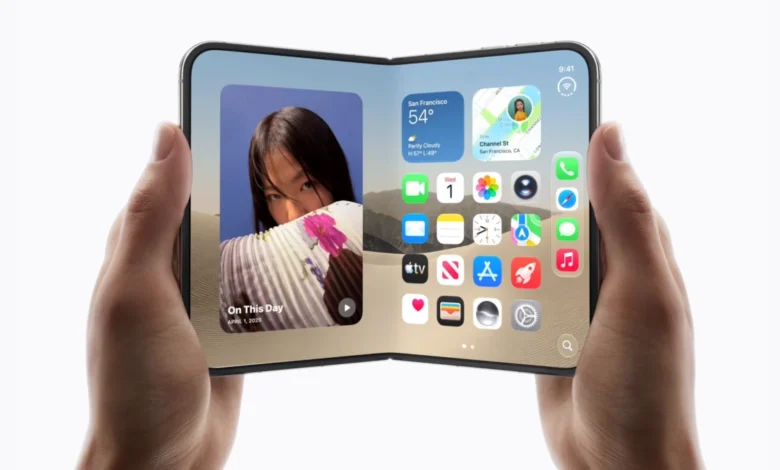
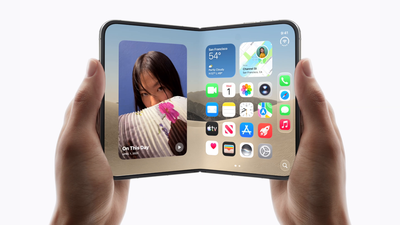
As the industry turns its gaze toward the upcoming iPhone Duo, public discourse has focused on the engineering hurdles inherent in foldable displays. Tom Marieb, Apple’s Vice President of Hardware Engineering, recently addressed these concerns, specifically regarding the "crease" that has plagued competitors’ foldable devices.
Marieb emphasized the use of a matte nano-texture display, which is designed to minimize glare and mask the physical deformation that occurs where the screen folds. By openly inviting users to "hold the company accountable" for the longevity and aesthetic integrity of the crease, Apple is attempting to establish a new benchmark for quality in the foldable market. The device also incorporates a reinforced hinge mechanism and the next iteration of Ceramic Shield technology, aiming to address the durability concerns that have previously deterred mainstream adoption of foldable hardware.
Looking Toward 2027: The 20th Anniversary iPhone
Beyond the current cycle, rumors regarding the 2027 "20th-anniversary" iPhone lineup have begun to circulate. Industry data, citing reports from supply chain sources, suggests that the iPhone 20 Pro and Pro Max will feature further incremental growth in display real estate. The iPhone 20 Pro is projected to move to a 6.41-inch display, while the Pro Max may reach 6.96 inches.
These physical dimensions are complemented by expected increases in resolution, moving to 2,686 x 1,236 pixels and 2,912 x 1,340 pixels, respectively. This trend toward larger, higher-resolution displays underscores Apple’s continued commitment to the "Pro" tier as the primary driver of its hardware innovation. When compared to the current iPhone 18 Pro series, these shifts reflect a multi-year trajectory of refining the viewing experience while maximizing screen-to-body ratios.
Broader Implications and Market Impact
The confluence of these events paints a picture of a company transitioning from the initial rollout of its most advanced AI features to the secondary expansion of its product ecosystem. The October hardware launch is critical, as it serves to sustain momentum following the September iPhone releases. Furthermore, the focus on "accountability" regarding hardware design, as seen with the iPhone Duo, suggests a shift in Apple’s communications strategy—one that acknowledges the skepticism of power users while banking on the company’s engineering prowess to overcome industry-wide technical barriers.
Investors and market observers are watching these developments closely to gauge how effectively Apple can navigate the transition into a post-smartphone-innovation era, where differentiation is increasingly found in integrated ecosystem features, service-led AI enhancements, and the rigorous management of high-end hardware manufacturing. As the October event approaches, the focus will remain on whether these new iterations—from the iPad mini to the Apple TV—can provide sufficient value to drive a successful end-of-year sales cycle.