RayNeo GT Smart Glasses Disrupt the Affordable Wearable Market with Advanced Spatial Tracking and Ergonomic Customization

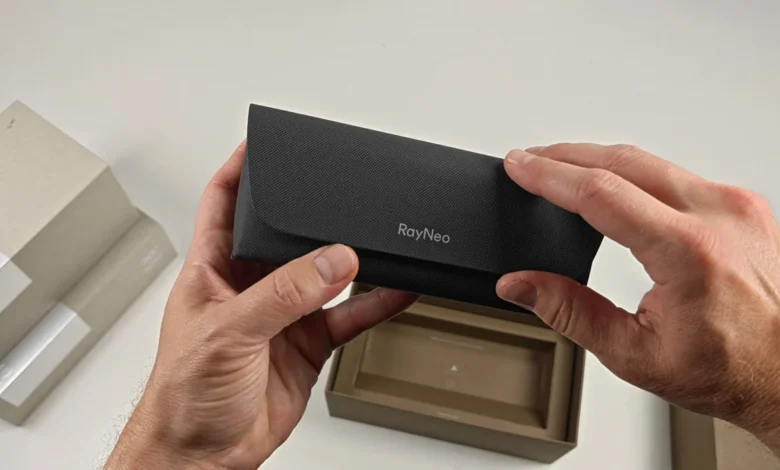
The wearable technology landscape has witnessed a significant shift as RayNeo, a leader in augmented reality (AR) hardware, launches the RayNeo GT smart glasses. Positioned firmly within the highly competitive $300 price bracket, these glasses represent a strategic iteration over the company’s previous models, such as the Air 4 Pro. By integrating a native 3DoF (three degrees of freedom) spatial tracking chip and refined ergonomic adjustments, RayNeo is attempting to capture a larger share of the consumer market by addressing long-standing pain points in the smart eyewear sector, specifically regarding fit, visual comfort, and spatial stability.
The Evolution of RayNeo Hardware: A Brief Chronology
RayNeo has maintained a rapid product development cycle, establishing a presence in the AR industry through successive hardware refinements. The journey began with foundational smart display prototypes that focused on basic projection capabilities. By the time the Air 4 Pro was released, the company had established a reputation for delivering high-quality visual experiences at a consumer-friendly price point.
The introduction of the RayNeo GT series serves as a bridge between the entry-level devices of the past and the more complex, enterprise-grade AR headsets currently in development by competitors. Since the initial launch of the Air series, the primary objective for RayNeo has been to reduce weight—achieving an 8g reduction in the GT model—while simultaneously boosting processing power. This trajectory reflects a broader industry trend where manufacturers prioritize lightweight form factors to ensure long-term wearability, a critical factor for the widespread adoption of head-mounted displays.
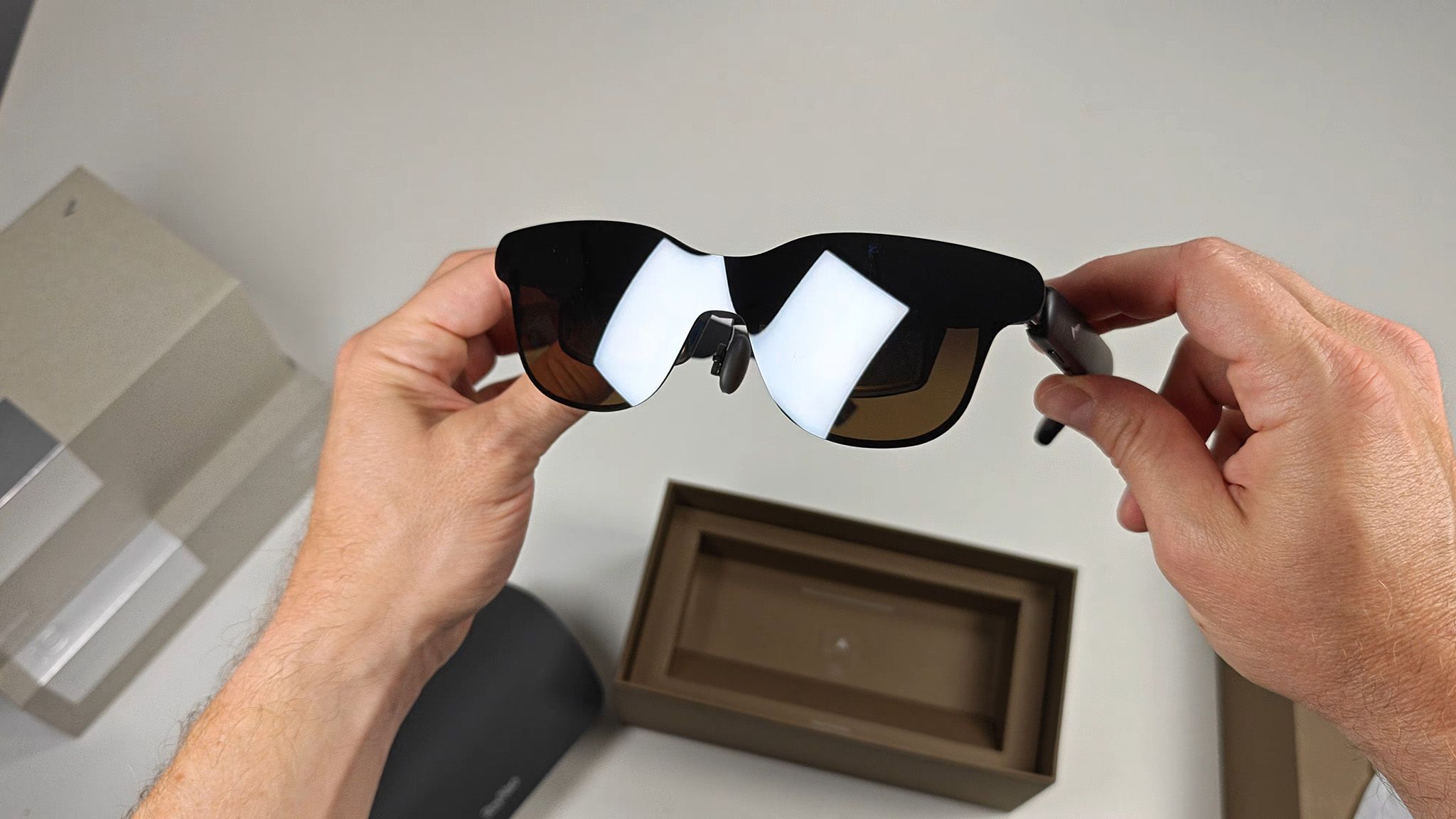
Technical Specifications and Visual Fidelity
At the core of the RayNeo GT is the Vision 4000 chipset, a robust processing unit designed to handle complex visual tasks, including real-time SDR-to-HDR conversion. This conversion is pivotal for modern media consumption, allowing users to experience a higher dynamic range of color and contrast even when viewing legacy content.
The display technology remains a standout feature. The glasses utilize a high-performance micro-OLED panel that achieves a 3840Hz Pulse Width Modulation (PWM) dimming rate. This high frequency is significant because it mitigates the "flicker" often associated with lower-end OLED displays, which is a common trigger for eye strain and headaches among users sensitive to screen refresh behaviors. Furthermore, the inclusion of native 10-bit color support, combined with software compatibility for 12-bit Dolby Vision content, positions these glasses as a viable alternative to traditional portable monitors.
The 47-degree Field of View (FoV) provides an immersive experience comparable to viewing a large screen from a standard distance. While this FoV is consistent with other devices in the $300 range, the implementation of spatial tracking—allowing for "steady," "anchor," and "follow" modes—sets the GT apart. By utilizing a physical toggle on the right temple, users can shift between these modes, tailoring the display’s behavior to their environment or activity.
Addressing Ergonomics: The IPD Problem
One of the most notable technical improvements in the RayNeo GT is the introduction of a modular Interpupillary Distance (IPD) adjustment system. IPD, the distance between the centers of the pupils, is a critical measurement for AR optics. If the optical centers of the glasses do not align with the user’s eyes, the result is blurred vision, chromatic aberration, and significant eye fatigue.
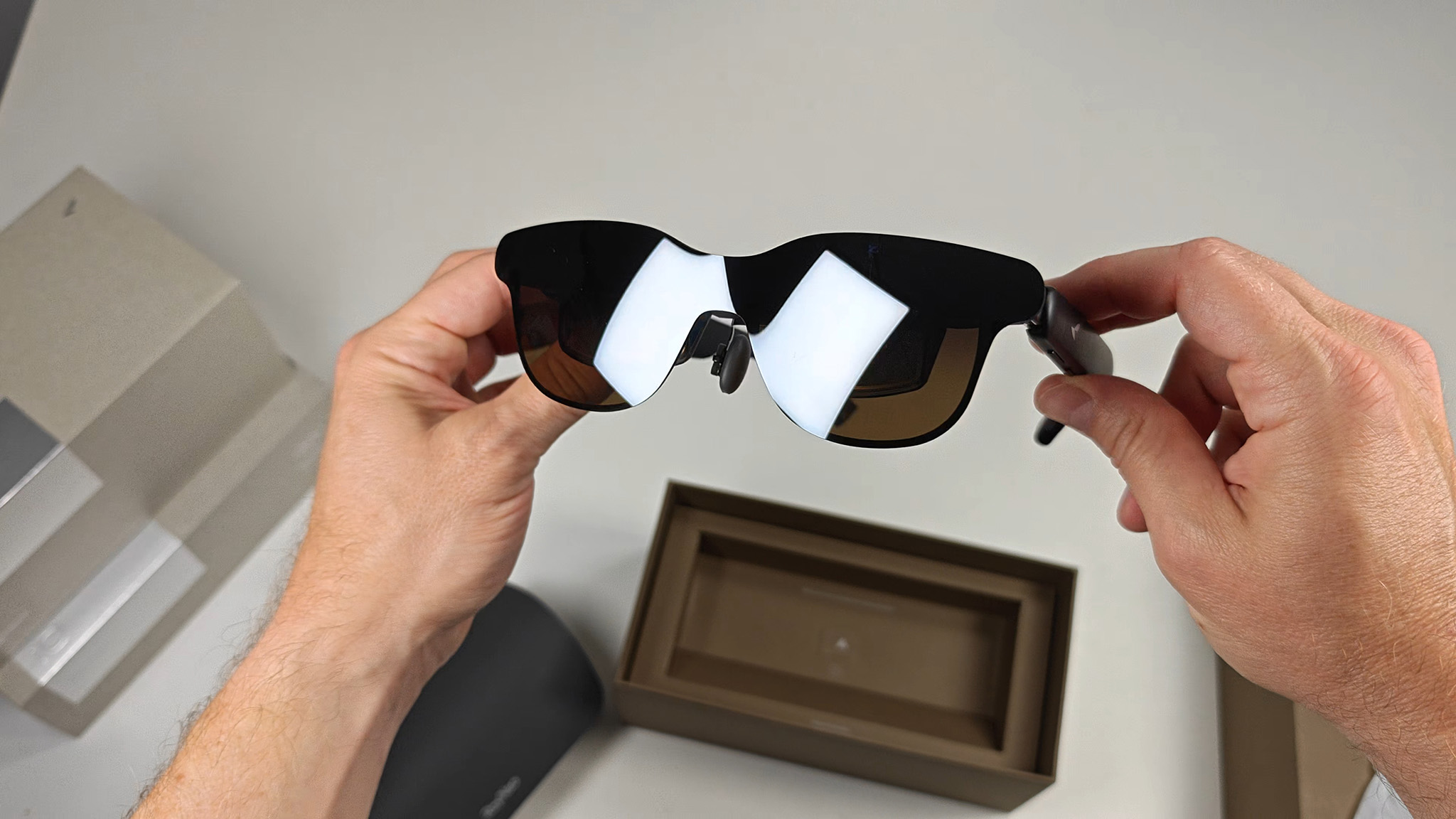
Previously, many AR glasses were designed with a fixed IPD, effectively excluding a large portion of the population. The RayNeo GT addresses this by offering three distinct sizing categories:
- Small: For users with an IPD of 63mm or lower.
- Medium: Designed for the 64mm to 67mm range.
- Large: For users with an IPD of 68mm or greater.
This move toward personalization is a direct response to consumer feedback and aligns the product with more expensive, premium-tier hardware. When combined with adjustable nosepieces and integrated temple pads, the GT demonstrates a commitment to user comfort, allowing for longer usage sessions without the physical fatigue commonly associated with rigid wearable designs.
Integration with the RayNeo Ecosystem
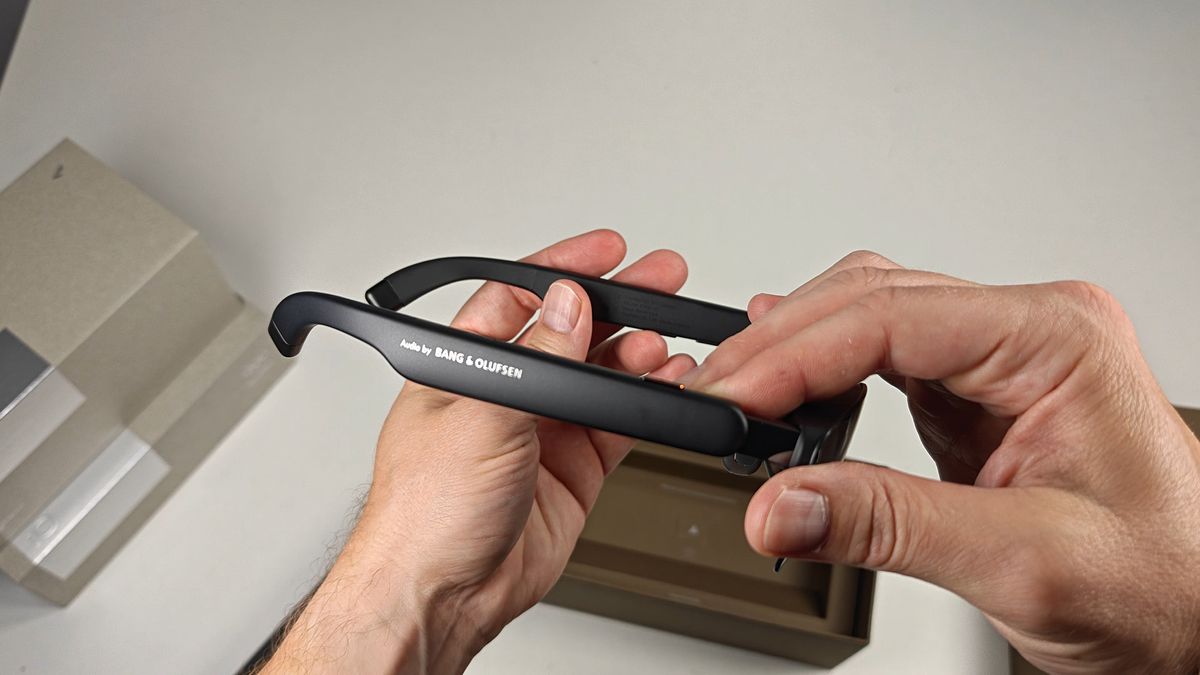
The RayNeo GT is designed to function as part of a wider ecosystem, most notably when paired with the "Pocket TV" accessory. This handheld device acts as a remote control and a dedicated host for the glasses, essentially transforming the user’s viewing experience into a full Google TV interface. By offloading the processing of the smart interface to an external unit, the glasses can remain lightweight while still offering a rich, feature-packed software environment.
However, the ecosystem is not without its limitations. While the Pocket TV is highly effective for streaming content from platforms like Netflix, Disney+, and YouTube, its functionality regarding offline playback is constrained. Users who require offline access to media are encouraged to connect the glasses directly to their smartphones. This hybrid approach allows the product to serve both the casual home user and the frequent traveler.
Market Context and Competitive Implications
The current smart glasses market is defined by a battle for the "sweet spot" of pricing. With competitors like Xreal and various other emerging hardware manufacturers, RayNeo must constantly justify its position through feature differentiation.
A primary challenge for the RayNeo GT remains its optical transparency. The lack of built-in electrochromic dimming—a feature that allows lenses to darken electronically based on ambient light—means that the glasses are best suited for indoor or low-light environments. In high-glare or bright outdoor settings, the brightness of the micro-OLED panels may be insufficient to maintain high contrast. This limitation is a common trade-off in the sub-$300 market, where the cost of electrochromic layers would likely push the device beyond its current price point.
Industry Impact and Future Outlook
The release of the RayNeo GT signals a maturation of the AR market. As the hardware becomes more comfortable and the software more intuitive, the focus shifts from "can it be done" to "how well does it perform." By integrating high-end features like 3DoF tracking and advanced PWM dimming into a mid-range product, RayNeo is putting pressure on the broader industry to standardize these capabilities.
For the end user, this competition is beneficial. The ability to access a high-fidelity, private, and portable cinema experience for under $300 is a significant development in personal entertainment technology. As the company continues to refine its design language and ecosystem support, the success of the GT will likely be measured by its ability to maintain this balance between high-end performance and mass-market accessibility.
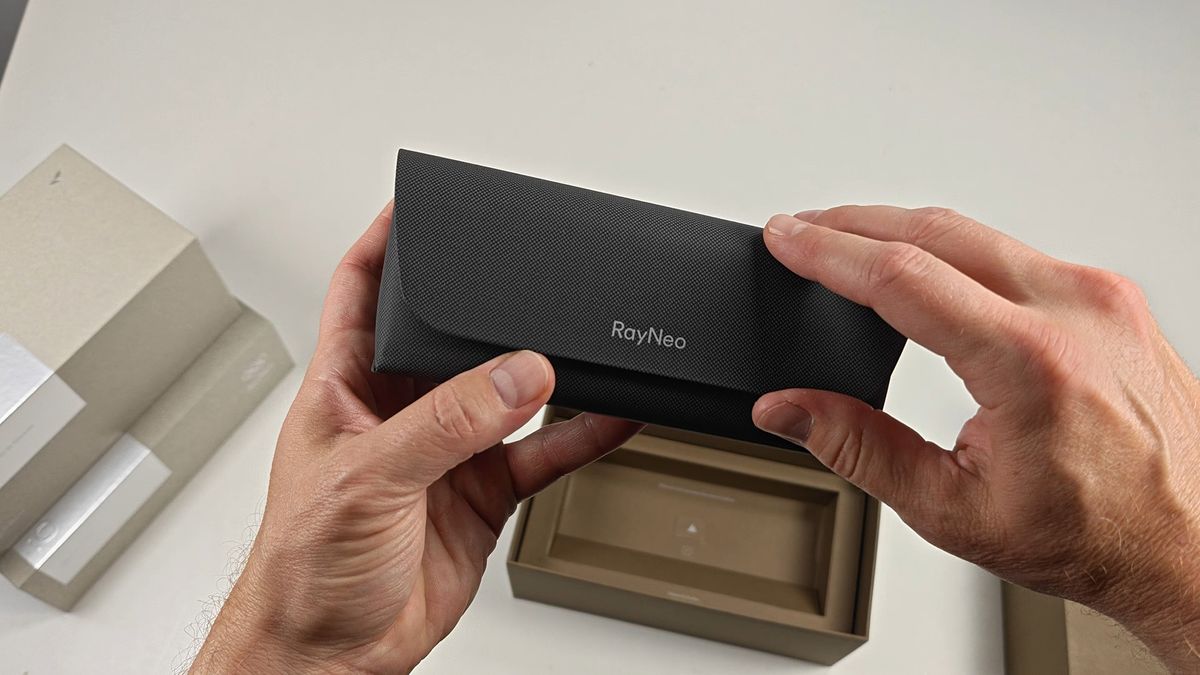
As the industry moves toward the next generation of spatial computing, devices like the RayNeo GT serve as essential stepping stones. While they do not provide the full 6DoF immersion found in high-end headsets, they provide a compelling, high-quality, and portable solution that fits seamlessly into the daily workflows of students, professionals, and media enthusiasts alike. Future iterations will likely address remaining hurdles such as lens tinting and battery life, further cementing smart glasses as a staple of modern personal technology.