Apple Arcade expands its gaming library with four new titles and a major sports simulation update


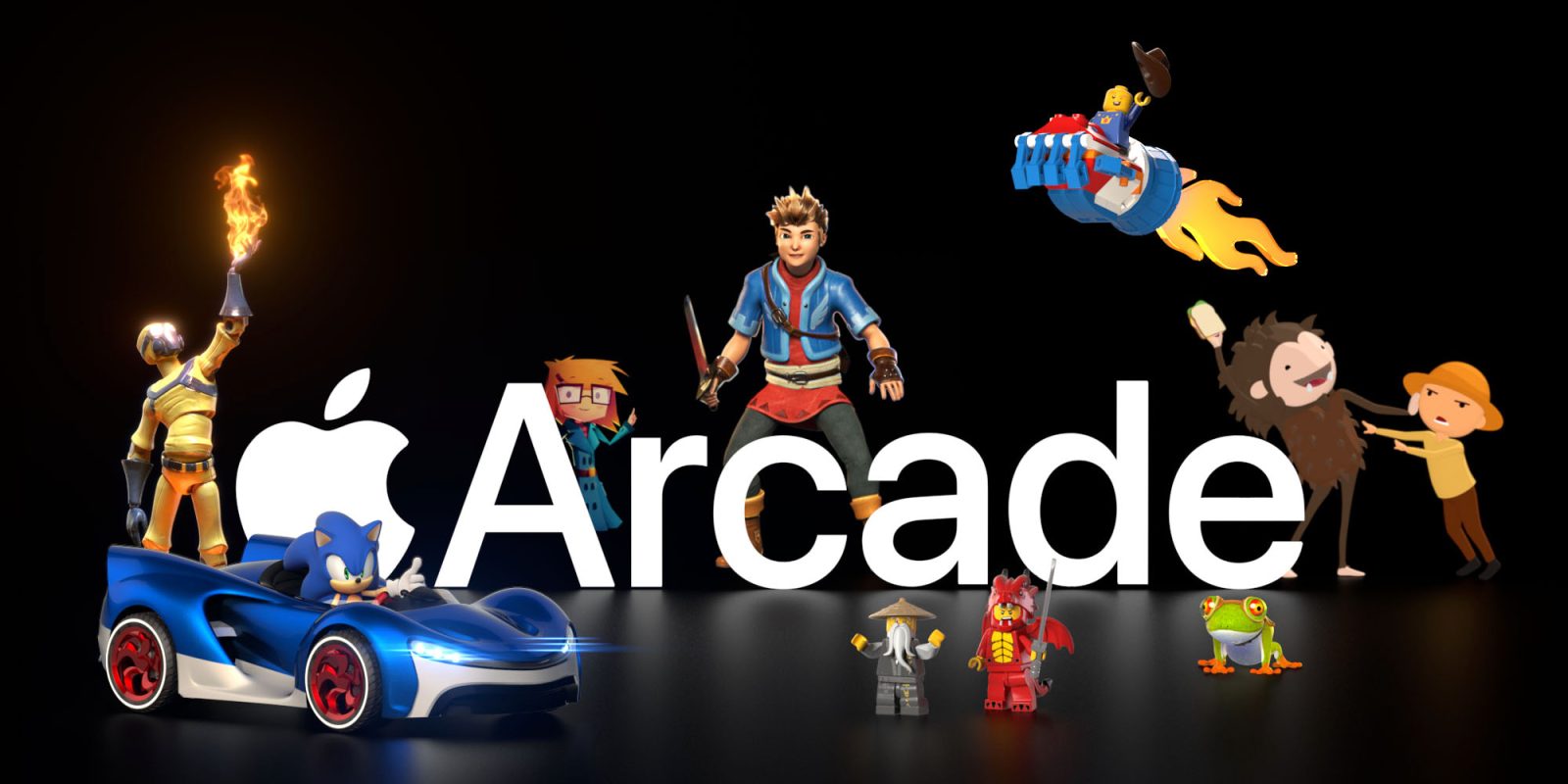
The Apple Arcade gaming ecosystem continues its aggressive growth strategy this week, introducing four distinct titles to its subscription-based catalog while setting the stage for a high-profile sports management release scheduled for mid-November. This latest injection of content underscores Apple’s ongoing commitment to its $6.99-per-month platform, which currently provides subscribers with an ad-free, in-app-purchase-free library of over 200 titles across iPhone, iPad, Mac, and Apple TV.
The newly added games represent a diverse array of genres, ranging from high-octane sports simulations to fast-paced arcade adventures. This expansion comes as part of a broader industry trend where hardware manufacturers are increasingly leveraging proprietary gaming services to lock users into their respective ecosystems.
New Additions and Franchise Milestones
Leading the latest wave of content is the highly anticipated release of NBA 2K27 Arcade Edition. This title marks a significant shift for the franchise on mobile platforms, as it introduces the inclusion of WNBA teams for the first time within the Apple Arcade framework. This addition is viewed as a strategic move to capture a wider demographic of sports fans and aligns with the broader sports industry’s push for gender parity in digital representation. The inclusion of WNBA rosters allows players to engage with the league’s star talent, providing a more comprehensive basketball simulation experience that mirrors the parity found in the console-based versions of the 2K franchise.
Alongside the basketball simulator, the platform has launched Crossy Road Rush. Initially teased in October, this title marks a departure from the minimalist, "endless runner" mechanics of the original 2014 hit. Crossy Road Rush introduces a more structured, adventure-oriented gameplay loop. Players navigate complex obstacle courses that require precise timing and strategic movement, departing from the simple "cross the street" objective of its predecessor. The inclusion of multiplayer functionality—supporting up to four players simultaneously—positions the game as a social experience, a key pillar of Apple’s strategy to position Apple Arcade as a family-friendly, couch-co-op alternative to more solitary mobile gaming experiences.
The Strategic Shift: Football Manager 27 Touch
Beyond today’s immediate releases, Apple Arcade has confirmed that Football Manager 27 Touch will arrive on November 10. This release serves as an evolutionary update to the previous Football Manager 26 Touch, emphasizing technical refinement over total overhaul.
The upcoming update includes significant UI/UX changes, specifically a redesigned interface tailored for the iPhone’s smaller screen, addressing a long-standing criticism regarding the complexity of managing large-scale sports databases on handheld devices. Furthermore, the developer, Sports Interactive, has integrated enhanced recruitment tools and refined match preparation modules. For fans of the management simulation genre, these refinements are critical, as they allow for deeper immersion into the tactical nuances of football management without the cumbersome menu navigation that has historically plagued mobile ports of the series.
Contextualizing the Apple Arcade Business Model
To understand the significance of these releases, one must examine the position of Apple Arcade within the company’s broader Services division. Since its inception in 2019, the platform has sought to distinguish itself from the "freemium" model that dominates the App Store. By mandating that all games be devoid of microtransactions, loot boxes, and forced advertising, Apple has curated an environment that appeals to users who are disillusioned with the monetization tactics of traditional mobile games.
Data from the mobile intelligence firm Sensor Tower indicates that subscription-based gaming services have seen a steady uptick in user retention compared to single-purchase titles. By bundling Apple Arcade into the Apple One subscription service, the company has effectively mitigated churn, ensuring that users remain engaged with their devices through constant content updates. The addition of four games at once—and the promise of a major sports update—is a classic retention strategy designed to keep the "Games" tab in the App Store feeling fresh and relevant.
A Chronology of Platform Evolution
Apple’s journey with Arcade has been marked by several distinct phases:
- 2019 Launch: Apple introduced the service with a focus on high-quality, indie-developed exclusive titles.
- 2021 Expansion: The platform shifted focus toward "Timeless Classics" and "App Store Greats," bringing popular paid games like Fruit Ninja and Monument Valley to the subscription tier.
- 2023-2024 Maturity: Apple moved toward securing high-profile licenses, such as the NBA 2K and Football Manager series, effectively competing with high-end mobile titles that would otherwise require premium purchase prices.
This current phase suggests that Apple is moving away from purely experimental indie titles toward established, recognizable franchises that provide long-term engagement.
Implications of Licensing and Ecosystem Lock-in
The decision to include WNBA integration in NBA 2K27 and the iterative improvements to the Football Manager series illustrate the "console-ization" of mobile gaming. When a user can play a full-featured sports simulation on an iPad or Apple TV that syncs across their entire iCloud account, the incentive to purchase a dedicated gaming console decreases for the casual demographic.

However, this strategy is not without its risks. The reliance on licensing means that Apple is beholden to the renewal cycles of developers and sports leagues. If a major franchise like NBA 2K were to leave the service, it would create a significant void that could lead to subscription cancellations. To combat this, Apple’s curatorial team continues to balance these massive sports titles with smaller, creative indie games that maintain the platform’s reputation as a bastion for unique gaming experiences.
Industry Impact and Future Outlook
Industry analysts note that Apple’s approach to mobile gaming is fundamentally different from that of Google or Microsoft. While Microsoft focuses on cloud-streamed Xbox titles via Game Pass, Apple focuses on native performance, ensuring that games are optimized specifically for Apple Silicon (the A-series and M-series chips). This hardware-software synergy ensures that even the most complex games, like the upcoming Football Manager 27 Touch, run smoothly without the latency issues associated with cloud streaming.
As the platform moves into the final quarter of the year, industry observers are looking for signals regarding the next "tier" of Apple Arcade. While the current $6.99 price point remains competitive, there is ongoing speculation about whether Apple will eventually introduce a "Pro" tier of gaming, perhaps featuring more intensive, AAA-quality titles that utilize the full ray-tracing capabilities of the latest iPhone Pro models.
Concluding Observations
The addition of new titles and the impending arrival of the Football Manager update underscore a stable, if not accelerating, trajectory for Apple Arcade. By successfully blending high-production sports simulations with social, arcade-style gaming, Apple continues to provide a compelling value proposition. For the end-user, the focus remains on the "no-friction" promise: a flat fee that grants access to a curated library, effectively removing the barriers of entry that define the rest of the mobile gaming landscape.
As the digital gaming market becomes increasingly saturated, the success of Apple Arcade will likely depend on the company’s ability to continue securing these high-profile partnerships while maintaining the quality control that has defined the service since its inception. Whether through the inclusion of professional leagues or the refinement of complex management simulators, Apple appears committed to proving that mobile gaming can be as sophisticated and rewarding as its desktop or console counterparts.
Related posts: