Nintendo games run natively on Apple TV 4K following breakthrough AI-assisted porting project

The landscape of home entertainment hardware has experienced a significant, albeit controversial, shift this week following the release of an open-source project dubbed TVPort. Developed by a Reddit user known as FloatingFalafel, the software suite leverages advanced artificial intelligence—specifically the Claude Opus 5.5 language model—to recompile Nintendo Switch game binaries into native code capable of running on the Apple TV 4K hardware architecture. This development marks a milestone in the "decompilation and porting" community, moving beyond traditional emulation to a method that suggests a future where game compatibility is no longer bound by the original platform’s silicon.
The Mechanism Behind TVPort
At its core, TVPort functions as a sophisticated fork of the existing nxnative toolkit. While standard emulators like Yuzu or Ryujinx work by translating instructions in real-time—a process that is computationally expensive and prone to performance bottlenecks—TVPort takes a different approach. By utilizing AI-driven recompilation, the tool analyzes the game’s original machine code and translates it into instructions compatible with the Apple TV’s A-series chipset.
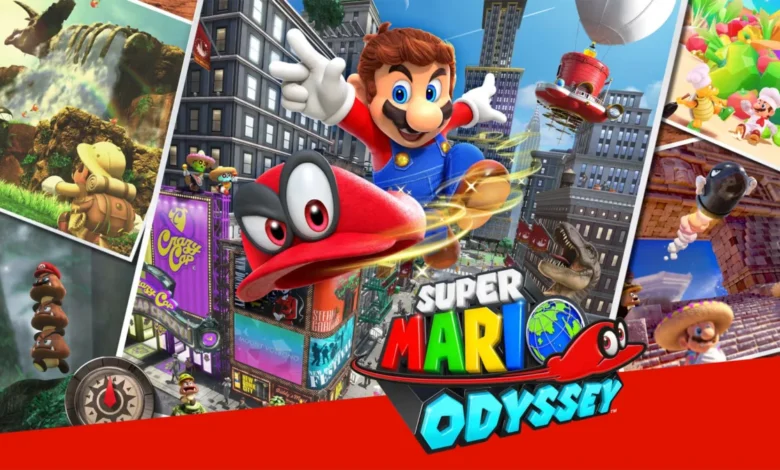
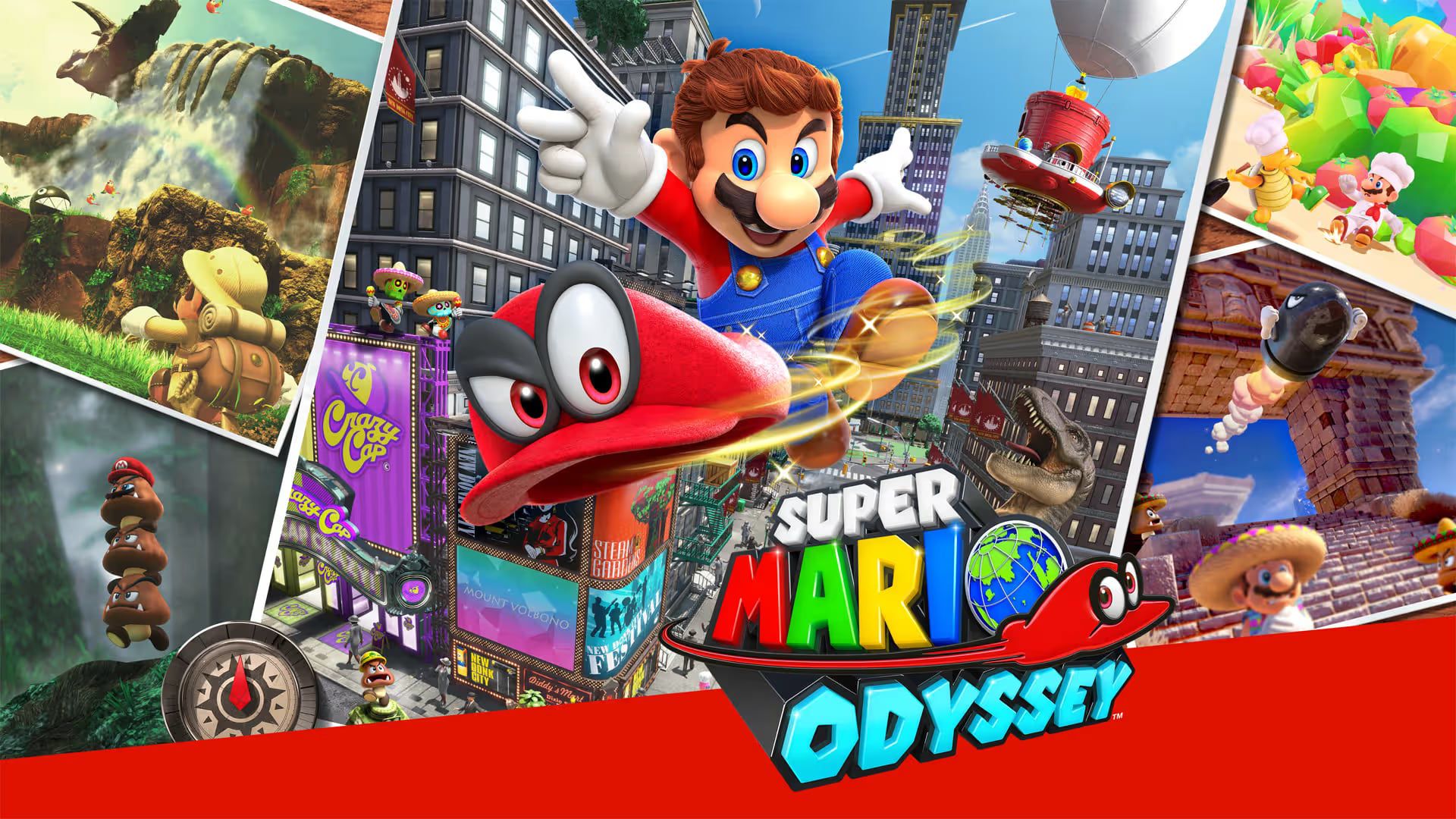
According to the developer’s documentation, the process requires a Mac to facilitate the compilation phase. Once the game files—which must be legally extracted by the user from their own physical cartridges using a modified Nintendo Switch—are processed through the TVPort pipeline, they are deployed to the Apple TV 4K. The results have been striking: Super Mario Odyssey has been reported to run at a stable 60 frames per second, while Animal Crossing: New Horizons operates at a consistent 30 frames per second. These figures are comparable to, and in some instances potentially smoother than, the performance metrics observed on the original Nintendo Switch hardware.
Hardware Limitations and the Path Forward
The efficacy of these ports is heavily dependent on the thermal and processing headroom of the host device. FloatingFalafel has noted that while titles like Super Mario Odyssey perform well, more graphically intensive software—such as The Legend of Zelda: Tears of the Kingdom—encounters significant thermal throttling on the third-generation Apple TV 4K. The console’s passive cooling system, while sufficient for streaming 4K media and standard gaming applications, struggles to maintain the sustained high-performance state required for complex physics engines and massive open-world rendering.
However, the industry is currently looking toward the imminent launch of the fourth-generation Apple TV 4K, scheduled for November 13, 2026. This new iteration features the A19 Bionic chip, which Apple claims offers a 50% increase in CPU performance and a massive boost in graphical throughput compared to its predecessors. Technologists and the hobbyist community speculate that this hardware jump may provide the necessary overhead to bring heavier titles to the Apple TV platform with parity or even superior graphical fidelity.
Chronology of the Modern Emulation Conflict
The rise of tools like TVPort exists within a broader, increasingly litigious history of unauthorized software modification and preservation. The timeline of this conflict highlights the escalating tensions between gaming giants and the open-source community:
- 2023: The peak of Nintendo Switch emulation, with platforms like Yuzu gaining widespread mainstream adoption.
- February 2024: Nintendo files a landmark lawsuit against the developers of the Yuzu emulator, alleging that the software facilitated massive intellectual property infringement.
- March 2024: The Yuzu lawsuit concludes with a $2.4 million settlement. The team agrees to cease operations, remove their source code from GitHub, and relinquish their domains, sending a chilling effect through the emulation scene.
- Late 2024 – 2025: A period of relative quiet in the public sector as developers shift toward private, decentralized, or AI-assisted porting methods that are harder to categorize under traditional "emulation" legal frameworks.
- November 2026: The public release of TVPort on GitHub signals a pivot toward "native porting," a process that, while technically distinct from emulation, poses identical copyright risks to Nintendo’s business model.
Industry Implications and Legal Risks
The primary legal hurdle for TVPort is the requirement that users possess a modified Nintendo Switch to dump their game files. By circumventing Nintendo’s proprietary digital rights management (DRM) and anti-circumvention measures, users are technically violating the Digital Millennium Copyright Act (DMCA) in the United States and similar international treaties.
From an industry perspective, Nintendo has maintained a zero-tolerance policy toward unauthorized distribution or modification of their proprietary software. Legal experts suggest that the nature of TVPort—which requires users to provide their own game data—does not shield the developers of the tool from liability. In the case of Nintendo of America Inc. v. Tropic Haze LLC (the Yuzu case), the court focused on the ability of software to facilitate the "unauthorized copying" of games. By creating a tool that specifically targets Nintendo’s library, the developers of TVPort are likely positioning themselves as the next target for litigation.
The Role of Artificial Intelligence in Development
The integration of Claude Opus 5.5 into the development workflow represents a significant evolution in software engineering. AI models are now capable of reading complex, proprietary codebases and suggesting the necessary refactoring to move that code to a new architecture. This process, known as "AI-assisted porting," significantly reduces the manual labor required to reverse-engineer software.
While the developer of TVPort claims that the project is intended for educational purposes and "native performance testing," the ease with which AI can now facilitate the movement of software between platforms creates a new frontier for digital rights management. If a language model can successfully recompile code for a consumer device like an Apple TV, the barrier to entry for unauthorized porting has effectively vanished.
Broader Impact on the Apple TV Ecosystem
For Apple, the rise of TVPort presents an unusual dilemma. On one hand, the Apple TV 4K has long struggled to position itself as a serious gaming console, often trailing behind the gaming capabilities of the Xbox, PlayStation, and even the Nintendo Switch. A community that is capable of running high-quality, native titles on the device demonstrates the latent power of the hardware.
However, Apple has historically prioritized its relationship with major content partners. If the Apple TV platform becomes a hotbed for unauthorized Nintendo software, it could jeopardize Apple’s standing with major publishers and developers who prioritize platform security. It is highly probable that Apple will eventually implement stricter verification protocols in future tvOS updates to ensure that only authorized, signed applications can execute complex binaries, potentially breaking the functionality that TVPort relies upon.
Conclusion: A Short-Lived Innovation?
As of November 4, 2026, the TVPort repository remains active, attracting significant attention from the gaming community. However, history suggests that the project’s lifespan may be limited. The intersection of high-end gaming, AI-driven automation, and a litigious intellectual property holder is a volatile environment.
While the ability to play Super Mario Odyssey on a streaming device is a technical achievement that highlights the capabilities of the A-series chips, it remains an outlier in the digital ecosystem. For now, the project stands as a testament to the capabilities of modern AI and the persistence of hobbyist developers, yet it also serves as a reminder that technological innovation rarely occurs in a vacuum, especially when it directly challenges the established economic models of the gaming industry. Whether TVPort will be remembered as the beginning of a new era for cross-platform play or merely as a footnote in the history of Nintendo’s legal enforcement remains to be seen.