The Great Apple Tablet Dilemma: Navigating the Choice Between the 2026 iPad Mini and the iPad Air

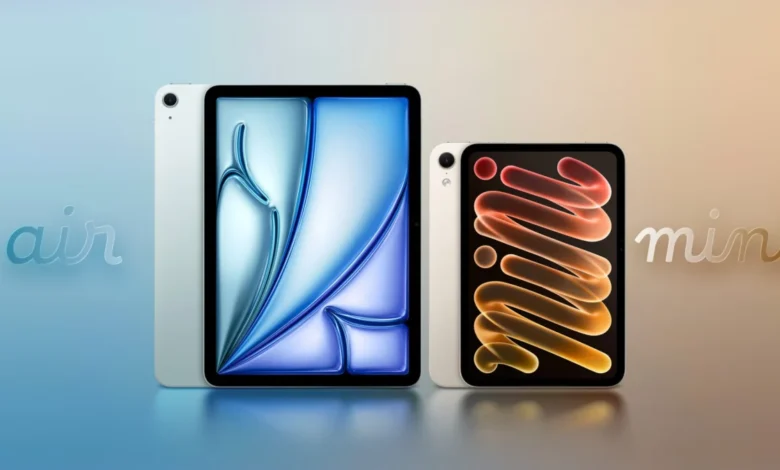
The release of the eighth-generation iPad mini in October 2026 has fundamentally altered the competitive landscape within Apple’s tablet lineup. By integrating advanced OLED display technology, a high-performance A20 Pro chip, and a significant design overhaul into its most compact form factor, Apple has created a device that rivals—and in several technical respects, outperforms—the current eighth-generation iPad Air. With a price gap of only $50 separating the base models, consumers are now facing an unconventional dilemma: choosing between the cutting-edge portability of the new mini and the larger, productivity-focused workspace of the Air.
A Chronology of the 2026 iPad Refresh
The current state of the iPad ecosystem is the result of a deliberate, staggered release strategy employed by Apple throughout 2026. The year began with a focus on professional-grade hardware. In March 2026, Apple introduced the eighth-generation iPad Air, powered by the M4 chip. This launch was positioned to provide a bridge between the entry-level tablet experience and the high-end iPad Pro line, offering both 11-inch and 13-inch configurations.
However, the market shifted in June 2026 when Apple implemented broad price increases across its hardware portfolio, raising the starting prices of the 11-inch and 13-inch iPad Air models to $749 and $949, respectively. This adjustment tightened the value proposition of the Air, making it a more premium investment than previously perceived.
The narrative took a dramatic turn in October 2026, when Apple unveiled the eighth-generation iPad mini. Unlike the iterative update many analysts expected, the new mini arrived with a redesigned chassis, the A20 Pro chip, and, most notably, a Super Retina XDR OLED display. This launch effectively leapfrogged the current iPad Air in display technology, creating a situation where the smaller, cheaper device possesses features that the larger, more expensive tablet lacks.
Technical Parity and Divergence
A detailed examination of the internal specifications reveals a complex balance of power. Both the eighth-generation iPad mini and the iPad Air now feature 12GB of unified memory, a significant upgrade for the mini that ensures it can handle intensive multitasking and the latest generative AI features integrated into iPadOS. Furthermore, both tablets support the Apple Pencil Pro and the USB-C version of the Apple Pencil, and both share essential connectivity standards including Wi-Fi 7, Bluetooth 6, and the N1 wireless chip.
Despite these shared foundations, the divergence in their target demographics is stark. The iPad Air maintains a legacy advantage in physical screen real estate and input versatility. By supporting the Magic Keyboard and utilizing the Smart Connector, the 11-inch and 13-inch Air models remain the only viable candidates for users who require a true laptop-replacement experience. The display on the Air, while still using mature LED-backlit LCD technology, provides the brightness and resolution required for professional workflows in design and document management.
Conversely, the iPad mini has become a showcase for experimental, consumer-centric hardware. The implementation of an OLED panel with a 2,000,000:1 contrast ratio offers deeper blacks and more vibrant color reproduction than the Air. Furthermore, the inclusion of IP67 water and dust resistance, along with an adaptive True Tone rear flash, suggests that Apple views the mini as a rugged, go-anywhere tool for content creation and high-end media consumption, rather than a desk-bound workstation.
The Portability Factor: A Quantifiable Advantage
The physical dimensions of these devices provide the clearest distinction for potential buyers. The iPad mini, weighing in at just 255 grams, is roughly 45% lighter than the 11-inch iPad Air. In practical terms, this weight reduction, combined with a thickness of only 5.4 mm, allows the device to occupy a niche that the Air cannot: the "always-on-the-go" tablet.
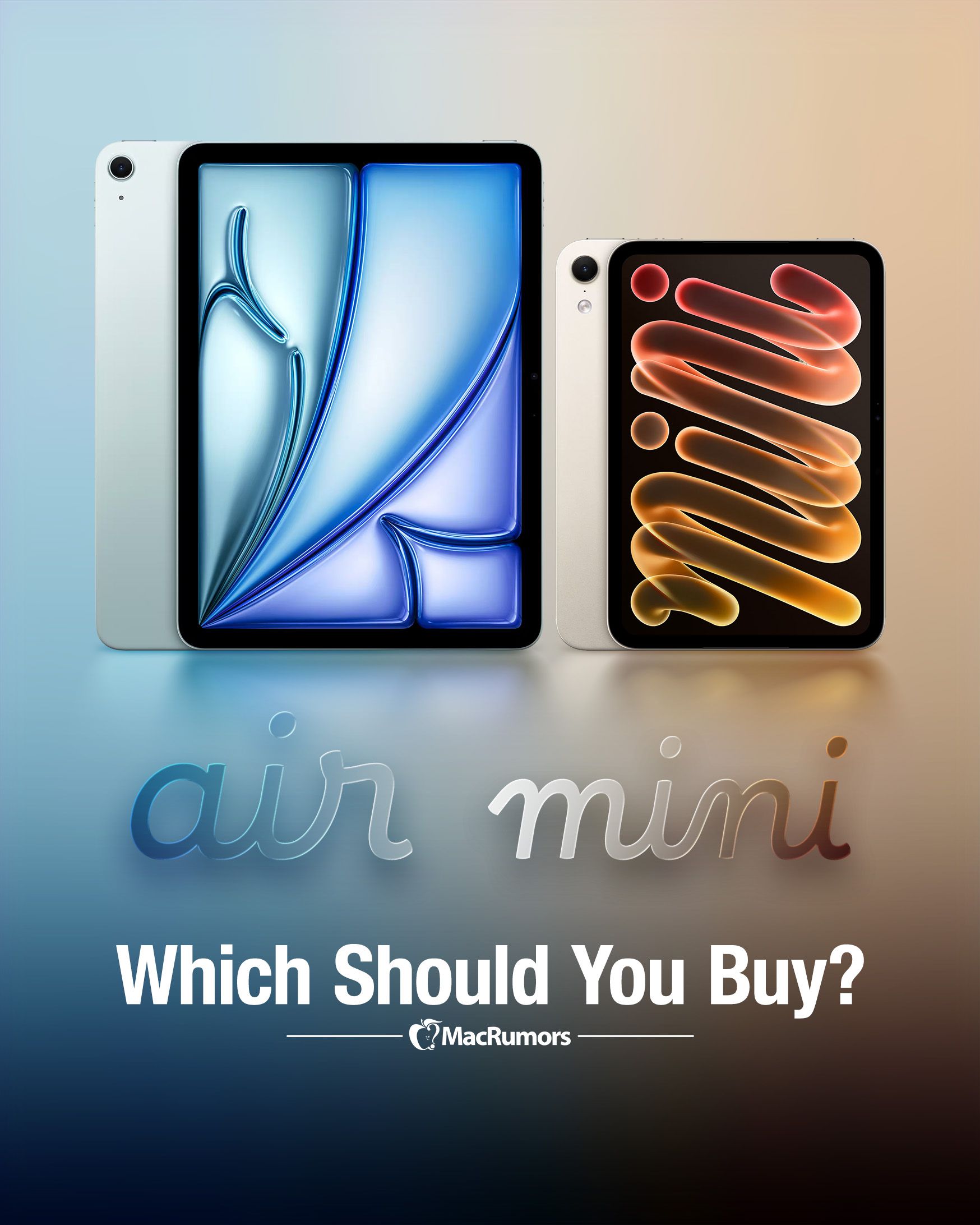
For students, travelers, and field professionals, the ability to hold a device in one hand while taking notes or navigating complex interfaces is a critical performance metric. The Air, even in its smaller 11-inch configuration, requires two-handed operation for most tasks and necessitates a bag for transport. The mini, by contrast, fits into coat pockets and small satchels, maintaining a balance between extreme mobility and the high-resolution output expected of modern computing devices.
Economic Implications and Value Proposition
The pricing strategy adopted by Apple in late 2026 has created a market anomaly. With the iPad mini starting at $699 and the 11-inch iPad Air at $749, the $50 price difference is historically narrow for Apple. When evaluating this, consumers must weigh the "feature-per-dollar" ratio.
The iPad mini offers superior display technology (OLED vs. LCD), better durability (IP67 certification), and a more modern, lighter design. The iPad Air, however, justifies its $50 premium through its screen size and, crucially, the Smart Connector for the Magic Keyboard. For a user who does not own a laptop and intends to use their tablet for long-form writing or data entry, the Air remains the logical choice despite its aging design language. For almost every other use case—including streaming, gaming, digital art, and casual productivity—the iPad mini now offers objectively higher specifications for a lower cost.
Future Outlook and Strategic Recommendations
The current disparity between the two models is expected to be temporary. Industry analysts have noted that Apple is likely to refresh the iPad Air in the first half of 2027, with a high degree of certainty that the new model will incorporate OLED display technology to bring it in line with the mini and the Pro lines.
For prospective buyers, the recommendation is segmented by urgency. Those who require a tablet immediately for professional office work or academic typing tasks should consider the 11-inch iPad Air, acknowledging that they are purchasing an older design in exchange for immediate keyboard utility. However, for those who do not have an immediate requirement for the Smart Connector or the 13-inch display, the most prudent financial decision is to wait.
The upcoming 2027 refresh of the iPad Air will almost certainly bridge the current gap in display quality and potentially introduce further advancements in processing power. Buying an iPad Air in its current state, while not a poor decision, means accepting a device that is technically behind the company’s own mid-range offering.
The Broader Impact on the Tablet Market
The decision to equip the iPad mini with such advanced hardware suggests a broader shift in Apple’s strategy. By prioritizing high-end features in a small form factor, Apple is attempting to prevent the cannibalization of the tablet market by smartphones with increasingly large displays. By making the iPad mini a distinct, high-performance companion device rather than a "budget" alternative to the Air, Apple has successfully repositioned the mini as a premium, specialized tool.
Ultimately, the eighth-generation iPad mini is a testament to the fact that size no longer dictates power. It has moved beyond the constraints of its predecessors to become a device that challenges the standard hierarchy of the tablet market. While the iPad Air continues to serve as the reliable workhorse for those wedded to the keyboard-and-display workflow, the iPad mini has emerged as the definitive choice for the modern, mobile-first user. As the market looks toward 2027, the challenge for Apple will be to reconcile these two distinct product paths, ensuring that the Air can justify its premium price point once it eventually receives the long-anticipated display upgrade. For now, the consumer is left with a unique opportunity to choose between a specialized, high-performance compact device and a larger, legacy-supported productivity machine.
Related posts: