Apple has set a new premium tier for device maintenance with the introduction of its ceramic Apple Watch Series 12 repair costs.


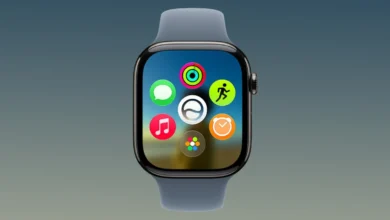
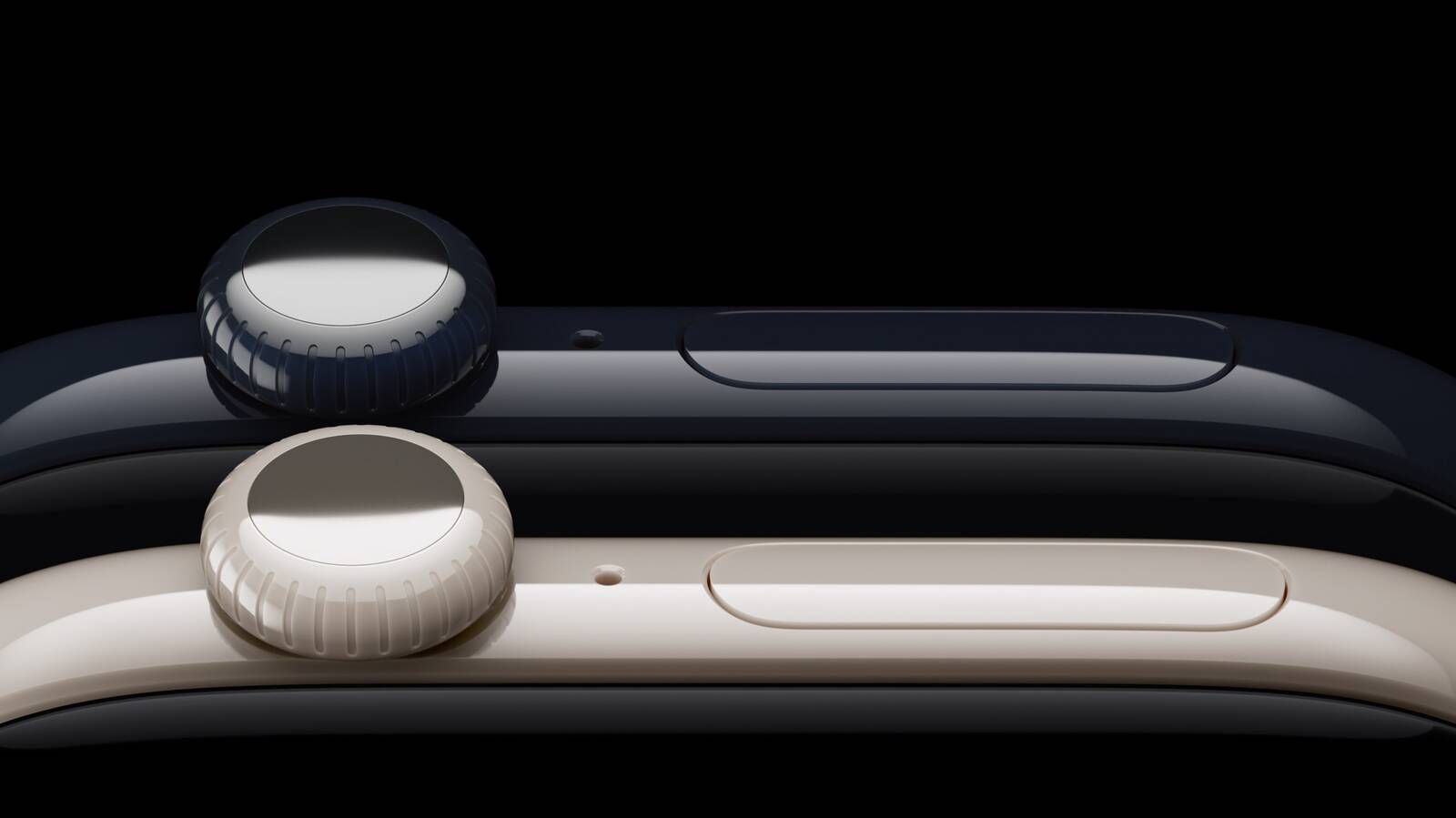
The unveiling of the Apple Watch Series 12 and the Apple Watch Ultra 4 during the September 2026 "Surprise and Shine" event in Cupertino has brought a renewed focus on Apple’s hardware ecosystem, particularly regarding its high-end material offerings. While the return of the ceramic casing—available in striking Pearl White and Night Blue finishes—has been celebrated by design enthusiasts, the reality of maintaining such a premium device has emerged as a significant financial consideration for potential buyers. Apple’s official service documentation now confirms that repairs for the ceramic Series 12, when performed outside of an AppleCare+ agreement, reach a staggering $599 for "other damage."
This figure establishes the ceramic Series 12 as one of the most expensive wearable devices to repair in Apple’s current lineup, surpassing even the ruggedized Apple Watch Ultra 4. To put this into perspective, the repair cost for an Apple Watch Ultra 4 currently stands at $549, a $50 increase over the previous generation, while a standard cellular aluminum Series 12 can be serviced for $349. The discrepancy highlights the complex manufacturing processes required to produce, machine, and polish the high-density ceramic material, which, while highly scratch-resistant, remains susceptible to fractures upon high-impact contact.
The Financial Landscape of Premium Wearables
The pricing structure for the Series 12 reflects Apple’s broader strategy of tiering its hardware. With a base retail price of $899 for the ceramic model, the device sits firmly in the luxury segment. The decision to reintroduce ceramic—a material previously favored for its hypoallergenic properties and aesthetic depth—comes at a time when consumers are increasingly scrutinized for their long-term device investment strategies.
The cost of entry is not merely the purchase price, but the total cost of ownership over a standard two-to-three-year lifecycle. By pricing out-of-warranty repairs at $599, Apple is effectively signaling that the ceramic Series 12 is a "prestige" item. Battery service for the device is pegged at $99, which remains a relatively standard fee across the Apple Watch portfolio, yet the "other damage" category covers the vast majority of accidental incidents, including cracked screens and housing integrity failures.
The Value Proposition of AppleCare+
In response to these high repair costs, industry analysts note that Apple is subtly, yet firmly, incentivizing the adoption of its AppleCare+ service plans. For the ceramic Series 12, an AppleCare+ policy reduces the financial burden of accidental damage to a flat $69 service fee. This represents a massive savings of $530 per incident compared to the out-of-warranty cost.
The subscription model for this coverage is also evolving. AppleCare+ for the Series 12 is available for $4.99 per month, whereas the Ultra 4 commands a $5.99 monthly rate. Furthermore, the introduction of the "AppleCare One" program—a $19.99 monthly bundle covering up to three devices—and the upcoming "AppleCare One Family" plan ($49.99 per month for up to six users) suggests that Apple is moving away from device-specific insurance toward a comprehensive household protection model. These tiers are clearly designed to mitigate the "sticker shock" of high-end hardware repairs by distributing the cost across monthly recurring revenue streams.
A Chronology of the 2026 September Event
The September 2026 event was arguably one of the most anticipated in the company’s recent history, serving as a launchpad for a significant refresh of the company’s mobile and wearable portfolio.
- September 8, 2026: Leading up to the event, speculation reached a fever pitch regarding the "iPhone Duo," a folding device that analysts expected would redefine the premium smartphone market.
- September 9, 2026: The "Surprise and Shine" event occurred at the Steve Jobs Theater. Apple officially unveiled the iPhone 18 Pro, the foldable iPhone Duo, and the newest generation of wearables: the Series 12 and the Ultra 4.
- September 10, 2026: Post-event documentation, including the specific support and service pricing for the new hardware, was released to the public, detailing the financial implications of the ceramic finish.
- September 14, 2026: This date marks the official rollout of the "AppleCare One Family" subscription tier, providing an alternative financial safety net for households utilizing multiple Apple devices.
Industry Analysis: Why Ceramic Commands a Premium
The choice of ceramic as a housing material is not merely a stylistic decision; it is an engineering challenge. Ceramic components are sintered at high temperatures and then diamond-ground to achieve a smooth, glossy finish. This process has a significantly higher failure rate during manufacturing compared to aluminum or stainless steel. When a device is damaged, the housing cannot simply be "repaired" in the traditional sense; the entire internal chassis must be transplanted into a new ceramic shell, which explains the high labor and material costs.
Market researchers have observed that Apple uses these high repair costs to manage the scarcity and exclusivity of the ceramic models. By setting the repair price near the cost of a new standard-model watch, Apple effectively forces owners of the ceramic variant to prioritize the safety and care of the device, or alternatively, to commit to the long-term insurance ecosystem.
Implications for the Consumer
For the average consumer, the choice between the aluminum, titanium (Ultra), and ceramic versions of the Apple Watch is no longer just about durability or aesthetic preference; it is a calculation of risk tolerance. Those who lead active lifestyles or engage in high-impact sports are clearly being steered toward the Apple Watch Ultra 4, which is built to withstand environmental extremes and carries a lower repair threshold than the delicate ceramic model.
Conversely, the ceramic Series 12 is being marketed as a lifestyle accessory—a piece of jewelry that happens to be a computer. The high cost of repair serves as a barrier to entry, ensuring that the device maintains a certain level of rarity.
Conclusion: The Shifting Focus of Apple Services
The pricing strategy for the Apple Watch Series 12 underscores a pivot in how Apple views its service division. As the hardware market reaches maturity and feature updates become more incremental, the company is focusing heavily on the "cradle-to-grave" experience of its users. By creating an environment where device protection is as essential as the device itself, Apple is reinforcing its "walled garden" approach.
As of late 2026, the message to consumers is clear: if you opt for the pinnacle of design—the ceramic Series 12—you are also opting into a premium support ecosystem. The repair costs, while eye-watering, are a reflection of the material science involved and the company’s push toward a subscription-first model. Whether this will deter the average buyer or simply shift the purchasing behavior toward AppleCare+ remains to be seen, but it is certain that the cost of owning the latest technology is becoming an increasingly complex financial decision.