Apple M6 iMac Retains Familiar Color Palette Despite Speculation of New Aesthetic Options

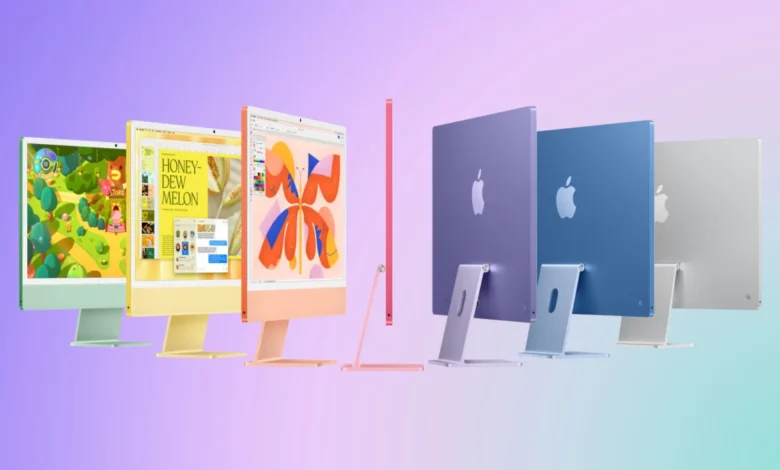
The newly unveiled M6 iMac has officially entered the market, arriving with the same seven-color aesthetic that has defined the desktop line since its major redesign in 2021. Despite widespread industry anticipation and reports suggesting that Apple might introduce a refreshed or expanded palette for the 2026 iteration, the hardware remains visually consistent with its predecessors. This decision to maintain the status quo highlights a strategic focus on internal hardware advancements over external design shifts, prioritizing performance gains and connectivity standards for the latest generation of Apple silicon.
A Chronology of the iMac Color Evolution
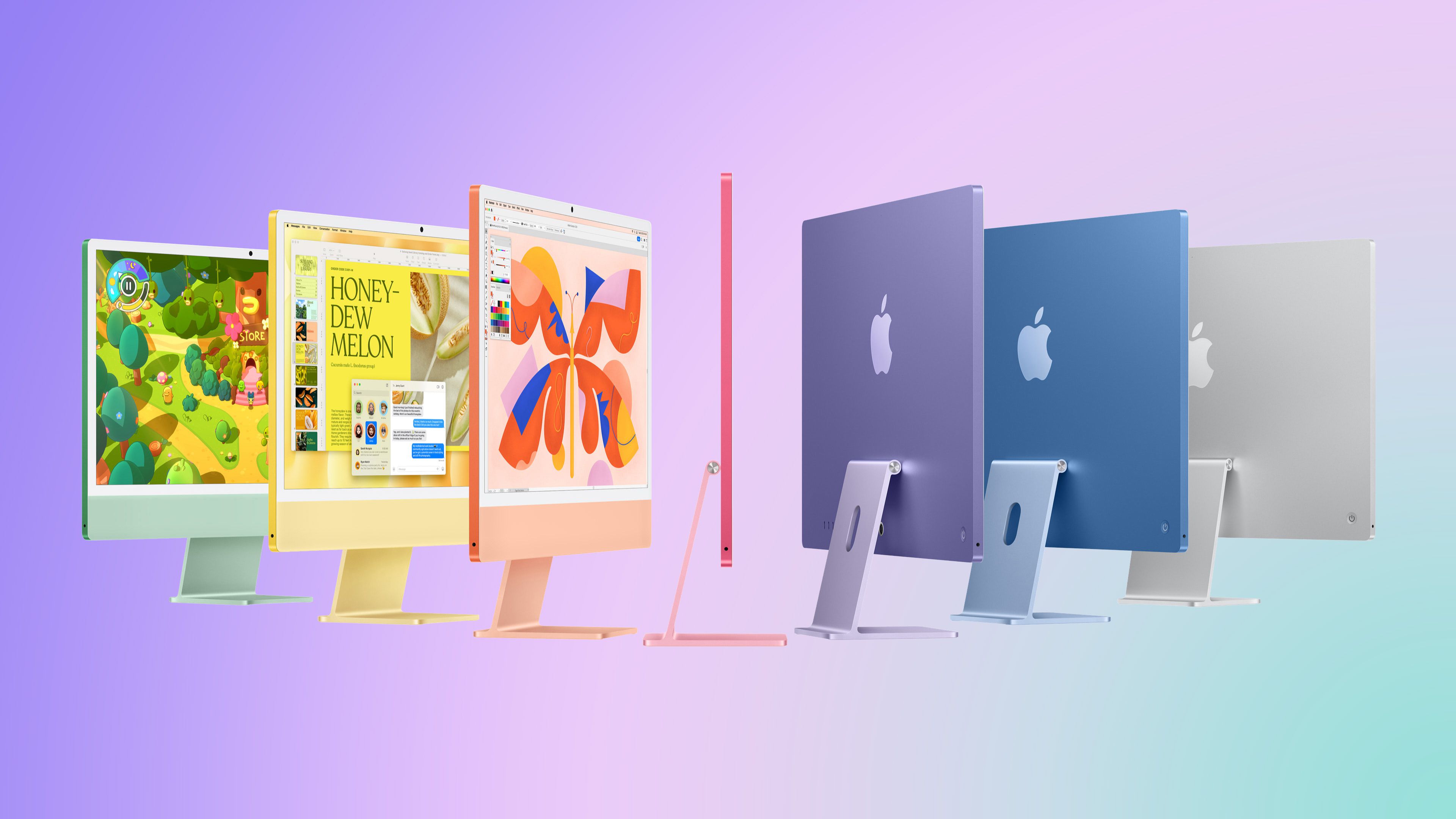
The journey of the current iMac design language began in the spring of 2021, when Apple transitioned the all-in-one desktop away from its long-standing silver-only aesthetic to a vibrant, multi-colored lineup. Consumers were offered seven distinct choices: green, yellow, orange, pink, purple, blue, and silver. This design, characterized by a slim profile and white bezels, was initially powered by the M1 chip, marking the company’s first major departure from Intel-based architecture in the desktop category.
In 2024, Apple updated the iMac to include the M4 chip. While the fundamental silhouette remained largely identical to the 2021 model, the company refined the finish of the rear casing, introducing more saturated and vibrant shades across the existing seven-color spectrum. This adjustment was widely seen as a minor aesthetic pivot intended to keep the device feeling fresh in a market where the form factor had become a hallmark of the desktop experience.
Leading up to the October 27, 2026, announcement, market analysts—most notably Mark Gurman of Bloomberg—suggested that Apple might introduce new color options to further differentiate the M6 model. However, following the official announcement, it was confirmed that the M6 iMac retains the exact palette established in 2021 and refined in 2024. For prospective buyers, the consistency ensures that the desktop continues to match the color-coordinated peripherals, including the Magic Keyboard, Magic Mouse, and trackpad, which remain central to the iMac ecosystem.
Technical Advancements and the M6 Architecture
While the exterior may appear unchanged, the M6 iMac represents a significant leap in internal computing capabilities. The transition to the M6 chip—the same silicon architecture recently debuted in the 2026 Mac mini—provides a measurable increase in both single-core and multi-core processing speeds compared to the M4.
Beyond the core processor, the M6 iMac incorporates several vital infrastructure upgrades designed to future-proof the machine for modern workflows. A standout addition is the integration of the N1 networking chip, which brings support for Wi-Fi 7 and Bluetooth 6. These standards offer significant improvements in latency, throughput, and range, catering to high-bandwidth professional environments and the growing ecosystem of smart home peripherals. Furthermore, the inclusion of a faster solid-state drive (SSD) ensures that read and write speeds are optimized to keep pace with the increased computational power of the M6 silicon.
Pricing for the M6 iMac remains competitive, starting at $1,499. This entry point includes the base configuration, with various upgrades available for memory and storage. Pre-orders are scheduled to commence on October 28, 2026, at 10:10 a.m. Pacific Time, with general retail availability set for Friday, November 6.
The Role of Color in Brand Identity
The decision to retain the existing color options is not merely a matter of manufacturing efficiency; it is an extension of Apple’s branding strategy. Since the introduction of the 2021 model, the iMac has served as a centerpiece for both home offices and creative studios. By maintaining a consistent color scheme, Apple reinforces the "iMac identity." The fact that the iMac ships with color-matched cables and accessories—a detail that distinguishes it from the Mac mini or MacBook Pro—underscores the importance of the desktop as a lifestyle product rather than a strictly utilitarian machine.
From a manufacturing perspective, retaining the established colors minimizes supply chain complexity. Scaling a product line across seven distinct colors requires significant coordination in anodization and quality control. By sticking to a proven formula, Apple avoids the potential bottlenecks associated with introducing new shades, allowing for a smoother transition to the new M6 internal components.
Market Context and Related Developments
The M6 iMac announcement arrives amidst a flurry of activity in the Cupertino-based company’s hardware division. Throughout October 2026, industry observers have noted a series of strategic product releases. Apple has been actively inviting members of the media to a "launch experience" in Los Angeles, which has focused on a broader portfolio of products, including new touchscreen-capable MacBooks and updates to the iPad mini.
The broader strategy appears to be a tiered rollout of the M6 chip across the entire Mac lineup. The Mac mini, which received the M6 treatment in late August 2026, served as the testing ground for the new silicon, with the iMac following shortly after. Rumors continue to circulate regarding the future of the Mac Studio and the high-end MacBook Pro, with analysts predicting further M6-series chip integration before the end of the year.
Furthermore, the company is diversifying its footprint beyond traditional computing. Reports from Bloomberg indicate that Apple is developing a smart home hub featuring an iMac G4-style design—a nod to the iconic "sunflower" base of the early 2000s. This prospective device, which may feature a 6-inch square display, suggests that while the iMac desktop line is focusing on performance iteration, Apple’s design language is being repurposed for new categories of home-centric technology.
Implications for Consumers and the Desktop Market
The lack of new colors for the M6 iMac may be viewed by some enthusiasts as a missed opportunity for aesthetic innovation. However, for the average consumer, the consistency offers a sense of stability. Users who have invested in color-coordinated desk setups can upgrade to the M6 model without the need to replace existing peripherals, a significant value proposition for long-term Apple users.
From a performance standpoint, the shift to Wi-Fi 7 and Bluetooth 6 is the true narrative of this release. As remote work environments become more reliant on high-speed, stable wireless connectivity, the integration of these protocols ensures that the iMac remains a viable machine for the next three to five years. The faster SSD also addresses a common pain point for users dealing with increasingly large media files, making the M6 a compelling choice for creative professionals who prefer an all-in-one form factor.
Strategic Outlook
As Apple moves forward into the final quarter of 2026, the focus remains on the "M6 transition." The company is effectively aligning its desktop and laptop performance profiles, ensuring that customers have a unified experience regardless of their hardware preference. While the aesthetic of the iMac remains static, the underlying machine has been transformed into a significantly more capable tool for modern digital demands.
The release of the M6 iMac confirms that Apple is currently comfortable with the design language of its all-in-one desktop. By opting for internal upgrades over external experimentation, the company is positioning the iMac as a reliable, high-performance constant in a rapidly changing tech landscape. With pre-orders opening on October 28 and shipments beginning on November 6, the market will soon see how well this iterative approach resonates with the broader consumer base. Whether the lack of new colors impacts sales remains to be seen, but the internal improvements—particularly regarding connectivity and storage—position the M6 iMac as a robust upgrade for those currently utilizing older Intel-based or early M-series models.
Related posts: