OnePlus Officially Exits United States and European Markets Ending OxygenOS Development and Leaving a Void in High Performance Eye Care Displays

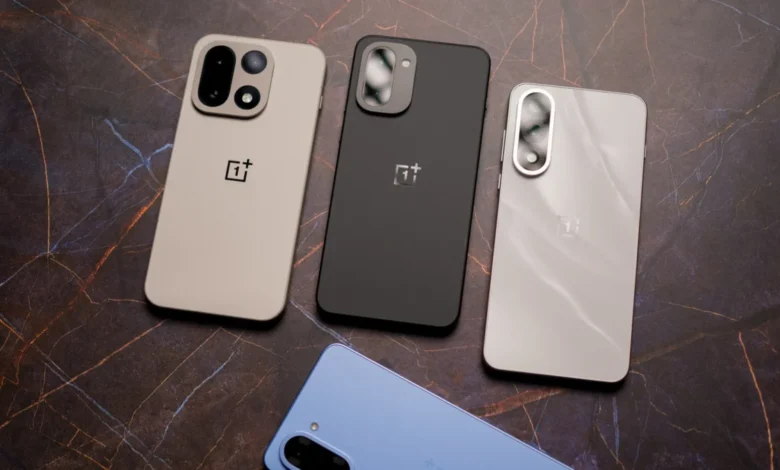
In a move that marks the end of an era for the global smartphone industry, OnePlus has officially announced its withdrawal from the United States and European markets. The company confirmed that it will no longer launch new hardware in these regions, effectively pivoting its business strategy to focus on other global territories, primarily mainland China and parts of Asia. While the company has committed to maintaining software support and warranty services for currently available devices, the exit represents a significant contraction for a brand that once aimed to disrupt the duopoly held by Apple and Samsung in the Western world.
The departure is accompanied by the dissolution of OxygenOS as a distinct entity, further integrating the brand’s software identity into the ecosystem of its parent company, Oppo. This strategic retreat follows a series of market challenges, including an inability to secure a foothold in major U.S. carrier retail environments and increasing geopolitical complexities. For the consumer technology landscape, the exit of OnePlus is more than just the loss of a "flagship killer" brand; it signals a reduction in hardware diversity, particularly in the niche but vital area of display health and eye-care technology.
The Chronology of a Market Exit
The decline of OnePlus in Western markets can be traced back to several pivotal shifts over the last four years. Founded in late 2013 as a subsidiary of Oppo, OnePlus initially gained a cult following through its "invite-only" sales model and the promise of high-end specifications at mid-range prices.
By 2018, OnePlus reached a milestone in the United States by securing a partnership with T-Mobile, marking the first time a Chinese flagship was sold directly through a major U.S. carrier. This was followed by expansion into Verizon. However, the momentum began to stall in 2021 when OnePlus announced a "deeper integration" with Oppo. This merger led to the sharing of R&D resources and, eventually, the controversial decision to merge the codebases of OxygenOS and Oppo’s ColorOS.
The launch of the OnePlus 12 in early 2024 was seen by many industry analysts as a return to form, offering industry-leading display technology. However, the subsequent OnePlus 13 and the recently released OnePlus 15 series struggled to gain traction. Despite critical acclaim—with the OnePlus 13 receiving rare perfect scores from several technology outlets—the devices remained largely absent from carrier store shelves. In the United States, where carrier-subsidized sales account for approximately 80% to 90% of the flagship market, the lack of physical retail presence proved to be an insurmountable barrier.
By late 2024, reports began to surface regarding a reduction in staff within the European and North American divisions. The official announcement this week confirms the culmination of these trends, as OnePlus prepares to transition its Western operations to a legacy-support-only model.
The Carrier Barrier and the Broken Retail System
Market analysts point to the unique structure of the United States telecommunications industry as a primary factor in OnePlus’s failure to sustain growth. Unlike European or Asian markets where consumers often purchase "unlocked" devices at full price from third-party retailers, U.S. consumers are conditioned to purchase phones via monthly installment plans provided by T-Mobile, AT&T, and Verizon.
Data from market research firms indicates that without a prominent place in carrier brochures and physical stores, a smartphone brand is relegated to a "niche" status, regardless of its technical superiority. OnePlus, despite its early successes, could not maintain the high-cost requirements of carrier certification and marketing. The "Big Three" manufacturers—Apple, Samsung, and increasingly Google—have established a dominant grip on these channels, leaving little room for a fourth player to achieve the scale necessary for long-term viability.
Furthermore, the political climate has created a "chilling effect" for Chinese-owned technology brands operating in the U.S. and Europe. Following the sanctions placed on Huawei and the ongoing scrutiny of TikTok, many Chinese vendors have become wary of investing heavily in markets where sudden regulatory changes could jeopardize their entire infrastructure.
The Loss of Eye-Care Innovation: The PWM Crisis
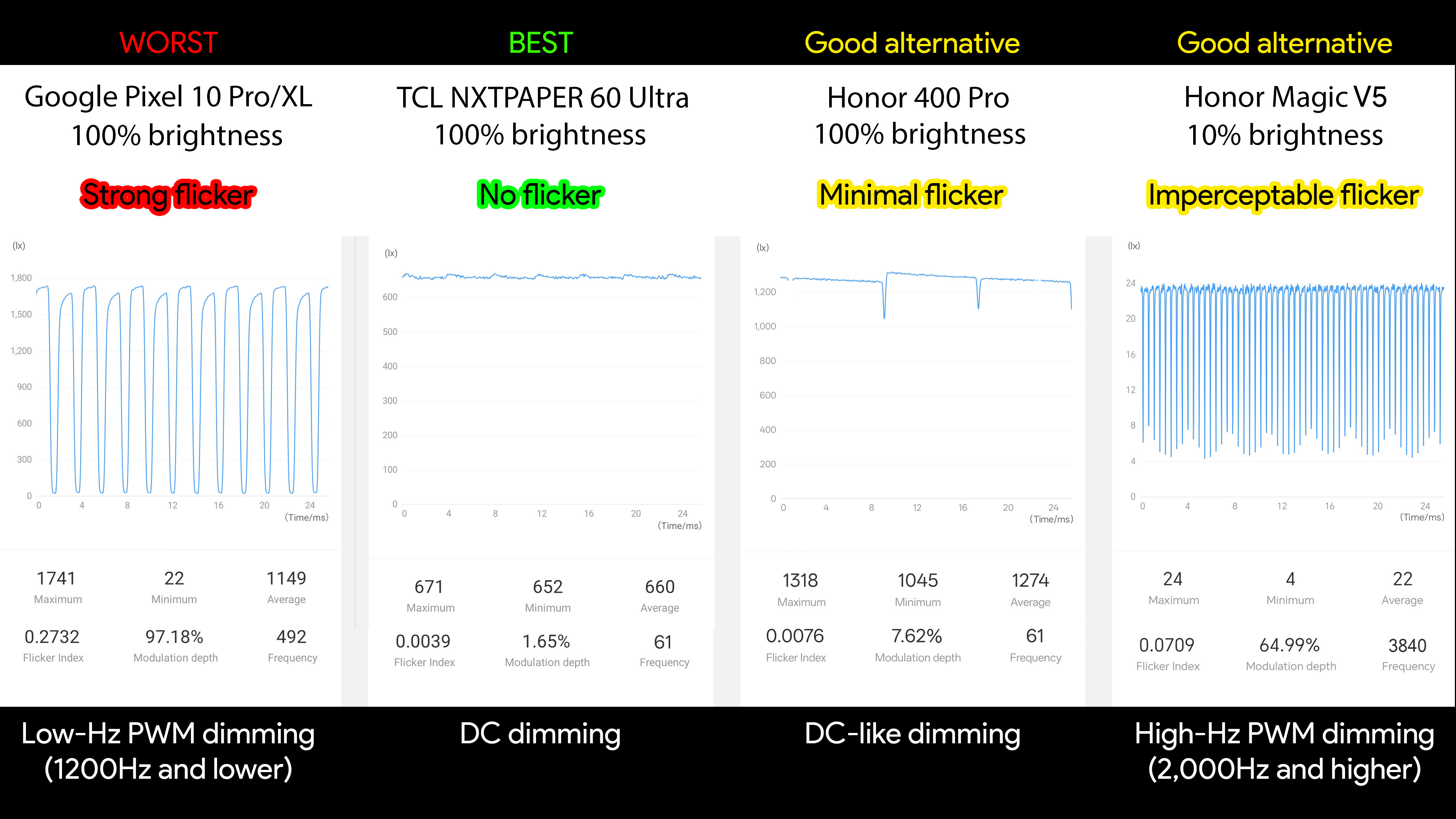
One of the most significant technical implications of the OnePlus exit is the loss of "flicker-free" display technology in the Western flagship market. In recent years, OnePlus had positioned itself as a leader in addressing Pulse Width Modulation (PWM) sensitivity.
PWM is a technique used by OLED panels to control brightness by rapidly switching the screen on and off. While this happens too fast for the human eye to consciously see, the "flicker" can cause debilitating headaches, eye strain, and migraines for a significant portion of the population. While industry leaders like Apple and Samsung have traditionally used low PWM frequencies (often between 240Hz and 480Hz), OnePlus pushed the boundaries by implementing frequencies exceeding 2,160Hz, alongside "DC-like" dimming solutions.

The OnePlus 12, 13, and 15 models were among the only flagship-tier devices available in the U.S. that provided a comfortable viewing experience for PWM-sensitive users. With OnePlus leaving the market, these consumers are left with dwindling options. While companies like Motorola and Nothing offer some eye-care features, their devices often lack the top-tier camera systems and processing power found in the OnePlus flagship line.
Software Integration and the End of OxygenOS
The announcement also marks the final chapter for OxygenOS. Originally praised for its "clean," near-stock Android appearance and lightning-fast performance, OxygenOS was a primary selling point for Western enthusiasts.
The transition to a unified codebase with Oppo’s ColorOS began in 2021, leading to a hybrid software experience that many long-time fans felt lacked the original identity of the brand. According to internal sources, the decision to "kill" OxygenOS entirely is a cost-saving measure designed to streamline software development. Future OnePlus devices released in Asian markets will run a localized version of ColorOS, ending the era of a software experience tailored specifically for Western aesthetic preferences and usage patterns.
Official Responses and Industry Reactions
In a statement, a spokesperson for Oppo, the parent company of OnePlus, noted that the move is part of a "strategic realignment to ensure sustainable global growth." The company emphasized that Realme, another brand under the BBK Electronics umbrella, would likely take on a more prominent role in certain global markets, though its availability in the U.S. remains unconfirmed.
"OnePlus remains committed to its existing users in North America and Europe," the statement read. "All warranties will be honored, and software security patches will continue to be delivered according to the previously announced schedules."
Industry experts view this exit as a cautionary tale. "The U.S. market is essentially a fortress," says senior analyst Marcus Thorne. "OnePlus had the best hardware in the world with the OnePlus 13 and 15, but if you aren’t on the shelf at the T-Mobile store in a suburban mall, you don’t exist to the average American consumer. Their exit is a symptom of a stagnant, non-competitive retail environment."
Broader Impact and Implications for Consumers
The departure of OnePlus creates a significant void in the "premium-value" segment. For years, OnePlus acted as a "price anchor," forcing Apple and Samsung to justify their $1,000+ price tags by offering similar specs for hundreds of dollars less. Without this competitive pressure, there are concerns that flagship pricing in the U.S. and Europe may continue to climb without significant innovation.
For the "power user" community, the options are now limited to:
- The Google Pixel: Which offers high-end software but has historically struggled with modem efficiency and thermal management compared to OnePlus.
- Motorola: Which has increased its flagship presence but lacks the long-term software support commitment (seven years) that OnePlus recently introduced.
- Importing: Enthusiasts may choose to import Chinese versions of OnePlus or Oppo devices. However, this comes with significant risks, including a lack of warranty, missing 5G frequency bands required for Western carriers, and the absence of pre-installed Google Play Services in some regions.
As OnePlus retreats to its home turf, the Western smartphone market appears more consolidated than ever. The "flagship killer" has been silenced, not by a lack of innovation, but by the rigid structures of a retail system that favors established giants over technical disruptors. For those sensitive to screen flicker or those who simply preferred the unique "Never Settle" philosophy, the mobile landscape has become significantly dimmer.