Google Introduces Selfie Video Sign-In Option for Account Recovery to Enhance Security and Accessibility.

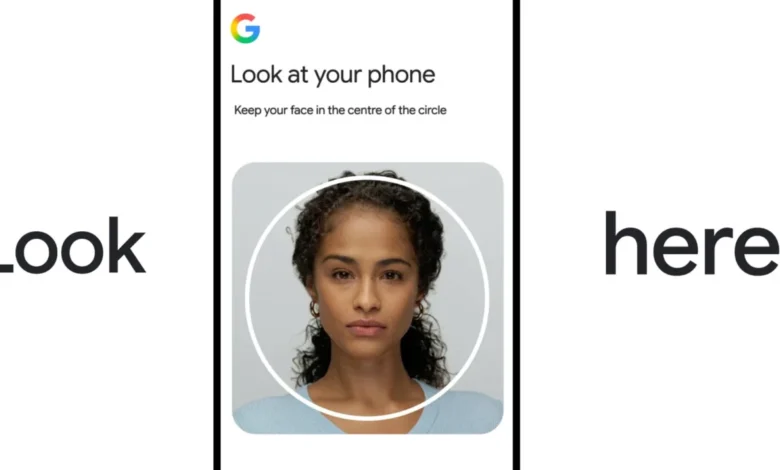
The technology giant Google has officially launched a new selfie video sign-in mechanism designed to streamline the account recovery process for its billions of global users. This innovative feature, announced on July 23, 2026, serves as a robust alternative to traditional recovery methods such as secondary email addresses, SMS verification, and physical recovery codes. By leveraging advanced computer vision and liveness detection, Google aims to provide a secure, biometric-based pathway for users who find themselves locked out of their accounts due to lost devices or forgotten credentials.
The introduction of selfie video recovery marks a significant shift in how digital identity is managed in an era increasingly dominated by sophisticated artificial intelligence and deepfake technology. As passwords continue to move toward obsolescence, Google’s latest move reinforces the industry-wide transition toward "possession-based" and "inherence-based" authentication, where who a user is becomes more important than what a user remembers.
The Mechanism of Selfie Video Authentication
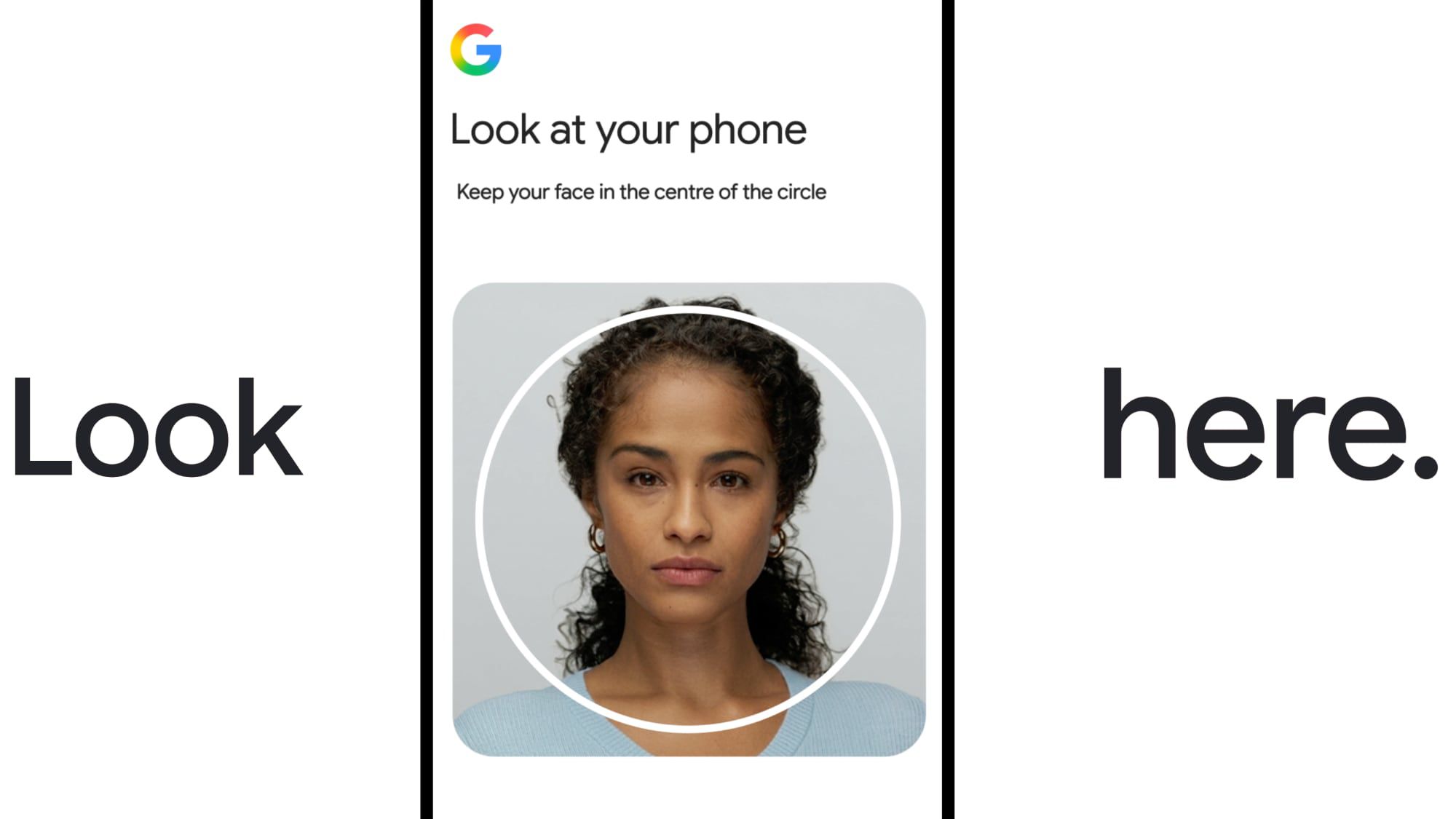
The process of setting up and utilizing the selfie video recovery option is designed to be intuitive yet technologically rigorous. To register a recovery video, a user must access their Google Account security settings through a compatible mobile device. The system prompts the user to look into the front-facing camera and perform a series of specific head movements—such as turning the head left, right, up, and down—as directed by on-screen instructions.
These movements allow Google’s algorithms to capture the user’s facial geometry from multiple angles, creating a three-dimensional map rather than a static two-dimensional image. This "liveness check" is critical; it ensures that the person attempting to access the account is a physical human being present at the moment, rather than a high-resolution photograph or a pre-recorded video held up to the lens.
Once the initial video is recorded, it is encrypted and stored securely within Google’s infrastructure. In the event that a user loses access to their account—perhaps because they have lost their primary smartphone and do not have access to their backup codes—they can initiate the recovery process from a new device. Google will then prompt the user to record a new, real-time selfie video. The system’s AI-driven verification engine compares the new footage against the encrypted reference video stored on file. If the biometric markers and movement patterns match, access is granted.
Security Architecture and Anti-Impersonation Measures
In a digital landscape where generative AI can produce convincing deepfakes, the security of biometric data is a paramount concern. Google has integrated multiple layers of protection to prevent impersonation attempts. The selfie video system is specifically calibrated to detect the subtle nuances of human skin texture, eye movement, and depth that AI-generated masks or videos often fail to replicate accurately.
Google emphasizes that these videos are not merely stored as raw files but are processed into encrypted mathematical representations of the user’s likeness. According to the company’s security blog, these videos are used exclusively for account recovery purposes. Users maintain full control over this data; the video can be deleted from the account settings at any time, though doing so removes it as a recovery option. Furthermore, Google has clarified that unless a user explicitly opts to "share it for additional purposes"—such as improving Google’s broader AI models—the data remains strictly confined to the individual’s security profile.
Chronology of Development and Global Rollout
The global launch of selfie video recovery follows an extensive pilot program conducted in Brazil. This regional testing phase allowed Google to refine the algorithm’s performance across various lighting conditions, diverse ethnic backgrounds, and different hardware specifications. The Brazilian market, known for high rates of mobile-first internet usage and significant challenges regarding digital identity theft, provided a rigorous testing ground for the feature.
The timeline of Google’s authentication evolution reflects a steady march toward a passwordless future:
- 2011: Introduction of Two-Step Verification (2SV).
- 2014: Launch of Security Key support (U2F).
- 2019: Android phones become built-in security keys.
- 2023: Integration of Passkeys as the primary sign-in method.
- 2025: Pilot testing of selfie video recovery in Brazil.
- July 2026: Global release of selfie video recovery for personal accounts.
This trajectory illustrates Google’s strategy of layered security, where no single method is a point of failure. By adding selfie video to a repertoire that includes Passkeys and Trusted Contacts, Google is building a "defense-in-depth" model.
Scope, Limitations, and Exclusions
While the selfie video feature is a major advancement for general consumers, Google has implemented specific restrictions on its deployment. Currently, the feature is available only for standard personal Google Accounts.
Several categories of accounts are currently excluded from this recovery method:
- Google Workspace Accounts: Enterprise and education accounts are managed by organizational administrators who typically have their own internal protocols for identity verification and password resets.
- Children’s Accounts: Accounts managed via Family Link are excluded, likely due to the sensitive nature of biometric data involving minors and varying international privacy regulations such as COPPA.
- Advanced Protection Program (APP) Participants: Users enrolled in Google’s highest tier of security—typically journalists, activists, and business leaders at high risk of targeted attacks—are required to use physical security keys. For these users, the selfie video recovery is deemed an insufficient security bypass, as the APP is designed to eliminate all "soft" recovery paths that could be exploited by sophisticated state-sponsored actors.
Supporting Data: The Rising Need for Biometric Recovery
The move toward biometric recovery is backed by alarming statistics regarding account security. According to cybersecurity reports from early 2026, account takeover (ATO) attacks increased by nearly 40% year-over-year. Traditional recovery methods are often the weakest link; SMS-based recovery is vulnerable to "SIM swapping," and secondary email accounts are frequently less secure than the primary account they are meant to protect.
Research from the FIDO Alliance suggests that users are 50% more likely to successfully regain access to their accounts when using biometric methods compared to traditional knowledge-based questions (e.g., "What was your first pet’s name?"). Knowledge-based authentication has become largely ineffective because much of that information can be harvested from social media or purchased on the dark web following large-scale data breaches.
Furthermore, a 2025 study on digital accessibility found that approximately 15% of users struggle with traditional recovery codes because they are either lost in physical form or stored in digital files that are themselves inaccessible during a lockout. Selfie video recovery addresses this by ensuring that the "key" to the account is the user themselves.
Broader Impact on the Tech Ecosystem
The launch of selfie video recovery occurs amidst a busy summer for Google’s hardware and software divisions. The announcement follows closely on the heels of the Google Gemini Spark update for macOS, which integrated local file automation with Google’s AI agent, and precedes the highly anticipated Pixel 11 event scheduled for August 12, 2026.
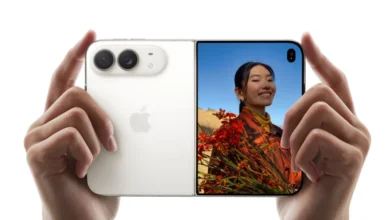
The timing is strategic. As Google prepares to debut the Pixel 11, Pixel 11 Pro, and the new Pixel 11 Pro Fold, the company is positioning its hardware as the ultimate secure gateway to its services. By embedding selfie video recovery into the ecosystem, Google is creating a more cohesive and "sticky" user experience. If a user knows their account is most easily recovered via a Google-certified biometric process, they are more likely to remain within the Google hardware and software ecosystem.
Industry analysts suggest that Google’s move will likely prompt competitors like Apple and Microsoft to expand their own biometric recovery options. While Apple’s FaceID is currently used for unlocking devices and authenticating payments, using a cloud-stored video for account recovery across different devices represents a different architectural approach to identity.
Analysis of Implications: Privacy vs. Security
The primary tension in the rollout of selfie video recovery lies in the balance between convenience and privacy. Privacy advocates have long expressed concerns about the "biometricization" of the internet. Once biometric data is compromised, unlike a password, it cannot be changed.
However, Google’s implementation addresses this by focusing on "liveness" and encryption rather than storing a static, reusable facial template. By allowing users to delete the video at any time, Google is attempting to mitigate fears of permanent surveillance. The success of this feature will depend largely on user trust—specifically, whether users believe Google can keep their biometric "signatures" safe from both hackers and its own internal data-mining operations.
From a security standpoint, the implications are largely positive. By providing a recovery path that does not rely on a phone number, Google is effectively neutralizing the threat of SIM swapping for the recovery process. For the average user, the ability to look into a camera and regain access to their digital life is a significant improvement over the anxiety-inducing process of trying to remember a backup code from three years ago.
Conclusion: The Path Forward for Digital Identity
Google’s introduction of selfie video sign-in is a clear indicator that the future of digital security is personal, biometric, and AI-driven. As the company prepares for its upcoming hardware launches and continues to integrate Gemini AI into every facet of its operating system, the selfie video serves as a foundational component of a more resilient identity framework.
For the general public, this feature offers a safety net that is both high-tech and human-centric. While power users and those in the Advanced Protection Program will continue to rely on hardware keys, the vast majority of Google’s user base now has access to a recovery tool that is as unique as they are. As the July 23 global rollout begins, the tech industry will be watching closely to see how users adopt this new form of digital "self-recognition" and whether it truly marks the beginning of the end for the traditional account recovery struggle.