Apple Integrates Google SynthID Watermarking into iOS 27.2 for Enhanced AI Transparency

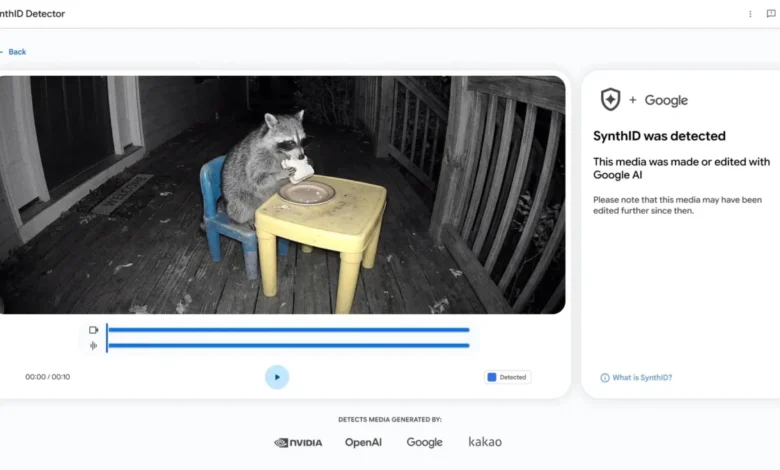
Apple has officially rolled out support for Google’s SynthID watermarking technology within its latest mobile operating system, iOS 27.2. This integration marks a significant shift in how the Cupertino-based tech giant manages the provenance of digital media created or modified by artificial intelligence. By embedding invisible, pixel-level markers into content generated via Image Playground and specific Apple Intelligence photo-editing tools, Apple is aligning itself with an industry-wide push to standardize the identification of synthetic media. This development follows a series of commitments made by major technology firms earlier this year to enhance digital literacy and consumer trust in an era of increasingly sophisticated generative AI.
The Mechanism of SynthID Technology
At its core, SynthID is a sophisticated digital watermarking tool developed by Google DeepMind. Unlike traditional watermarking methods that append information to the metadata of a file—which can be easily stripped by resizing, file conversion, or platform-specific compression—SynthID embeds the watermark directly into the pixel data of an image or video. This approach is specifically engineered to be resilient against common digital manipulations, including cropping, color grading, rotating, and aggressive compression algorithms.
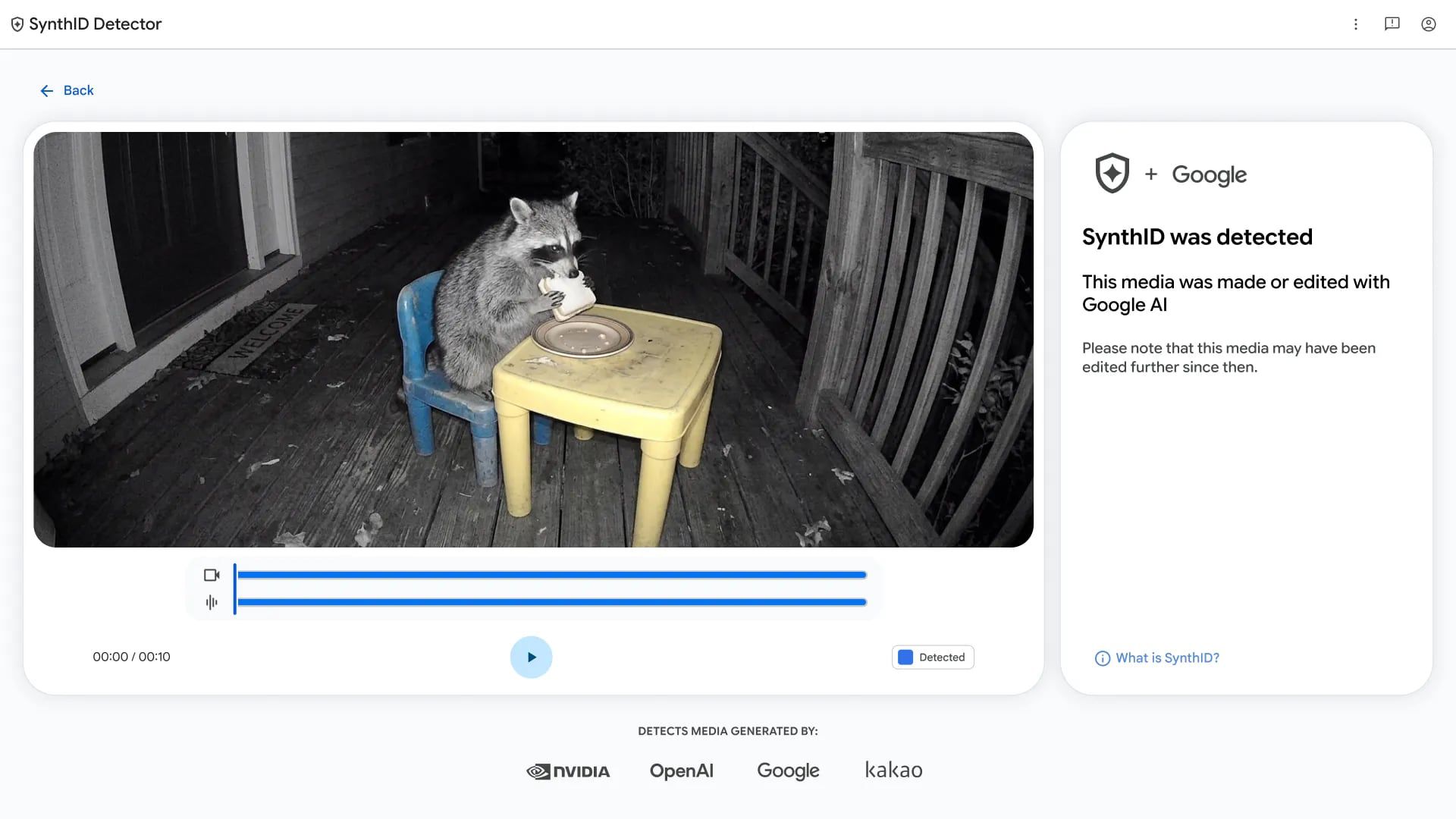
Because the watermark is integrated into the content itself, it does not alter the visual quality or the aesthetic integrity of the image. The invisibility of the mark is a primary design objective, ensuring that the user experience remains seamless while maintaining the capability for forensic identification. For users and researchers seeking to verify the origins of a specific file, Apple does not provide an integrated detector within the iOS Photos app. Instead, authentication must be performed via the external SynthID Detector web portal, which analyzes the pixel structure to confirm the presence of the watermark.
Implementation Across Apple Intelligence Tools
The rollout within iOS 27.2 is not uniform across all AI-driven features, suggesting a nuanced approach to how Apple differentiates between generative creation and minor image refinement. Based on recent performance tests, the application of SynthID follows specific criteria:
- Image Playground: All assets generated through the dedicated Image Playground application are automatically tagged with a SynthID watermark. This ensures that any image created from scratch by generative models carries a permanent record of its origin.
- Photos App – Extend and Reframe: These features, which utilize generative AI to fill in empty spaces or expand the composition of an image, consistently apply SynthID watermarks.
- Photos App – Clean Up: The application of watermarks during the use of the "Clean Up" tool—designed to remove photobombers or unwanted objects—appears to be conditional. Smaller, localized edits do not trigger the watermark, whereas more substantial alterations that fundamentally change the composition of the scene are flagged.
This threshold-based approach suggests that Apple is attempting to balance the need for transparency with the practicalities of everyday photo editing, where minor retouching may not require the same level of disclosure as generative image synthesis.
Chronology of the AI Transparency Initiative
The integration of SynthID is the culmination of a broader strategic roadmap that began in early 2026. The journey toward this implementation can be traced through the following milestones:
- June 2026: During the annual Worldwide Developers Conference (WWDC), Apple publicly announced its commitment to integrating SynthID, positioning it as a key pillar of its "Privacy and Provenance" framework for Apple Intelligence.
- August 2026: Initial testing of the technology began within the developer preview builds of iOS 27, allowing for technical validation of the embedding process.
- September 2026: Apple released iOS 27.0.1, focusing on stability and minor bug fixes, while continuing to refine the background processes for the AI-related tools.
- October 2026 (Mid-month): The release candidate for iOS 27.2 was distributed to developers, finalizing the inclusion of the SynthID watermarking feature.
- October 26, 2026: The official public release of iOS 27.2, marking the widespread availability of the watermarking feature to the global user base.
Broader Industry Context and Collaboration
Apple’s decision to adopt Google’s proprietary technology underscores a growing trend of cross-industry cooperation regarding AI safety. As generative models become more accessible, the risks associated with misinformation, deepfakes, and synthetic fraud have escalated. By adopting a shared standard, companies like Apple, Google, and OpenAI are attempting to create a unified ecosystem where synthetic content can be identified regardless of the platform upon which it was created.
This move is also a response to regulatory pressure. Governments in the European Union, the United States, and beyond have begun drafting frameworks—such as the EU AI Act—that mandate clear labeling for AI-generated content. By implementing these standards voluntarily, technology leaders are attempting to establish a "gold standard" for transparency before more restrictive or incompatible mandates are imposed by legislative bodies.
Technical and Forensic Implications
The reliance on a website-based detector for verification presents both advantages and drawbacks. On the positive side, it keeps the iOS ecosystem streamlined, as the average user may not require advanced forensic tools. It also ensures that the detection algorithm can be updated centrally as generative models evolve, without requiring a full OS update for the user.
However, the lack of native, offline detection capabilities has raised questions among privacy advocates and digital security researchers. If a user needs to upload a file to a third-party website to verify its authenticity, they are effectively sending that file to a server for analysis. While the SynthID platform is designed to maintain privacy, the necessity of an external check introduces a friction point that may discourage widespread usage of the verification tool.
Furthermore, the "Clean Up" tool’s conditional watermarking raises questions about the definition of "generative content." If an AI removes a person from a photograph, it is effectively generating new pixel data to fill the void. If this is not always marked, it could lead to confusion regarding the extent to which a photograph represents reality. Apple’s decision to watermark only "larger" edits implies that they are prioritizing the identification of significantly altered media, while leaving minor post-processing tasks exempt.
The Future of Digital Provenance
Looking ahead, the industry is expected to move toward the Coalition for Content Provenance and Authenticity (C2PA) standards, which provide a more comprehensive framework for tracking the entire edit history of a digital file. While SynthID is an effective tool for identifying that AI was involved in the creation or modification of an image, it does not provide the granular "metadata chain" that C2PA offers.
As iOS continues to evolve, it is highly likely that Apple will integrate more sophisticated provenance tracking. The current implementation of SynthID serves as a critical first step—a "safety net" that helps identify synthetic content at scale. The effectiveness of this system will ultimately depend on how widely the detector is utilized by social media platforms, news organizations, and the general public.
As of late 2026, the tech industry is clearly moving toward an era where the distinction between captured reality and generated imagery must be explicitly marked. By embedding SynthID into the fabric of iOS 27.2, Apple has taken a decisive step in facilitating this shift, setting the stage for a future where digital media remains a trusted medium of communication, despite the presence of advanced artificial intelligence. The challenge remains for these companies to ensure that these tools are not only present but are easily accessible and understood by the non-technical user. For now, the integration of SynthID serves as an essential, if incomplete, component of the broader strategy to ensure the integrity of the digital information landscape.
Related posts: