Meta Ray-Ban Display Smart Glasses One Year Later: A Critical Assessment of Augmented Reality Hardware

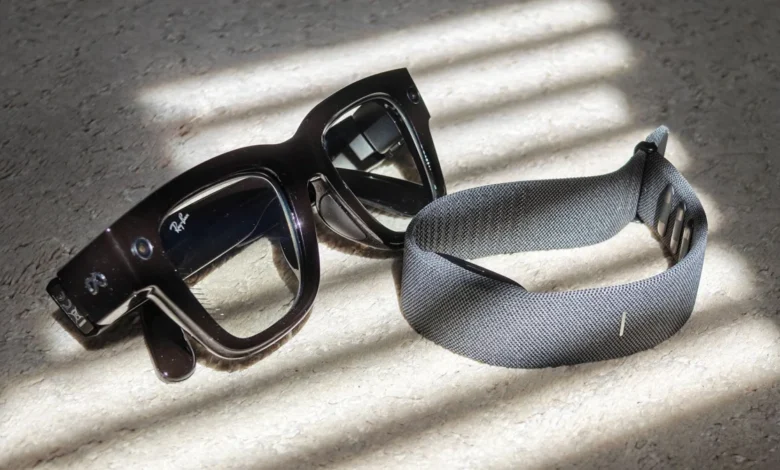
The integration of advanced display technology into wearable eyewear has long been the "holy grail" for consumer electronics giants, and one year ago, Meta took a definitive step toward this future with the release of the Meta Ray-Ban Display glasses. Announced during the 2023 Meta Connect conference in September, these glasses represented a significant evolution from the company’s previous camera-only smart frames. By incorporating a monocular, full-color waveguide display into the right lens, Meta attempted to bridge the gap between simple audio-visual recording devices and true augmented reality (AR) interfaces. After twelve months of market availability and iterative software updates, the device stands as a pivotal case study in the current limitations and potential of head-worn computing.

The Evolution of Meta’s Smart Eyewear Strategy
The trajectory of Meta’s wearable ambitions can be traced back to its long-term research and development division, Reality Labs. Two years prior to the commercial release of the Display model, Meta provided select industry analysts with a preview of "Orion," a prototype pair of AR glasses that offered a glimpse into a high-fidelity, standalone experience. While Orion demonstrated the theoretical peak of what might be possible, the consumer-facing Ray-Ban Display unit was built on a foundation of compromise—prioritizing form factor and wearability over the expansive, immersive fields of view seen in research prototypes.
The development timeline highlights a shift from experimental vanity projects to pragmatic product iteration. Following the second-generation Ray-Ban Meta glasses, which relied entirely on AI-powered audio feedback and camera capture, the addition of a display necessitated a fundamental redesign of the internal hardware architecture. By choosing a single-lens (monocular) approach, engineers were able to manage weight distribution and thermal output, allowing the glasses to retain the aesthetic profile of traditional Ray-Ban frames.
Technical Specifications and Hardware Architecture
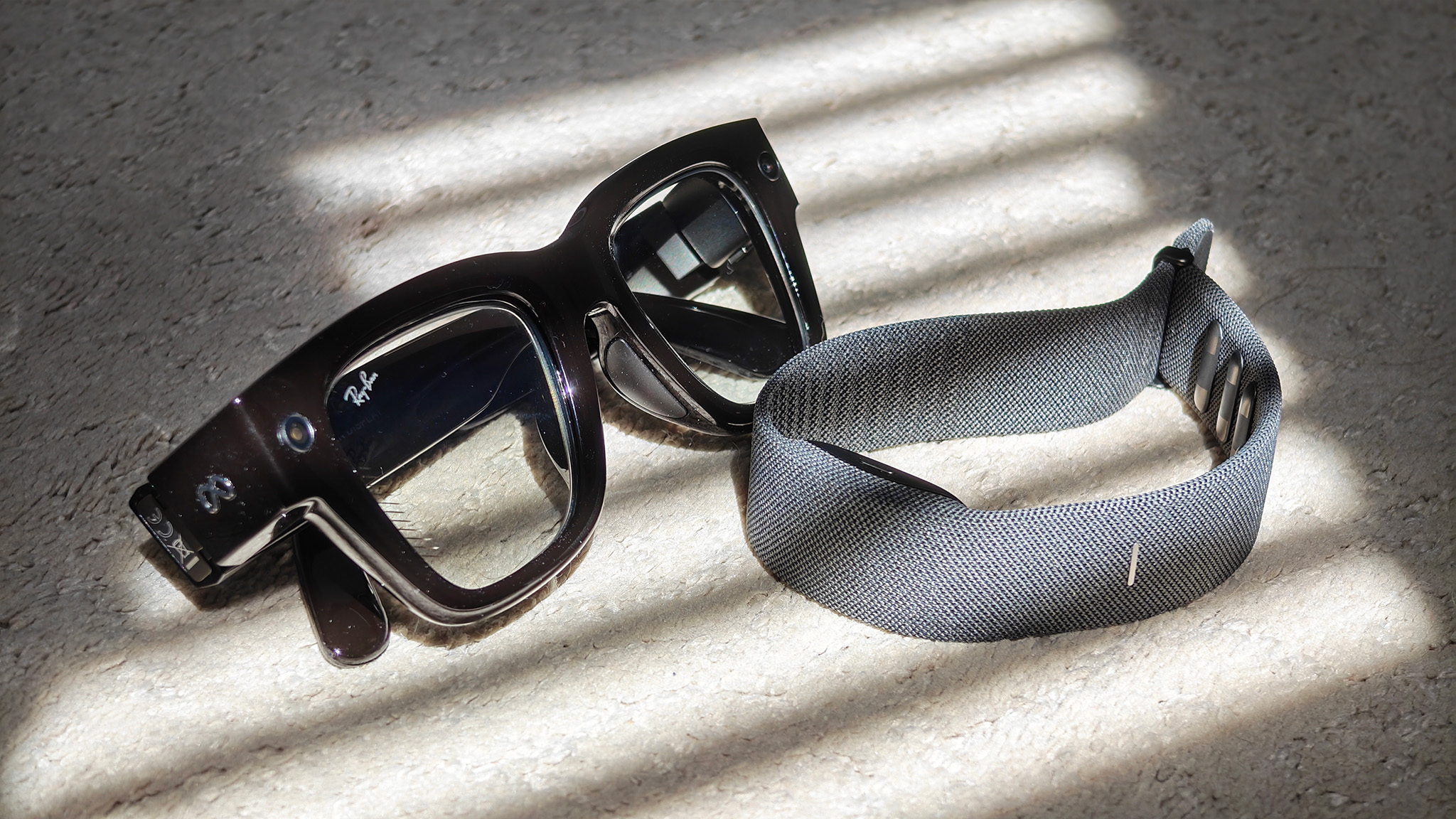
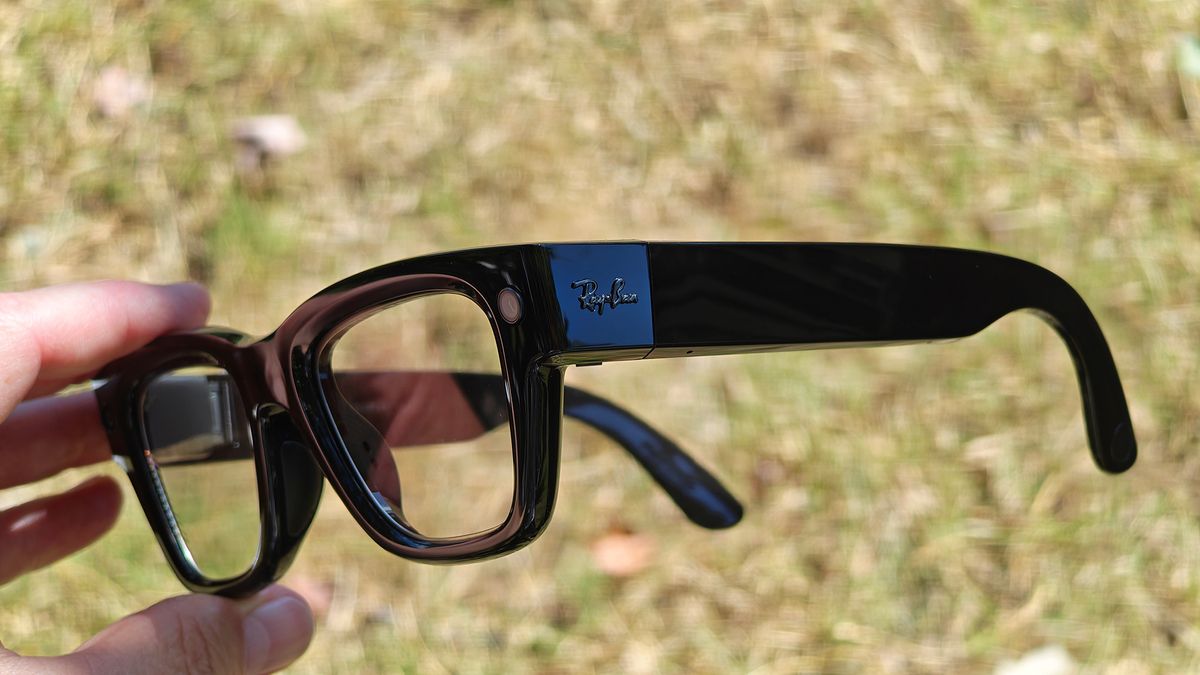
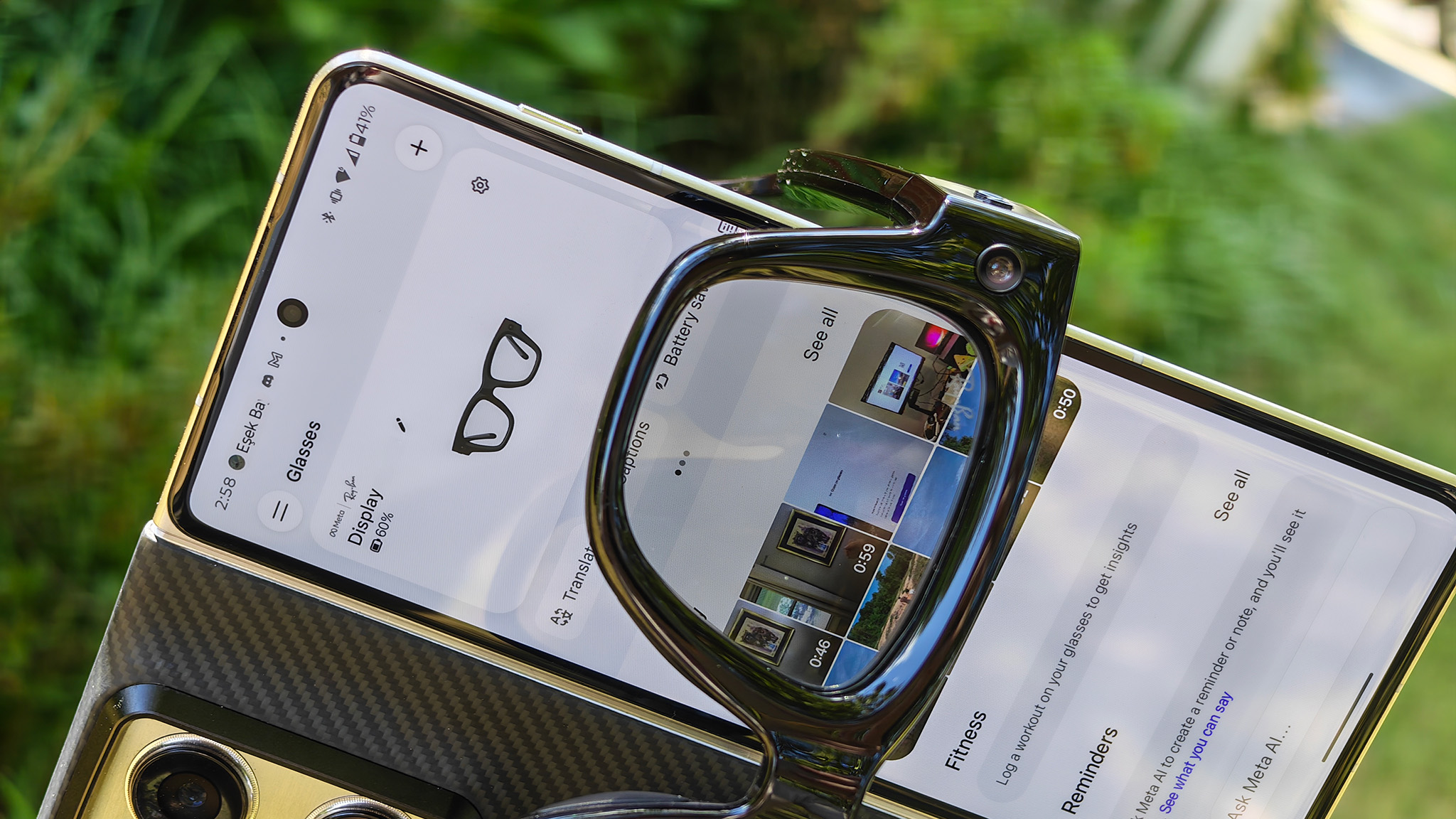
At the core of the Meta Ray-Ban Display experience is the waveguide optics system, manufactured by Lumus. This technology is critical for the device’s functionality; it allows for high-contrast, full-color imagery to be projected directly into the wearer’s field of vision while maintaining a high degree of privacy. Because the waveguide technology directs light specifically toward the user’s eye, the content remains invisible to outside observers, even at close proximity.
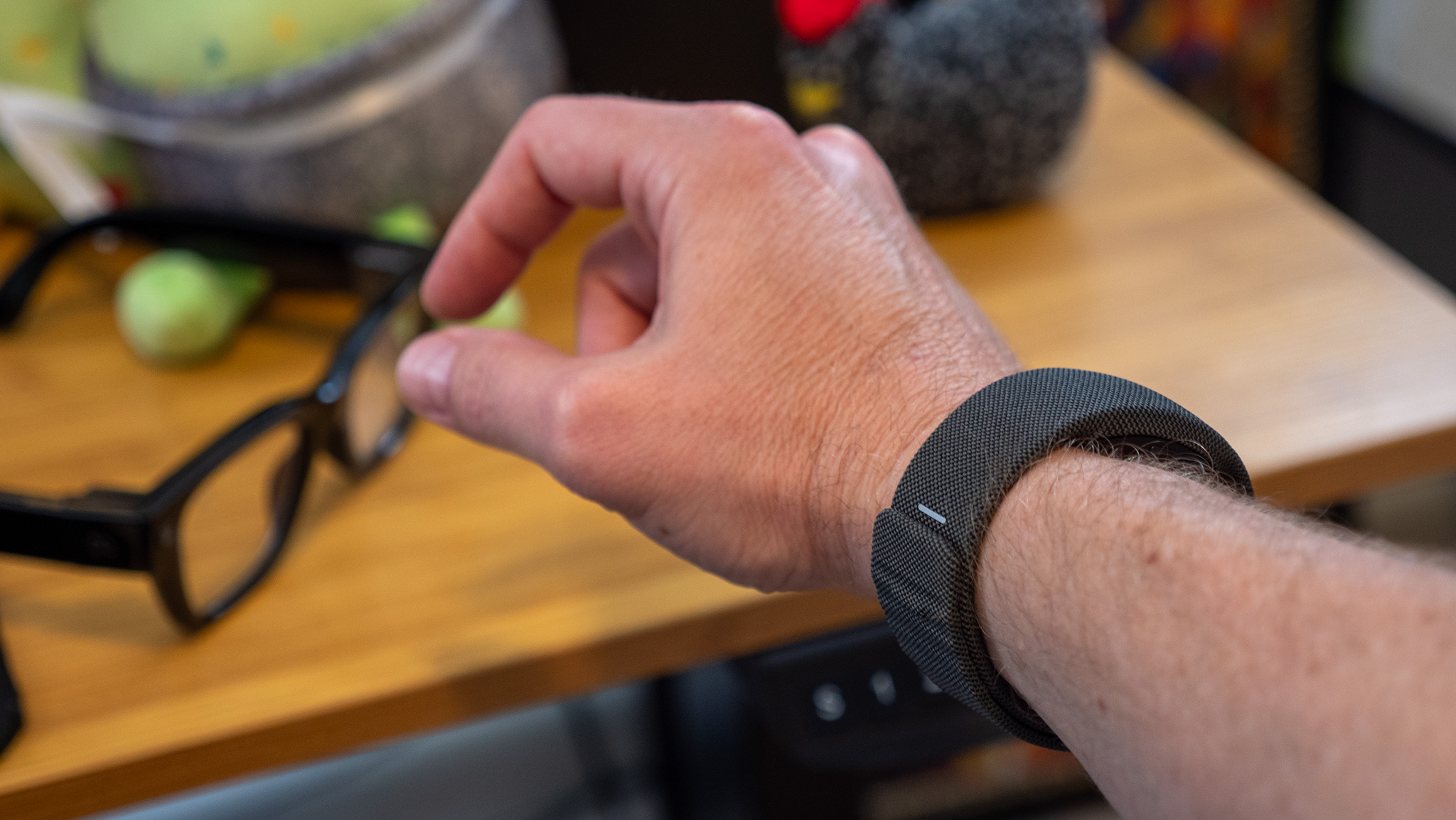
The hardware is powered by a custom-integrated chipset designed to balance power efficiency with the demands of real-time AI processing. A significant innovation accompanying the glasses is the Neural Gesture Band. Unlike traditional interfaces that require voice commands or tactile buttons, the band utilizes electromyography (EMG) to detect subtle electrical signals generated by muscle movements in the wrist. This allows users to navigate the heads-up display (HUD) with invisible, near-effortless gestures. In a professional context, this input method offers a discrete way to manage notifications, navigate maps, or scroll through data without drawing public attention.

However, the hardware does not come without limitations. The reliance on a monocular display creates a visual imbalance that some users report as tiring during extended sessions. Furthermore, the necessity of the Neural Gesture Band adds a layer of complexity to the daily user experience. The band requires its own charging regimen, using a proprietary connector that limits interoperability with standard USB-C peripherals. For users who are accustomed to the "set it and forget it" nature of traditional wearables, the dual-device charging requirement represents a notable friction point.
Software Ecosystem and Developer Adoption
The software platform for the Meta Ray-Ban Display glasses has seen significant maturation over the past year. At launch, the device felt like a beta-stage product, lacking several key features touted during the initial announcement, such as robust handwriting recognition. Through consistent over-the-air (OTA) updates, Meta has addressed these early deficiencies, integrating support for third-party fitness platforms like Strava and Garmin, which leverage the HUD to provide real-time performance data to athletes.
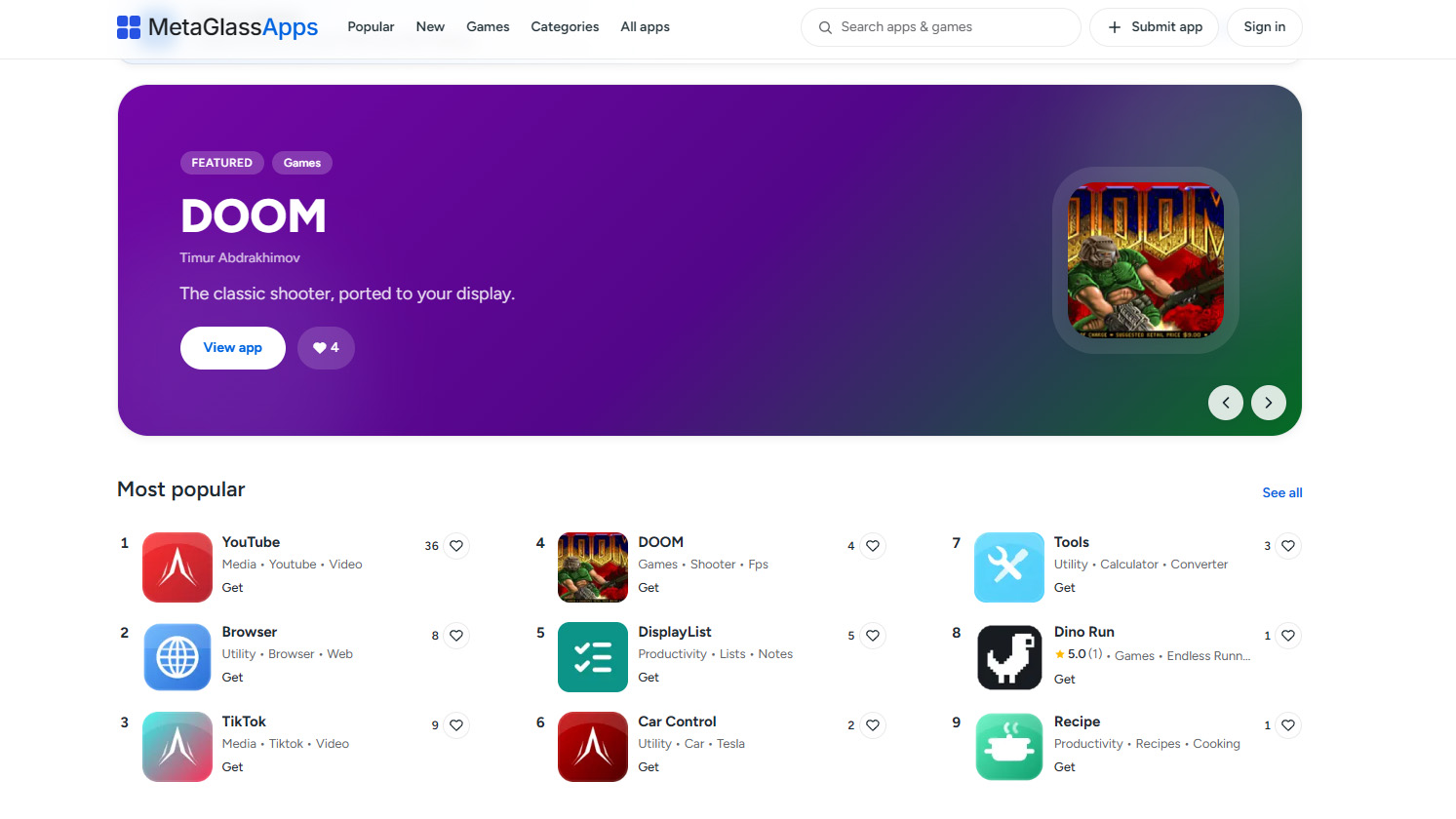
Despite these functional improvements, the ecosystem remains constrained by a lack of third-party developer support. As of late 2024, the library of dedicated glasses-specific applications sits at approximately 26. This mirrors the challenges Meta has faced with its Quest VR platform, where the difficulty lies in incentivizing developers to create content for a niche, hardware-specific interface. To mitigate this, Meta introduced a streamlined app installation process via the Meta AI app, utilizing QR-code-based shortcuts from a centralized web portal to simplify the user’s ability to sideload or install new tools.
Economic and Market Implications
Retailing at approximately $799, the Meta Ray-Ban Display glasses occupy a precarious position in the consumer market. They are significantly more expensive than the standard non-display Ray-Ban Meta models, yet they fall short of providing the comprehensive AR utility required to replace a smartphone or a laptop.
Market analysts point to several factors influencing the device’s current standing:
- Price-to-Value Ratio: For the average consumer, the jump in price from the standard $300 model to the $799 display version is difficult to justify given the limited app ecosystem.
- Prescription Limitations: Because the glasses are manufactured with fixed, non-interchangeable lenses, they cater to a narrow range of optical prescriptions. This lack of modularity forces users to commit to a specific prescription at the time of purchase, a significant barrier for those with complex vision needs.
- Privacy Concerns: While the hardware is designed to prevent others from seeing the display, the presence of an integrated camera continues to spark discourse regarding privacy in public spaces, a hurdle that has affected the broader adoption of all camera-equipped smart eyewear.
Future Outlook and Strategic Direction
Meta’s strategy with the Ray-Ban Display glasses is clearly one of long-term seeding rather than immediate mass-market dominance. By putting this technology in the hands of early adopters, the company is gathering critical data on how users interact with HUDs in public settings and how the Neural Gesture Band performs in real-world, high-motion environments.
Industry observers suggest that the current iteration serves as a "template" for future devices. The next generation of these glasses is expected to feature higher-resolution displays, improved battery density, and more sophisticated AI integration that moves beyond simple notifications to true context-aware assistance. For instance, future iterations may leverage advancements in generative AI to provide real-time translation or object identification directly in the user’s line of sight, potentially shifting the value proposition from a "tech toy" to a professional productivity tool.
Conclusion
As the Meta Ray-Ban Display glasses conclude their first year on the market, the verdict remains nuanced. The hardware is an engineering triumph, successfully cramming sophisticated waveguide optics and responsive EMG-based controls into a frame that is visually indistinguishable from standard fashion eyewear. However, the device is currently hampered by a lack of diverse software use cases and the inherent limitations of monocular displays.
For the enthusiast or developer, the device offers an unmatched opportunity to interact with the cutting edge of human-computer interface technology. For the general consumer, however, the current price point and the relative scarcity of meaningful applications suggest that waiting for the next cycle of hardware—which will likely feature refinements in battery efficiency and a more robust application store—is the most prudent course of action. Meta has proven that it can build the vessel for the future of wearable computing; the challenge for the next year will be populating that vessel with the content and utility required to make it an essential part of the modern digital toolkit.