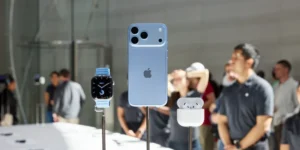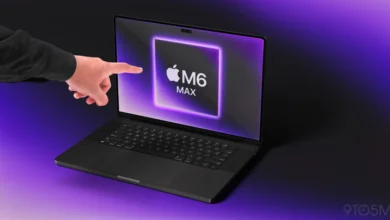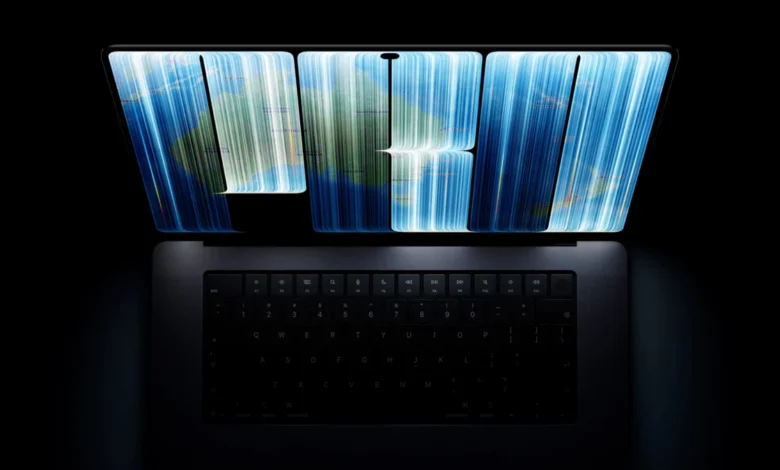
The early morning hours of November 6, 2026, marked a significant milestone for Apple as the company’s latest hardware lineup officially reached consumers in Australia and New Zealand. This launch represents a historic pivot for the Cupertino-based tech giant, as it introduces the first-ever MacBook Pro featuring a touch-enabled display and a refreshed, thinner design. Alongside the marquee MacBook Pro models, Apple has also begun distribution of the redesigned, OLED-equipped iPad mini, which introduces advanced features such as an IP67 water and dust resistance rating and an innovative "Acoustic Display" system.
A Landmark Launch in the Asia-Pacific Region
As is tradition with Apple’s global rollout strategy, the International Date Line dictates that residents in Sydney, Auckland, and surrounding markets are the first to get their hands on new hardware. Following weeks of anticipation—which began with Apple’s October 28 event in Los Angeles—pre-orders have finally transitioned into the fulfillment phase.
For the Apple retail ecosystem, the day serves as a critical stress test for supply chain logistics. While online orders for the premium PROLED MacBook Pro models are currently subject to shipping delays that extend into late November or early December, physical Apple Store locations in Australia have received limited inventory for immediate walk-in purchase. Conversely, the refreshed iPad mini, the entry-level M6-powered MacBook Pro, and the updated 24-inch iMac appear to have more stable supply levels, signaling that Apple has prioritized the availability of these high-volume devices for the holiday shopping season.
The Evolution of the MacBook Pro: Touch and PROLED Technology
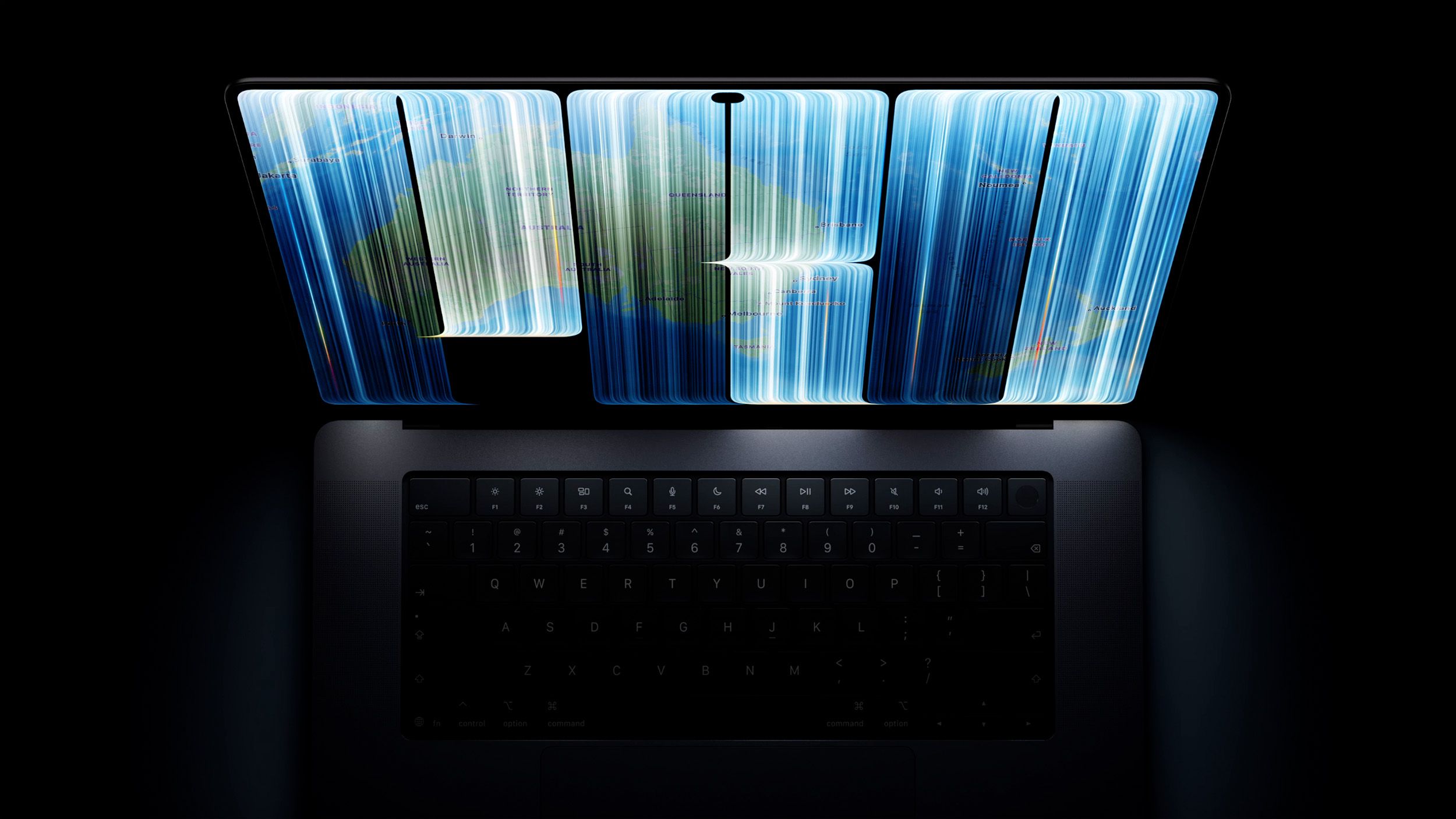
The introduction of touch input to the MacBook Pro line is perhaps the most significant structural change to the Mac interface in over a decade. Apple has dubbed this new display technology "PROLED," a high-end iteration of OLED that emphasizes extreme contrast ratios, deep blacks, and increased brightness for professional color grading workflows.
The new MacBook Pro, powered by the M5 Pro and M5 Max silicon, represents a complete departure from the industrial design language of the previous three years. By thinning the chassis and reducing the overall weight of the device, Apple has addressed long-standing user feedback regarding portability. Notably, the "notch"—the display cutout introduced in 2021 to house the webcam—has been replaced by a more refined implementation of the Dynamic Island. This shift suggests that Apple is moving toward a unified software experience across its Mac and mobile platforms, bringing the interactive notification and status-tracking capabilities of the iPhone to the desktop environment.
Another aesthetic callback that has generated considerable enthusiasm among long-time enthusiasts is the return of the glowing Apple logo on the lid. While the logo previously acted as a functional light pipe for the display backlight, the 2026 iteration utilizes a low-power LED array, allowing the logo to remain illuminated without impacting the overall battery efficiency of the M5-series processors.
The Redesigned iPad mini: Engineering for Durability
The new iPad mini, which has transitioned to an OLED panel, represents the most significant update to the small-form-factor tablet in its history. Beyond the display upgrade, the device is a marvel of miniaturization. By adopting an "Acoustic Display" architecture, Apple has removed traditional speaker grilles from the frame. This design choice not only creates a more seamless, flush aesthetic but also serves a functional purpose: it allows for a fully sealed enclosure.
This sealing has enabled the device to achieve an IP67 rating, making it the first iPad to be officially marketed with water and dust resistance. This durability is paired with the A20 Pro chip, a processor architecture that industry analysts suggest is optimized for on-device artificial intelligence tasks and high-fidelity mobile gaming. With a starting price of $699, the device positions itself as a premium handheld, bridging the gap between a casual media consumption device and a high-performance portable workstation.
A Chronology of the 2026 Fall Product Cycle
The journey to this launch was characterized by intense speculation and a strategic marketing campaign by Apple:
- October 19, 2026: Initial rumors regarding the "MacBook Ultra" began to circulate, with industry analysts debating whether Apple would introduce an entirely new product tier or simply refine the existing Pro lineup.
- October 28, 2026: Apple hosted a live "Pro and Tell" experience in Los Angeles. During the event, the company clarified its branding strategy, confirming the PROLED MacBook Pro and the iPad mini upgrade, effectively ending the "Ultra" naming speculation.
- October 30, 2026: Global pre-orders opened, with initial demand for the 16-inch MacBook Pro significantly outpacing projections, leading to shipping estimates slipping into the December window within hours of the site going live.
- November 6, 2026: Official launch day begins in Australia and New Zealand, initiating the global rolling release schedule.
Implications for the Hardware Market
Market analysts suggest that the decision to integrate touch into the Mac lineup is a direct response to the blurring lines between macOS and iPadOS. By providing a touch-enabled interface, Apple is not necessarily intending for users to navigate the OS exclusively by hand—as the keyboard and trackpad remain the primary input methods—but rather to provide a fluid, intuitive extension for creative professionals who use styluses and touch gestures in software like Final Cut Pro and Logic Pro.
Furthermore, the introduction of the M6 chip in the entry-level 14-inch MacBook Pro and 24-inch iMac serves as a performance baseline for the company’s desktop computing strategy. While these machines lack the PROLED display and touch capabilities of their high-end siblings, they provide the necessary processing headroom for the current suite of Apple Intelligence features.
Official Sentiment and Customer Response
While Apple executives generally avoid commenting on specific product sales figures, the public reception in early forums—including those on MacRumors and Reddit—has been largely positive. Users have noted that the weight reduction in the 14-inch and 16-inch models is immediately noticeable, and early testing of the OLED panels has confirmed that the display performance matches the company’s marketing claims regarding peak brightness and color accuracy.
Conversely, some users have expressed skepticism regarding the long-term durability of a touch-screen display on a laptop, citing concerns about fingerprint smudges and the physical stress of reaching across the keyboard. However, Apple’s implementation of a new anti-reflective and oleophobic coating appears designed to mitigate these issues.
The Road Ahead: A Global Rollout
As the day progresses, the distribution of these devices will move westward. Asia and the Middle East are scheduled to receive inventory next, followed by major markets in Europe. The final stage of the rollout will be the North American launch, where retail stores are expected to see the highest volume of consumer traffic.
For Apple, the success of this launch is paramount to finishing the 2026 fiscal year on a high note. The convergence of high-end display technology, the first touch-enabled Mac, and the enhanced durability of the new iPad mini represents a concerted effort to keep hardware upgrades compelling in an increasingly mature market. As customers begin to share their unboxing photos and initial benchmarks, the tech industry will be watching closely to see if these high-end features eventually filter down to the consumer-grade MacBook Air and the standard iPad lines in the coming years.