Inside the iPhone 18 Pro: A Deep Dive into Apple’s New Camera Technology and Repairability Challenges

The annual ritual of the iFixit teardown has returned with the release of the iPhone 18 Pro, offering a meticulous, microscopic look at the hardware innovations powering Apple’s latest flagship. This year’s analysis reveals a device defined by a significant leap in optical engineering—specifically a complex variable aperture system—and a radical internal redesign aimed at thermal management. However, these advancements arrive alongside growing concerns regarding the physical durability of the device during the repair process, potentially complicating the landscape for independent technicians and DIY enthusiasts alike.
The Engineering Feat of Variable Aperture
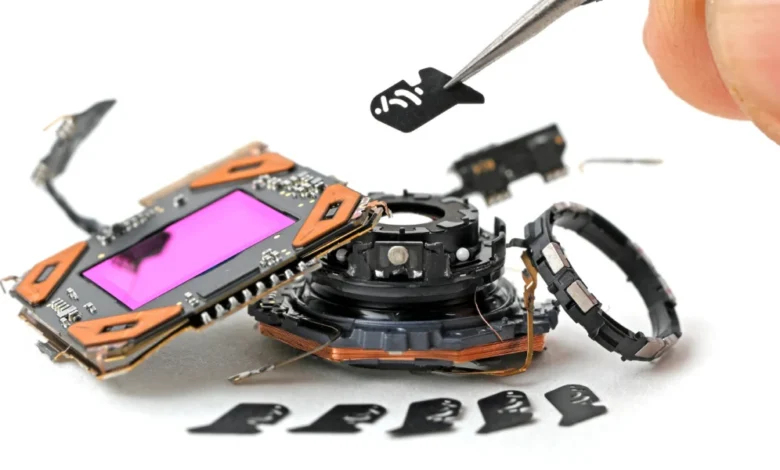
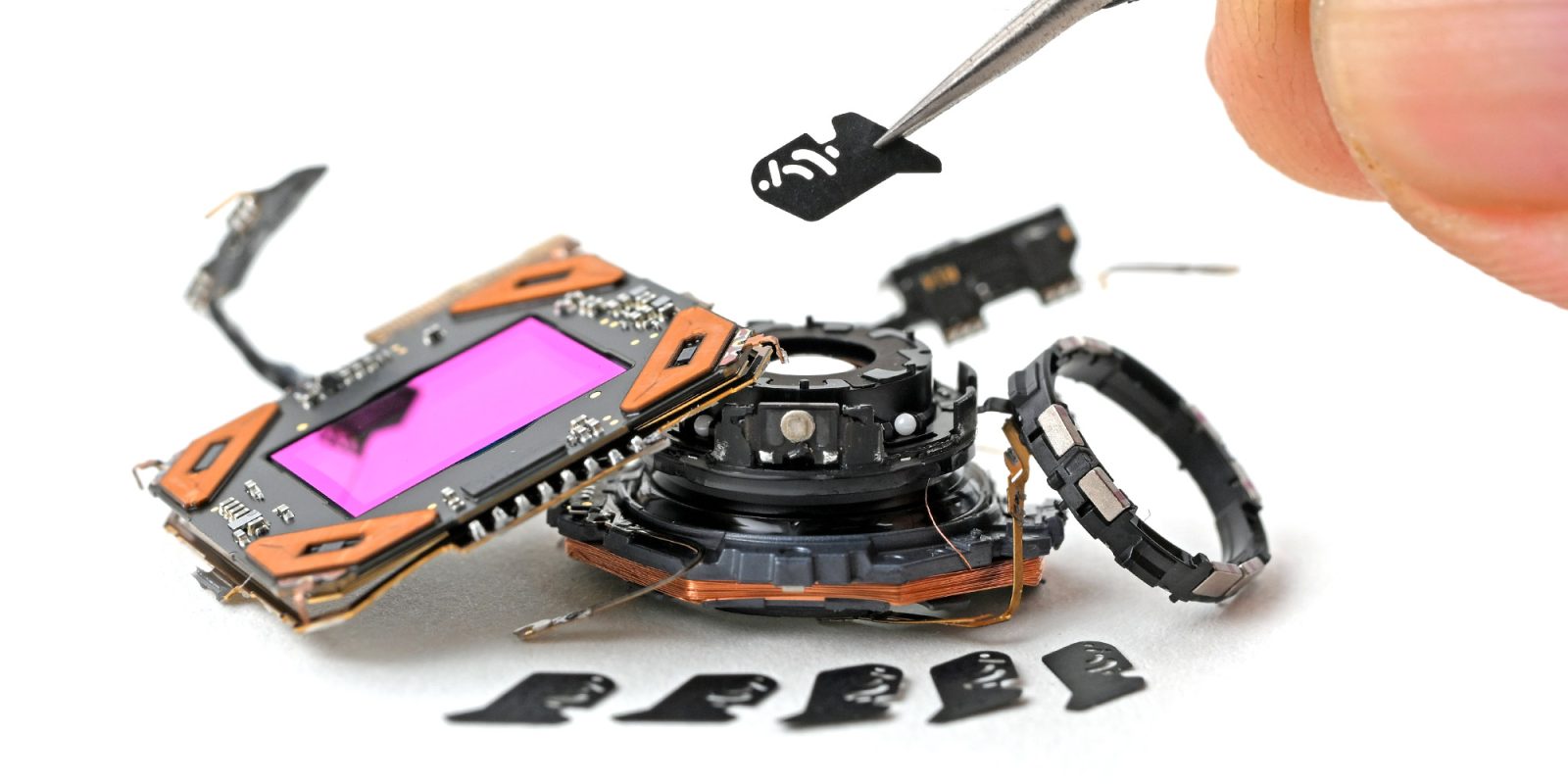
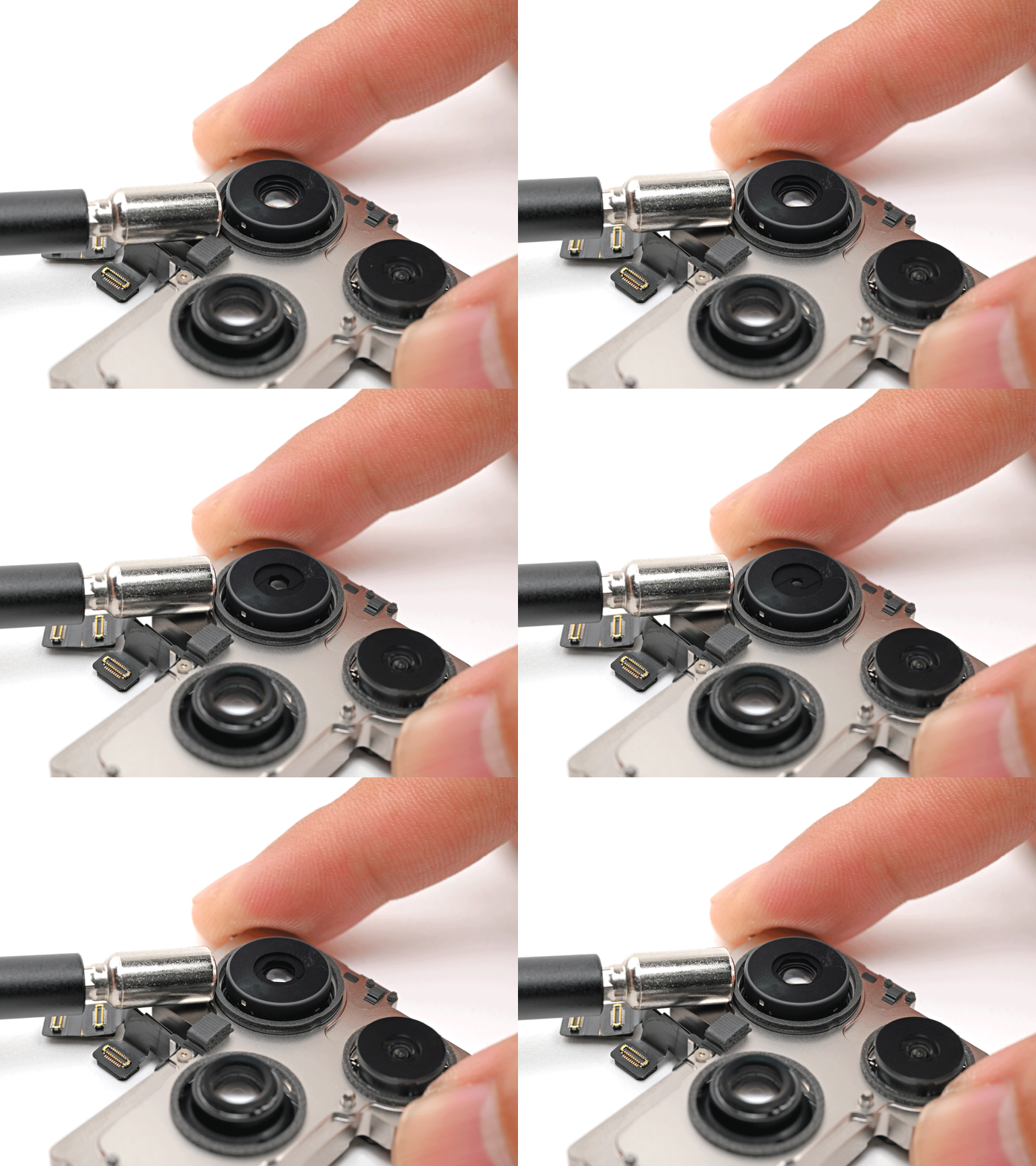
The headline feature for the iPhone 18 Pro is the integration of a mechanical variable aperture, a rarity in the smartphone market that allows for nuanced control over depth of field and light intake. iFixit’s investigation confirms that the system operates through a series of six precision-engineered blades. These blades are actuated by electromagnets, a design choice that mirrors the technology used in Optical Image Stabilization (OIS) but functions as a distinct, independent module.
The complexity of this component cannot be overstated. During the teardown process, the extreme sensitivity of the mechanism was highlighted when a single aperture blade dislodged upon the opening of the lens stack. This incident provides a stark warning to repair professionals: the aperture is not a serviceable part at the component level. Any mechanical failure or misalignment of these blades will almost certainly necessitate a complete replacement of the main camera module, an expensive endeavor that underscores the trade-off between sophisticated optics and repairability.
Evolution of the Under-Display Face ID
Beyond the camera, the iPhone 18 Pro introduces a significant shift in the TrueDepth camera array. Apple has successfully transitioned the infrared (IR) camera to a position beneath the display. While the selfie camera and the IR dot projector remain housed within the Dynamic Island, the relocation of the IR sensor marks a step toward a fully seamless front-facing experience.
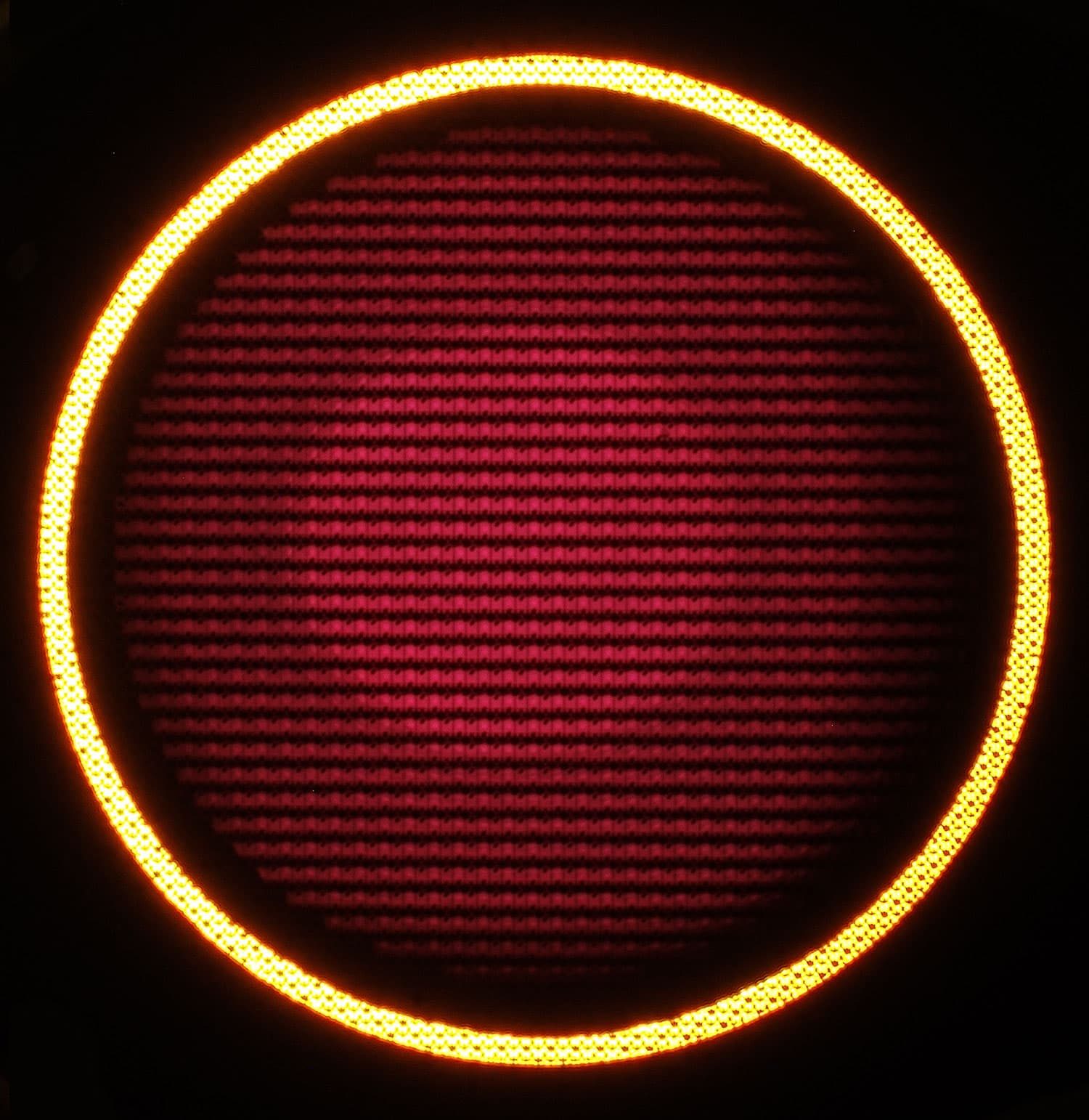
Microscopic inspection by the iFixit team revealed the manufacturing technique behind this feat: Apple has achieved transparency by removing every other row of pixels above the sensor. To mitigate the potential for visible interference, an IR-pass filter has been positioned beneath the OLED layer. This filter is designed to permit infrared light to reach the sensor while effectively blocking visible light that would otherwise expose the sensor’s location to the user. Interestingly, the teardown noted an “eclipse effect” where the filter does not reach the absolute edges of the aperture, a minute manufacturing detail that highlights the extreme precision required for under-display hardware integration.
Thermal Architecture and the A20 Pro
The iPhone 18 Pro marks a departure from traditional internal layouts to accommodate the A20 Pro chip. Apple’s “Surprise and Shine” event emphasized a new package-on-package configuration that places the memory (RAM) side-by-side with the silicon die. By removing the memory from the immediate thermal path of the processor, Apple has enabled a more direct interface between the A20 Pro and the device’s cooling system.
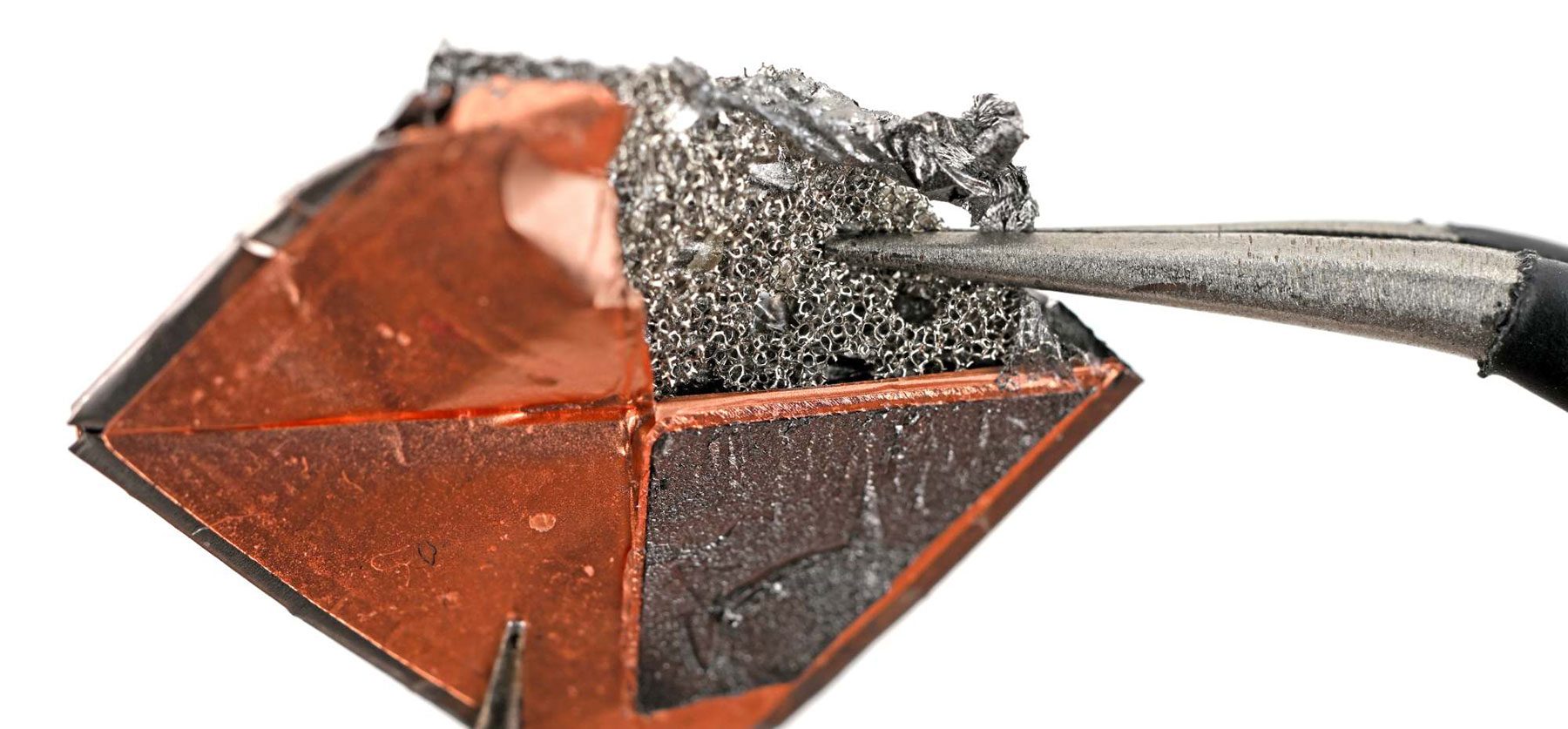
The result is a vapor chamber with triple the surface area compared to the iPhone 17 Pro. The teardown images confirm that this thermal solution is not merely a localized heat sink but a sprawling structure that extends across a significant portion of the internal chassis. This architecture is designed to sustain peak performance for longer durations, particularly during intensive tasks such as high-resolution video rendering or gaming. By utilizing advanced thermal interface materials, the heat is effectively pulled away from the silicon and dissipated across the broader surface of the phone.
The Repairability Paradox: Display Frame Concerns
Despite the technological triumphs, the repair experience for the iPhone 18 Pro presents a mixed bag of results. The most alarming finding from the teardown was the fragility of the plastic frame surrounding the display. In three out of the four units dismantled, the frame sustained damage during the initial opening process.
This issue is particularly concerning because the display assembly serves as the primary gateway for most internal repairs. While Apple has utilized similar plastic frames since the introduction of the iPhone 15 Pro, the team at iFixit suggests that the new, more aggressive thermal dissipation system might be complicating the repair process. The very mechanism designed to draw heat away from the A20 Pro during normal operation may also be effectively drawing heat away from the display adhesive during a repair attempt, making it more difficult to safely soften the bond.
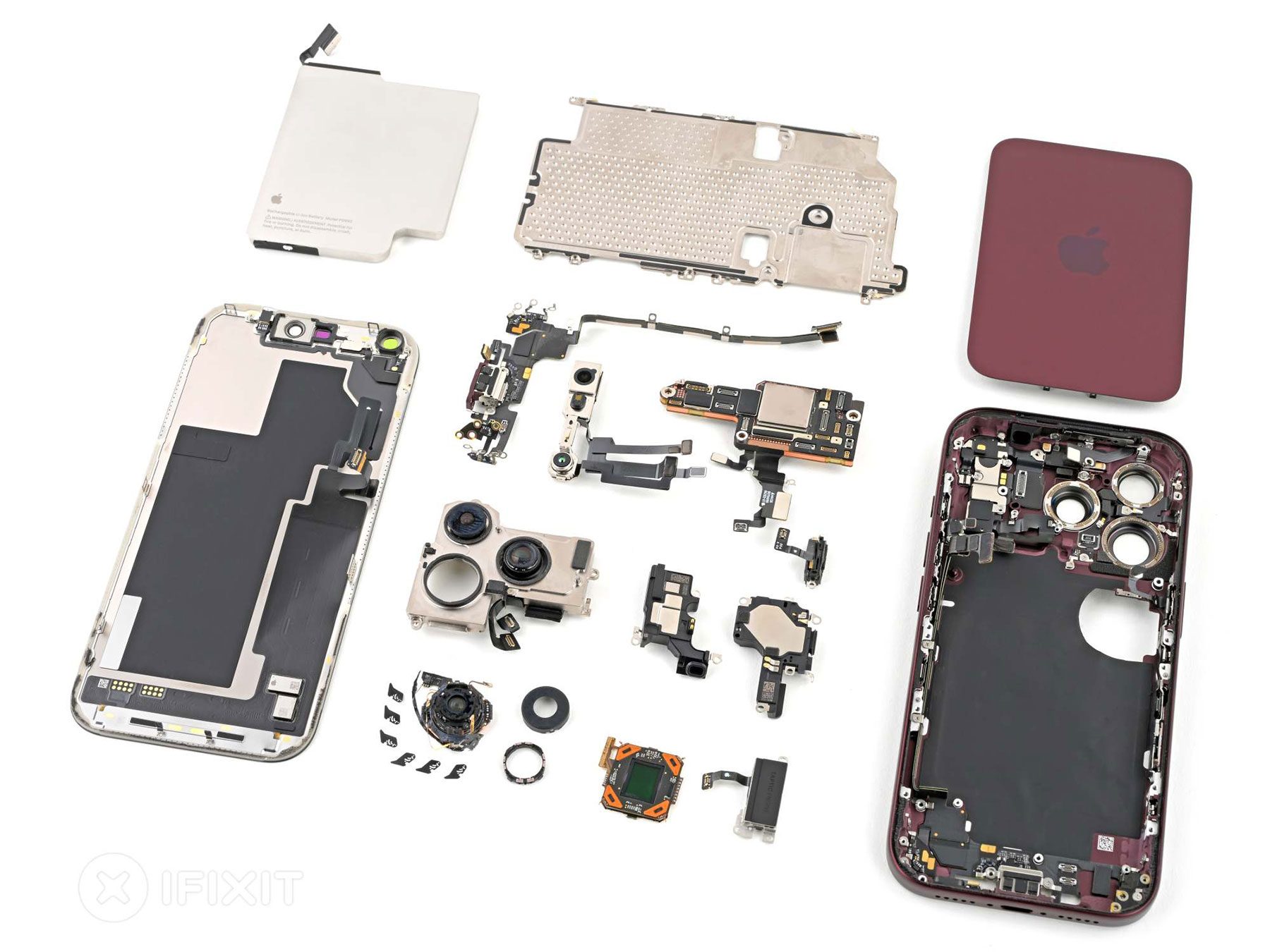
A damaged frame is not merely a cosmetic issue. Because the display must sit perfectly flush to maintain the device’s IP68 water and dust resistance rating, any deformation of the frame poses a risk to the long-term integrity of the handset. Furthermore, the internal layout remains densely packed; for instance, replacing a failing USB-C port requires a significant, invasive disassembly of the phone’s core components.
Historical Context and Industry Implications
The repairability of Apple devices has been a contentious topic for over a decade. In the early 2010s, smartphones were often sealed with permanent adhesives, making battery replacements and screen repairs nearly impossible for anyone but authorized service providers. Starting with the iPhone 14, Apple began a concerted effort to improve the internal layout, introducing a "mid-chassis" design that allowed for easier access to the internal components.

The iPhone 18 Pro maintains many of these advancements, such as the glue-free battery tray and the modular nature of the camera assemblies. These design choices have historically allowed the company to maintain a positive trajectory in repairability scores. However, the current iteration serves as a reminder that as hardware becomes more powerful—requiring larger vapor chambers and more sensitive optical sensors—the physical act of repair becomes inherently more dangerous to the device.
At present, iFixit has assigned the iPhone 18 Pro and Pro Max a provisional repairability score of 7 out of 10. This score is contingent upon further testing and observation of whether the display frame breakage is a widespread manufacturing defect or a byproduct of the specific tools and techniques used in the initial teardown.

Conclusion and Outlook
The iPhone 18 Pro is a testament to the current limits of consumer electronics miniaturization. The successful implementation of a variable aperture and an under-display IR camera suggests that Apple remains at the forefront of hardware innovation. However, the recurring theme of repairability suggests that the consumer must navigate a landscape where "high-performance" and "easy-to-fix" are increasingly at odds.
As the industry moves toward more integrated, high-heat, and high-precision components, the margin for error in manual repair continues to shrink. For the average user, these findings reinforce the importance of AppleCare+ and professional service, while for the technician, they highlight a future where specialized, manufacturer-approved tools are not just a luxury, but a necessity to prevent catastrophic damage during standard maintenance. The tech community will be watching closely to see if future production runs of the iPhone 18 Pro address the frame sensitivity, or if this represents a new, more difficult reality for the repair ecosystem.