ivers Solid Action Despite Technical Compromises
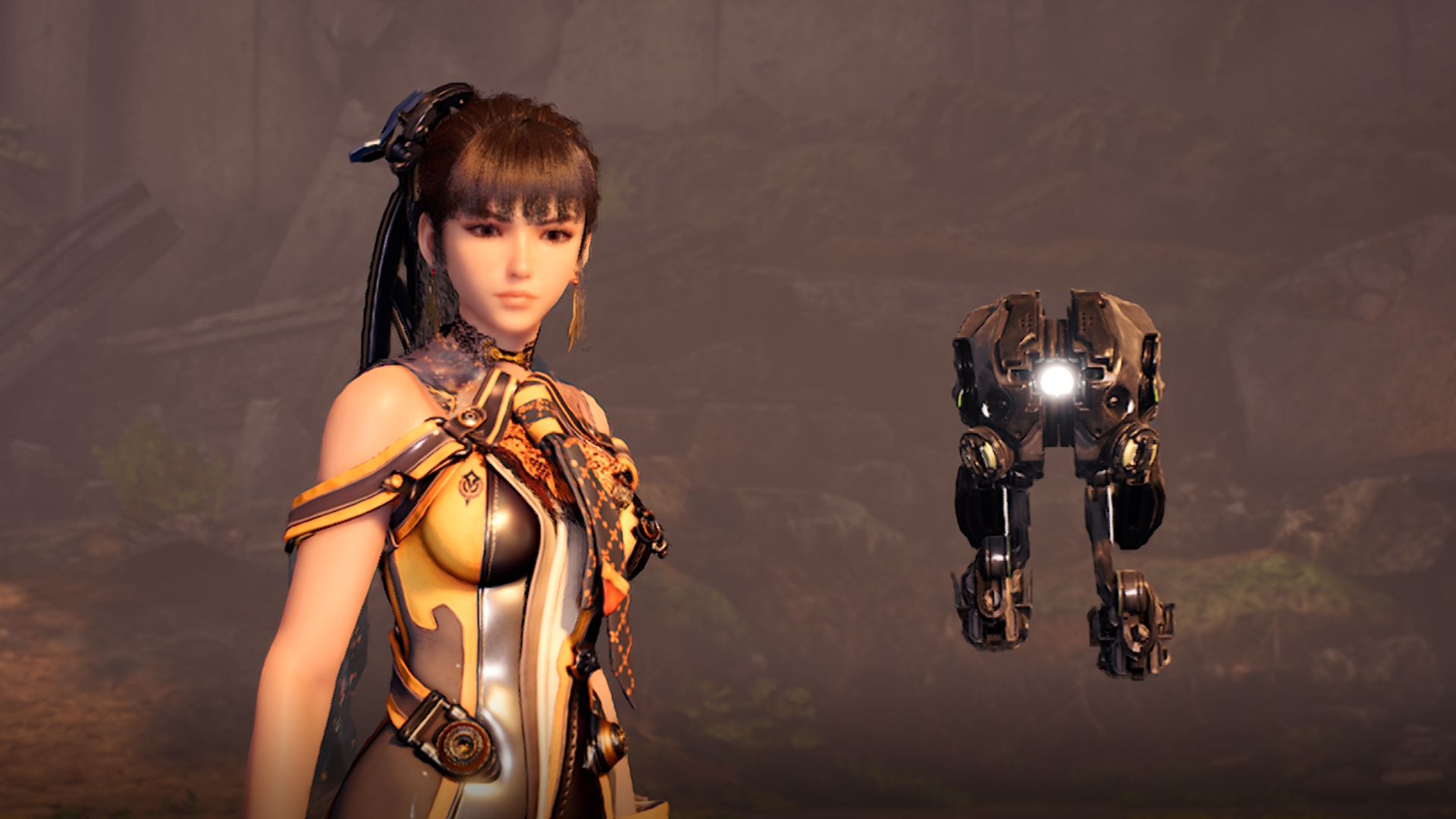
Shift Up’s action-adventure title Stellar Blade has officially debuted on the Nintendo Switch 2, bringing the former PlayStation 5 console exclusive to a broader hardware ecosystem. Initially released in April 2024 for Sony’s flagship console before later expanding to PC, the stylish hack-and-slash title challenges developer Shift Up with one of its most demanding platform transitions to date. Reviewers testing the newly launched Nintendo Switch 2 version—released on November 5, 2026, as part of the all-inclusive Stellar Blade Complete Edition—have found a generally competent port that successfully captures the core combat mechanics, though it encounters notable hardware constraints in handheld mode and performance fidelity.
The Porting Process and Hardware Challenges
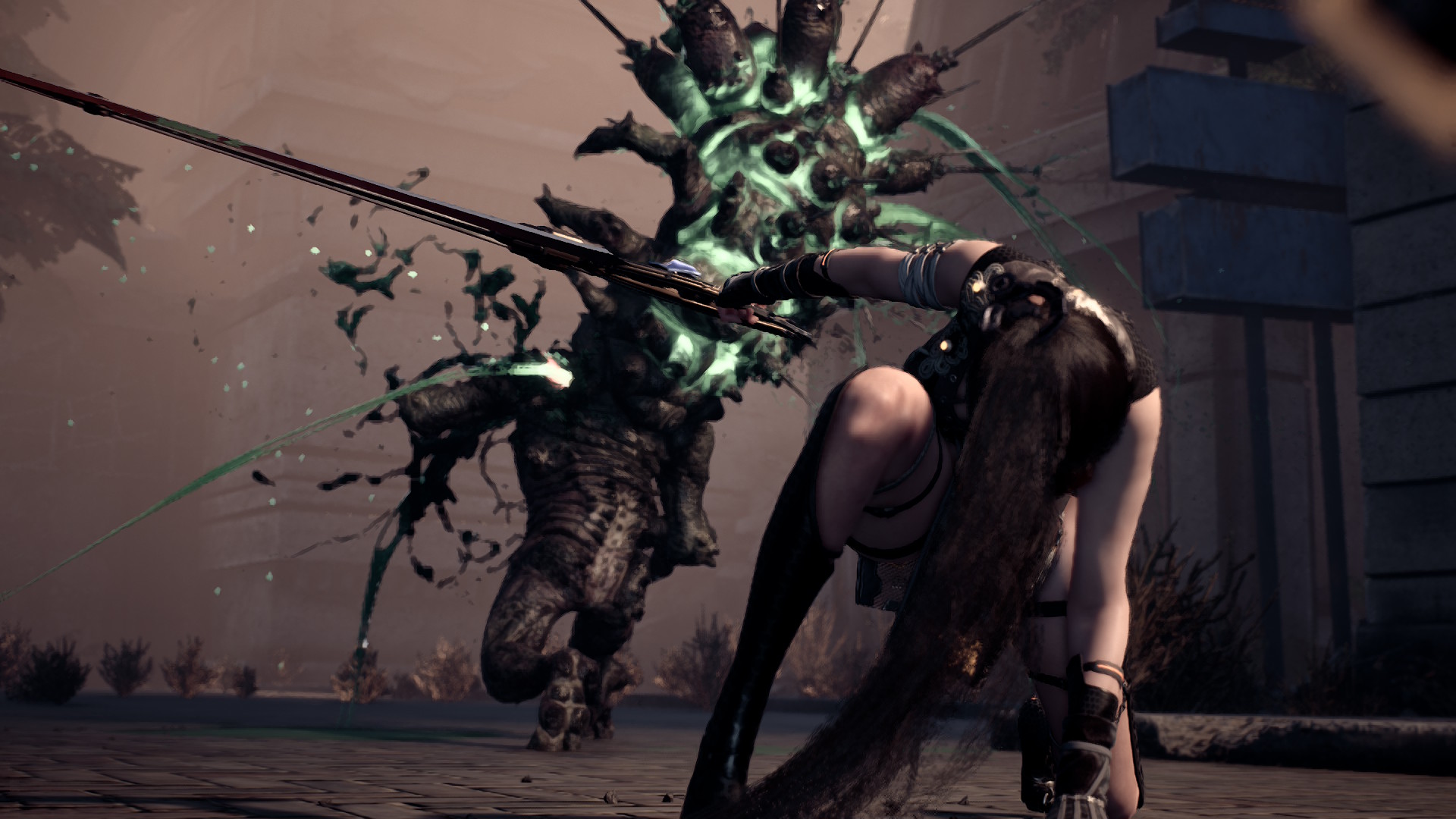
Porting an intensive, cinematic triple-A action title to Nintendo’s hybrid hardware has proven to be a significant technical endeavor. The Nintendo Switch 2 operates with considerable performance gaps compared to the PlayStation 5 and PlayStation 5 Pro. To bridge this gap, developer Shift Up utilized a hybrid upscaling and frame generation pipeline, combining NVIDIA DLSS upscaling technology with AMD FSR 3.1 frame interpolation to target a 60 frames-per-second (fps) threshold in both docked and handheld configurations.
Despite these technical measures, the hardware strain is evident. When docked and connected to external displays, the game maintains a relatively stable experience during standard exploration and skirmishes, though major cinematic set pieces and intense particle effects—such as large explosions—can induce noticeable frame drops. Conversely, the handheld mode struggles to sustain the rapid fluidity required for the game’s reaction-heavy mechanics. Inconsistent frame rates in portable play make precise defensive maneuvers, such as the game’s essential "perfect parries" and rapid dodges, noticeably less reliable. Additionally, distant enemy animations can appear unstable, a visual artifact observed in other demanding third-party conversions on the platform.
Visual Fidelity and Technical Performance
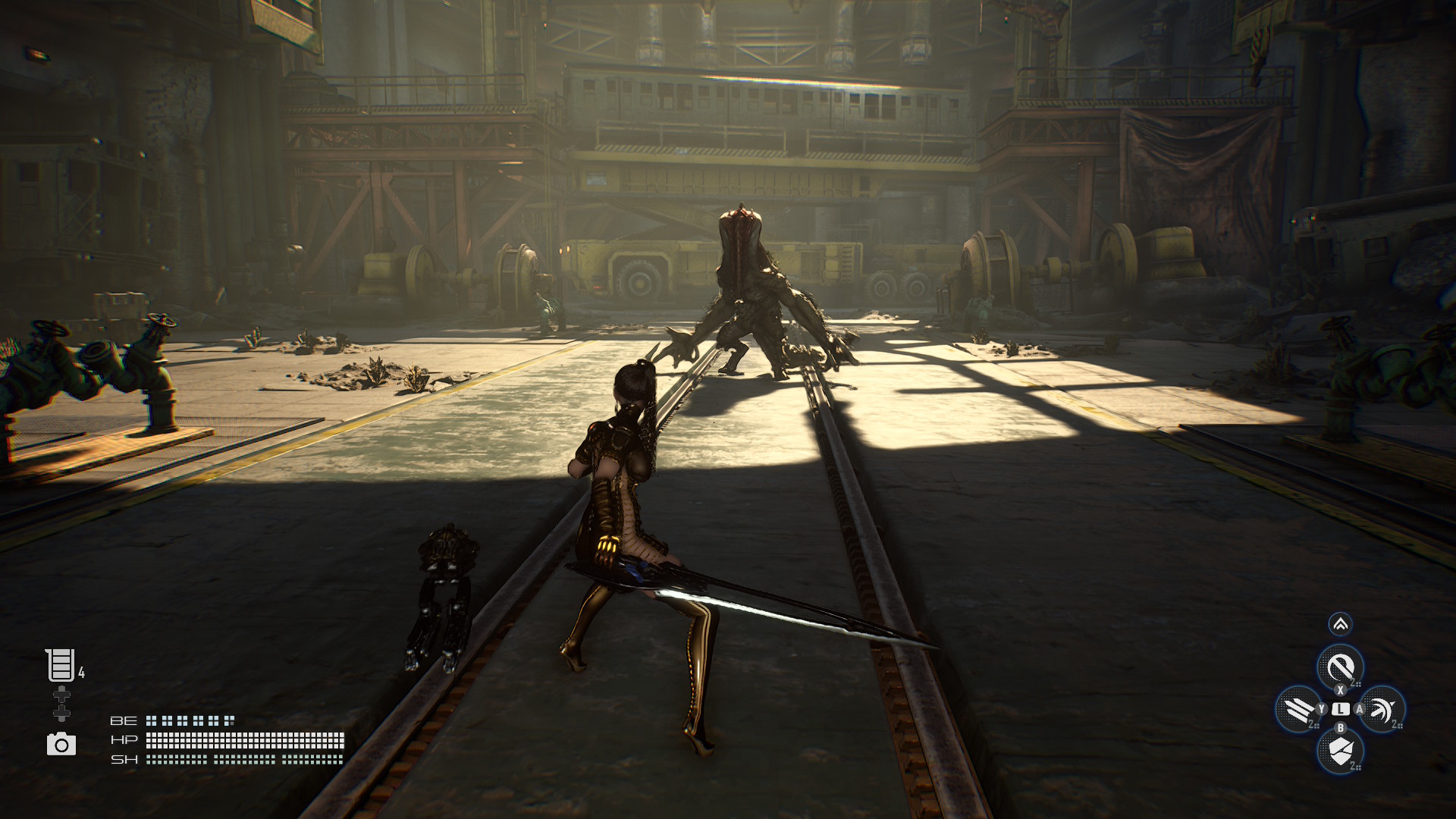
Visually, Stellar Blade on the Nintendo Switch 2 presents a mixed technical achievement. In docked mode, protagonist Eve’s character model maintains a reasonable degree of detail, and the game benefits from physical distribution that includes the software entirely on-cartridge rather than relying on digital download codes. However, environmental textures often appear washed out, and texture pop-in remains a frequent occurrence. Intricate details, such as character hair definition and expansive landscape fidelity, are scaled down across both play modes.
Despite these graphical compromises, the port succeeds in leveraging several unique hardware features of the Nintendo Switch 2. The controller integration has received positive evaluations, featuring specialized haptic feedback tuned for HD Rumble 2 that enhances tactical feedback during combat encounters. Furthermore, the release accommodates a wide array of control configurations, supporting traditional Joy-Con and Pro Controller layouts alongside gyroscopic aiming and mouse control modes. Comprehensive accessibility settings—including accommodations for motion sickness, visual impairment, and customized difficulty parameters—are fully integrated into the release.
Core Gameplay and Content Offerings
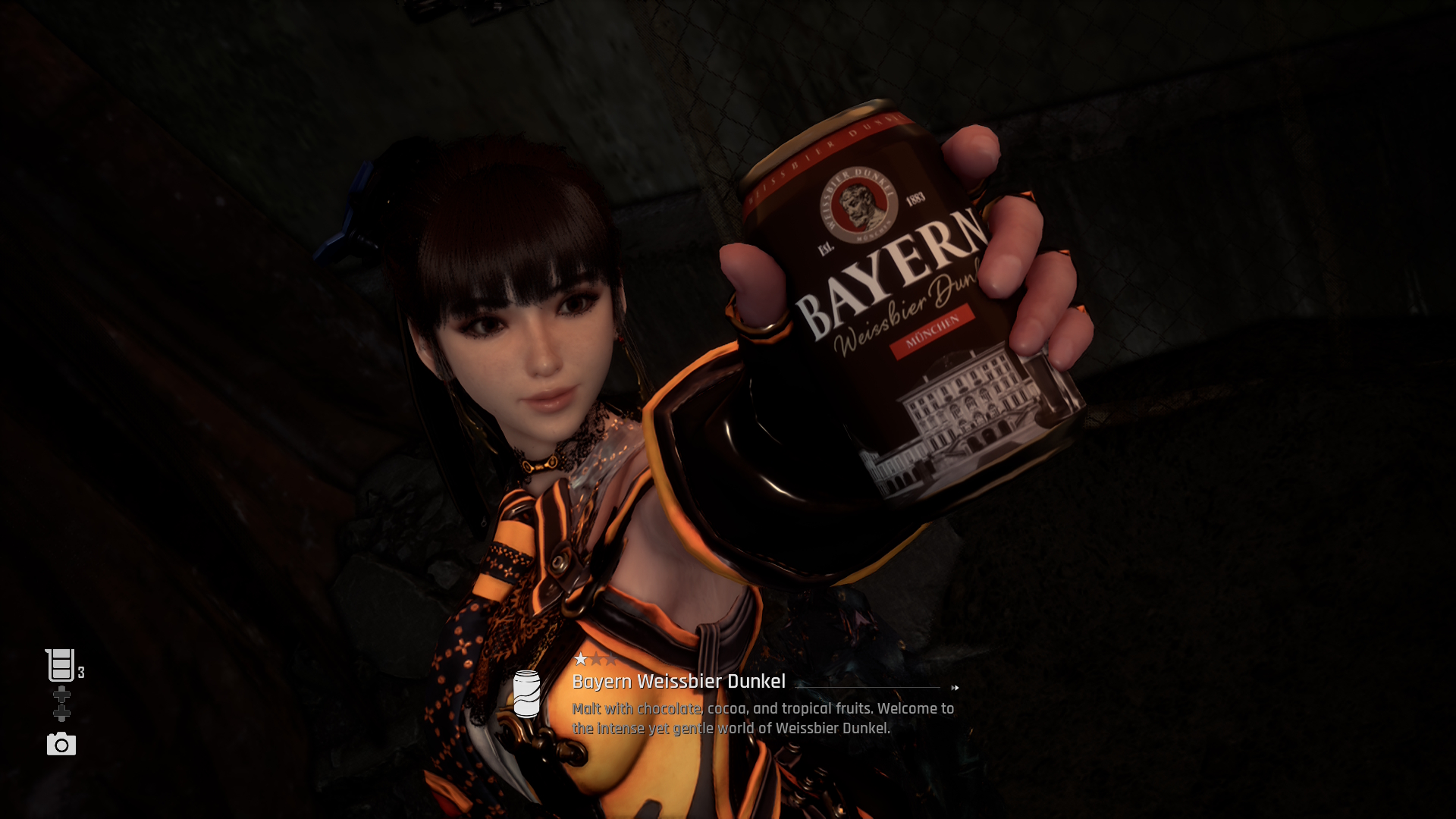
As part of the Complete Edition package, the Nintendo Switch 2 iteration bundles all previously released downloadable content and crossover additions. Players gain access to themed cosmetic packs, including collaborations with NieR: Automata and Goddess of Victory: Nikke, alongside new outfits inspired by the Bayonetta franchise.
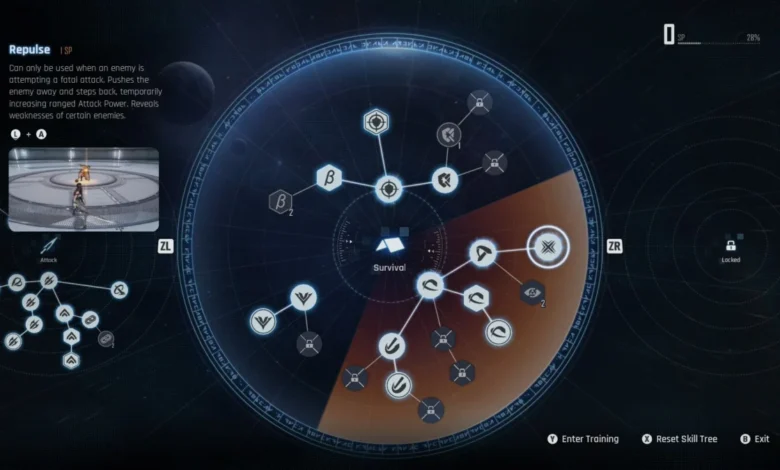
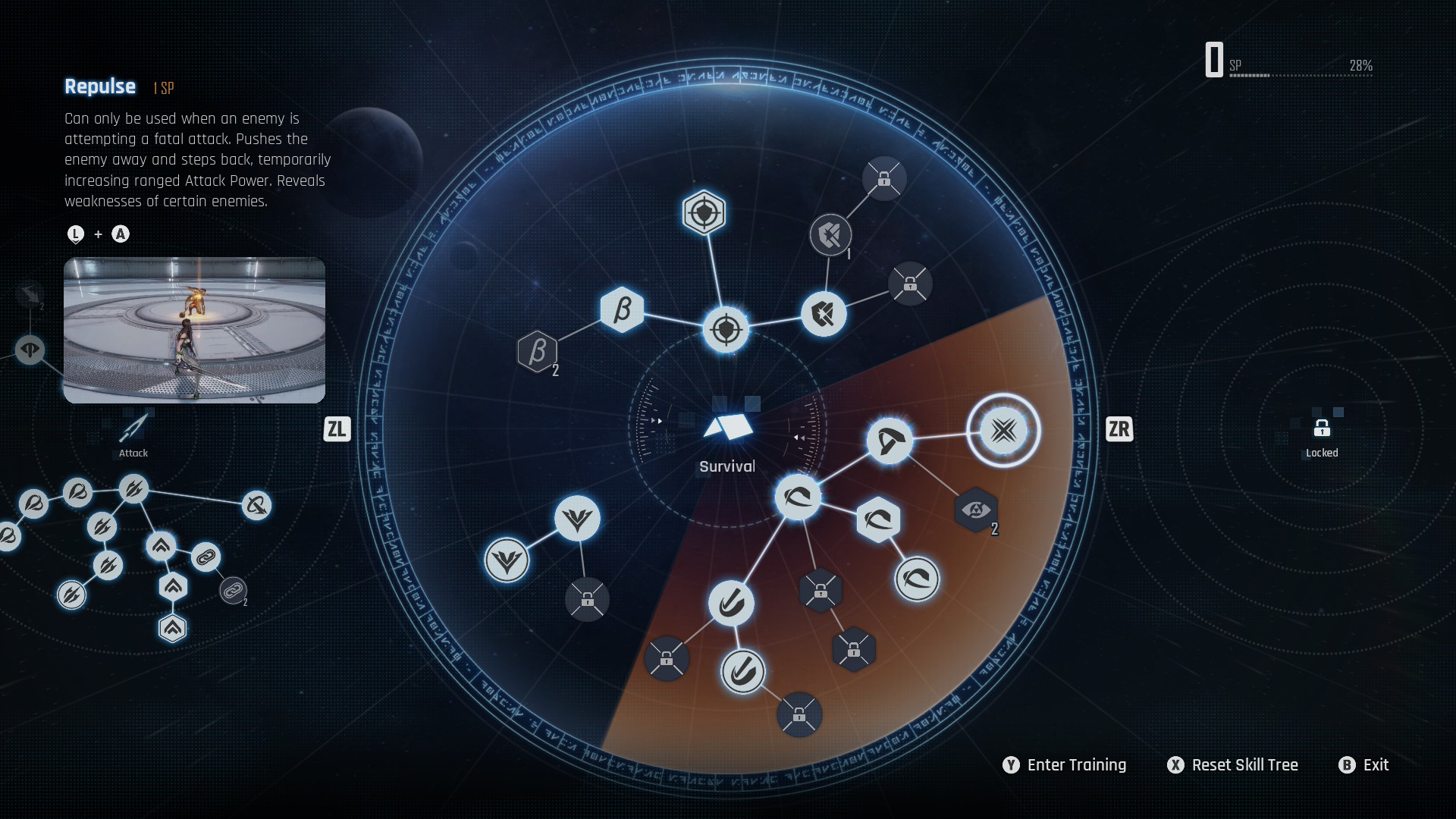
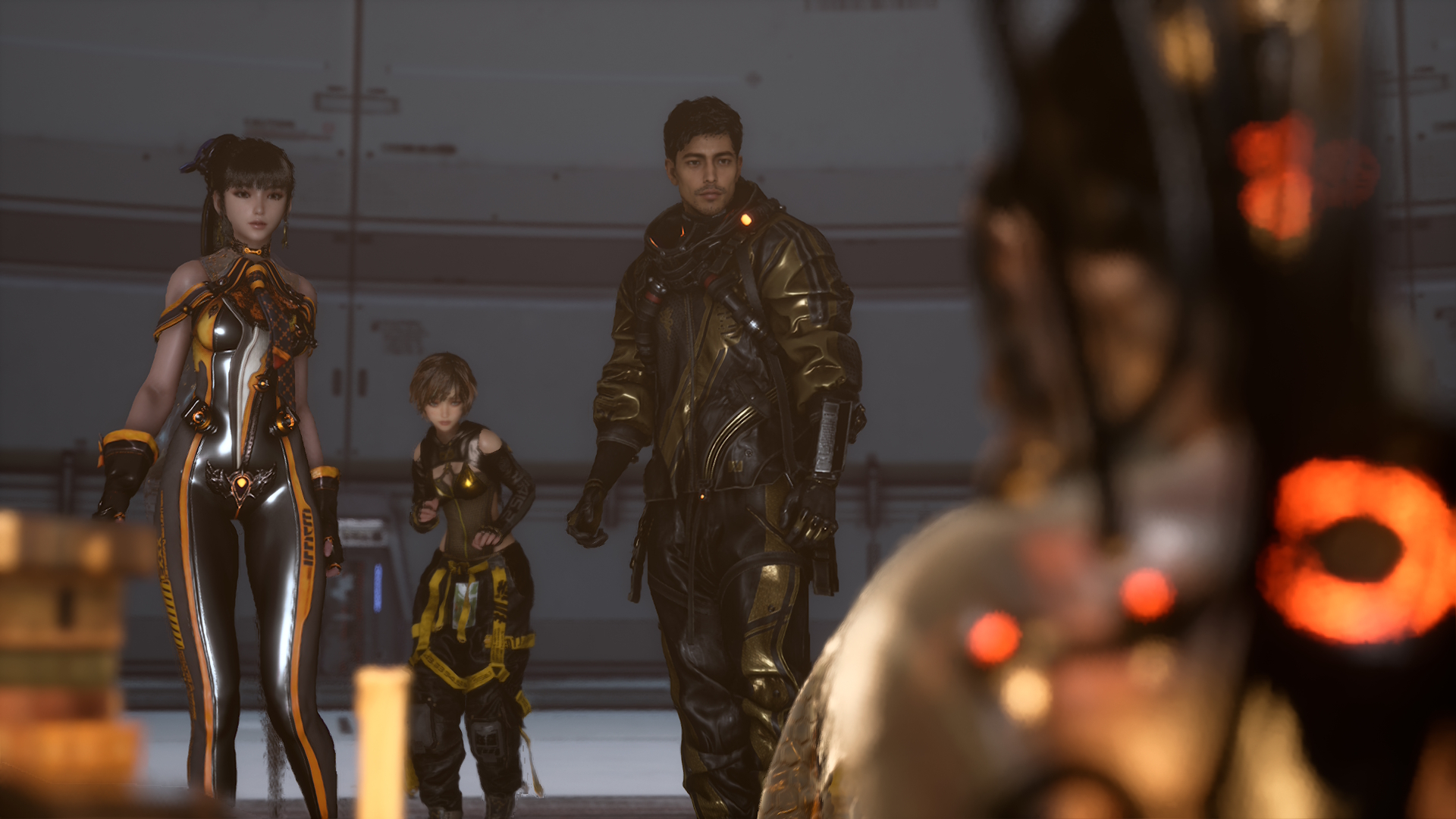
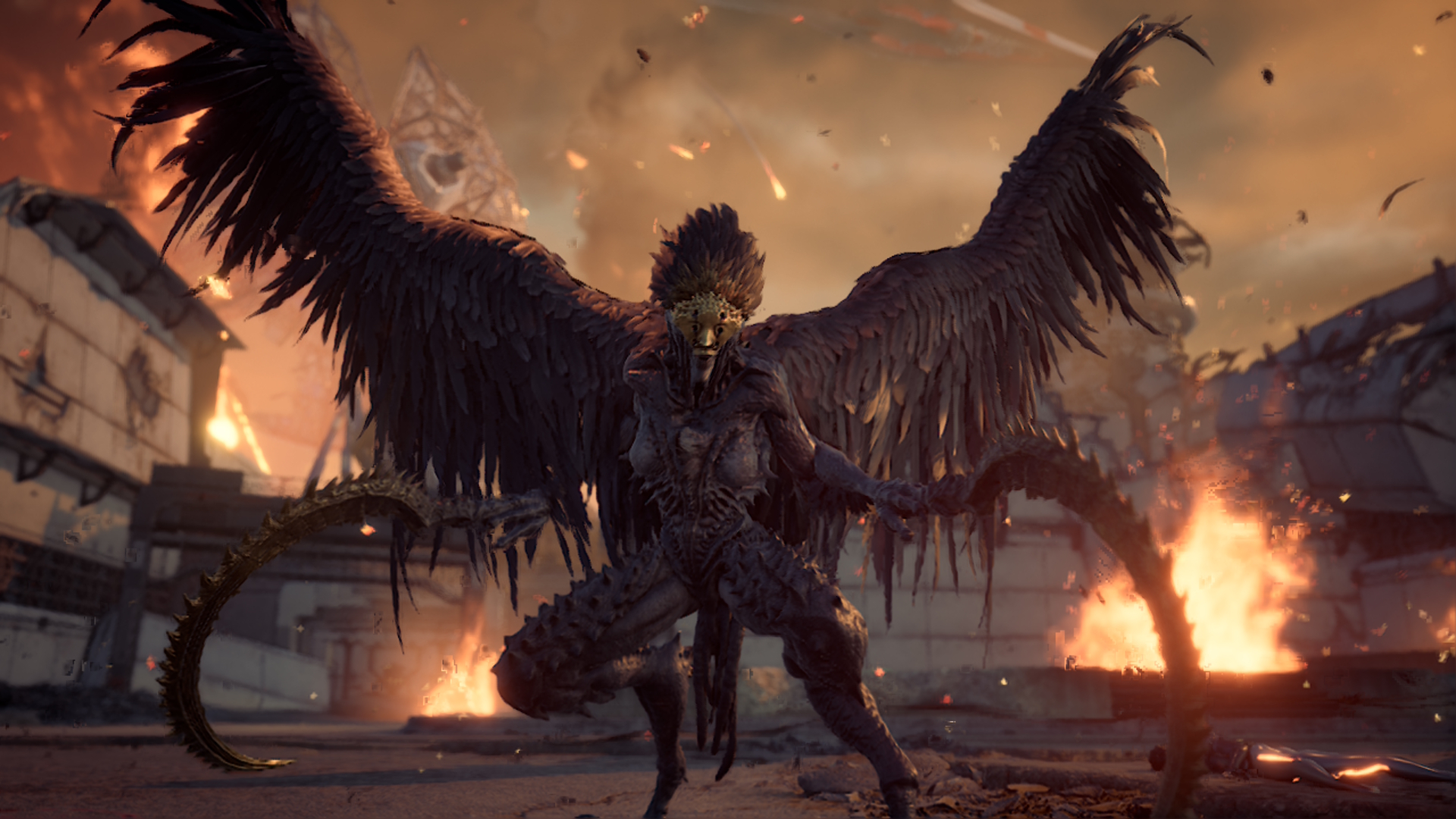
The underlying gameplay loop remains unchanged from previous iterations. Players control protagonist Eve as she navigates a post-apocalyptic Earth to eradicate alien entities known as the Naytibas, aided by supporting characters Adam and Lily. The combat system retains its signature depth, encouraging players to master unlockable skills, drone upgrades, and exospine enhancements to execute high-damage Beta attacks and precise counters. Boss encounters continue to serve as the critical highlight of the experience, offering high-tension tactical showdowns that require strict adherence to enemy attack patterns.
Critical Reception and Narrative Critique
While the combat mechanics and boss designs have earned broad praise, narrative elements continue to draw criticism. Reviewers note that while the overarching premise provides an effective framework for the action, the storytelling suffers from stiff voice acting, awkward character interactions, and dry dialogue that fails to sustain long-term emotional engagement. Exploration and side missions offer standard diversionary value, though occasional platforming stiffness is offset by responsive movement speeds.
Market Implications and Target Audience
The release of Stellar Blade on the Nintendo Switch 2 establishes a clear bifurcation in the game’s target demographic. Industry analysts and reviewers suggest that owners of a PlayStation 5 or PlayStation 5 Pro should prioritize those platforms, where higher graphical fidelity, faster load times, and locked frame rates offer a superior technical experience. However, for consumers whose primary or sole gaming hardware is Nintendo’s hybrid console, the port delivers a mostly functional and thoroughly action-packed experience. Despite minor visual gremlins and performance dips in handheld play, the core combat dynamics remain intact, offering an accessible entry point for players seeking high-octane action on the go.