Maxell Wireless Cassette Player review: a delightful analog blast from the past — just don’t rely on the Bluetooth

The Maxell Wireless Cassette Player, launched in February 2026 at a price point of $99.99, is swiftly establishing itself as a compelling hybrid device, skillfully merging the vintage charm of analog audio with the ubiquitous convenience of contemporary wireless technology. This innovative portable player, while primarily designed to rekindle the tactile experience of cassette tapes, integrates Bluetooth 5.4 connectivity, allowing users to stream their cherished, dusty tape collections directly to modern wireless headphones or speakers. Its introduction has not only piqued the interest of long-time audiophiles and collectors but has also generated considerable public intrigue, demonstrating a strong market appetite for retro-inspired electronics that offer a bridge between past and present listening habits.
Design and Aesthetic Appeal: A Modern Take on a Classic Form
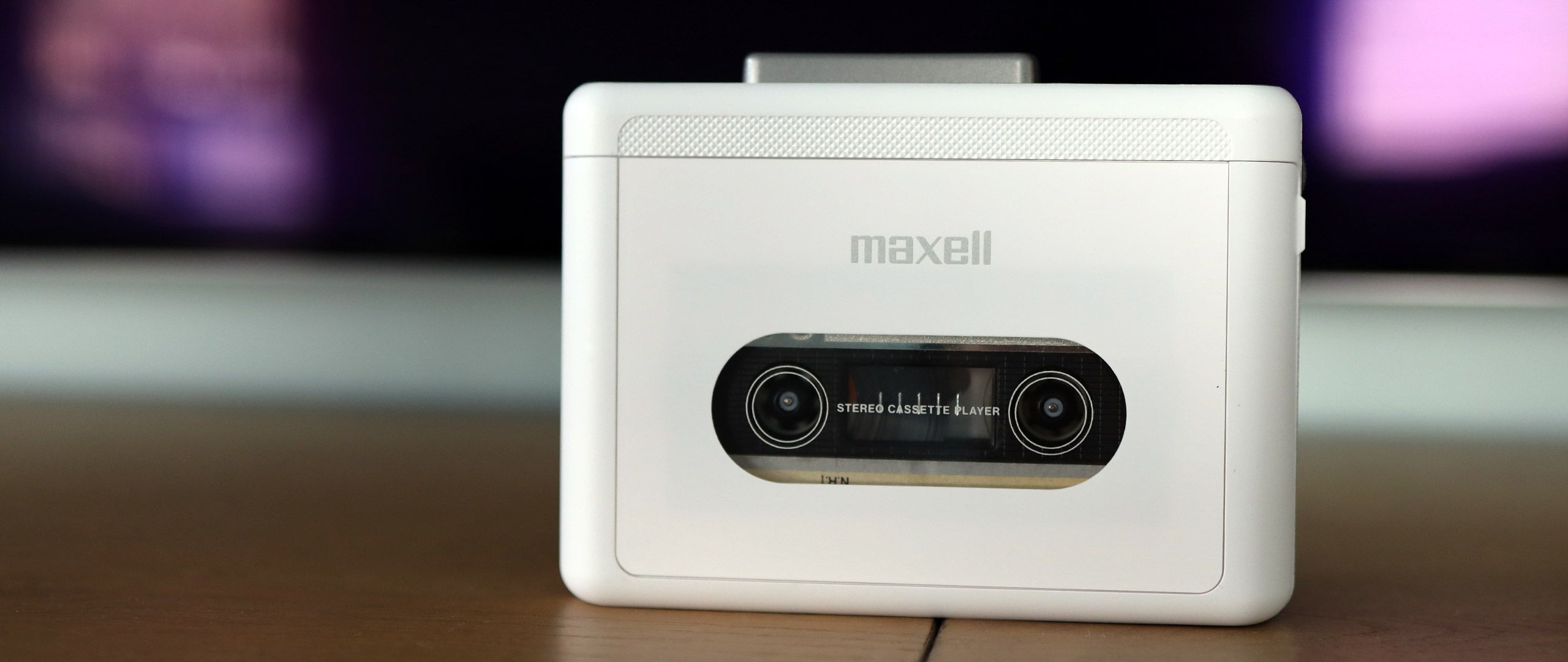
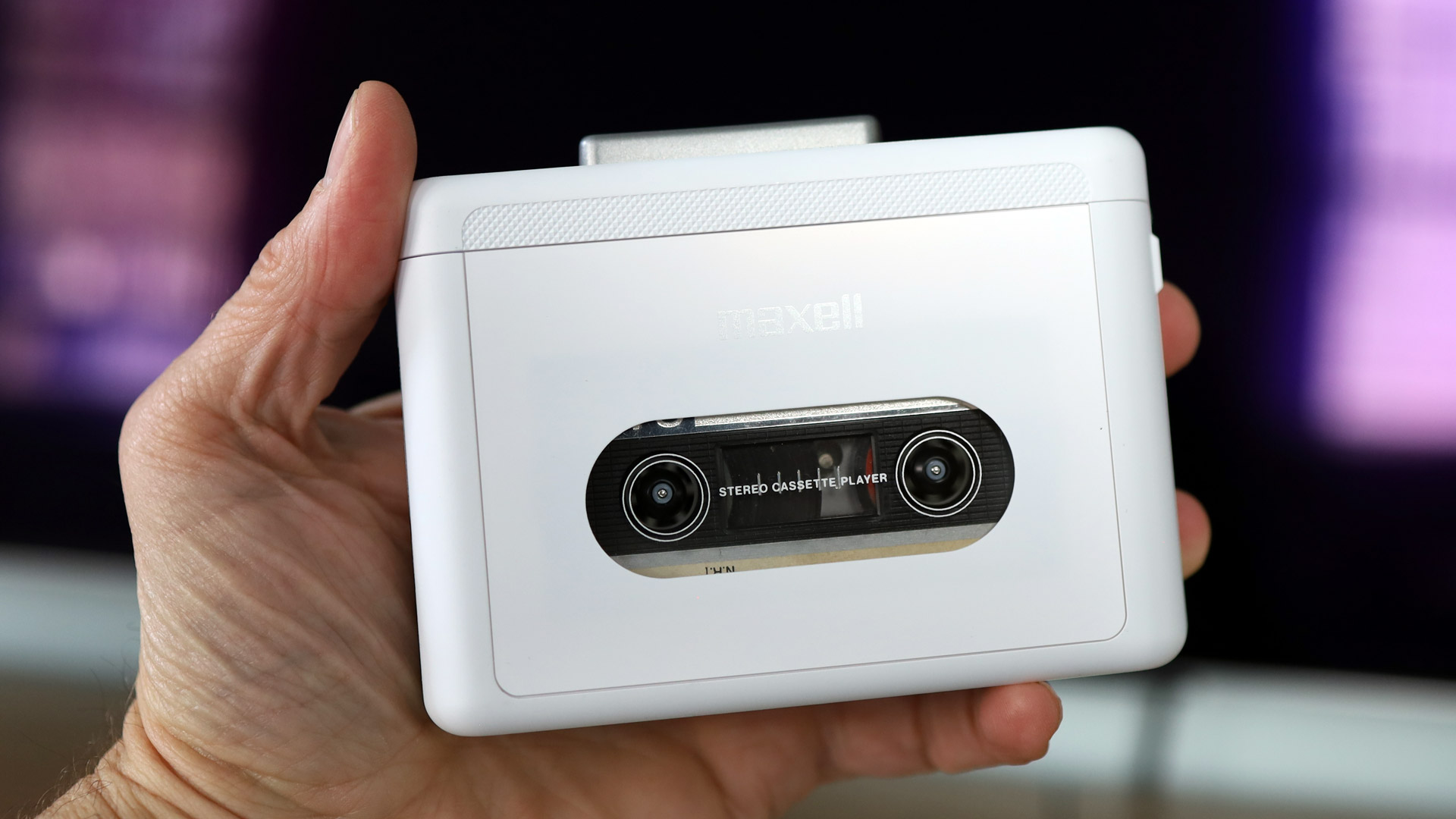
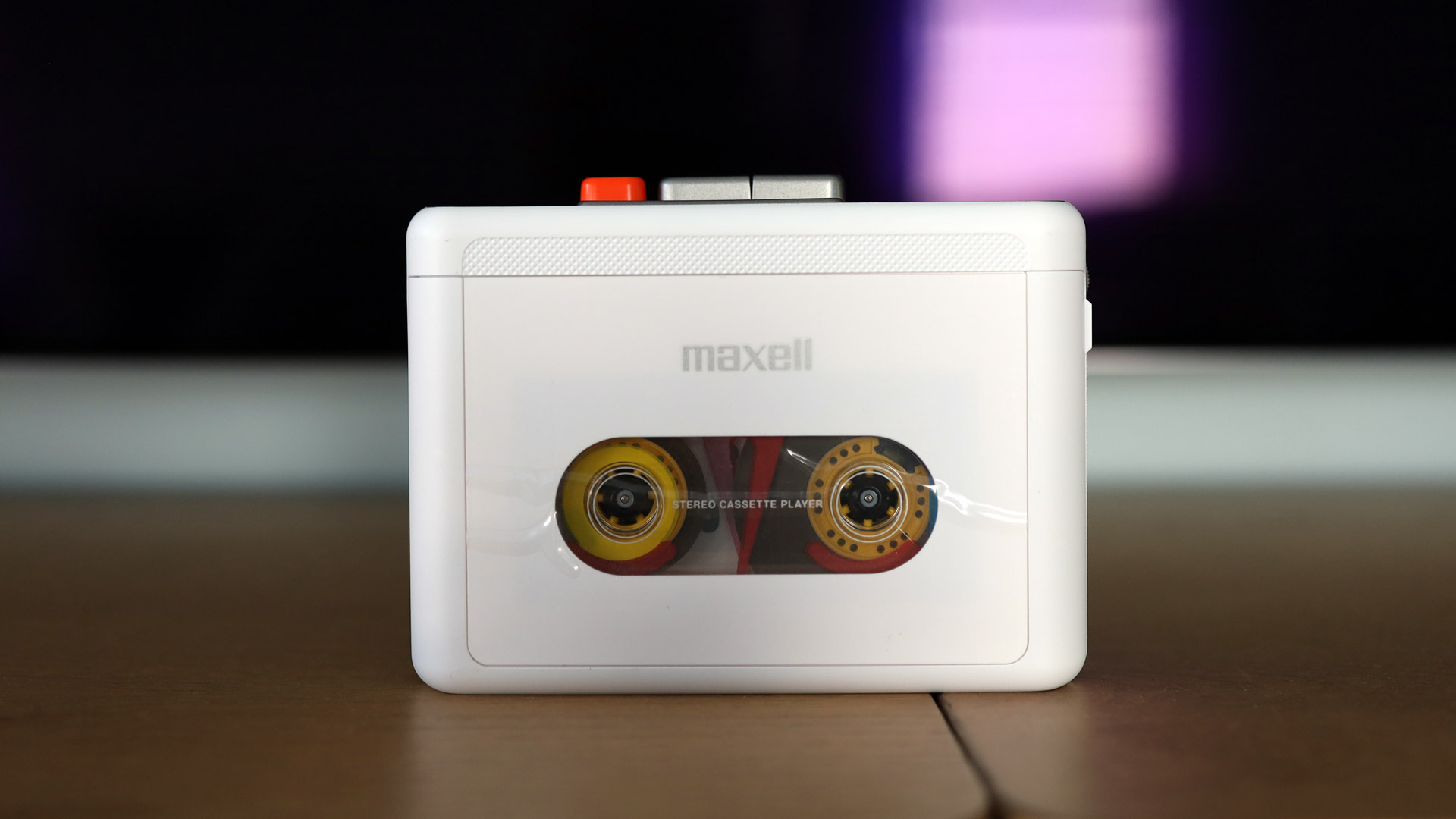
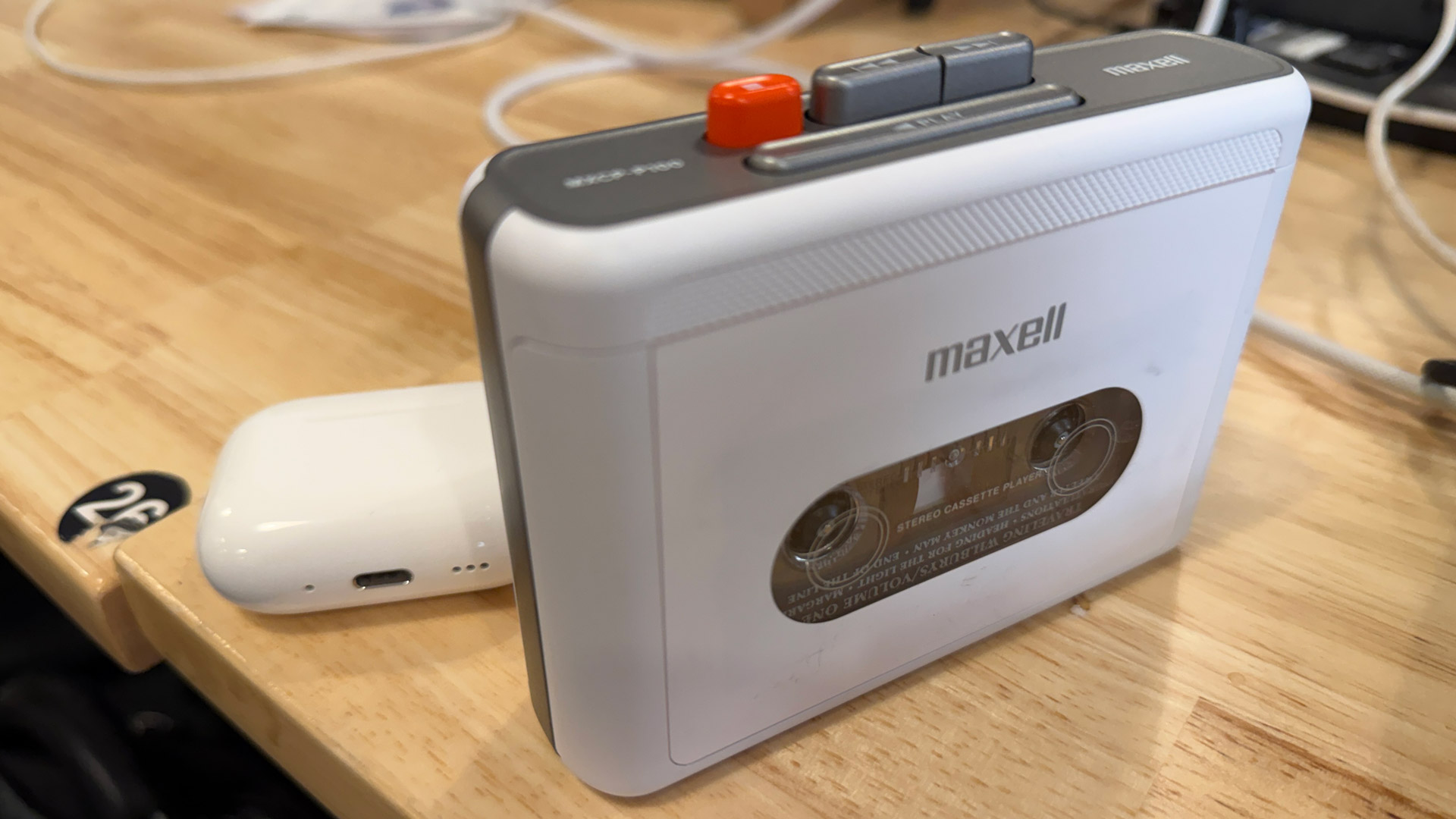
The Maxell Wireless Cassette Player’s design is a deliberate nod to the iconic portable cassette players of the 1980s and 90s, yet it incorporates a minimalist, contemporary aesthetic. Measuring 6.5 x 1.7 x 5.8 inches and weighing a mere 210 grams, its compact and lightweight form factor enhances its portability, making it an ideal companion for daily commutes or leisurely walks. The device features a predominantly white composite body, elegantly framed by a band of silver-gray around its edges. This subtle metallic accent leads the eye to a set of simple, intuitively placed gray control buttons for fast-forward, rewind, play, and stop functions—familiar controls that evoke instant recognition among those who grew up with cassette technology. A volume wheel and a discreet Bluetooth pairing button are also integrated into its side profile, maintaining the clean lines and user-friendly interface.
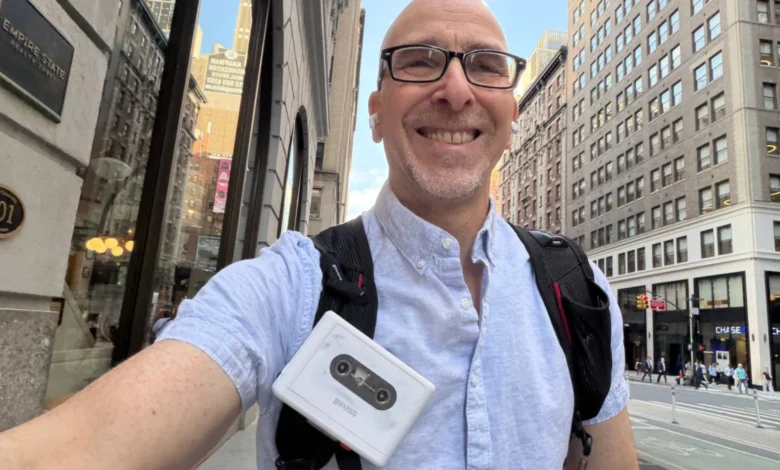
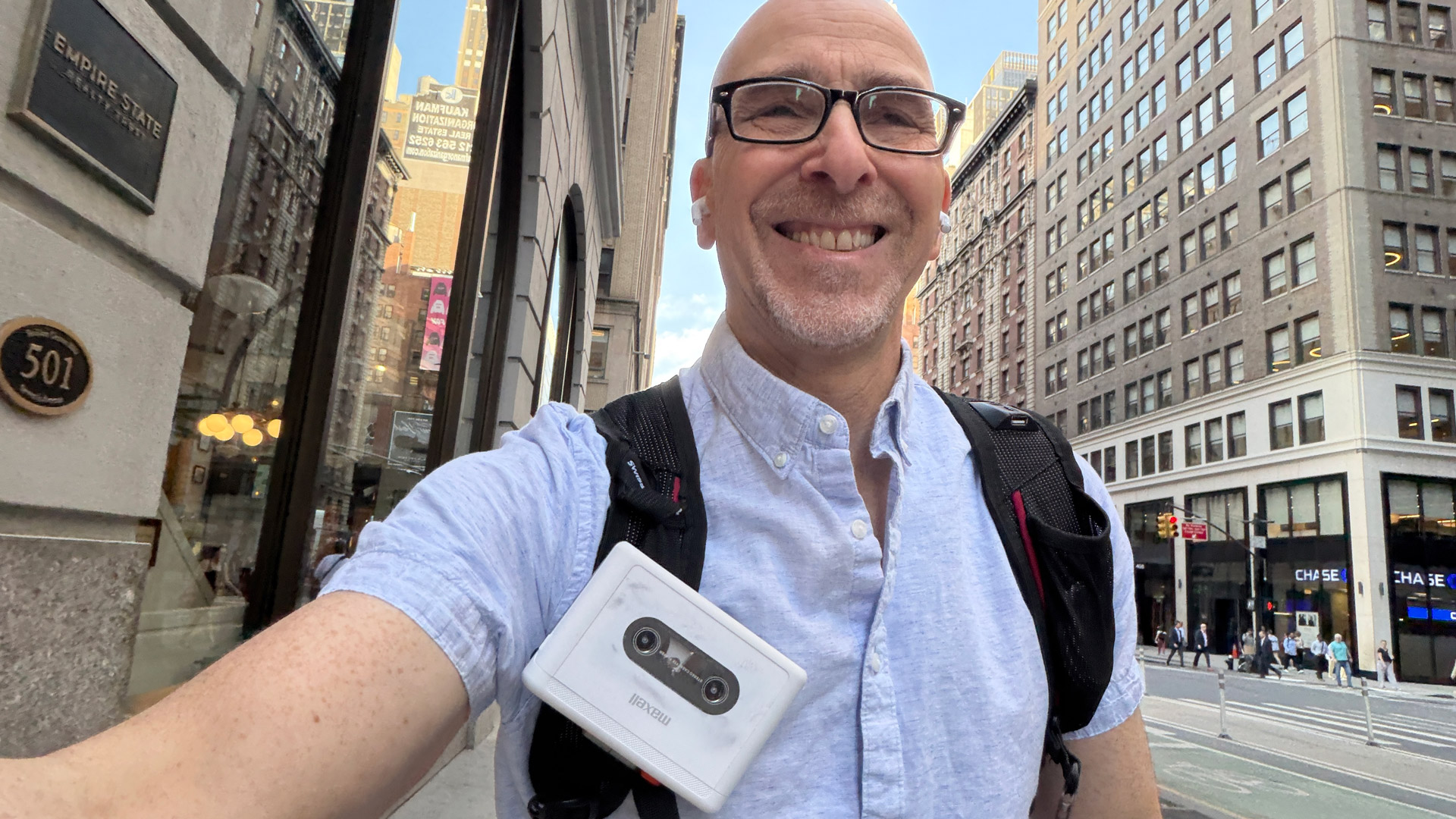
This less ‘fussy’ design contrasts with some pricier alternatives on the market, such as the $160 GenZ player, which also attempts to blend retro and modern elements but with a potentially more complex visual language. A notable feature of the Maxell player is the large clip on the back, allowing users to easily attach the player to a belt or backpack, a practical detail that enhances its on-the-go usability and contributes to its visible, conversation-starting presence. The device’s face prominently displays the classic capsule-shaped cutout, enabling users to view the spinning cassette tape and, ideally, parts of the album artwork – a sensory detail that is integral to the cassette experience, connecting the listener visually to the physical media. The hinged cover, which constitutes the entire face of the player, opens with a simple fingertip, revealing the cassette bay. While functional, this design choice means the player cannot be stably seated on its base during tape loading, requiring users to hold it while inserting cassettes top-first, with the exposed tape facing upwards, as per traditional cassette player design. This minor ergonomic consideration, however, does not significantly detract from the overall user experience.
Technical Specifications and Connectivity Enhancements
The Maxell Wireless Cassette Player is equipped with modern technical capabilities to complement its retro core, bridging the gap between analog and digital listening.
- Dimensions: 6.5 x 1.7 x 5.8 inches
- Weight: 210 grams
- Connectivity: Bluetooth 5.4, 3.5mm wired headphone jack
- Battery: 8 hours (wireless playback), 11 hours (wired playback)
- Ports: USB-C (charging), 3.5mm headphone jack
The inclusion of Bluetooth 5.4 is a significant upgrade, ensuring a relatively stable, energy-efficient, and high-quality wireless connection, crucial for a device catering to modern users accustomed to seamless wireless audio. This contemporary Bluetooth standard typically offers improved range and data transfer speeds compared to older versions, although practical performance can vary based on environmental factors. The USB-C port for charging signifies adherence to current universal charging standards, enhancing convenience, although it is important to note that the device does not ship with a charging adapter, only a USB-C cable. The traditional 3.5mm headphone jack offers essential versatility, catering to users who prefer wired listening, wish to connect to older audio equipment, or simply desire a fail-safe option when wireless connectivity is challenging or battery life is a concern. This dual connectivity strategy ensures that the Maxell player is adaptable to various listening preferences and scenarios.
Initial Setup and Wired Playback Experience: The Pure Analog Moment
The initial experience of using the Maxell player with wired headphones is remarkably straightforward, mirroring the simplicity of its analog predecessors and offering an immediate plunge into nostalgia. The device foregoes a dedicated power switch; simply pressing any of the main function buttons—play, fast-forward, or rewind—activates the unit. This instant readiness, combined with the satisfying mechanical click of the buttons, immediately transports users back to a simpler era of music consumption.
For many, rediscovering a collection of physical cassette tapes, perhaps long-forgotten in a dusty box, becomes an integral part of the device’s appeal. The act of physically loading a tape, such as a classic album like The Traveling Wilburys, and hearing the familiar, warm analog sound through wired headphones, provides an authentic nostalgic experience that digital streaming, for all its convenience, cannot fully replicate. The sound quality, when played through a direct wired connection, delivers clear and rich audio, characterized by well-defined highs, excellent mid-range presence, and adequately robust lows. This performance affirms the player’s capability as a competent portable audio device, capable of extracting enjoyable sound from decades-old magnetic tape. The ability to revisit personal audio archives, such as old CBS News Radio appearances discussing the "browser wars" or recordings of now-adult children’s youthful voices, adds a profound layer of personal value, underscoring the unique role this device plays in preserving and re-experiencing tangible auditory memories.
Navigating Bluetooth Connectivity: Modern Integration with Analog Quirks
While the wired experience is seamless and inherently nostalgic, integrating modern Bluetooth functionality presents a learning curve and some operational nuances. The Maxell player’s minimalist interface, intentionally devoid of screens or complex menus, means that Bluetooth pairing relies solely on a tiny, flashing blue LED indicator for feedback. This simplicity, while contributing to the retro aesthetic, can be challenging in environments with significant wireless interference or "Bluetooth crosstalk," where multiple devices are actively broadcasting signals.
Initial attempts to pair the device with popular wireless headphones, such as Apple AirPods Pro 3, proved difficult in a home environment. This suggests that the player’s Bluetooth signal might be susceptible to competing wireless signals from other devices like smart TVs, home audio systems, or other smart home devices. In one notable instance, the device inadvertently connected to a nearby LG C5 OLED TV, highlighting the potential for unintended pairings in signal-rich environments. Such experiences underscore the complexities of integrating a simple, screenless interface with sophisticated wireless protocols in a crowded radio frequency landscape.
However, the Bluetooth experience improved significantly in less cluttered settings, such as during a train commute, where the device successfully paired with AirPods Pro. This indicates that while Bluetooth 5.4 is integrated, its implementation or antenna design might be sensitive to environmental factors and proximity to other active Bluetooth transmitters. The manufacturer claims automatic re-connection after the initial pairing, a convenient feature that was observed to be inconsistent in practice, sometimes requiring manual re-pairing.
Furthermore, maintaining a stable Bluetooth connection during active use required careful placement. Clipping the player to a belt, a common practice for portable audio devices in the cassette era, sometimes resulted in dropped connections or intermittent audio. Optimal performance was consistently achieved when the player was positioned closer to the receiving device, such as on a backpack strap near the user’s head. Despite these connectivity quirks and the need for situational adaptation, when a stable link was established, the wireless audio output was reported as clear and rich, delivering a satisfying listening experience that seamlessly blended the analog source with modern wireless convenience.
Battery Performance and the Analog Experience: Embracing Limitations
The Maxell Wireless Cassette Player offers commendable battery life, rated at 11 hours for wired playback and 8 hours for wireless Bluetooth streaming. This provides ample listening time for commutes, short trips, or extended nostalgic sessions, positioning it favorably against some contemporary portable audio devices in terms of endurance. However, in keeping with its retro ethos and minimalist design, the device lacks a digital screen or any form of explicit battery life indicator. This omission means users operate without a clear visual understanding of the remaining power, relying instead on the device simply ceasing operation when the battery depletes. This design choice forces users to anticipate charging needs, a characteristic reminiscent of older electronics where battery status was often an unknown until failure.
This lack of digital feedback underscores a broader aspect of the analog cassette experience: its serial and inherently less instantaneous nature. Unlike digital streaming, where track skipping, instant access to vast libraries, and metadata displays are standard, cassette playback is fundamentally linear. Songs are heard sequentially, and discovering what comes next or navigating through an album requires physical interaction—fast-forwarding, rewinding, removing the tape, flipping it to side B, and reinserting it. This deliberate, unhurried engagement is part of the charm for many users, fostering a more focused and intentional listening experience that contrasts sharply with the passive consumption often associated with digital platforms. The absence of recording capabilities, while a departure from some classic cassette players that allowed for mix-tape creation, aligns with the device’s primary function as a playback-only unit for existing tape collections. For users seeking to revisit personal archives—such as old radio appearances or recordings of loved ones—the Maxell player serves as an invaluable tool for audio archeology, making the $99.99 price point a worthwhile investment for its unique ability to unlock these tangible auditory memories.
The Resurgence of Physical Media and Maxell’s Enduring Legacy
The launch of the Maxell Wireless Cassette Player is not an isolated event but rather a reflection of a growing global trend: the resurgence of physical media. While vinyl records have enjoyed a significant comeback over the past decade, driven by record-breaking sales and a dedicated collector base, cassette tapes are also experiencing a notable revival. This resurgence is fueled by both profound nostalgia for a bygone era and a contemporary desire for tangible, curated music experiences in an increasingly digital world. For older generations, cassettes represent a powerful link to their youth, evoking memories of mix tapes, boomboxes, and the unique ritual of analog listening, including the satisfying click of play buttons and the whir of tape. For younger generations, they offer a novel, "retro cool" aesthetic and an appreciation for the limitations and distinct sonic characteristics of analog sound, standing as a counterpoint to the ubiquity of streaming.
Maxell, a brand synonymous with quality audio and video recording media since its inception, holds a significant place in this narrative. Founded in Japan in 1960 as a dry battery manufacturer, Maxell diversified into magnetic tapes, batteries, and optical discs, becoming a household name globally. Its cassette tapes, in particular, were iconic, known for their distinctive designs, reliable performance, and often featured prominently in pop culture. By introducing a modern cassette player under the Maxell brand, the company strategically leverages its rich heritage and instantly taps into a reservoir of brand recognition and trust among those familiar with the golden age of analog audio. This strategic move positions Maxell not merely as a manufacturer but as a custodian of audio history, offering a pathway for consumers to reconnect with cherished formats through a contemporary lens. The product’s initial availability exclusively in the US market at launch (February 2026) suggests a targeted initial rollout, likely to gauge demand and refine distribution strategies before potential international expansion to regions like the UK.
Market Implications and Target Audience: Bridging Generations
The Maxell Wireless Cassette Player caters to a diverse but specific market segment, effectively bridging generational gaps through its unique blend of old and new. Primarily, it appeals to nostalgia seekers—individuals typically in their 30s, 40s, 50s, and beyond who grew up with cassettes and possess existing tape collections. For them, the device offers a direct, accessible way to relive past musical memories and engage with physical media. The anecdotal reactions described in early reviews, such as the enthusiastic exclamations from passersby and colleagues, underscore this powerful nostalgic pull, turning the device into an instant conversation starter and a tangible link to shared cultural history.
Secondly, it attracts collectors and audiophiles who appreciate the unique sonic qualities and cultural significance of analog audio. While high-fidelity audiophiles might gravitate towards premium turntables, the cassette player offers a more portable, affordable, and distinct entry point into analog listening, particularly for those with a curated collection of rare or sentimental tapes.
Lastly, the device subtly appeals to younger generations who are increasingly drawn to vintage aesthetics, tangible cultural artifacts, and alternative forms of media consumption in contrast to purely digital platforms. For them, it represents a curiosity, a "blast from the past" that offers a distinct alternative to streaming services, potentially fostering an appreciation for the history and evolution of music technology. This demographic often seeks unique personal expressions and experiences, which a retro-modern device like the Maxell player can provide.
The Maxell player’s successful integration of Bluetooth is key to its broader market viability. Without wireless connectivity, it would remain a niche product for purists and collectors. With it, Maxell positions the device as a functional, everyday portable music player that happens to play cassettes, rather than just a retro gimmick. This dual functionality expands its utility and appeal, making it a viable option for those who own tapes but have otherwise embraced wireless audio as their primary listening method. The price point of $99.99 is strategically positioned to be accessible for an impulse purchase for nostalgia or a thoughtful gift for a music enthusiast, balancing its niche appeal with modern convenience and widespread appeal.
Broader Impact and Future Outlook: The Enduring Allure of Analog
The Maxell Wireless Cassette Player exemplifies a broader trend in consumer electronics: the convergence of retro aesthetics with modern technological utility. This approach allows brands to tap into powerful emotional connections and cultural memories while delivering the functionality expected by today’s consumers. The challenges faced with Bluetooth connectivity, while minor and solvable, highlight the ongoing balancing act required to seamlessly integrate disparate technologies and user interfaces. Such devices often walk a fine line between providing an authentic retro experience and meeting contemporary user expectations for convenience and reliability.
The success of products like the Maxell player could signal further innovation in "re-mixed" technologies. We may see more vintage formats, from MiniDiscs to DAT tapes or even reimagined portable CD players, being re-imagined with modern connectivity, provided there is a sufficient archive of content and a passionate user base. This trend is not merely about novelty; it reflects a deeper cultural craving for ownership, tangibility, and physical interaction with media in an age dominated by ephemeral digital files and subscription services. As consumers increasingly seek unique experiences and personal connections with their technology, the Maxell Wireless Cassette Player stands as a compelling testament to the enduring power of nostalgia and the timeless appeal of music in all its forms. It reminds us that sometimes, the best way forward is to look back, albeit with a modern, wireless twist. The device, first reviewed in April 2026, marks a significant entry in the burgeoning retro-tech market, promising a vibrant future for hybrid devices that celebrate both technological progress and our collective auditory heritage.