HEDDphone D1 Redefines Mid-Range Audiophile and Pro Audio Standards with Revolutionary TPCD Technology

Berlin-based audio innovator HEDD (Heinz ElectroDynamic Designs) has introduced its fourth set of over-ear headphones, the HEDDphone D1, which is rapidly gaining acclaim for its remarkable sonic quality and innovative design, squarely targeting both the discerning audiophile and professional audio markets. Priced at £599 / $799.99 / AU$999, the D1 is positioned to disrupt the upper echelds of the mid-range segment, offering performance levels typically associated with significantly more expensive high-fidelity equipment.
A Legacy of Audio Innovation: From AMT to TPCD
The genesis of HEDD is rooted in the profound contributions of its founder, Heinz Klaus. A pivotal figure in the audio industry, Klaus is renowned for establishing ADAM Audio and for his instrumental role in the development and refinement of Air Motion Transformer (AMT) transducers. This legacy of pioneering audio technology continues with HEDD, which initially focused on a new line of professional monitor speakers before venturing into the head-fi market, integrating AMT drivers into its earlier headphone models (HEDDphones ONE, TWO, and TWO GT). The HEDDphone D1 represents a strategic evolution, shifting focus to dynamic drivers, but with a unique and proprietary twist: the Thin-Ply Carbon Diaphragm (TPCD). All HEDD products, including the D1, are meticulously designed and manufactured in Berlin, underscoring the brand’s commitment to precision engineering and quality.
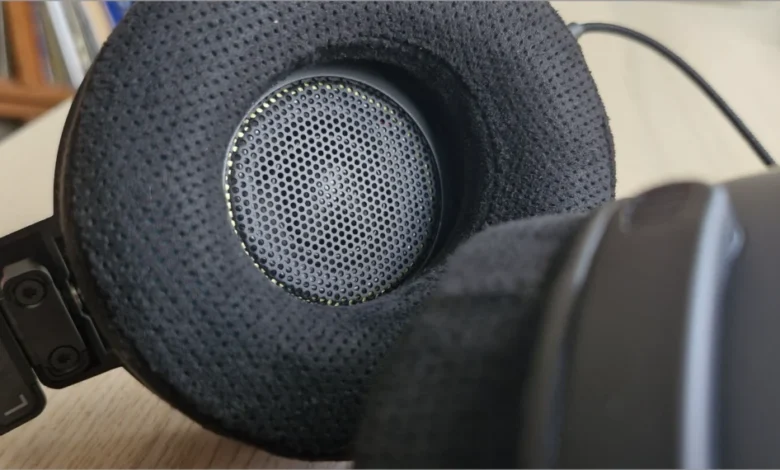
The introduction of TPCD technology is central to the HEDDphone D1’s exceptional performance. This advanced carbon fibre composite diaphragm is engineered to maintain remarkable rigidity despite its extremely thin and low-mass construction. This innovative material allows for a highly responsive dynamic driver that avoids the common trade-offs between lightness, distortion, and tonal imbalance. Crucially, it minimizes the need for conventional diaphragm-level dampening, further enhancing clarity and transient response. The D1 features two 50mm TPCD-constructed dynamic drivers, delivering an expansive frequency range from an impressive 5 Hz up to 40 kHz, ensuring comprehensive audio reproduction with a remarkably steady response curve across the critical listening spectrum.
Unparalleled Sonic Performance: A Masterclass in Definition
The HEDDphone D1 has been lauded for delivering an audio experience that transcends its price point. Reviewers have expressed genuine surprise at its sonic capabilities, highlighting a sound signature that masterfully balances clinical accuracy with an engaging, full-bodied presentation. The headphones achieve this delicate equilibrium, making them equally adept for critical monitoring in professional environments and for gratifying, immersive home listening.
A standout characteristic is the D1’s bass response. While maintaining an impressively even frequency response across the board, the low end exhibits a slightly pronounced, yet astonishingly controlled, push. This results in a "bulging fullness" reminiscent of high-quality closed-back headphones, combined with the expansive depth-of-field characteristic of open-back designs. This "platonic ideal" of low-end presence offers the best of both worlds, providing weight and context to the sound without sacrificing clarity.
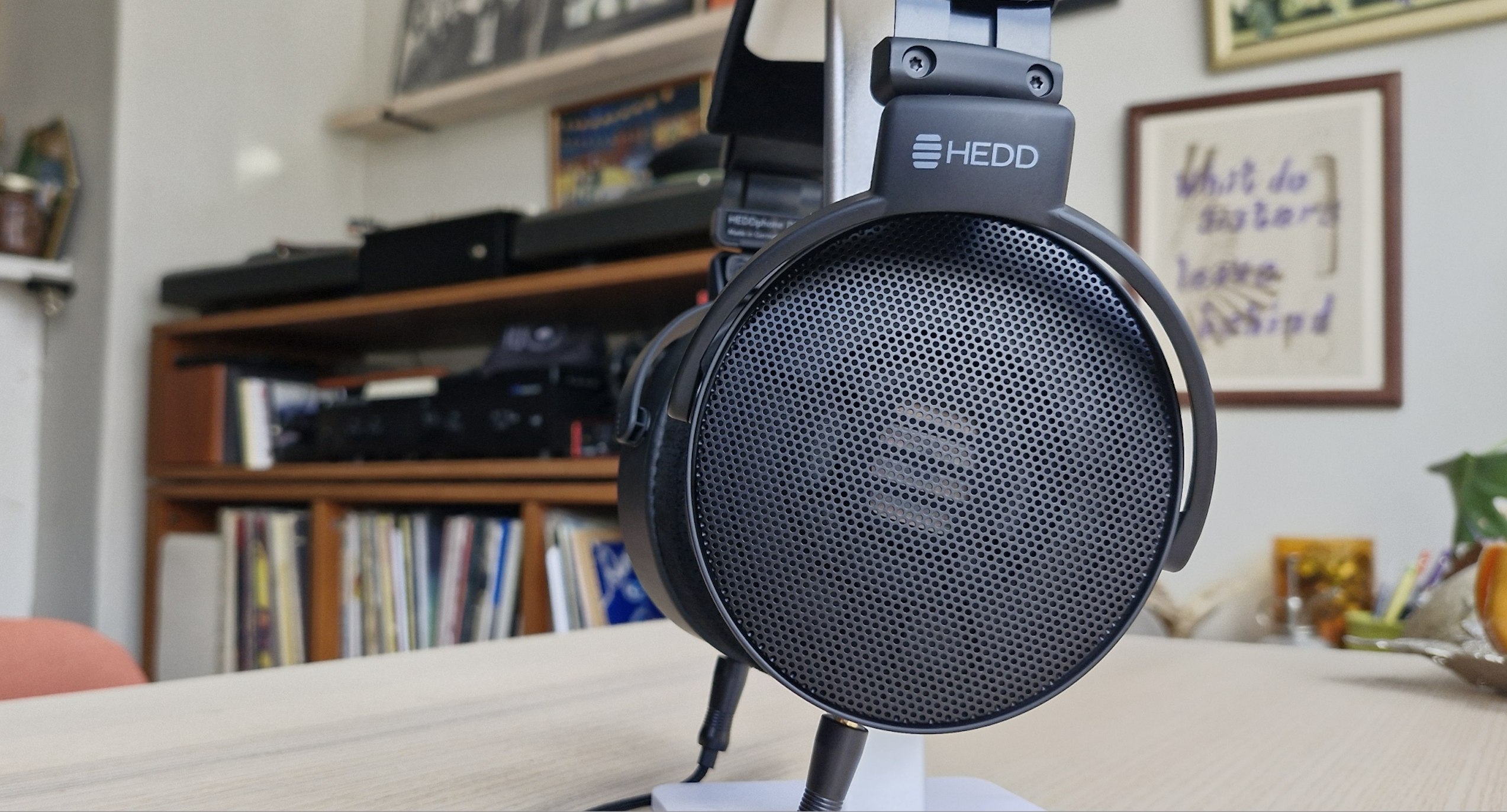
This robust low-end serves as a solid foundation for an incredibly detailed upper register. Vocals, for instance, are rendered with revelatory clarity, capturing every nuance and subtle inflection. The precision extends to transient response, which is consistently tight and immediate, devoid of overextension or artificial insistence. This characteristic allows for exceptional discernment of percussive elements, from the crisp attack of kick drums and rim shots to the subtle texture of shakers, adding a palpable realism to the listening experience.
During extensive testing across various musical genres and formats, the D1 consistently showcased its versatility. When streaming hi-res audio from platforms like Qobuz, the headphones effortlessly handled complex, maximalist compositions such as Pile’s All Fiction, managing dense orchestrations and voluminous low-end energy with remarkable ease. The intricate layers of tracks like Loops and Poisons were parsed with clarity, preventing any sense of sonic congestion. Similarly, Mitski’s Cats revealed the D1’s ability to articulate delicate vocals against a rich, bassy backdrop, with every "fathom and miniscule wave" of her voice rendered in astonishing detail.
The D1’s definitional excellence was further demonstrated with PJ Harvey’s Stories From The City, Stories From The Sea. Harvey’s forthright vocals exhibited a refreshing urgency, with excellent separation between voice and instruments, even as the tracks spiraled into complex arrangements. Dry drums, harsh leads, and percussive acoustic guitars coalesced into a clear and crisp soundscape, showcasing the D1’s composure under pressure.
Switching to vinyl, the D1 continued to impress. Queens Of The Stone Age’s …Like Clockwork provided an excellent platform to assess the D1’s soundstage and its gutsy, gratifying treatment of distorted guitars. Tracks like I Sat By The Ocean were rendered with clever spatial awareness, while My God Is The Sun proved addictively propulsive, from its "growling plinth of glistening bass" to the tightly coordinated, climbing riff guitars, all supporting Josh Homme’s signature "croon-y honey" vocals.
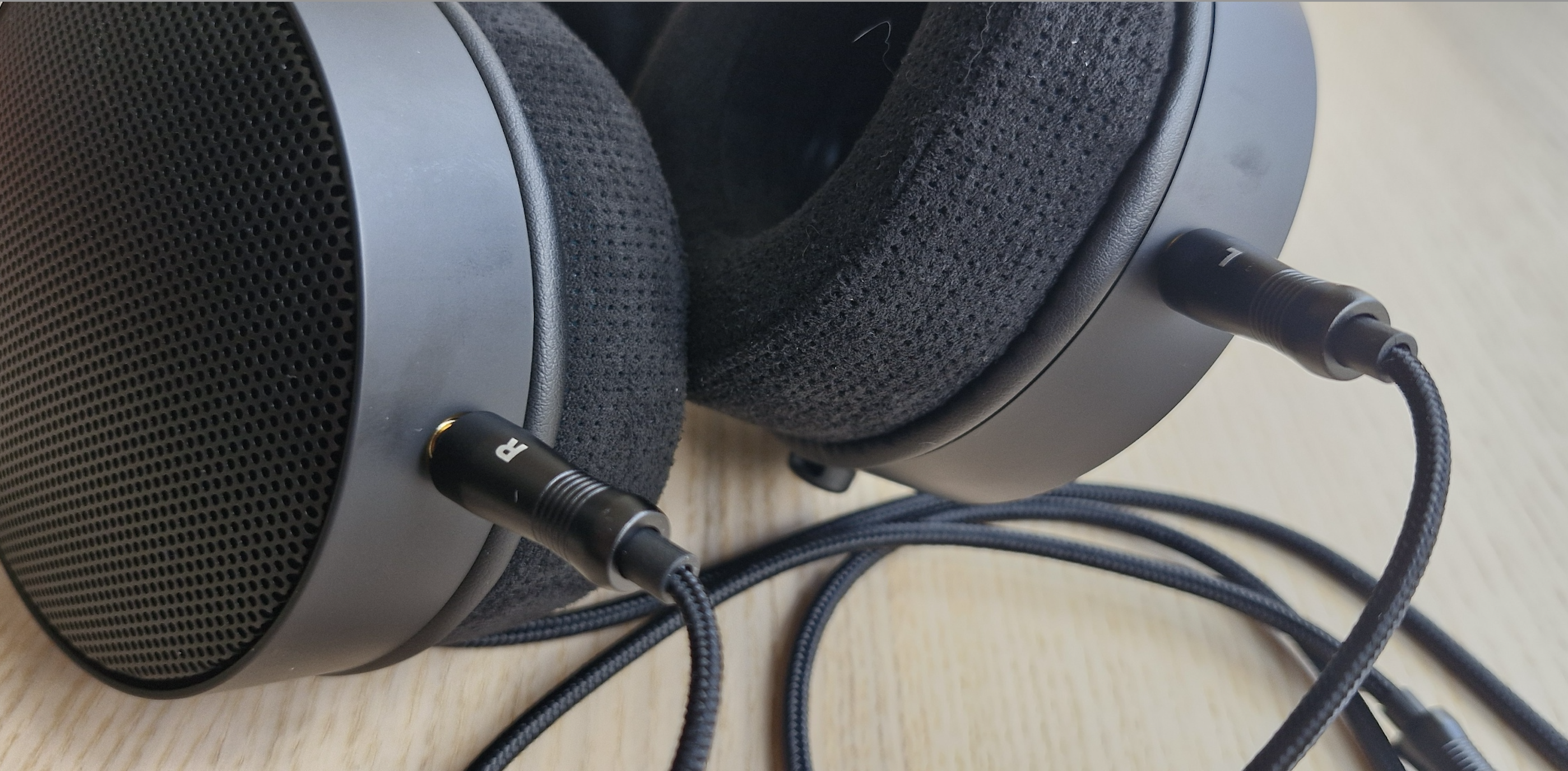
Exploring jazz, Roy Haynes’ 1963 album Cymbalism allowed the D1 to highlight its tonal strengths. The fast-paced, flute-led Modette showcased Haynes’ "snap-crackle" drums with immediate brilliance, and Frank Strozier’s flute, often prone to harshness, emerged bright, beautiful, and searingly insistent. The subtle, hollow plucks of the double-bass were well-supported between the kick and snare, and the piano remained unobtrusively clear and sharp. Lonnie Liston Smith And The Cosmic Echoes’ spiritual-jazz epic Astral Traveling further illuminated the D1’s tonal prowess. In Search Of Truth unfolded as a "slow, sure-footed hike," its consistent bass riff providing a bedrock for spaced-out piano, immaculately preserved percussive elements, and a steady harmonium drone, culminating in a "truly expansive experience."
This comprehensive auditory performance solidifies the HEDDphone D1’s dual appeal, proving its capability as both a powerful audiophile product for home listening and a reliable, pro-grade monitoring headphone. The broad and deep soundstage ensures instruments and elements occupy distinct spaces, allowing for both critical scrutiny and appreciative immersion. The reviewer noted that the slight low-end lift, while potentially a point of discussion for some ultra-flat pro-audio purists, ultimately serves as a "little gift" for the listener, providing unparalleled weight and context.
Design and Ergonomics: A Firm Embrace of Comfort
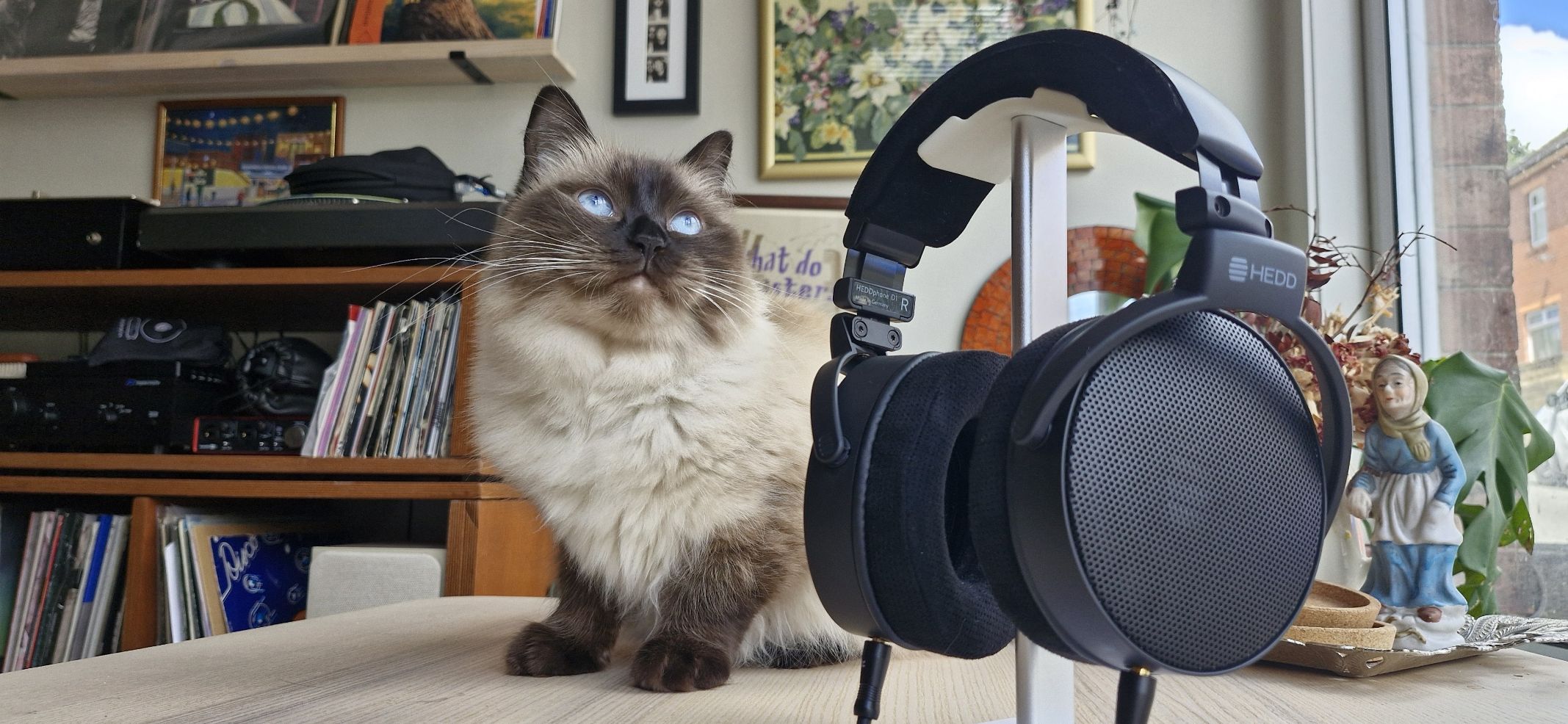
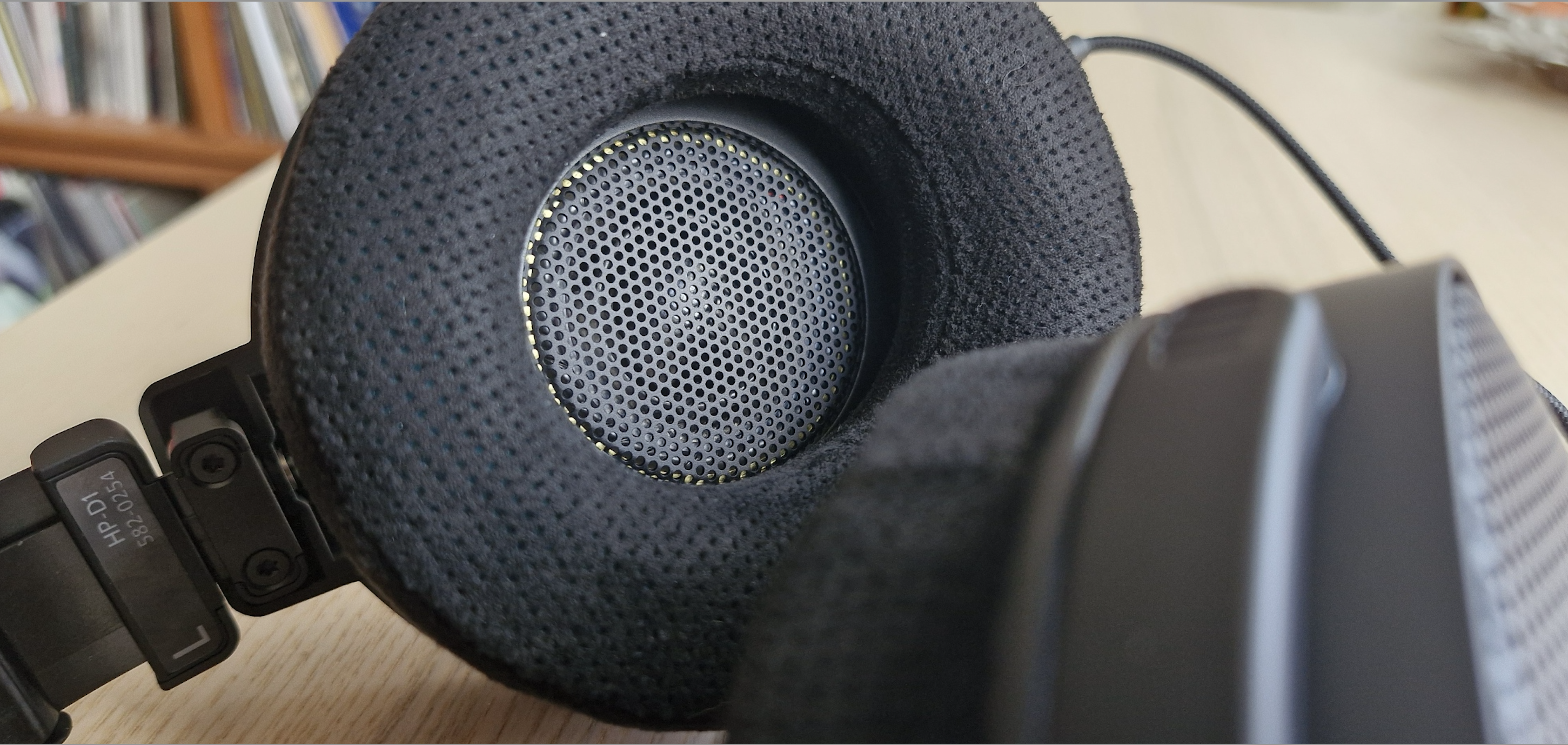
The HEDDphone D1 challenges conventional notions of headphone comfort. Instead of aiming for a feather-light, barely-there feel, it adopts a philosophy of "tight hug." The headphones grip the head with a deep, encouraging firmness, which is expertly mitigated by super-soft ear cup cushions and a firm foam cushion beneath the headband. This design creates a comfortable, supportive fit that "melts into your head" and, combined with the inherent breathability of its open-back architecture, prevents listening fatigue even over extended periods.
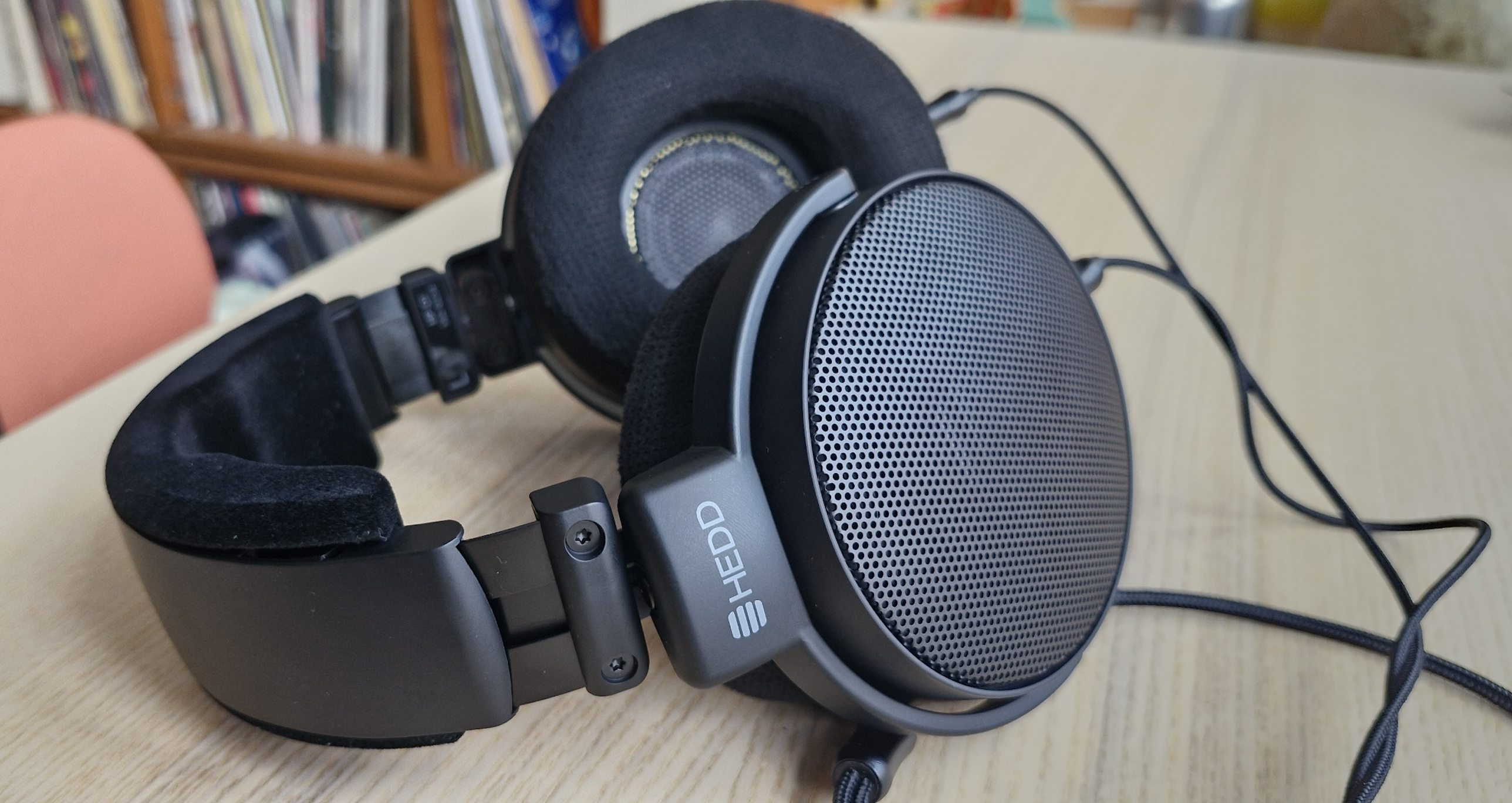
From a material perspective, the D1’s build quality leans more towards functionality than luxurious aesthetics, particularly when compared to some competitors in a similar price bracket, such as Meze Audio, known for their premium finishes. Apart from the metal grilles protecting the diaphragms and the headband’s spine, the visible components primarily consist of plastic, foam, and various breathable fabrics. However, this pragmatic material choice is a deliberate decision to prioritize the internal, groundbreaking technology. Given the extraordinary sonic performance, this trade-off is widely considered acceptable. Crucially, the functional aspects of the design are robust; the headband adjustment is firm and reassuring, and the chosen foam for the cushions is optimally suited for comfort.
As expected with open-back headphones, there is some degree of sound leakage into the surrounding environment, which makes them less suitable for public commuting. However, the inverse is less true; while music is playing, external noises are surprisingly well-attenuated, allowing for an immersive listening experience.
Value Proposition: Disrupting the High-End Market
The HEDDphone D1’s pricing places it at the upper end of the "mid-range" category, yet its performance metrics strongly suggest it belongs in a far higher tier. At $799.99 / £599 / AU$999, it presents an "incredible value for money" proposition, with its transient and tonal clarity often outperforming headphones costing two or even three times as much. This assertion is backed by direct comparisons with audiophile-grade over-ear headphones priced upwards of $2,000 / £1,899 / AU$3,550, which the D1 has been noted to surpass in overall sonic characteristics.
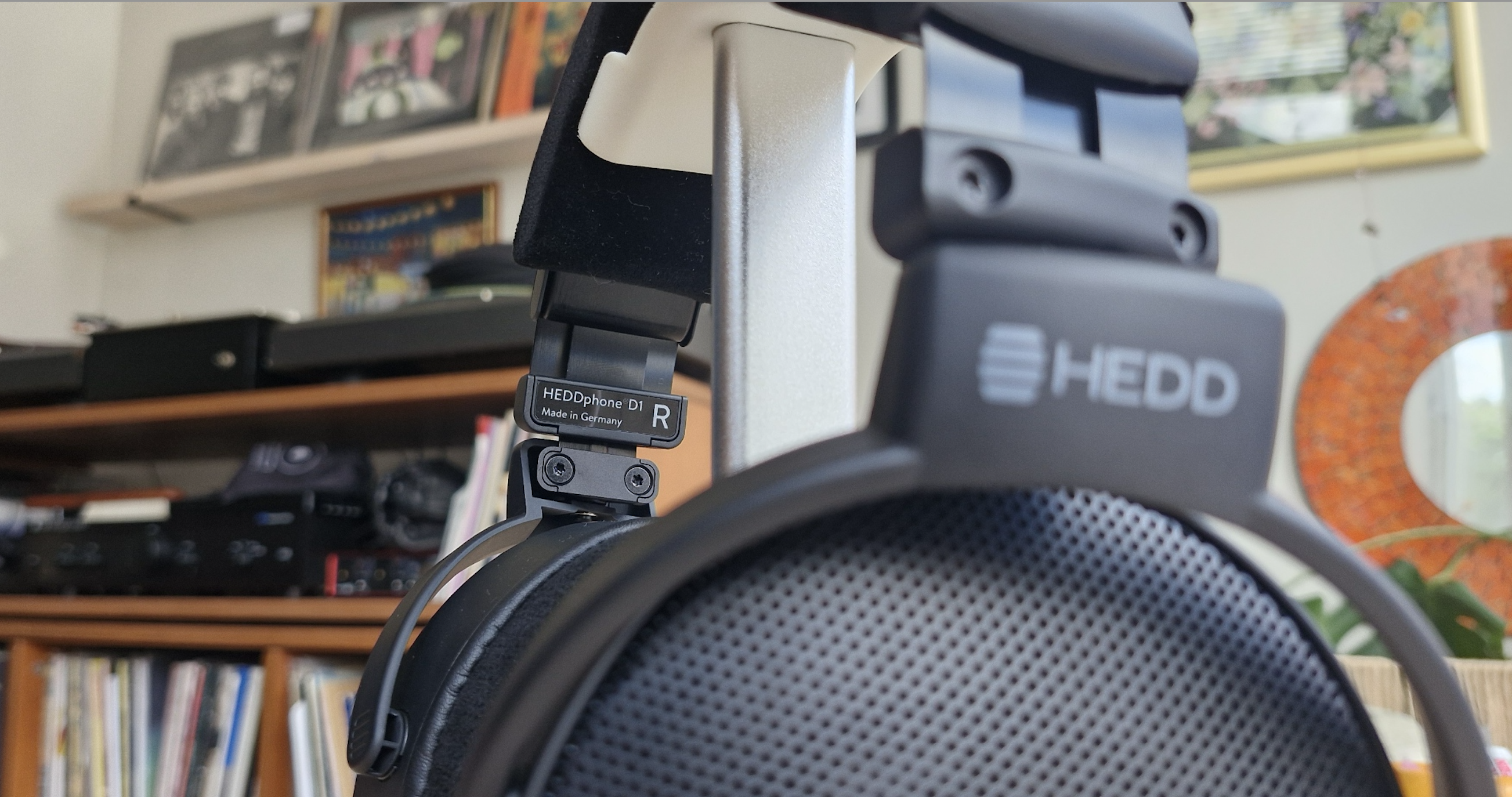
While minor reservations about the plastic elements of the chassis might arise, the D1’s robust build quality, combined with its unparalleled sound fidelity, effectively negates any concerns regarding poor value. For individuals prioritizing sonic performance, whether personally or professionally, the D1 offers an exceptional "bang-per-buck" ratio, delivering "four-figure sound quality at a mid-budget price point." This makes the HEDDphone D1 not just a competitive option, but a compelling "steal" in the current headphone market.
Target Audience and Practical Considerations
The HEDDphone D1 is ideally suited for:
- Audiophiles seeking their ultimate mid-range headphones: Its ability to deliver high-end sound at a more accessible price point makes it a potentially "last" purchase before venturing into true luxury segments.
- Audio professionals requiring daily-driver monitors: The D1’s unique blend of clinical accuracy and engaging sound makes it perfect for studio work and extended listening sessions.
However, certain use cases are less optimal:
- Commuting: The open-back design means significant sound leakage, disturbing others and offering less external noise isolation compared to closed-back or noise-cancelling headphones.
- Budget-conscious buyers stretching their finances: While offering exceptional value, the D1 still represents a significant investment. Alternatives exist in the £200-£400 range for flat, clear monitoring, or brands like Meze for comfortable home listening, though they may not match the D1’s overall fidelity.
Broader Impact and Implications
The HEDDphone D1’s market entry signals a significant development in the high-fidelity audio landscape. By leveraging advanced materials science with its TPCD drivers, HEDD demonstrates that groundbreaking sonic performance can be achieved at a more competitive price point, challenging established norms in both the professional audio and consumer audiophile sectors. This could prompt other manufacturers to innovate further, pushing the boundaries of what is possible in the mid-range category and potentially democratizing access to truly high-end sound. The D1’s success underscores a growing demand for products that excel in both technical precision and musicality, providing a rich, detailed, and non-fatiguing listening experience.
Technical Specifications:
| Attribute | Detail |
|---|---|
| Type | Open-back |
| Drivers | 50mm dynamic, Thin-Ply Carbon Diaphragm (TPCD) |
| Impedance | 32 ohms |
| Weight | 350g |
| Connectivity | 2 x 3.5mm TS |
| Frequency Range | 5 Hz – 40 kHz |
| Extras | Moulded EVA case, dual-TS to 3.5mm TRS cable, screw-on 3.5mm-6.35mm TRS adapter, drawstring velour cable bag |
Conclusion
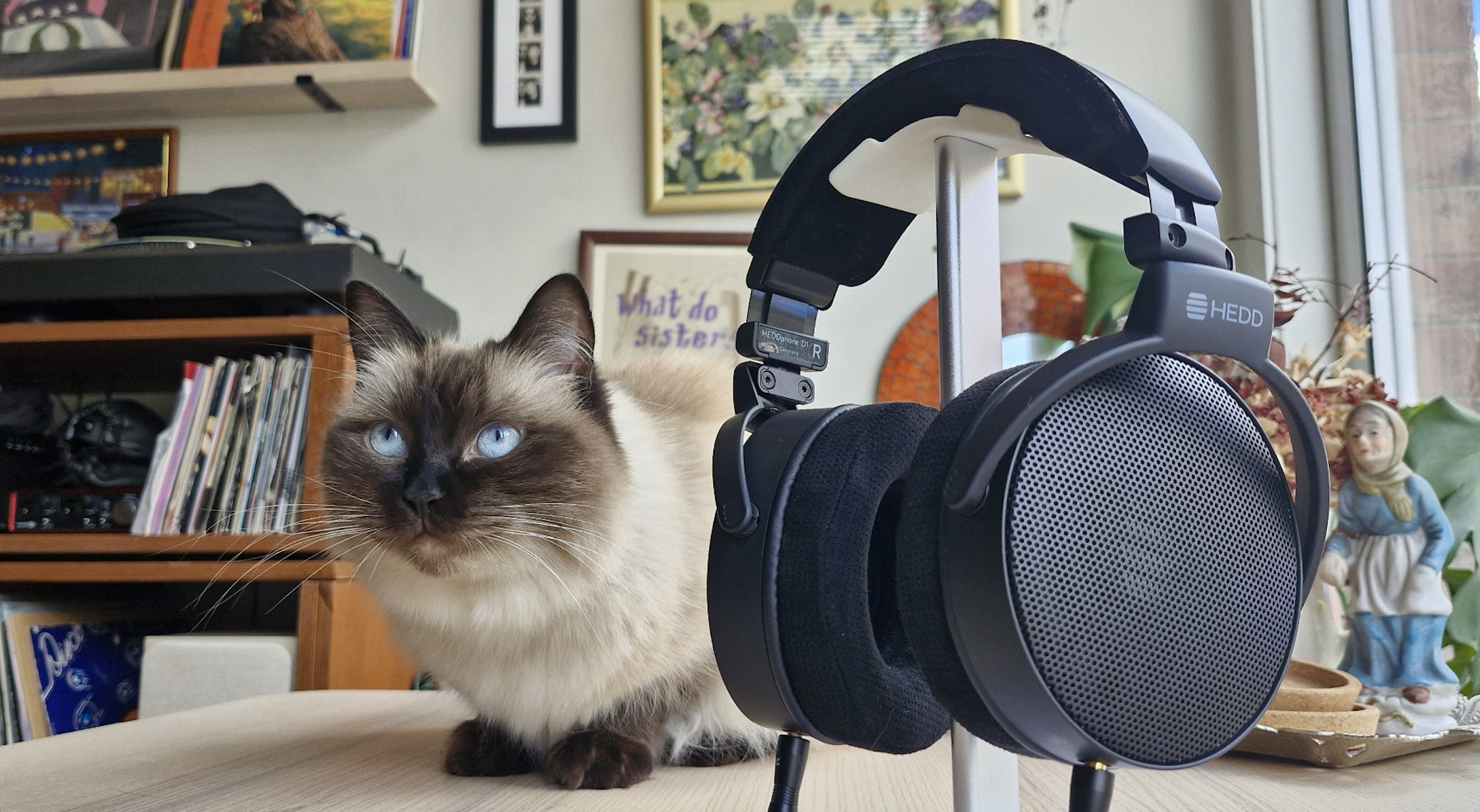
The HEDDphone D1 is more than just a new pair of headphones; it is a statement from a brand built on a legacy of audio innovation. By meticulously crafting dynamic drivers with proprietary Thin-Ply Carbon Diaphragm technology, HEDD has created a product that delivers astonishing sonic fidelity, exceptional comfort, and disruptive value. It confidently straddles the line between professional monitoring and pure audiophile enjoyment, offering a truly expansive and detailed soundstage that sets a new benchmark for its price category. The D1 stands as a testament to German engineering and a compelling option for anyone serious about sound, solidifying its place as one of the most exciting and essential audio products in recent memory.