Astell & Kern PD5 Review: High-End Sound Quality Meets Accessible High-Fidelity Engineering

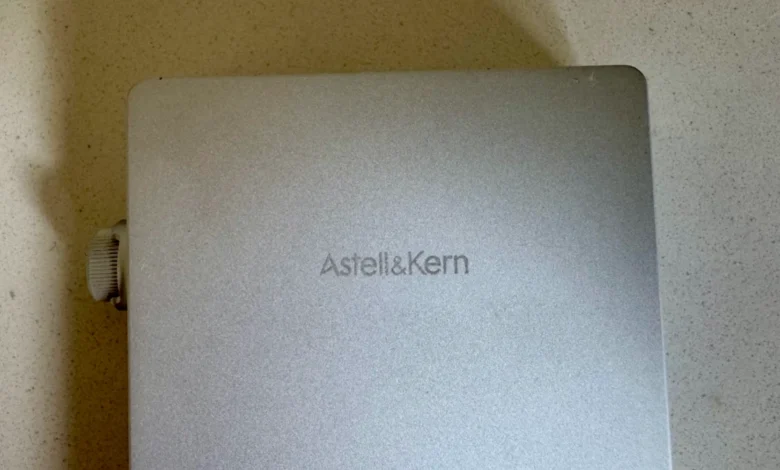
Astell & Kern, a manufacturer globally recognized for producing ultra-luxury digital audio players (DAPs) scaling into several thousand dollars, has introduced its latest portable high-resolution device, the Astell & Kern PD5. Positioned within the brand’s more accessible portfolio, the PD5 arrives with an international price point of £899 in the United Kingdom, $1,049 in the United States, and AU$1,349 in Australia. While these figures hardly align with mainstream consumer electronics, within the specialized realm of audiophile gear, they represent a significant step down from the company’s flagship A&ultima line, which routinely commands upwards of $3,999.
Main Facts and Hardware Specifications
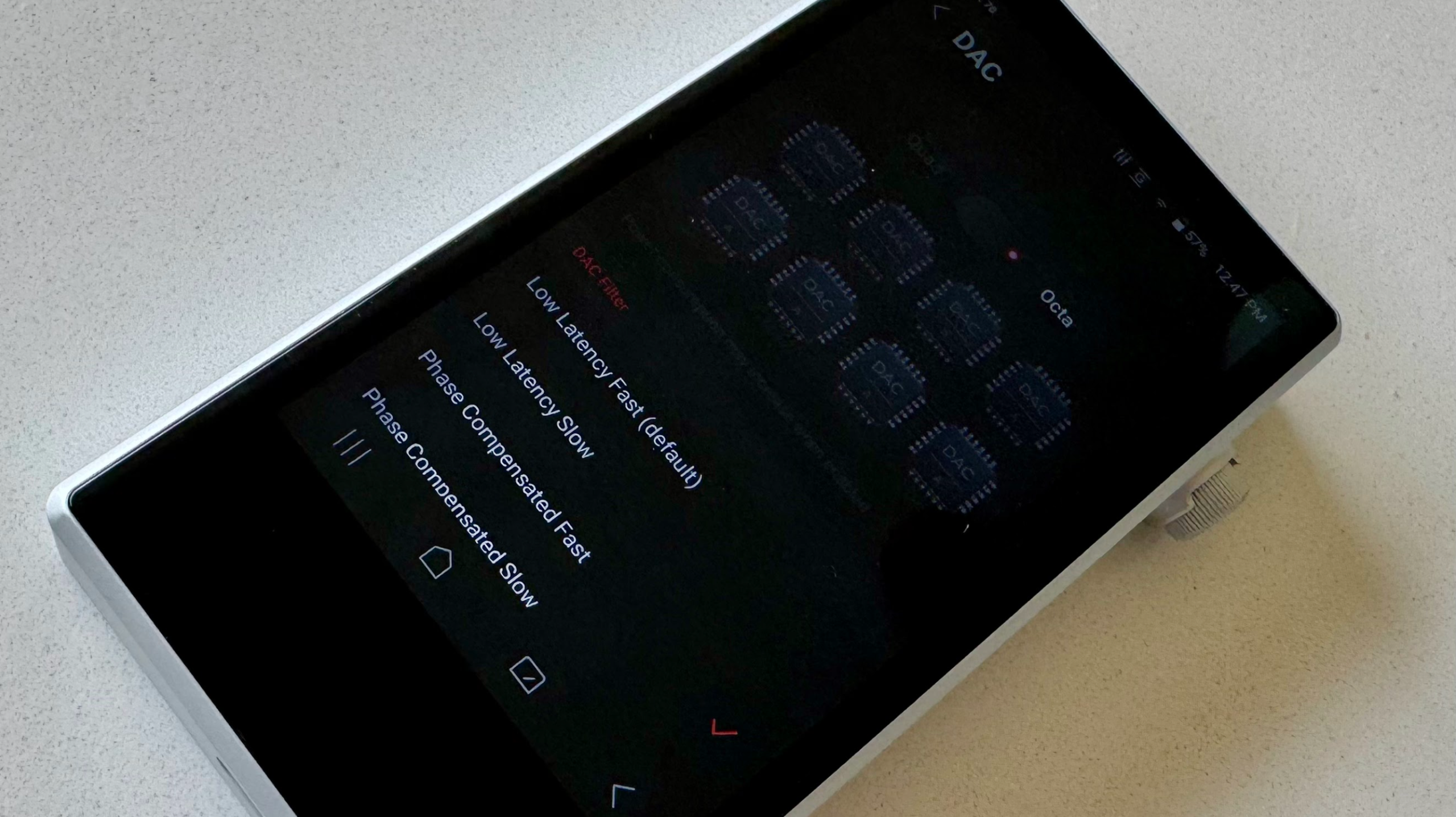
Despite its comparatively modest pricing structure within the Astell & Kern ecosystem, the PD5 spares virtually no expense when it comes to internal architecture and acoustic capabilities. The device is anchored by an array of eight Cirrus Logic CS43198 digital-to-analog converter (DAC) chipsets. Users are afforded the flexibility to operate the player using either four or all eight DACs, with the latter octa-mode delivering peak sonic performance at the expense of battery longevity—reducing playback time from approximately 28 hours down to 15 hours. A complete recharge cycle via USB-C requires roughly two and a half hours.
Storage capabilities include 64GB of internal flash memory, supplemented by a bottom-mounted microSD card slot capable of accepting media cards up to 1.5TB. This expansive storage provision easily accommodates large libraries of uncompressed and high-resolution audio files. The PD5 supports native playback resolutions of up to 32-bit/384kHz PCM and DSD256. Furthermore, the unit is fully Roon Ready, features integrated Qobuz Connect, and supports Bluetooth 5.3 connectivity with high-resolution codecs including aptX HD.
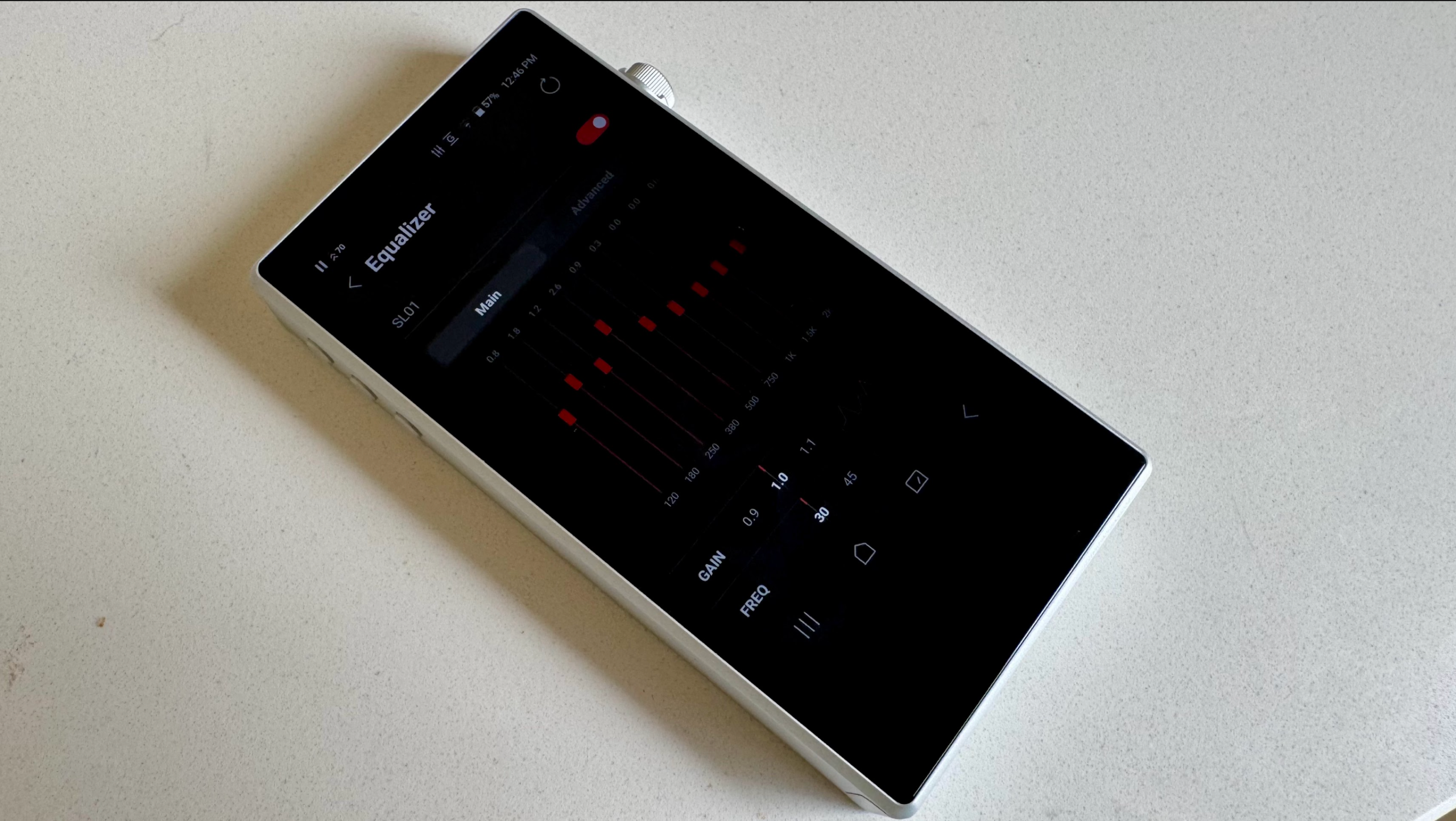
For wired listening, the player is equipped with both a standard 3.5mm unbalanced headphone jack and a 4.4mm balanced output. When paired with the 4.4mm balanced connection and run in octa-DAC mode, the PD5 is capable of outputting a massive 8Vrms of power, allowing it to easily drive demanding, high-impedance headphones that typically require dedicated desktop amplification.
Design Philosophy and Industrial Aesthetics
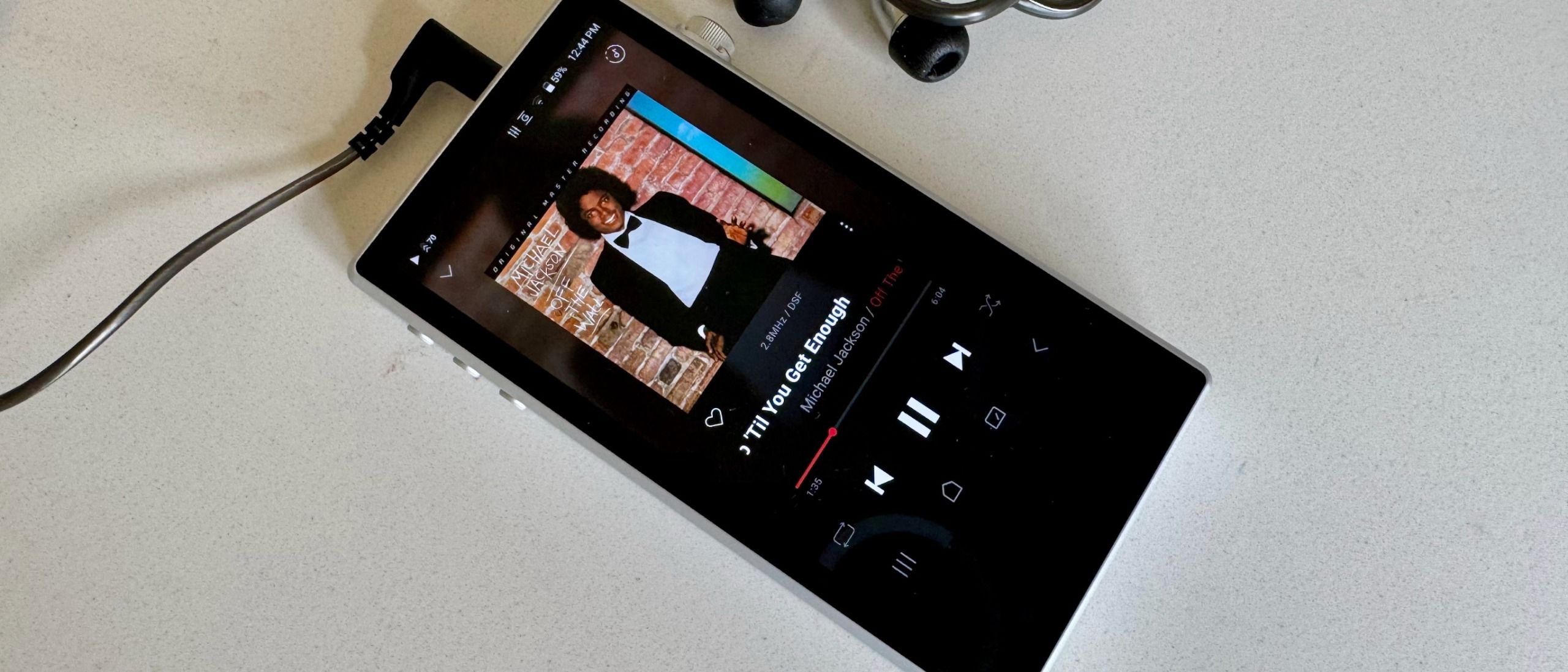
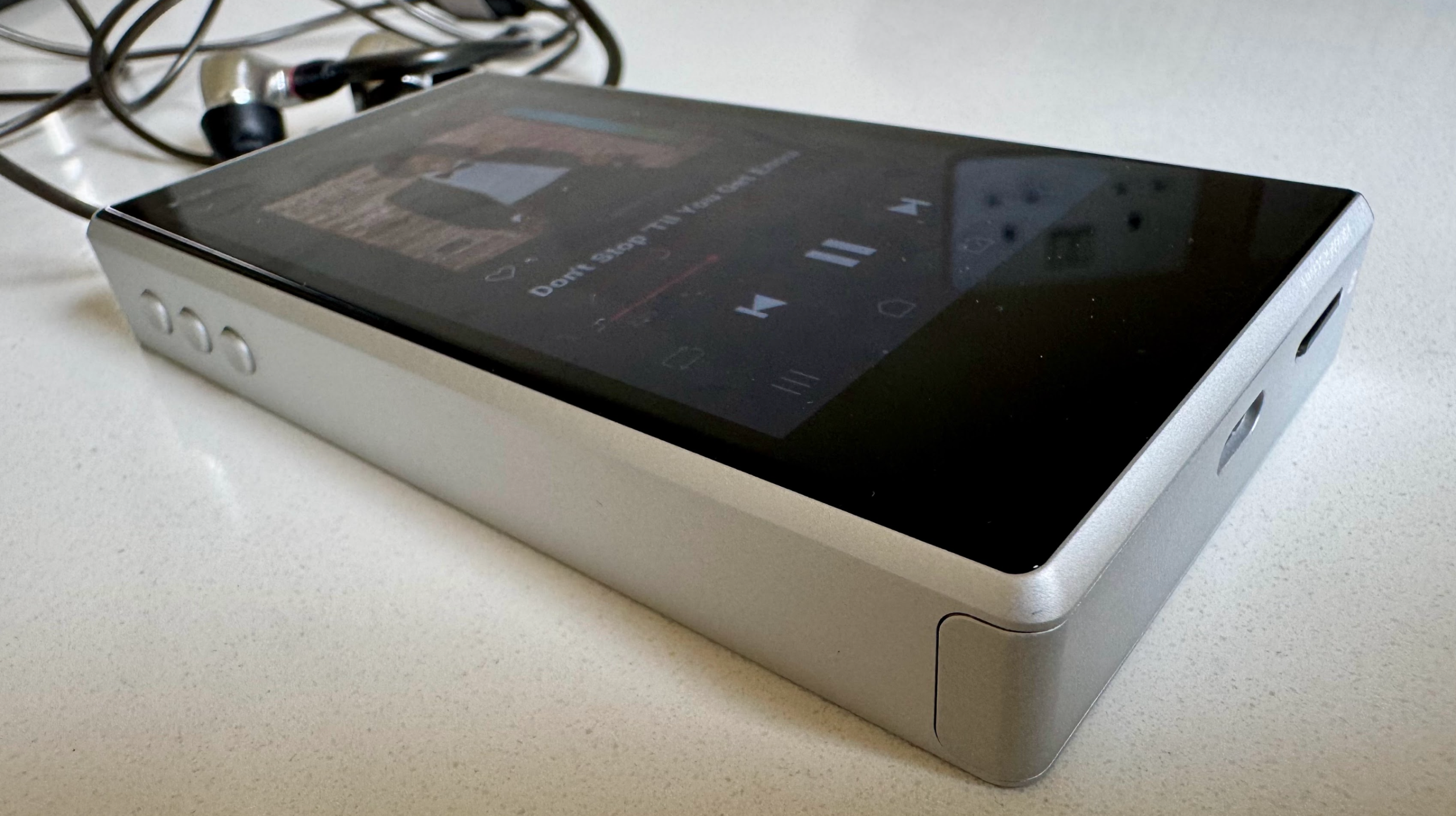
Measuring in at a pocket-friendly size with a robust tactile weight, the physical construction of the PD5 reflects typical Astell & Kern build quality standards, prioritizing a clean finish over flashy aesthetics. However, the device diverges significantly from the brand’s historical design language. Eschewing the sharp, angular geometric edges and aggressively offset touchscreens found on legacy models like the SR35, the PD5 adopts a much more subdued, utilitarian appearance.
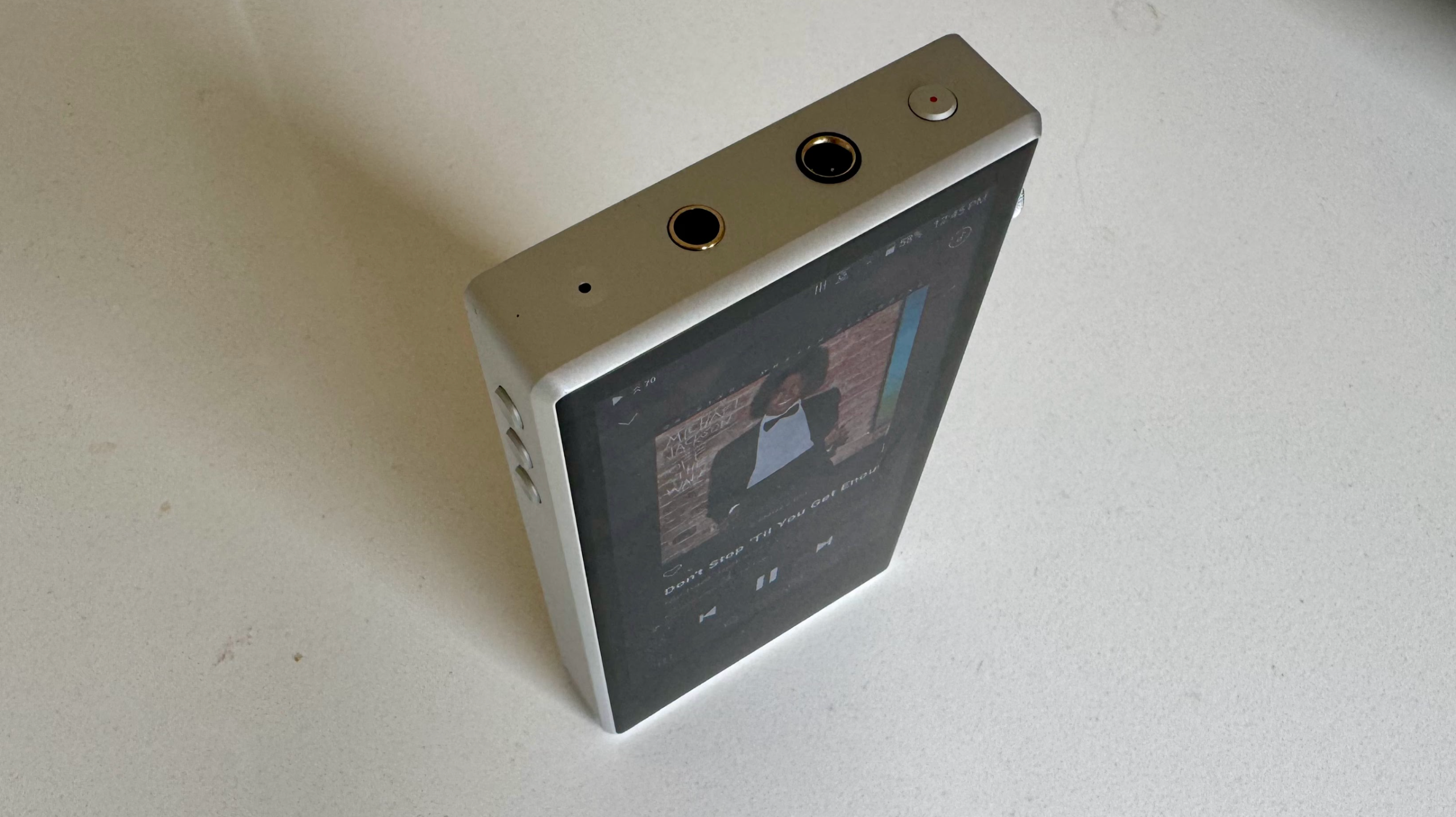
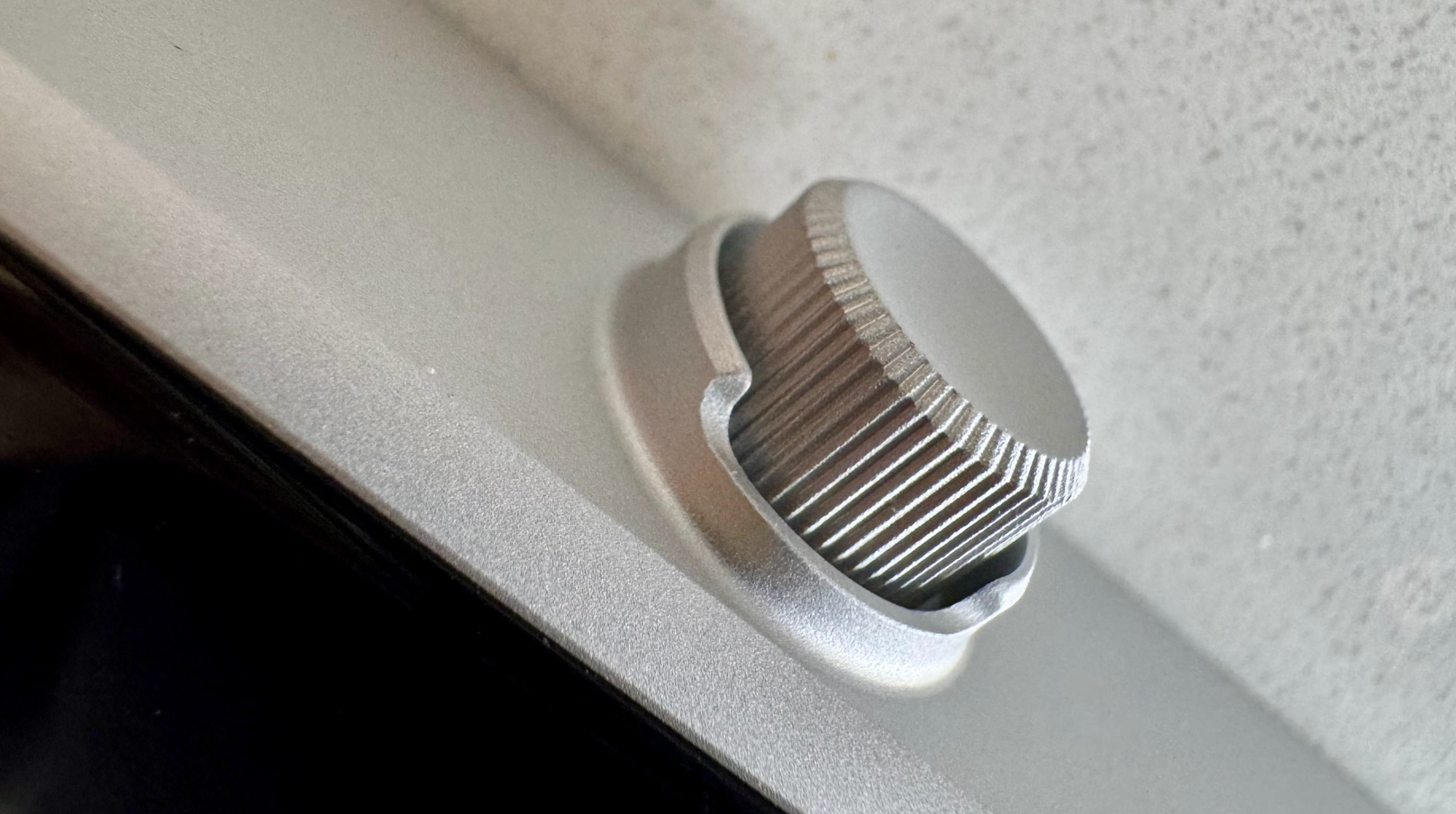
The device features a 4.1-inch touchscreen running a stripped-back, highly specialized iteration of the Android operating system. By removing extraneous smartphone applications and background services, Astell & Kern has optimized system resources directly for audio processing. Nonetheless, the high density of configuration menus results in exceptionally small interface fonts, requiring careful navigation. Physical controls, including the volume wheel, are similarly understated, departing from the prominent design flourishes that traditionally marked high-end Astell & Kern hardware.
Audio Performance and Acoustic Evaluation
The definitive justification for the PD5’s four-figure price tag lies entirely within its acoustic performance. Evaluated with reference-grade wired gear—such as Sennheiser IE900 in-ear monitors and Meze Audio headphones utilizing 4.4mm balanced connections—the PD5 delivers exceptional clarity, tonal neutrality, and dynamic range.
When fed CD-quality 16-bit/44.1kHz streams or high-resolution DSD files, the player constructs a remarkably wide, precisely mapped soundstage. Background noise is virtually nonexistent, providing a pitch-black acoustic canvas against which transient details, instrumental textures, and complex vocal harmonies are rendered with fanatical precision. Low-frequency response is deep, authoritative, and rigorously controlled, while the midrange and high frequencies maintain a natural balance without artificial brightness or coloration.
Beyond its portable applications, the PD5 doubles as a high-performance desktop USB DAC. By connecting the device directly to a laptop or computer via its USB-C port and selecting the appropriate input mode, users can bypass standard computer audio architecture, leveraging the player’s octa-DAC array to significantly elevate desktop playback fidelity.
Usability, Software Quirks, and Market Context
While the acoustic output is difficult to fault, the software experience introduces minor friction. The stripped-back Android interface successfully minimizes resource overhead, but occasional operational glitches have been documented. For instance, simultaneous playback from local storage and streaming applications like Tidal can occasionally overlap, requiring manual intervention to isolate audio sources. Additionally, the screen’s reflectivity and diminutive menu text can complicate navigation in bright lighting conditions.
In the broader context of the portable high-resolution audio market, the PD5 competes directly with established alternatives such as the FiiO M23. While competitors often offer more versatile feature sets or bolder industrial designs, the PD5 distinguishes itself through sheer engineering focus on digital-to-analog conversion purity and amplification headroom.
Broader Implications and Industry Impact
The release of the Astell & Kern PD5 underscores a broader industry trend toward bridging the gap between ultra-premium desktop systems and portable audiophile setups. By packing eight DACs and desktop-class amplification into a portable chassis priced around the thousand-dollar mark, manufacturers are targeting enthusiasts who demand uncompromised fidelity without investing in stationary component stacks.
For consumers possessing high-end wired headphones and access to lossless streaming ecosystems, the PD5 offers a rewarding, highly capable listening solution. While its understated appearance and minor software quirks prevent it from being a universal consumer device, its performance-first engineering philosophy secures its position as a formidable contender in the high-end personal audio landscape.