Timekettle LiveTalk AI Translation Earbuds Review: Bridging the Language Barrier with a Catch

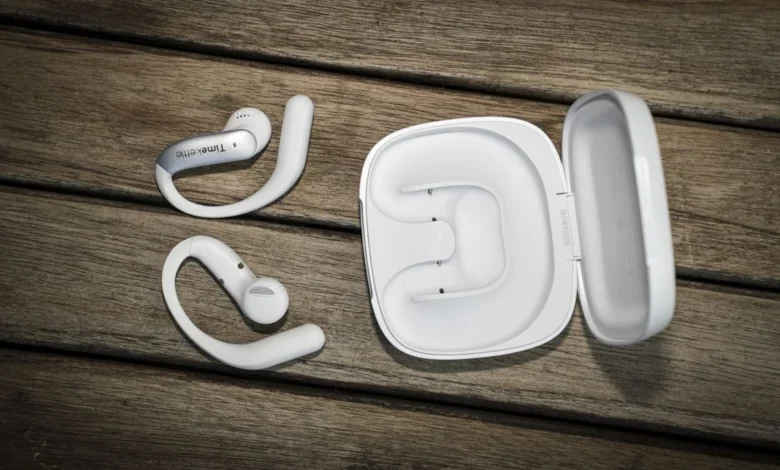
The global market for wearable translation technology has long chased the elusive promise of the "Babel fish"—a device capable of rendering real-time, completely seamless audio translation that allows two people speaking entirely different languages to converse as effortlessly as if they shared a native tongue. Entering this fiercely competitive landscape is the Timekettle LiveTalk AI Translation Earbuds, retailing at £129. Powered by the proprietary Babel OS 3.0 AI translation engine, these open-ear hook style earbuds support 54 languages, 108 regional accents, and 25 offline language pairs. While they deliver impressive speech-to-text speeds and high-quality hardware design, a noticeable latency in audio translation highlights the ongoing technical hurdles facing real-time communication devices.
Hardware Design and Technical Specifications
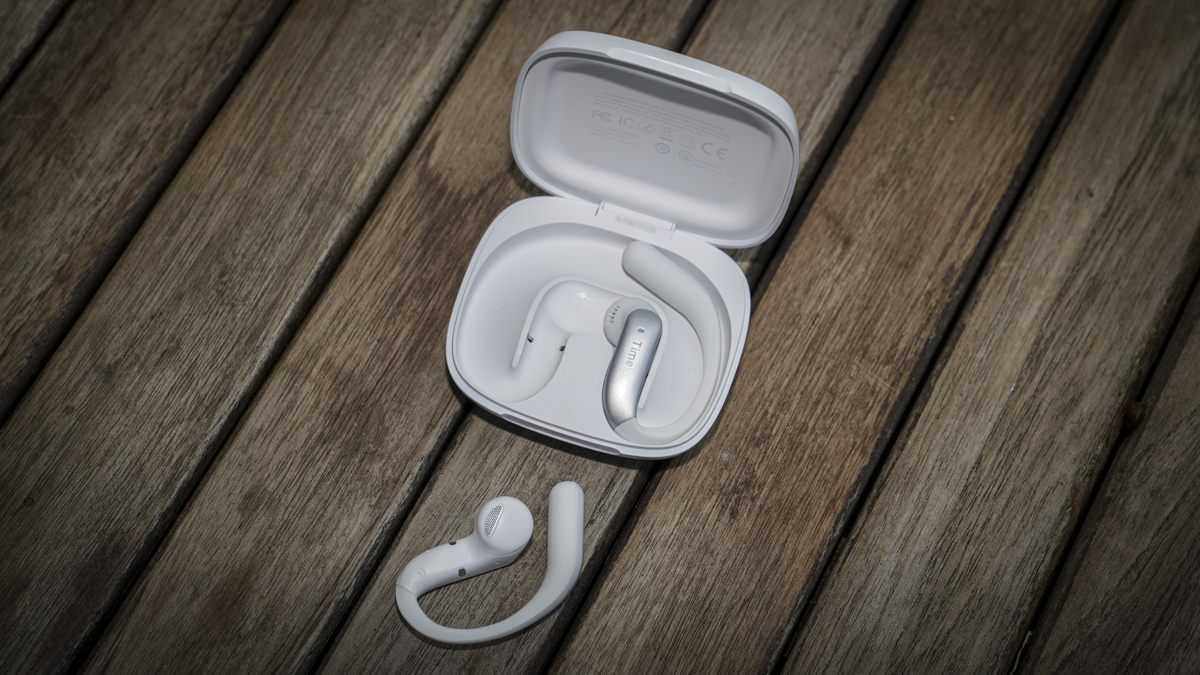
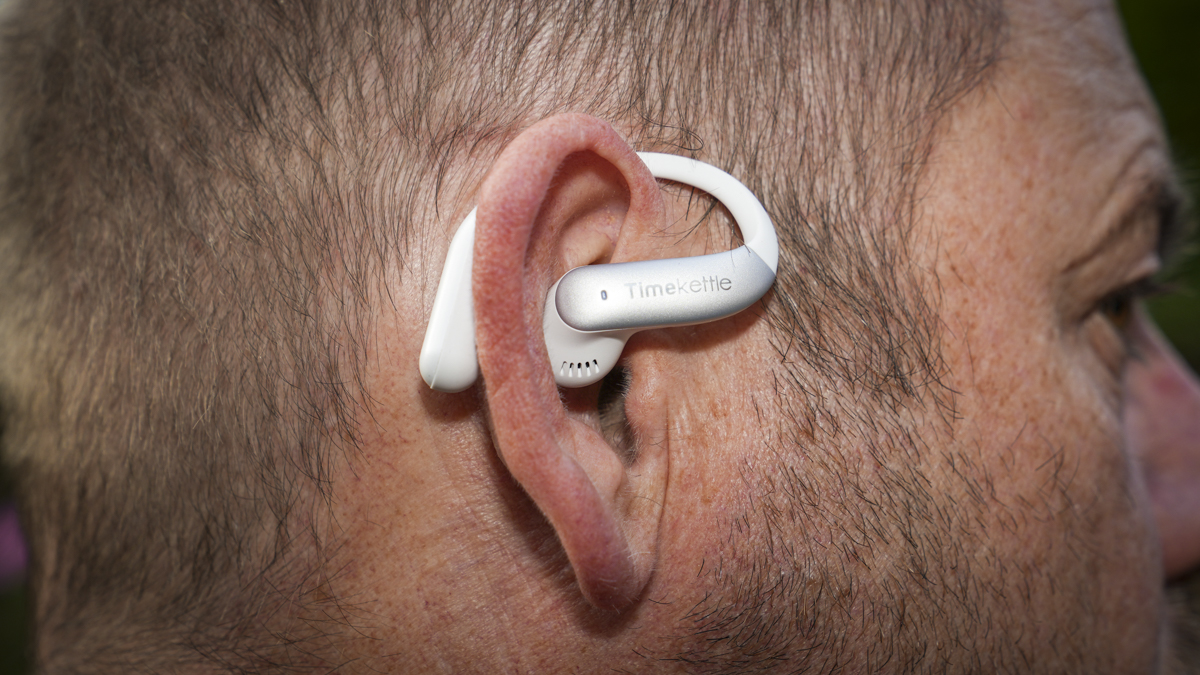
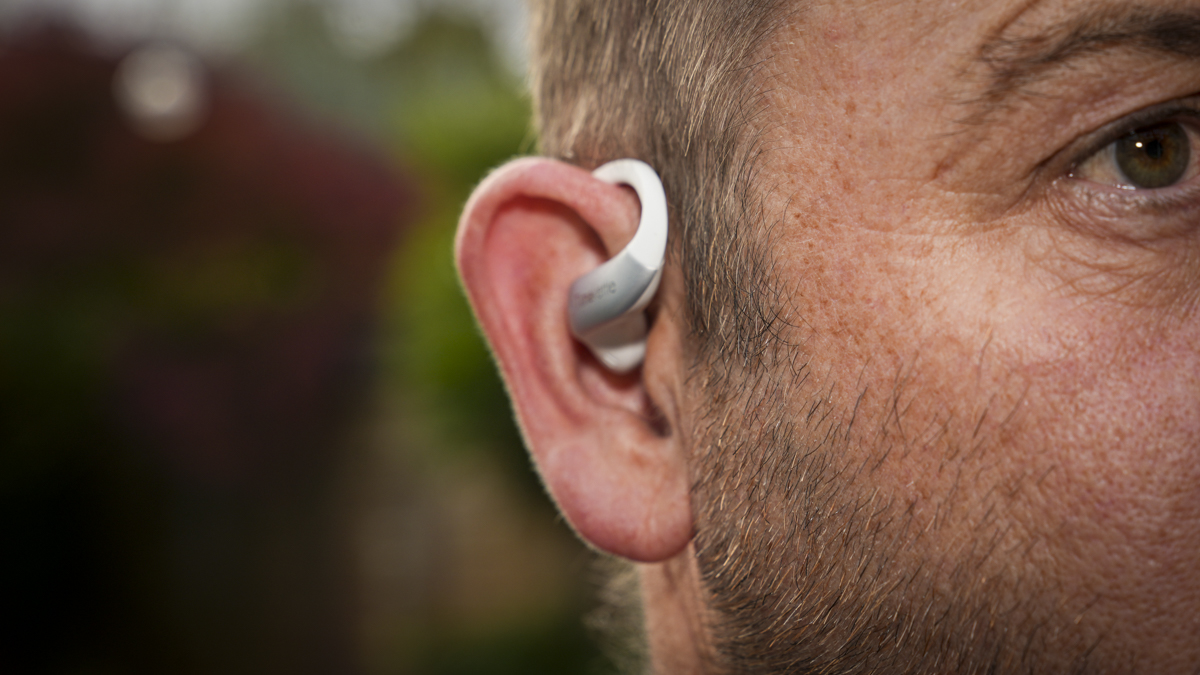
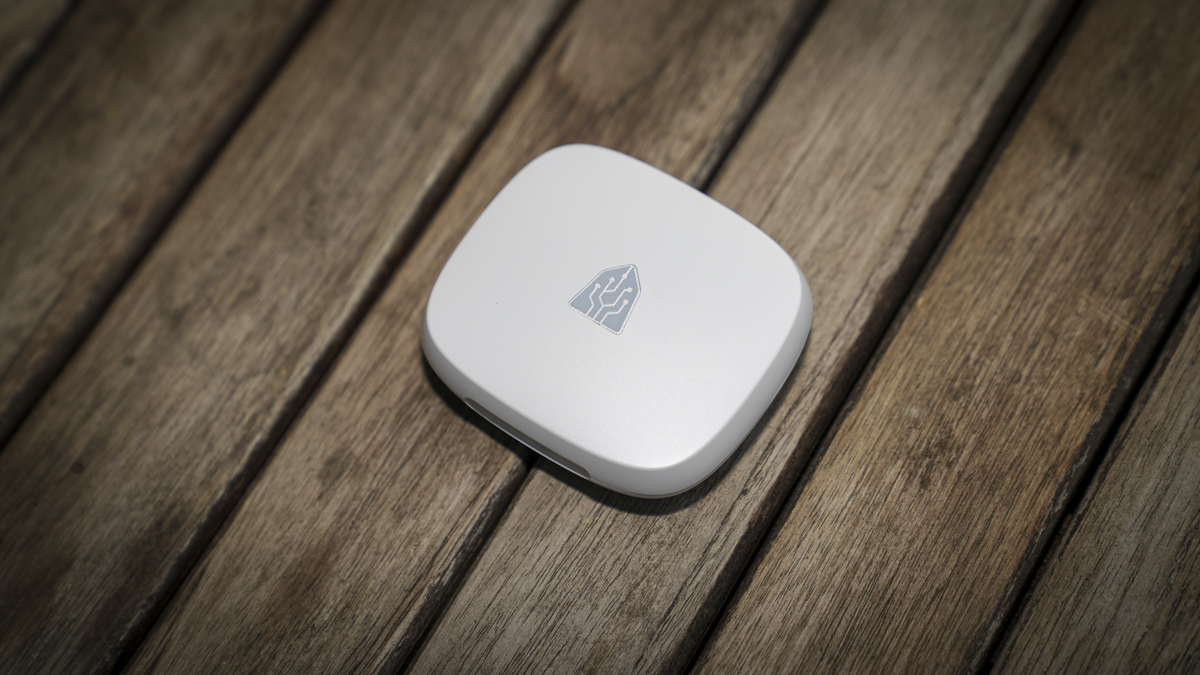
Weighing just 6.9 grams per earbud, the Timekettle LiveTalk units prioritize all-day comfort through an open-ear hook design. Unlike traditional in-ear monitors that block the ear canal, this architecture leaves the ear open to ambient sounds, making them practical for professional environments where spatial awareness is necessary. The hardware is housed in a compact Star Silver charging case measuring 65 x 74 x 22 mm and weighing 78 grams, featuring a sturdy magnetic clasp and a single USB-C charging port.
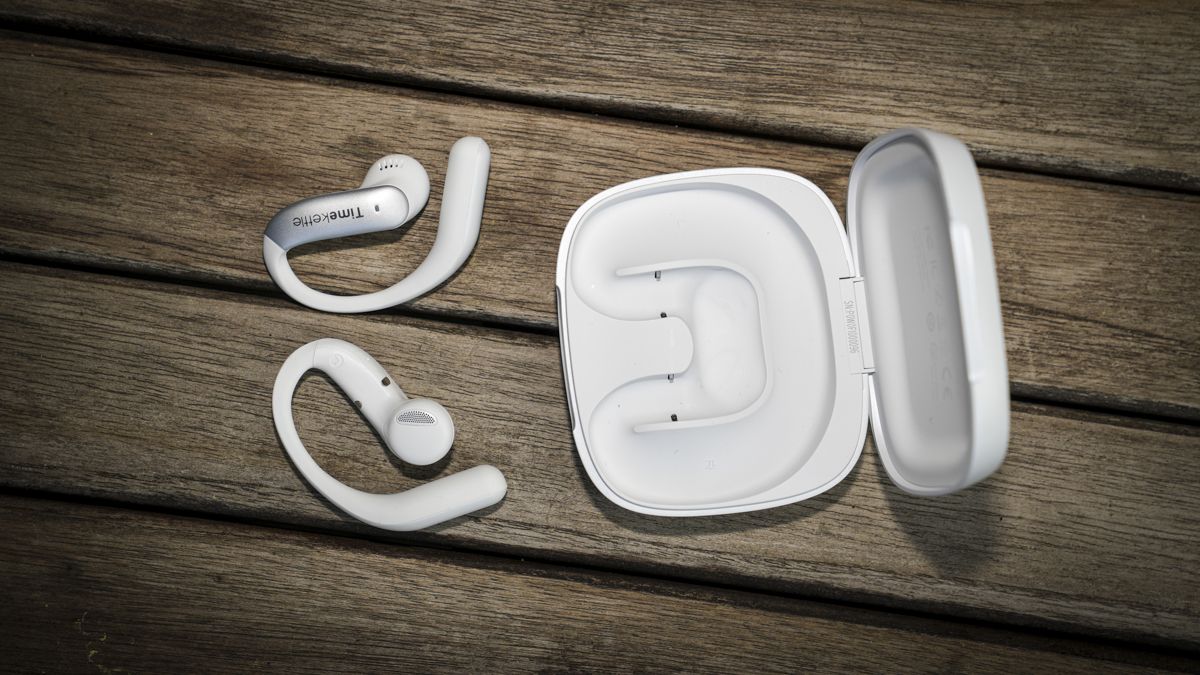
Underneath the exterior, the earbuds feature dual-microphone air-conduction voice pickup paired with a dedicated translation equalization profile. Connectivity is managed via Bluetooth with dual-device support, enabling simultaneous pairing to a smartphone and a computer. Battery performance is robust: a single charge delivers up to eight hours of music playback or four hours of dedicated translation. The charging case extends total operational time up to 35 hours, with a quick 10-minute charge providing approximately 2.5 hours of additional use. Beyond translation, users can access six built-in music EQ presets through the companion Timekettle app, ensuring the device functions as an all-day audio accessory rather than a single-use tool.
The Four Translation Modes and Operational Workflow
Operation of the LiveTalk earbuds relies heavily on the Timekettle companion application, which divides functionality into four distinct scenarios: Face-to-Face, Live Listening, Voice Call Translation, and Multimedia Translation.
Setting up the device requires downloading the app, pairing via Bluetooth, and selecting the appropriate translation context. Users must manually initiate the process by tapping an on-screen play button within the app, a workflow that streamlines data routing once mastered.
- Face-to-Face Mode: Designed for one-on-one dialogues, this mode allows two participants to either share a pair of earbuds—each wearing one—or use a combination of an earbud and the smartphone screen.
- Live Listening Mode: Targeted at lectures, conferences, and seminars, this mode streams translated audio or text directly to the user, allowing them to focus on a speaker or presentation.
- Voice Call Translation: Integrated with VoIP applications such as Zoom, Microsoft Teams, and FaceTime, this setting facilitates translated remote communications.
- Multimedia Translation: Tailored for online video consumption, this mode translates foreign-language media dynamically.
Performance Analysis: Speed versus Latency
Real-world testing reveals a distinct performance divide between text transcription and audio translation. Speech-to-text translation operates with near-instantaneous speed, generating bilingual transcriptions on the smartphone screen rapidly when connected to a strong Wi-Fi or mobile data network.
However, speech-to-audio translation introduces a measurable delay averaging approximately seven seconds. In Face-to-Face mode, this latency transforms natural conversation into a stop-and-start exchange. When speaking continuously for more than five to six seconds, the translation catches up to the speaker, creating a cognitive overload where the user hears the foreign source audio and the translated output simultaneously.
In noisy environments such as crowded cafés, the dual-microphone array occasionally picks up extraneous background voices, reducing translation accuracy. Conversely, in controlled settings like lectures or business presentations, the seven-second audio delay proves less disruptive, as the listener’s focus remains fixed on the primary speaker.
Multimedia and Conferencing Capabilities
Testing the Multimedia Translation mode with foreign-language video content on platforms like YouTube demonstrates both the potential and limitations of the hardware. While the text translation appears almost instantly, the audio translation lags by seven seconds, causing the video’s visual action to outpace the translated dialogue. Furthermore, balancing audio streams requires manual adjustments; because initial firmware configurations route original media audio and translated audio concurrently, users must adjust system volume levels to prevent the source language from drowning out the translated voice.
Additionally, the system utilizes a single synthesized voice profile for audio output. When a video features multiple speakers, the lack of distinct voice modulation makes it difficult to differentiate participants solely by ear. Consequently, users watching complex multimedia dramas may still find traditional subtitles more effective.
Subscription Tiers and AI Features
The Timekettle LiveTalk operates on a freemium model. The base purchase includes access to all four translation modes with a complimentary tier of 200 translation minutes per month. For professional users requiring extended utilization, paid subscription tiers include an Unlimited Plan priced at £9.99 per month or an annual option at £99.99 per year.
The integration of Babel OS 3.0 brings automated language detection, offline translation packs for 25 language pairs, and AI-generated meeting summaries. While the primary translation and key-point extraction functions operate reliably, advanced AI meeting minutes occasionally return generation errors during complex discussions.
Comparative Market Position and Industry Implications
Positioned against free alternatives like Google Translate, the Timekettle LiveTalk earbuds command a financial investment of £129 alongside subscription considerations for heavy professional use. While Google Translate offers comparable translation accuracy and free access, the LiveTalk ecosystem provides distinct structural advantages, including a more intuitive mobile interface, faster text transcription speeds, and dedicated physical hardware optimized for hands-free listening.
The commercial implications of such translation wearables point toward a growing niche in international business travel, diplomacy, and multilingual education. While consumer technology has not yet achieved the instantaneous, frictionless interpretation promised by science fiction, devices like the LiveTalk represent a significant evolutionary step. They successfully bridge the gap between traditional manual translation apps and integrated wearable technology, offering robust utility for professionals navigating foreign-language environments where continuous, hands-free transcription outweighs the friction of minor audio delays.