Remedy Entertainment has built a formidable reputation on crafting mind-bending, atmospheric paranormal thrillers that challenge the conventions of traditional game design. From the shifting, brutalist corridors of the Oldest House in 2019’s critically acclaimed Control to the surreal psychological depths of Alan Wake 2, the studio has consistently pushed narrative and environmental boundaries. With the release of Control Resonant on September 24, 2026, across PlayStation 5, Xbox Series X|S, and PC, Remedy has taken a monumental creative risk. Abandoning the confined, semi-linear, third-person shooter mechanics of its predecessor, the studio has transformed its occult universe into a sweeping, melee-focused open-world adventure. Reviewing the Xbox Series X version over a comprehensive 25-hour playthrough reveals a title that successfully redefines the franchise’s scope, even as it grapples with early-game combat friction.
The Evolution of the Franchise: Shifting Paradigms
For longtime fans, the transition from Control to Control Resonant bears a striking resemblance to the architectural leaps seen in recent industry blockbusters, such as the shift from Final Fantasy 7 Remake to Final Fantasy 7 Rebirth. The original title relied heavily on claustrophobic, brutalist interior design, positioning players as Jesse Faden navigating the bureaucratic nightmares of the Federal Bureau of Control (FBC) using a versatile service weapon.
Resonant discards this confined framework entirely, setting its narrative in an otherworldly, kaleidoscopic vision of Manhattan. Rather than operating as a third-person shooter, the sequel reinvents itself as a close-quarters melee action game. This stylistic pivot injects fresh energy into the intellectual property, though it also introduces pacing hurdles for players accustomed to ranged gunplay. Despite these mechanical adjustments, the game retains the eerie, reality-warping tone that fans expect, expanding the lore of the interconnected Remedy Connected Universe with confidence and ambition.

Narrative Depth and Character Dynamics
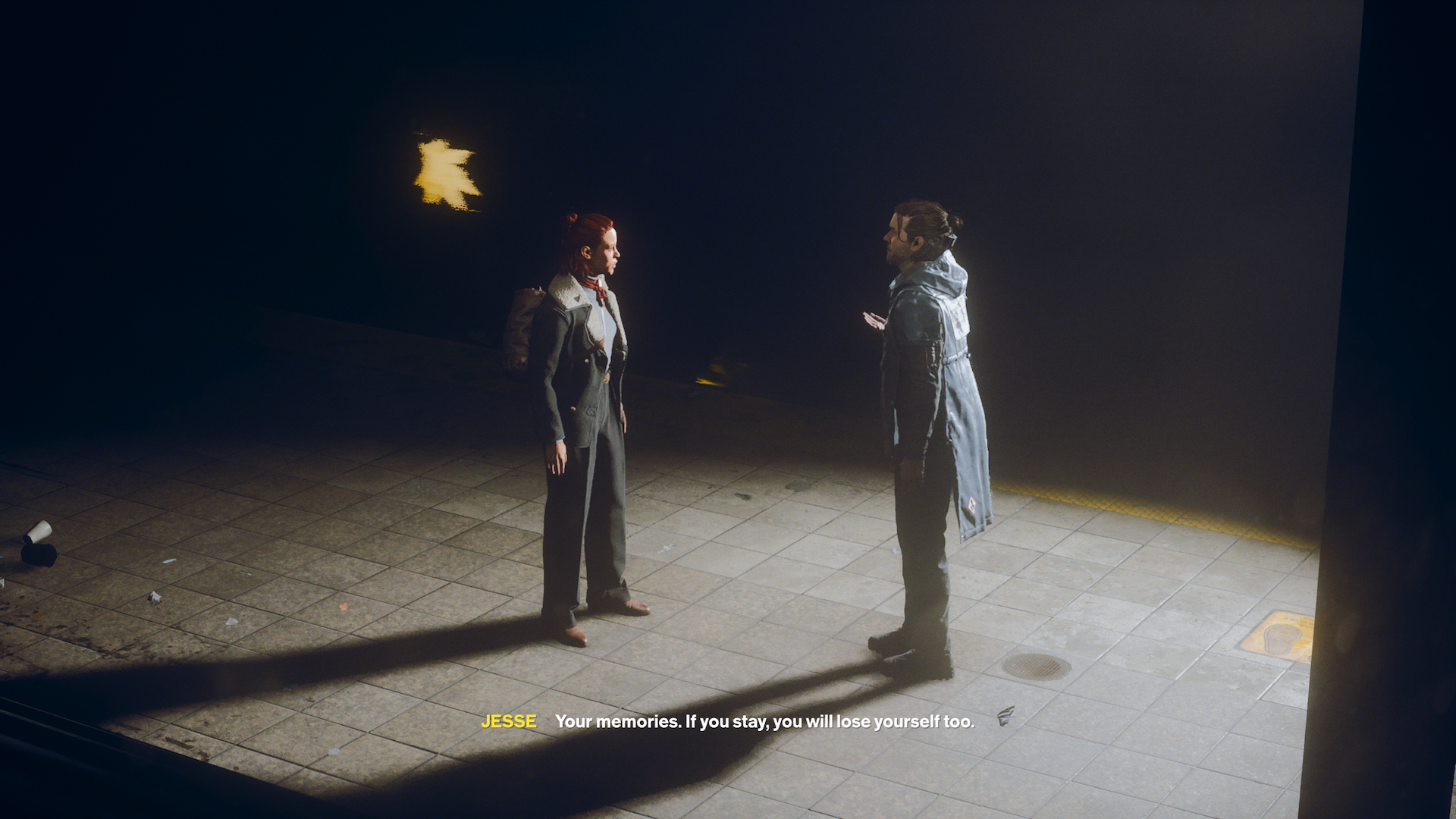
At the heart of Control Resonant is a profoundly personal narrative that elevates the storytelling standards set by the first game. Players step into the shoes of Dylan Faden, the brother of the original protagonist Jesse. Having been largely freed from the malevolent influence of the Hiss entity toward the conclusion of the previous installment, Dylan now faces a harrowing new reality: Jesse has vanished somewhere within the distorted, supernatural confines of alternate Manhattan.
The sibling bond between Dylan and Jesse serves as an emotional anchor, driving the campaign forward with a sense of urgency and vulnerability that was occasionally overshadowed by abstract lore in the original title. Exploration of their childhood through main mission sequences grounds the surreal sci-fi elements in genuine emotional stakes. Furthermore, the supporting cast is kept purposefully lean to maintain focus on Dylan’s psychological recovery and redemption.
Zoe De Vera acts as Dylan’s initial handler within the altered cityscape. Their dynamic evolves organically from a transactional relationship—where Zoe views Dylan merely as a specialized asset to combat lingering Hiss threats—into a nuanced partnership, highlighted by moments of unexpected levity, such as discussions regarding Dylan’s musical preferences. Meanwhile, the return of Emily Pope provides a vital narrative linchpin. Having aided Jesse throughout the events of Control, Emily becomes a trusted confidante for Dylan, offering historical context, operational support, and a steady stream of hope that he will ultimately reunite with his sister. These interpersonal connections ensure that Resonant avoids the isolation that occasionally characterized the first game.
The narrative also excels in its incorporation of sci-fi and occult tropes. A standout main quest involves investigating a missing expeditionary crew, utilizing concepts of time dilation and fractured alternate timelines to grip the player’s attention. These moments reinforce the game’s ambition to deliver a story that is as intellectually stimulating as it is emotionally resonant.
Open-World Exploration and Traversal Mechanics
Moving from an enclosed environment to a fully realized open world is fraught with the danger of map bloat and aimless wandering. However, Resonant avoids these pitfalls through exceptional art direction and dynamic traversal systems. The distorted, parallactic Manhattan is an absolute visual treat, offering striking vistas that encourage proactive exploration.
Central to traversing this surreal urban landscape are "Faults"—specialized narrative-driven zones where echoes and remnants of Jesse reside. While light on combat, these areas offer deep exposition regarding the siblings’ past. Completing them rewards Dylan with revolutionary movement capabilities, including the ability to manipulate his personal gravitational orientation—turning adjacent walls into viable floors—and a unique traversal tool functioning as an invisible magnetic tether that pulls him across chasms and up sheer architectural faces.
The game also draws structural inspiration from titles like Elden Ring, scattering formidable optional bosses known as "Resonants" across the map. Defeating these encounters yields critical offensive upgrades, allowing players to tailor Dylan’s combat repertoire. This open-ended design philosophy ensures that if a player hits a wall against a primary story boss, they can retreat into the open world, complete side activities, strengthen their character, and return with an expanded arsenal.
Side activities further enrich the world by grounding its paranormal absurdity in surprisingly human stories. One multi-part side quest requires Dylan to assist a displaced citizen by playing a game of "spot the difference" with alternate-dimension taxi cabs to secure a safe return home. Another involves tracking down a colleague’s invisible cat, which culminates in a humorous and surprisingly useful feline assist during a subsequent mini-boss engagement. These interactions highlight Dylan’s altruism and his internal drive to atone for past actions, rewarding the player with substantial experience points and crafting ingredients.

Combat Mechanics and Early-Game Friction
The most controversial shift in Control Resonant will undoubtedly be its combat system. Abandoning ranged firearms in favor of close-quarters melee action, the game centers its core loop around staggering foes to execute high-damage finishers. Successfully executing an enemy triggers "Dominance," a temporary state that exponentially increases Dylan’s attack velocity and power, turning encounters into fast-paced spectacles.
However, the execution of this system suffers from a frustrating early-game barrier. Dylan utilizes a morphing weapon known as the Aberrant, which can be configured for light and heavy attack profiles. Upon starting the game, players are restricted to a single configuration, with alternative forms locked behind material gathering and progression milestones.
Players who select a heavy weapon archetype that does not align with their preferred playstyle face an uphill battle. While reset points are available to reallocate abilities, they are not free, actively discouraging experimentation during the critical opening hours. For instance, choosing a heavy spear yields disappointing crowd-control results, making standard enemies feel excessively spongy and durable.
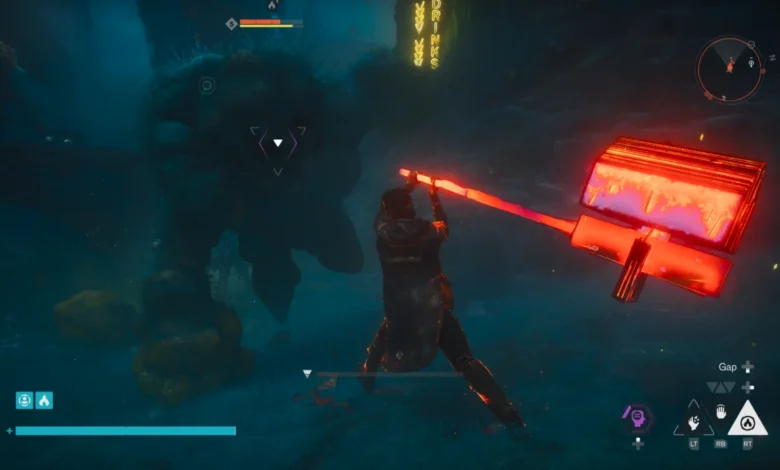
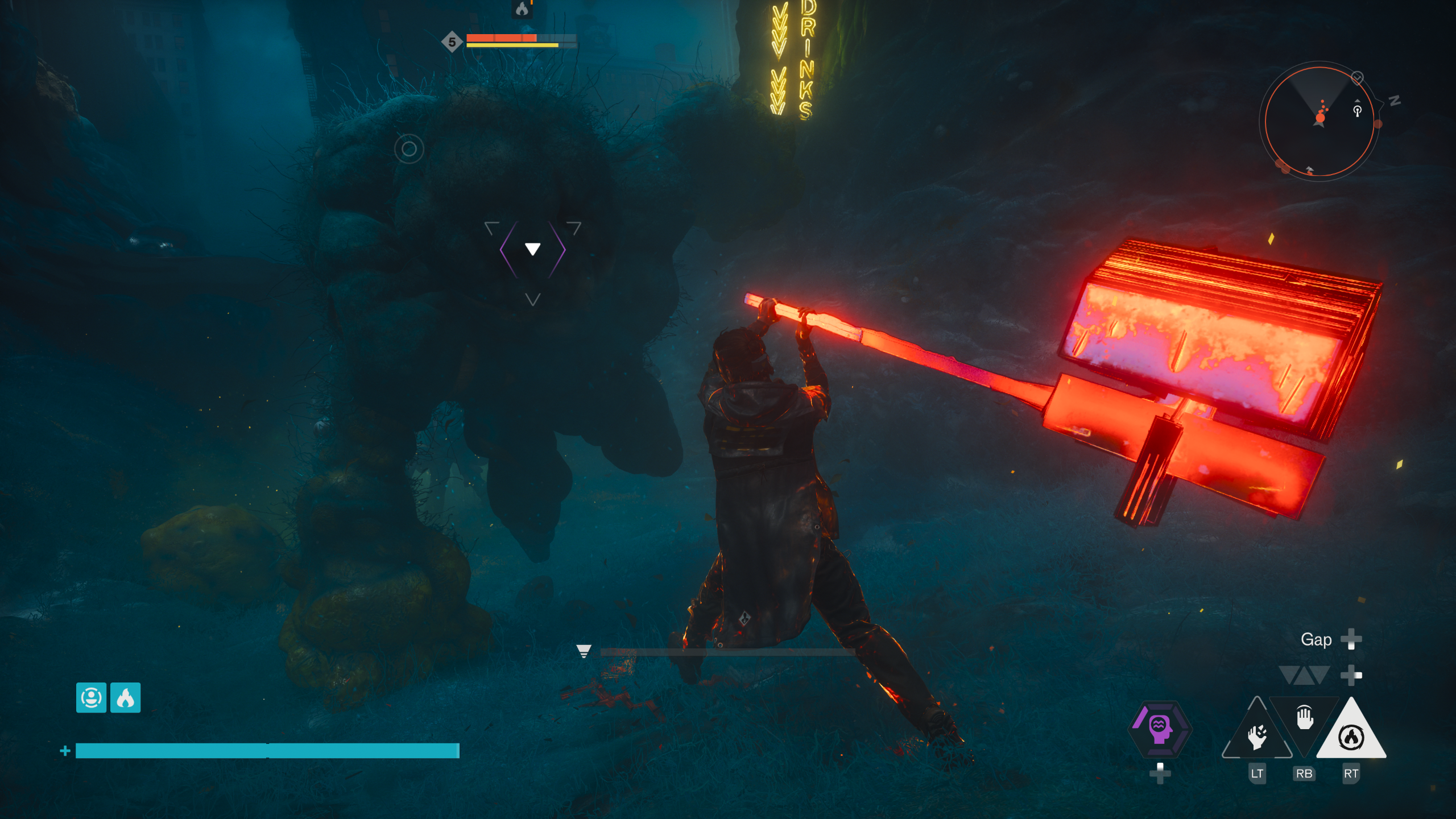
Combat fluidity improves dramatically once players secure build flexibility and defeat key encounters, such as the giant fire Resonant. This victory unlocks the ability to wreathe weapons in flame, permanently increasing damage and stagger output. Once multi-target scythe-like glaives and heavy hammers are properly optimized with elemental buffs, the combat blossoms into a frenetic, deeply satisfying dance of destruction. Yet, reaching this mechanical sweet spot requires patience through a demanding initiation period.
Accessibility and Technical Performance
Remedy Entertainment has equipped Control Resonant with an industry-leading suite of accessibility options. Beyond standard adjustments for text, subtitles, and colorblindness, the game features a comprehensive Assist mode. Players can freely customize parameters such as Power meter replenishment rates, toggle invincibility, or activate a one-hit-knockout option that applies to standard foes and bosses alike. Crucially, none of these accessibility modifications restrict or disable achievement tracking, ensuring all players can experience the narrative on their own terms.
Tested on the Xbox Series X, the title maintains a stable performance profile, exhibiting fluid frame rates and crisp visual fidelity across its diverse environments. Load times are minimal, and the seamless transition between open-world traversal and combat encounters highlights the technical competence underlying Remedy’s Northlight engine adaptation.
Broader Industry Implications and Final Verdict
Control Resonant represents a bold evolution for Remedy Entertainment, proving that established franchises can successfully pivot genres without losing their foundational identity. By trading the linear, shooter-centric corridors of the Federal Bureau of Control for the sprawling, gravity-defying expanse of an alternate Manhattan, the studio has forged an adventure that rewards curiosity, rewards strategic adaptation, and delivers a deeply emotional sibling narrative.

While its early-game combat friction and sponge-like enemies demand perseverance, the ultimate payoff is a rich, memorable journey through the paranormal. For fans of action-adventure titles, open-world exploration, and rich sci-fi storytelling, Control Resonant stands as an essential addition to the current console generation’s library—an excellent adventure well worth getting lost in.