Nothing Ear (3a) Earbuds Spark Privacy Concerns with Covert Call Recording Feature Amidst Mixed Reception

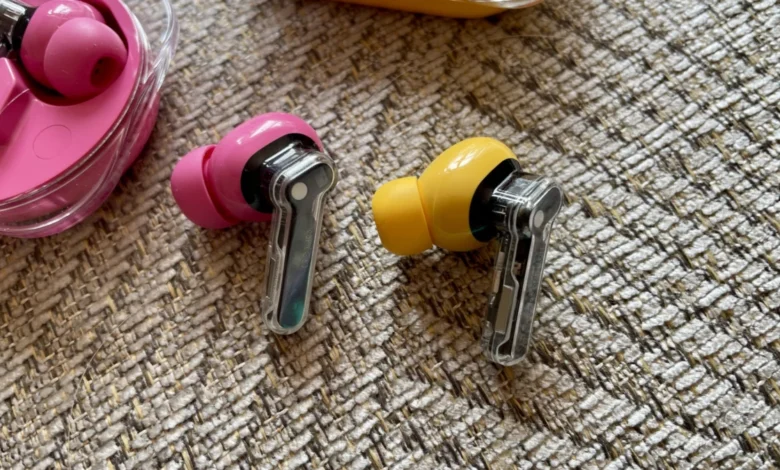
Nothing’s latest affordable earbud offering, the Ear (3a), has entered the market priced at $99 / £99, succeeding the well-received Nothing Ear (a) from 2024. Positioned to appeal to a "young, creative, and engaged" demographic with a "sense of play," the new model introduces several updates, including a pink colorway, a larger 12mm driver, and an updated case design. However, the standout — and most controversial — features are "Audio Snapshot" and "Call Recording," which allow users to discreetly capture and transcribe conversations. This functionality has ignited significant privacy concerns, overshadowing the earbuds’ otherwise competent audio performance and active noise cancellation.

The introduction of call recording capabilities with minimal notification to the other party has raised ethical questions regarding consent and user responsibility. While Nothing states that users should obtain consent before recording, the practical implementation, often a brief beep during a call, may not be sufficient to ensure informed agreement, particularly given varying international laws on call recording. This move marks a contentious shift for Nothing’s popular "a" series, traditionally celebrated for its blend of affordability and innovative design.
Product Overview and Design Evolution
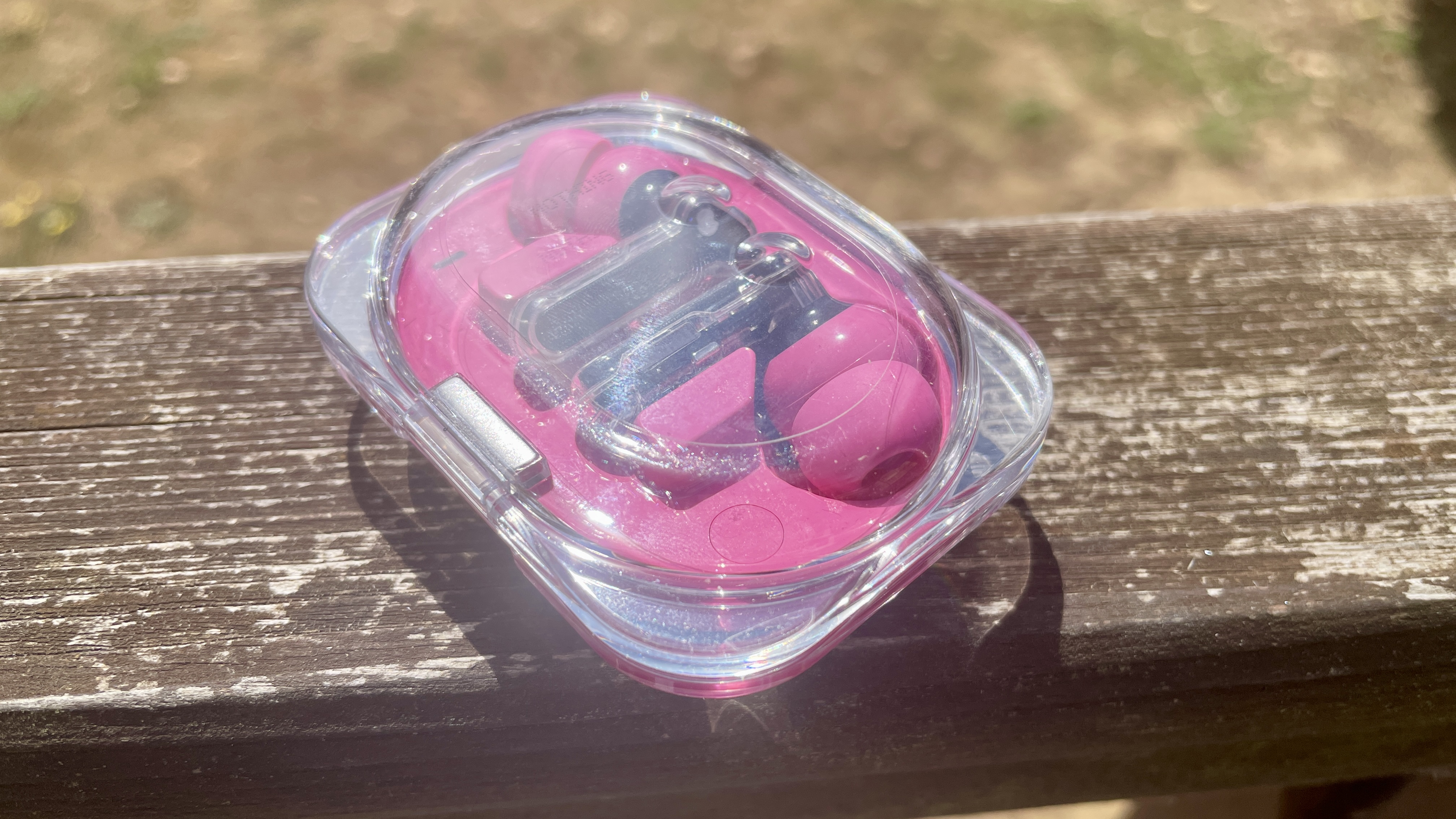
The Nothing Ear (3a) continues the brand’s distinctive aesthetic, featuring transparent stems and a choice of black, white, or a vibrant pink colorway. The accompanying case boasts a curvier design than its predecessor and includes a trio of LEDs for status indications. Internally, the earbuds are equipped with a custom 12mm driver, a slight increase from the previous 11mm, and an aerospace-grade diaphragm, aiming to enhance audio delivery. Each earbud weighs 4.53g, making them slightly lighter than the Ear (a)’s 4.8g. The design also includes refined ear-tips, offering four sizes (including an XS option) to improve fit, though some users with smaller ears may still find the earpieces somewhat large for extended comfort.
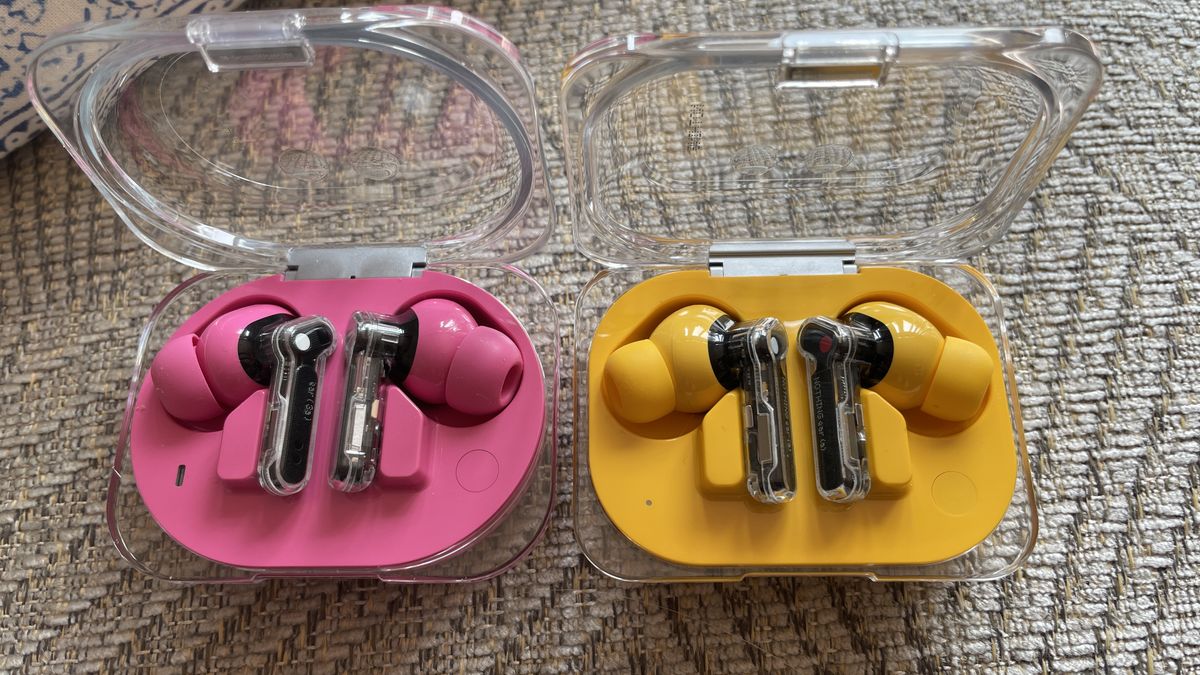
Connectivity is handled by Bluetooth 6.0, incorporating LDAC support for high-resolution audio streaming up to 32-bit/96kHz at 990kbps, a feature carried over from the previous generation and highly valued for its inclusion at this price point. The earbuds also feature static spatial audio, which aims to provide a more immersive soundstage, though it lacks the head-tracking capabilities found in more premium models. Other practical features include in-ear detection for auto-pausing music, a low-lag mode for gaming, seamless pairing, multipoint connectivity for two devices, an ear-tip fit test, and a "Find My Earbuds" function. For Nothing Phone users, the Ear (3a) integrates with ChatGPT via a stem squeeze, offering voice AI access.
The Controversial "Audio Snapshot" and Call Recording Features
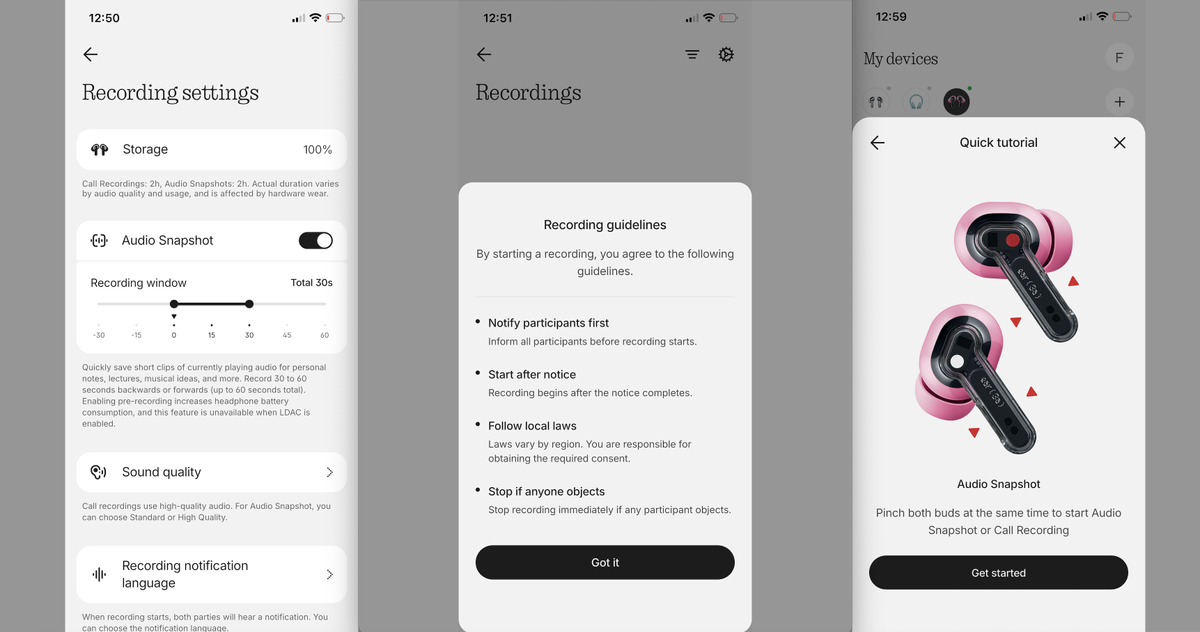
At the core of the debate surrounding the Nothing Ear (3a) are its "Audio Snapshot" and "Call Recording" capabilities. These features allow users to record up to two hours of audio directly onto the earbuds’ 32MB onboard storage by simply squeezing the stem. Beyond traditional phone calls, the system can also capture and transcribe voice notes from messaging apps like WhatsApp and Instagram. Nothing has announced plans to further enhance these features by August, including summaries of call recordings, speaker identification, and the ability to create calendar reminders based on discussions.

Nothing states that it "aligns with internationally recognised privacy standards ISO 27001, ISO 27701 and EN 18031." During the setup process via the Nothing X app, users are reminded to obtain permission before recording calls. However, the method of notification to the other party varies. On standard phone calls in the UK, a brief beep signals the start of recording. In contrast, platforms like Google Meet provide a vocal announcement: "This call will be recorded in 3, 2, 1." Notably, there is no verbal prompt on traditional smartphone-to-smartphone calls.
This implementation raises significant ethical and legal questions. Call recording laws differ widely; while some jurisdictions (like the UK) permit recording with only one party’s knowledge, many US states and federal law (the Federal Wiretap Act) require "two-party consent," meaning all parties must agree to the recording. The discreet nature of the activation (a stem squeeze) and the minimal notification (a brief beep) in many scenarios place the onus entirely on the Ear (3a) owner to ensure compliance with consent laws, which may not happen in practice. Critics argue that branding such a feature as a "lifestyle" or "playful" tool, despite its potential for covert surveillance, represents a concerning trend in consumer technology. This mirrors growing anxieties around other intrusive devices like smart glasses, where the indication of recording can be easily overlooked.

Audio Performance and Customization Options
Despite the privacy concerns, the Nothing Ear (3a) generally delivers commendable sound quality for its price point. The inclusion of LDAC support is a significant advantage, particularly for users with compatible Android smartphones (such as Sony or Samsung devices), enabling a richer, more detailed listening experience. Audio reproduction is described as cohesive, with clear instrument separation and a central, emotive vocal presence.
However, the default sound profile tends to be bass-heavy, which may require users to adjust the equalization for a more balanced output. Nothing addresses this with an enhanced 8-band EQ tab, a substantial upgrade from the previous three-band system. This advanced EQ, coupled with a "Q factor" control, allows for precise tailoring of frequency responses. The "Q factor" (quality factor) determines the width or sharpness of an EQ adjustment, offering granular control over how broad or narrow a frequency range is affected. This customization is crucial, especially since the Ear (3a) lacks the personalized hearing tests available in Nothing’s more expensive Ear (3) model, which automatically curates an EQ profile based on individual hearing.
The active noise cancellation (ANC) performance is robust for a budget earbud, rated up to 45dB, an improvement of 17.1% over the Ear (a) due to software enhancements and improved microphone architecture. While it doesn’t rival the industry-leading ANC of premium models like the AirPods Pro 3 or Bose QuietComfort Ultra Earbuds (Gen 2), it effectively creates a relatively quiet background for music. The transparency mode is also noted for its decent performance, offering a more three-dimensional soundscape of ambient noise compared to many competitors at this price.
One area of concern for audio performance is the overall volume. The earbuds reportedly require higher listening levels, often exceeding 50% volume, which can impact the perceived dynamics and immersion. This higher volume usage also directly contributes to reduced battery life.

Battery Life and Practical Considerations
Battery life is a notable drawback of the Nothing Ear (3a). The earbuds offer up to 6 hours of playback with ANC off and a mere 4.5 hours with ANC engaged. When combined with the charging case, total listening time extends to 25 hours (ANC off) or 18 hours (ANC on). These figures represent a significant decrease compared to the Nothing Ear (a), which provided up to 9.5 hours (ANC off) and 5.5 hours (ANC on) on a single charge.
This reduced stamina is particularly disappointing when viewed against competitors in the budget segment, such as the Cambridge Audio Melomania A100, which boast up to 11 hours per charge and a total of 39 hours with the case, alongside aptX Lossless support. The decline in battery performance in the Ear (3a) is speculated to be a consequence of the larger 12mm drivers and the additional power required for the 32MB onboard flash storage dedicated to the new recording features. The absence of wireless charging, a feature often found in competing models, further highlights a potential gap in convenience.

Despite these limitations, the call-handling capabilities are praised for their clarity, attributed to the three MEMS microphones integrated into each earbud, enhanced with AI-driven environmental noise cancellation (ENC). The pinch-to-control stems, a signature Nothing interface, return, allowing customizable shortcuts, including volume control, though this often means sacrificing another assigned function.
Market Positioning, Value, and Broader Implications
The Nothing Ear (3a) is priced competitively at $99 / £99, aiming to be a strong contender in the budget wireless earbud market. Historically, Nothing’s "a" series has been lauded for offering exceptional value. However, the current iteration presents a more complex value proposition. While the sound quality, advanced EQ, and improved ANC are certainly assets for the price, these are arguably overshadowed by the ethical concerns surrounding the call recording features and the practical detriment of significantly reduced battery life.
The strategic decision to prioritize "Audio Snapshot" and "Call Recording" over commonly requested features like personalized sound profiles (beyond manual EQ) or wireless charging is perplexing to some industry observers. This choice suggests a pivot towards a utility-focused, AI-integrated future, potentially at the expense of user trust and core audio experience enhancements that their target demographic might prefer.
The legal landscape surrounding call recording is intricate and varies by region, placing a considerable burden on the user to understand and comply with local laws. Nothing’s reliance on a subtle beep or in-app reminder for consent, while perhaps technically adhering to some standards, falls short of robust, unambiguous consent mechanisms. This could expose users to legal risks and erode public trust in the brand, particularly if the features are perceived as enabling surreptitious monitoring.

In a market crowded with strong alternatives like the Apple AirPods 4 (offering deep ecosystem integration), the Cambridge Audio Melomania A100 (known for superior battery life and audio fidelity), the Huawei FreeArc (for open-ear enthusiasts), and the SoundPEATS Clip1 (for even lower-cost options), the Nothing Ear (3a) faces an uphill battle to justify its unique feature set. The ultimate success and market reception of the Ear (3a) will likely depend on how consumers weigh the benefits of its audio capabilities against the significant privacy implications and compromised battery performance. This release prompts a broader discussion about the responsibilities of tech companies in implementing features with significant ethical ramifications and the paramount importance of user consent in an increasingly connected and data-driven world.