Bose QuietComfort Headphones (2nd Gen) Review: Premium Sound and Comfort Undermined by Build Quirks and Stiff Competition

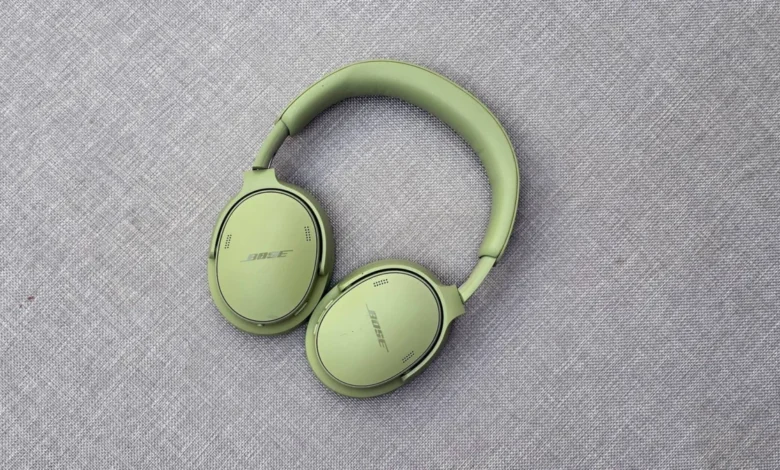
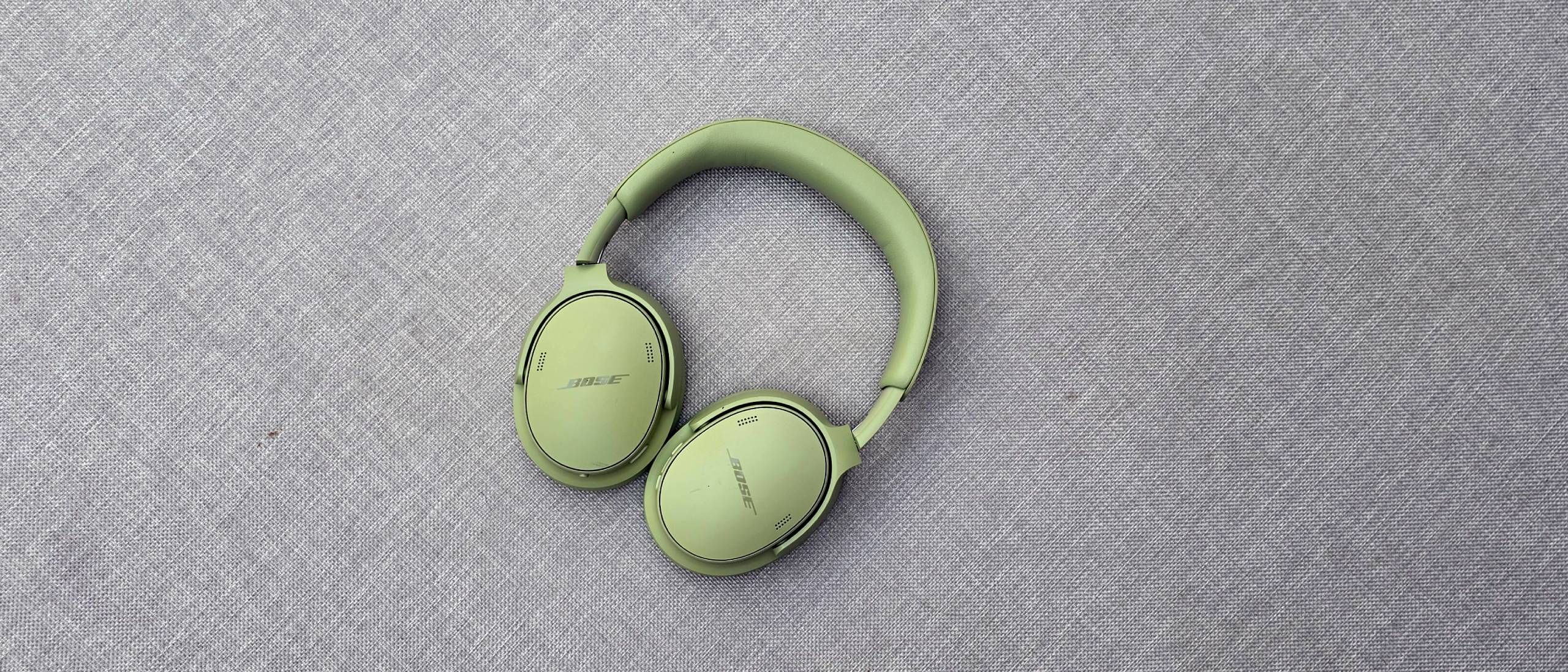
The consumer audio market has long regarded Bose as a vanguard of active noise cancellation (ANC) and ergonomic design. However, the manufacturer’s product strategy has frequently allocated its most advanced engineering resources to its ultra-premium tier, leaving its standard lines to bridge the gap between cost and performance. Arriving three years after the initial generation of post-QC 35 II era headphones and a year after the release of the QuietComfort Ultra Headphones Gen 2, the newly launched Bose QuietComfort Headphones (2nd Gen) aim to deliver high-end audio and robust noise suppression at a more accessible price point. Retailing at $359 / £299 / AU$549.99, these over-ear headphones occupy a fiercely contested space in the audio landscape. Following extensive testing across various environments—including commercial flights, high-speed rail journeys, and urban transit—critics have found that while the second-generation standard cans offer exceptional, vibrant sound quality and supreme day-long comfort, they are hampered by minor structural compromises, an underwhelming companion application, and a relatively modest 24-hour battery life that struggles to keep pace with contemporary rivals.
Chronology and Market Context
The trajectory of Bose’s mid-to-high-tier over-ear portfolio reflects a deliberate segmentation strategy. Following the widespread success and cultural ubiquity of the QuietComfort 35 II, Bose pivoted toward modernizing its industrial design and acoustic profiles. The first-generation standard QuietComfort Headphones debuted in 2023, serving as an approachable alternative to the company’s flagship Ultra devices.
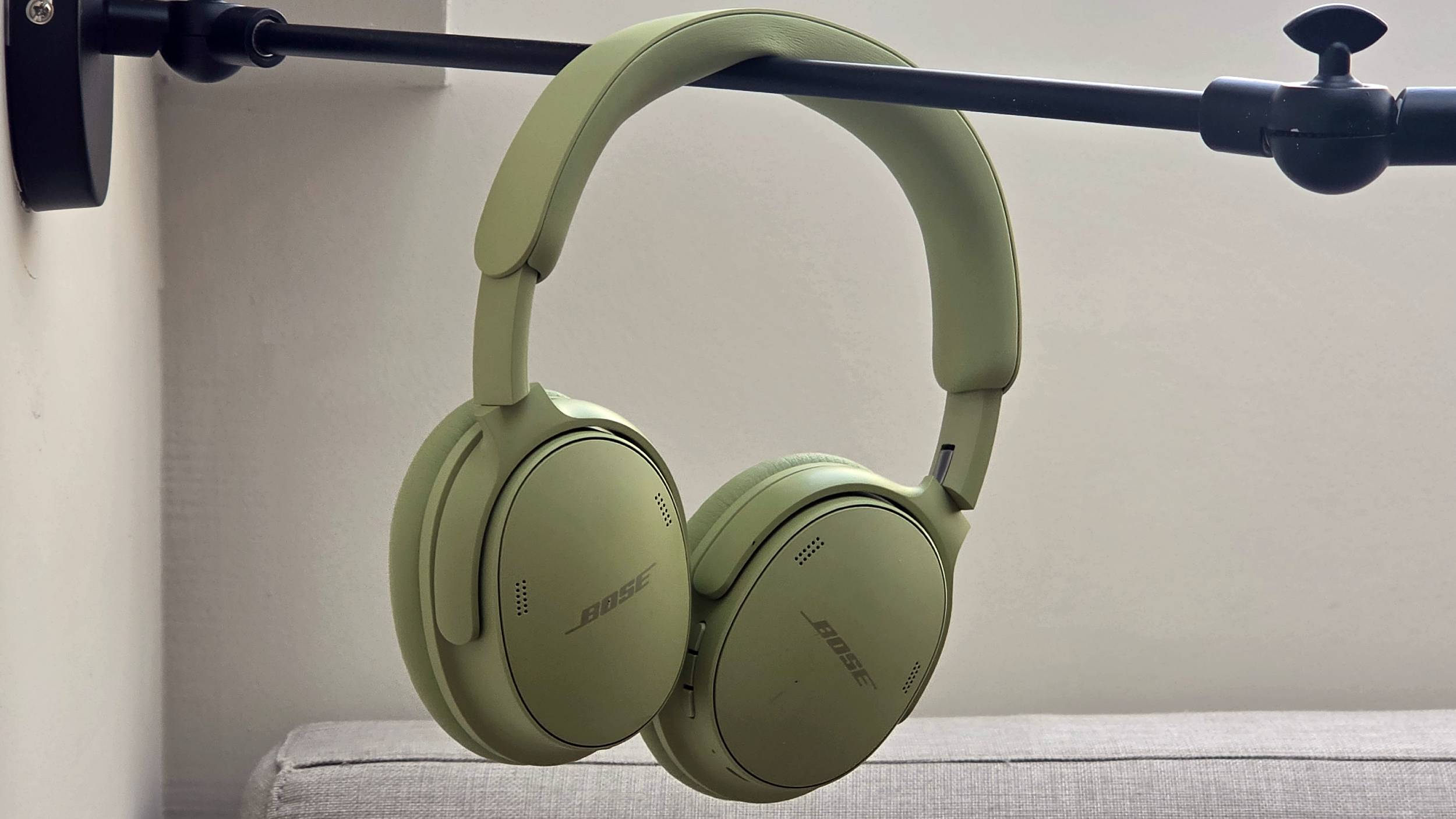
On August 6, 2026, Bose officially announced the QuietComfort Headphones (2nd Gen). This release comes precisely three years after its immediate predecessor and twelve months after the introduction of the QuietComfort Ultra Headphones Gen 2. Positioned strictly below the Ultra tier—which launched at a steeper $449 / £449 / AU$699—the Gen 2 model is engineered for consumers seeking hallmark Bose comfort and audio fidelity without incurring ultra-premium costs. Available in five distinct colorways—black, white, mauve, mint, and green—the package includes a protective hard-shell carrying case, a USB-C to USB-C charging and audio cable, and a USB-C to 3.5mm analog cable.
Design, Ergonomics, and Build Quality
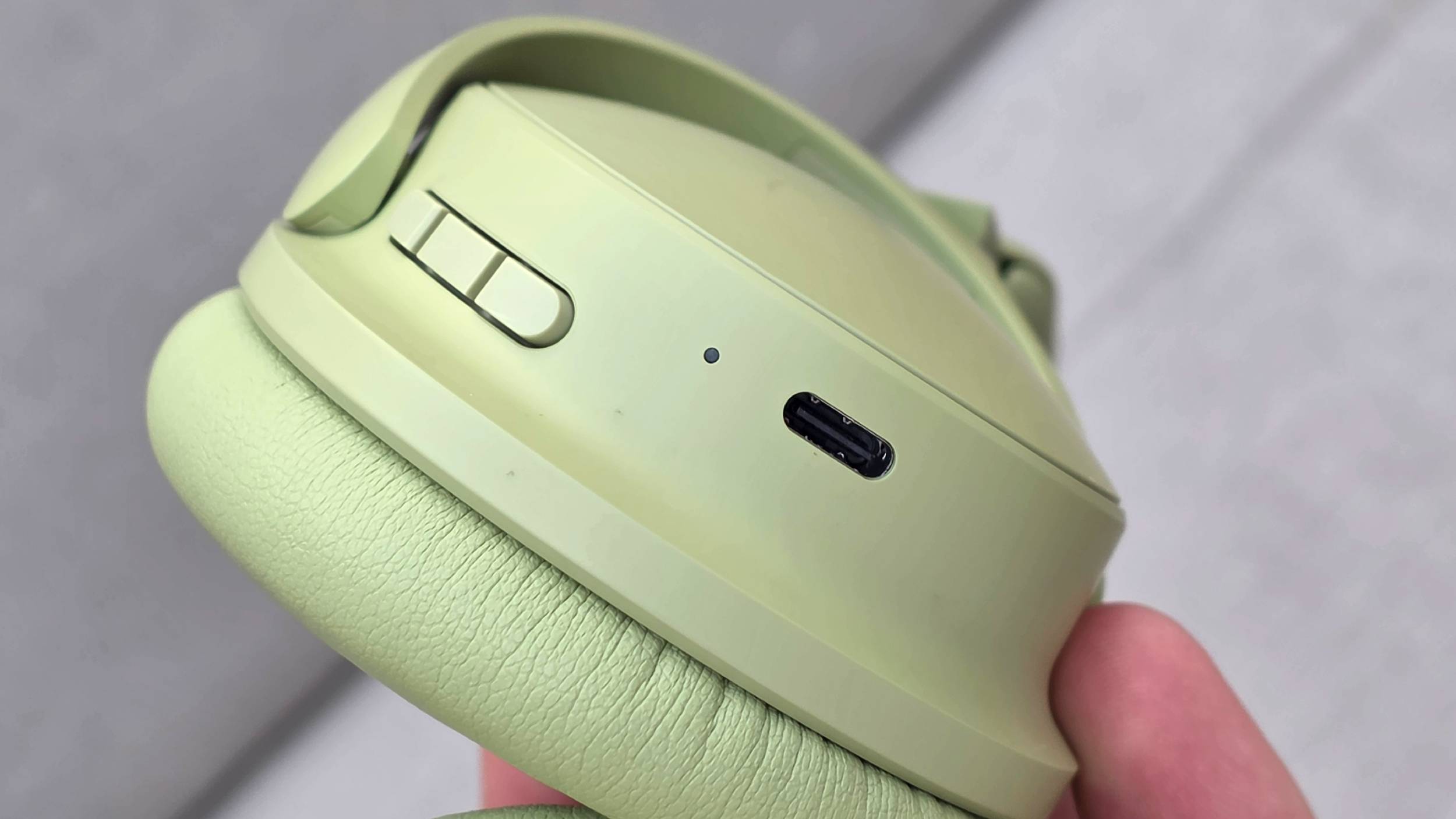
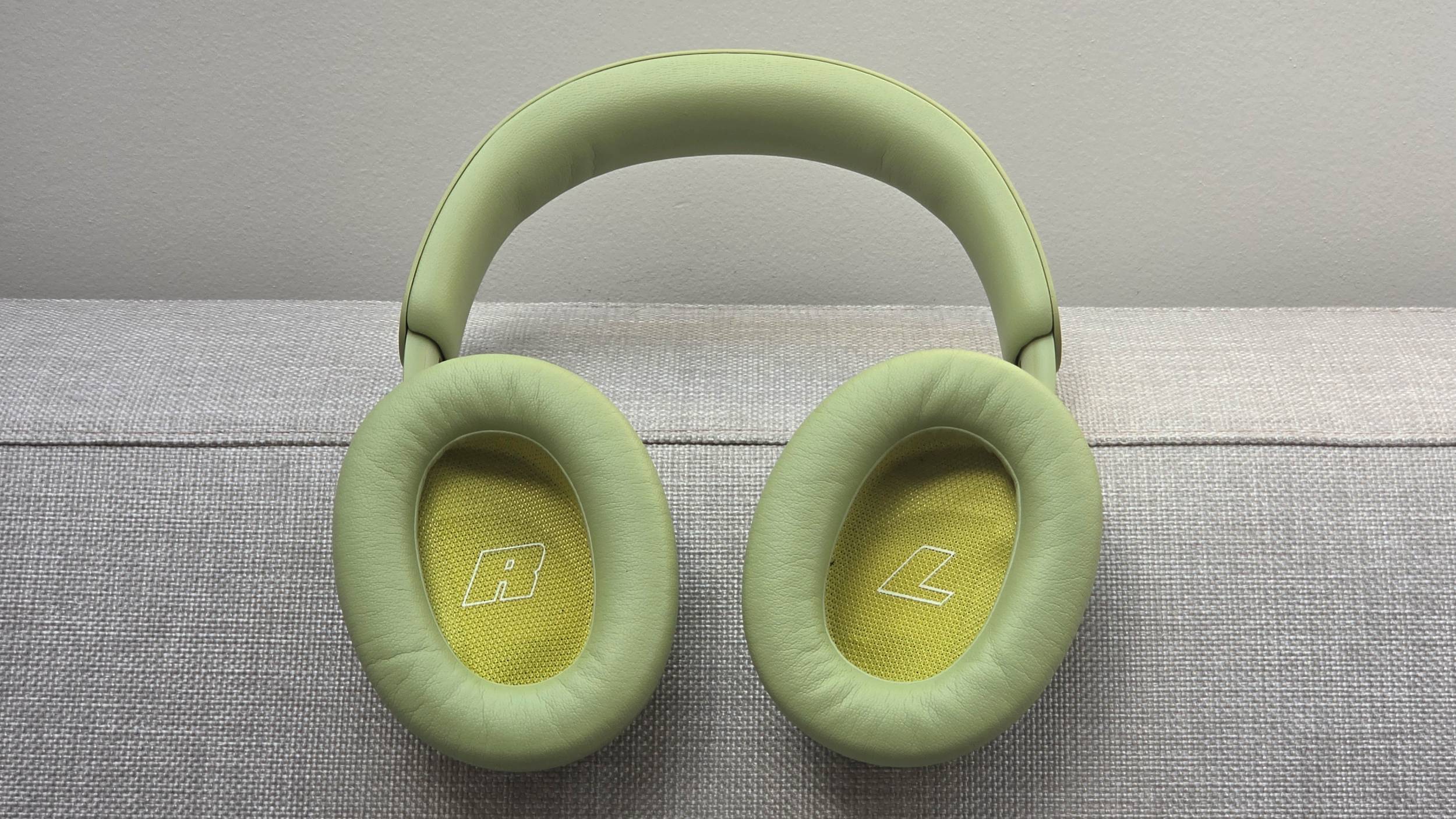
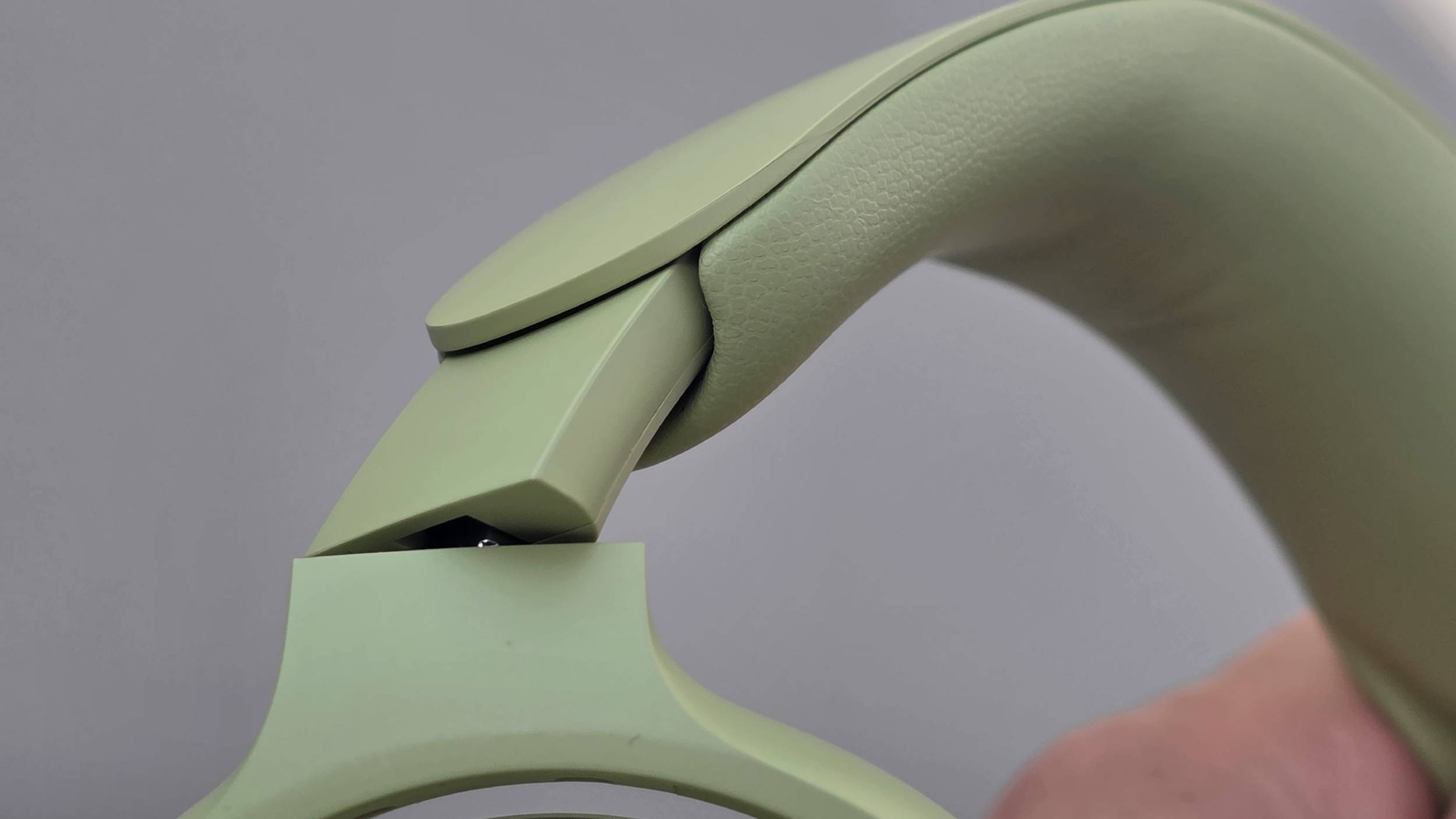
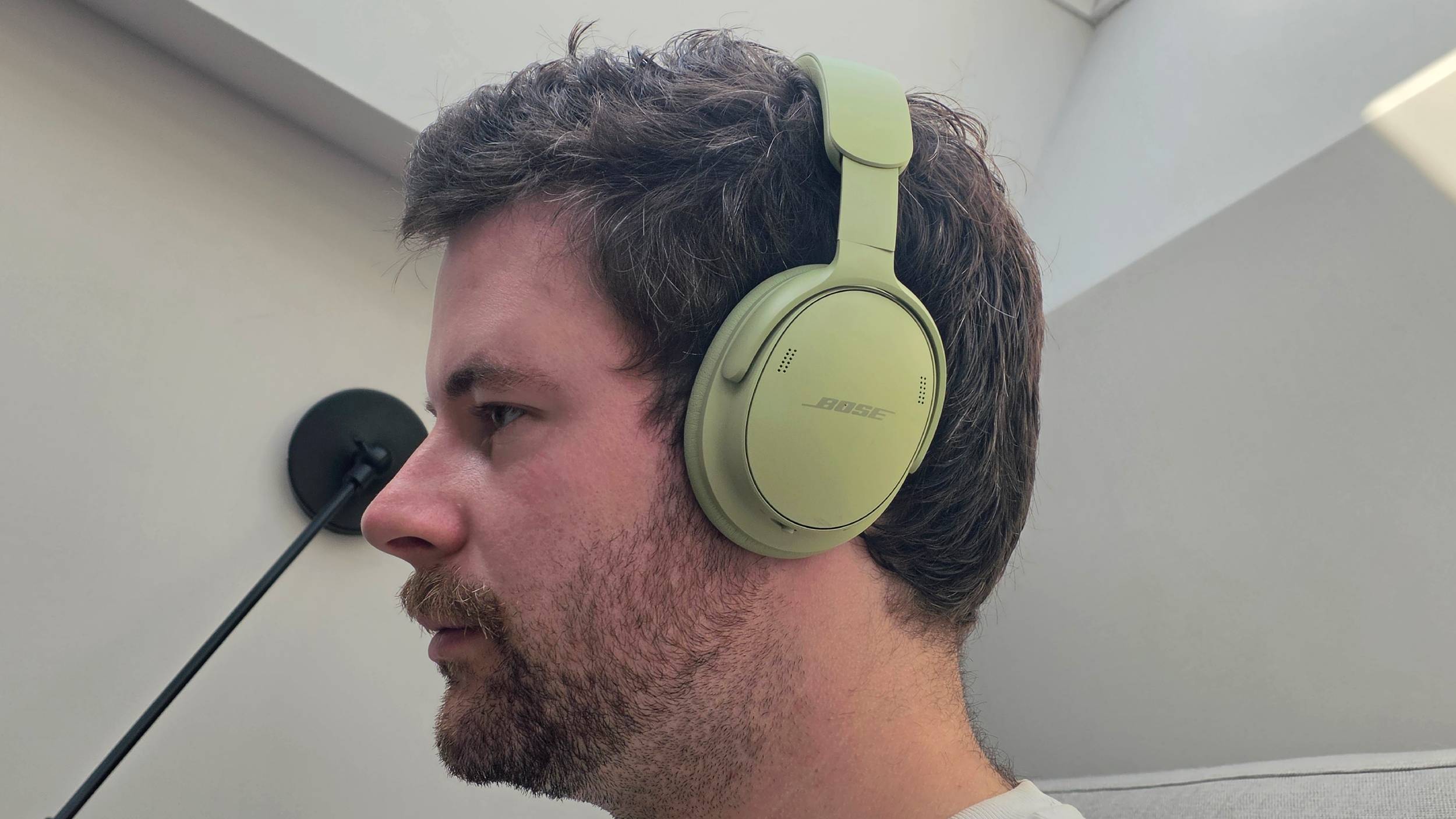
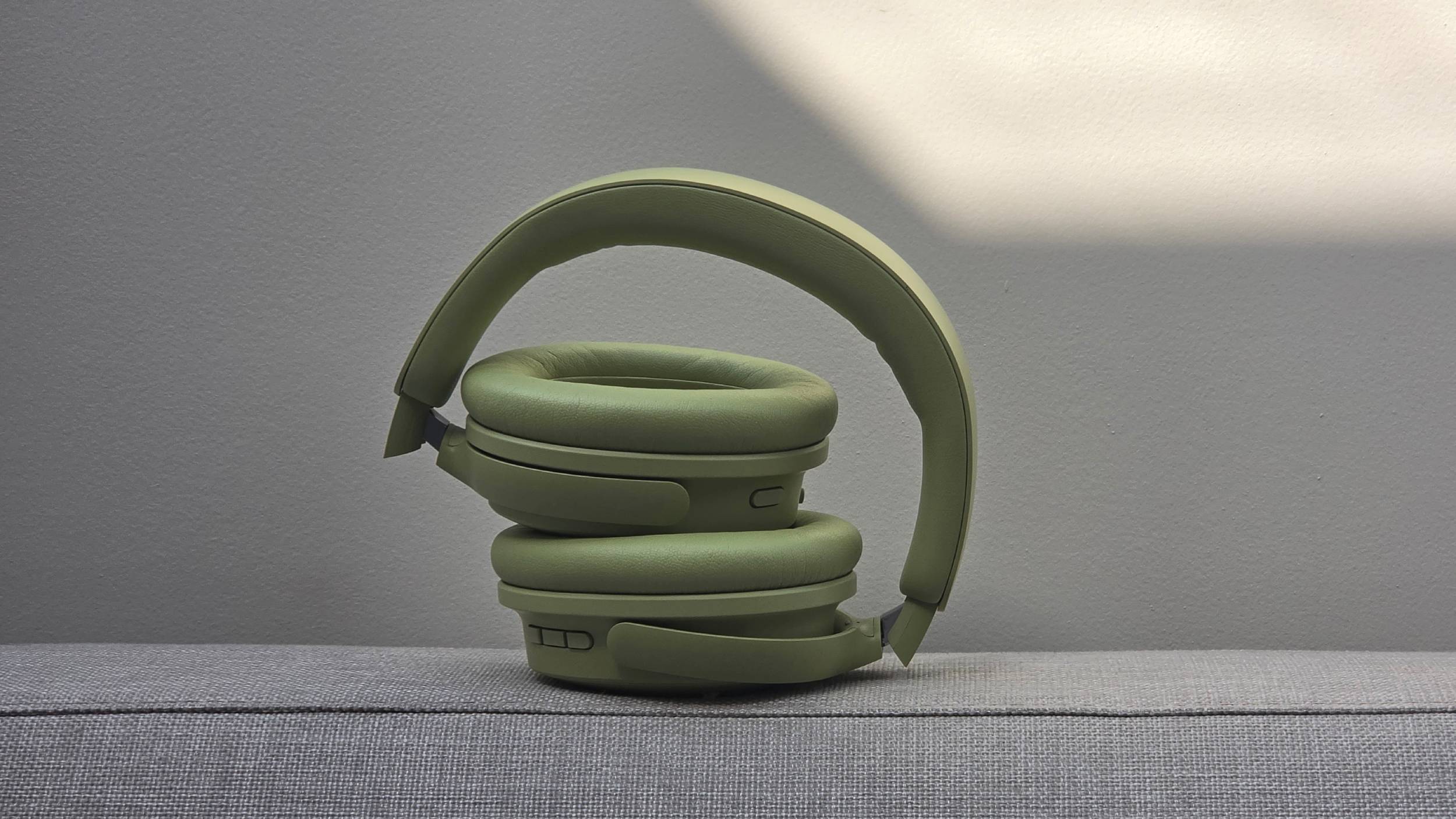
At first glance, the Bose QuietComfort Headphones (2nd Gen) maintain the familiar silhouette of their predecessors while introducing subtle visual refinements. The mechanical hinges and retractable headband arms are more discreetly integrated, and the padding along the headband sits flush, giving the overall apparatus a cleaner, more finished aesthetic compared to the somewhat prototypical look of older iterations. Weighing in at 241 grams, the headphones feel virtually weightless during extended listening sessions, supported by soft protein-leather ear cushions and generous overhead padding that eliminate pressure points and ear fatigue.
Despite these ergonomic triumphs, the physical build quality reveals several perplexing compromises. When held by the headband, various structural components exhibit a concerning amount of flex, and certain gaps in the chassis feel unrefined for a device commanding a mid-to-high-tier price tag. The earcups are prone to slight rattling, and the overall construction feels noticeably flimsier than competing models offered at half the price point.
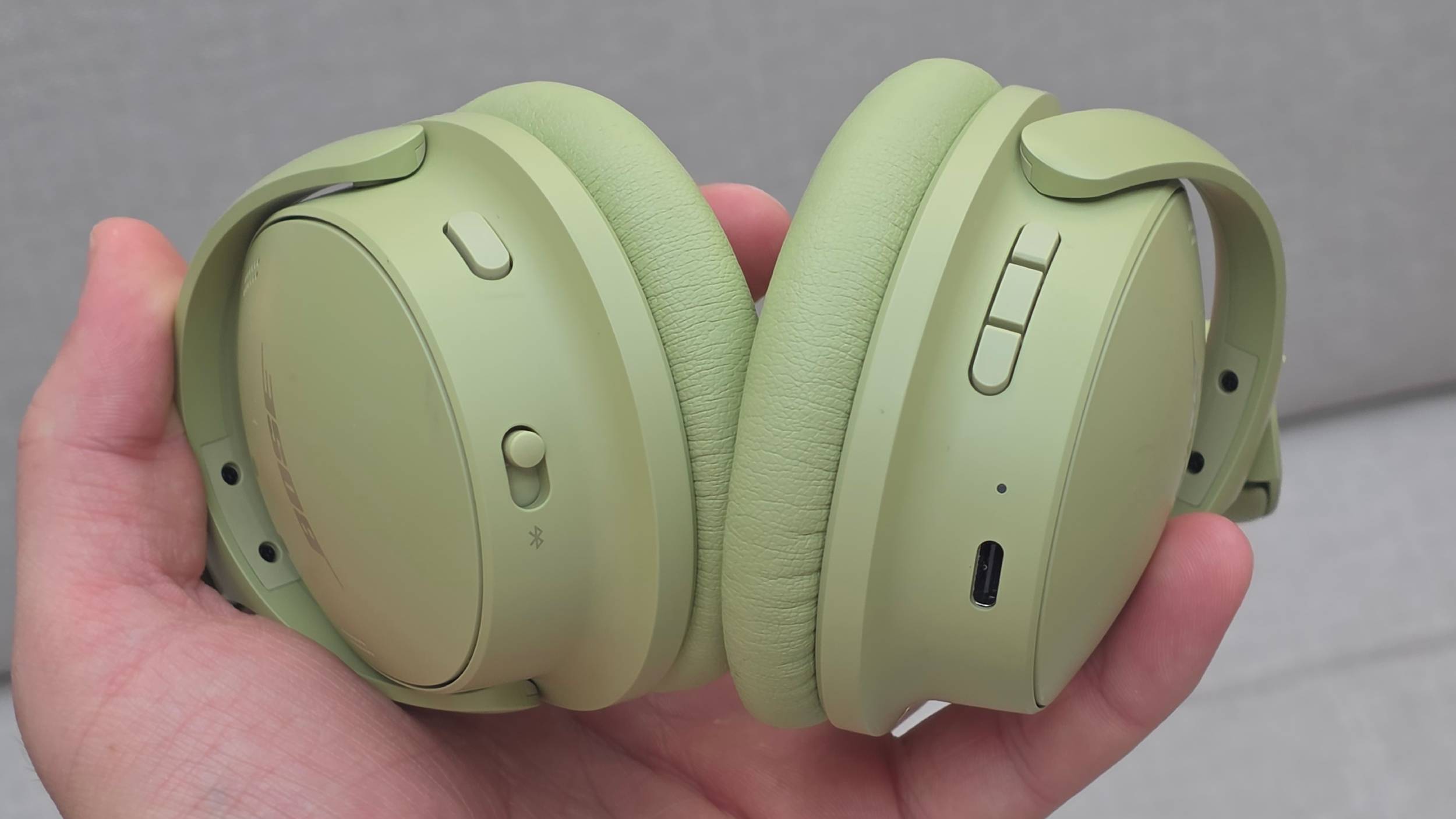
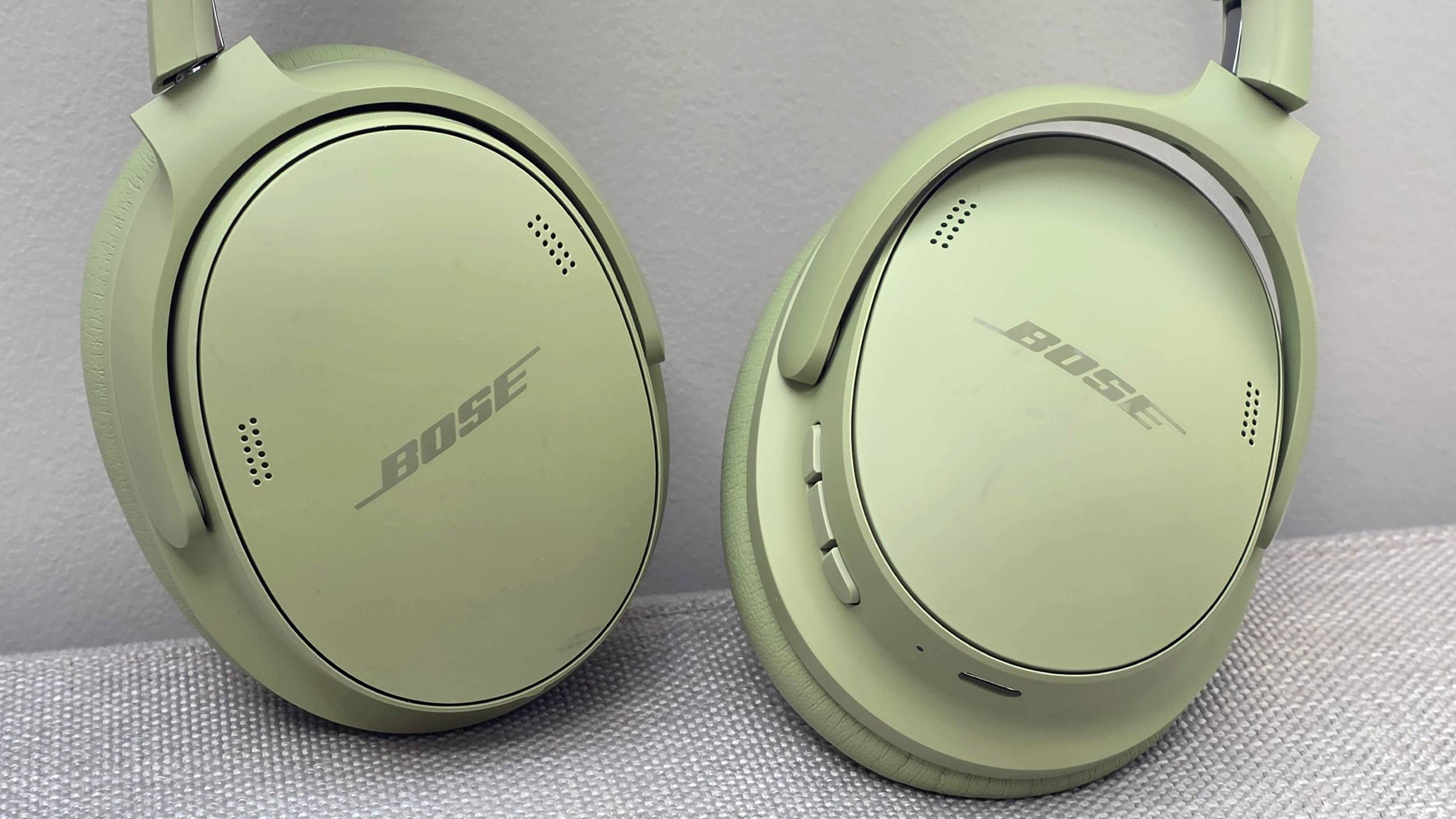
Control placement, however, remains a strong suit. The right earcup features distinct physical buttons for volume adjustment and media playback, engineered with tactile variations that allow users to identify functions by touch alone. A dedicated shortcut button and a physical power slider sit alongside them. The inclusion of a physical power switch—allowing users to instantly toggle the device on and off without holding down a multi-purpose button—stands out as a masterclass in functional design.
Acoustic Performance and Audio Fidelity
Where the QuietComfort Headphones (2nd Gen) face criticism regarding build integrity and features, they command nearly universal praise for their sound reproduction. Although Bose has not explicitly detailed the technical specifications of the internal drivers, the sonic output closely mirrors or exceeds the vibrant profile of the previous generation, utilizing a default V-shaped frequency response that prioritizes musical enjoyment over strict neutrality.
Treble frequencies are rendered with exceptional clarity and crispness, capturing delicate string tremolos and high-end details that are frequently obscured by lesser hardware. Meanwhile, the bass response is robust, energetic, and tightly controlled, ensuring that low-end frequencies provide visceral impact without bleeding into or muddying the rest of the mix.
Mid-range frequencies, as is typical of V-profile tuning, take a slight backseat. Harmonies, piano lines, and backing vocals in tracks such as Fitz and the Tantrums’ Man on the Moon or The Hoosiers’ Automatic Glow occasionally recede behind the prominent bass and upfront vocals. Nevertheless, the overall sonic delivery is undeniably engaging. Furthermore, Bose’s Immersive Audio spatial feature performs admirably, offering "Still" and "Motion" modes that expand the soundstage naturally around the listener without sounding overly artificial or gimmicky.
Active Noise Cancellation and Feature Set
As a hallmark of the Bose brand, Active Noise Cancellation (ANC) is a primary selling point for the QuietComfort lineup. The Gen 2 headphones feature robust ANC performance, labeled "Quiet" mode, alongside an "Aware" mode that pipes in environmental sounds. During rigorous testing across commercial flights and bustling city centers, the ANC proved highly effective at subduing ambient murmurs and low-frequency drones, though it fell just short of absolute perfection. Persistent engine hums on aircraft occasionally leaked through more noticeably than they would on class-leading alternatives, indicating that competing manufacturers have successfully closed the performance gap.
Feature integration within the companion Bose app remains functional but surprisingly sparse. Users can configure multi-point Bluetooth 5.4 connections, manage battery levels, and adjust Immersive Audio preferences. However, the onboard equalizer is severely limited, offering only a basic three-band adjustment framework and four preset profiles. This lack of granular control will likely disappoint audiophiles accustomed to deep frequency customization.
Additionally, the device’s battery life is a notable point of friction. Rated at approximately 24 hours of continuous playback with ANC enabled, the battery longevity falls significantly short of contemporary benchmarks in 2026, where rival over-ear models frequently boast capacities exceeding 50 to 100 hours. While a full charge via USB-C takes roughly three hours, and the inclusion of high-quality wired audio transmission through the USB-C port is a welcome addition, the limited battery capacity restricts the headphones’ utility for long-haul international travel.
Market Position and Comparative Analysis
Positioned at $359 / £299 / AU$549.99, the Bose QuietComfort Headphones (2nd Gen) occupy an awkward middle ground. They successfully undercut premium flagship devices such as the Sony WH-1000XM6 and the Bowers & Wilkins PX7 S3, yet their structural quirks, limited app functionality, and sub-par battery life prevent them from being an outright recommendation at full retail price.
For consumers prioritizing sheer comfort and dynamic, lively sound reproduction above all else, the Bose QuietComfort Headphones (2nd Gen) deliver a compelling listening experience. However, prospective buyers seeking extended battery endurance or robust feature sets may find greater value in discounted previous-generation models or aggressively priced competitors like the Soundcore Space 2. Ultimately, while these headphones excel in their primary acoustic duties, they require strategic promotional pricing to truly justify their investment.