Fairphone Fairbuds 2 Review: Sustainable Wireless Audio Without Toxic Forever Chemicals

The consumer technology landscape has long grappled with an inherent paradox: the pursuit of personal convenience often carries a heavy environmental and biological cost. As major manufacturers race to release annual iterations of smartphones, laptops, and audio peripherals, the industry generates staggering amounts of electronic waste while frequently relying on opaque supply chains. Furthermore, recent scientific inquiries into consumer electronics have raised alarming questions regarding manufacturing materials, notably the widespread presence of per- and polyfluoroalkyl substances (PFAS)—commonly referred to as "forever chemicals"—in modern headphones and earbuds. Enter Amsterdam-based social enterprise Fairphone, a company dedicated to disrupting traditional manufacturing paradigms through modularity, ethical mineral sourcing, and transparent supply chains. Following the introduction of its eco-focused smartphones and previous audio ventures, the company has officially expanded its portfolio with the launch of the Fairphone Fairbuds 2. Retailing at $119 / £99, these wireless earbuds arrive with a distinct mandate: to deliver a competitive listening experience while entirely eliminating toxic chemicals, prioritizing complete repairability, and utilizing recycled components. This comprehensive review examines whether the Fairbuds 2 successfully balance ethical imperatives with everyday audio performance.
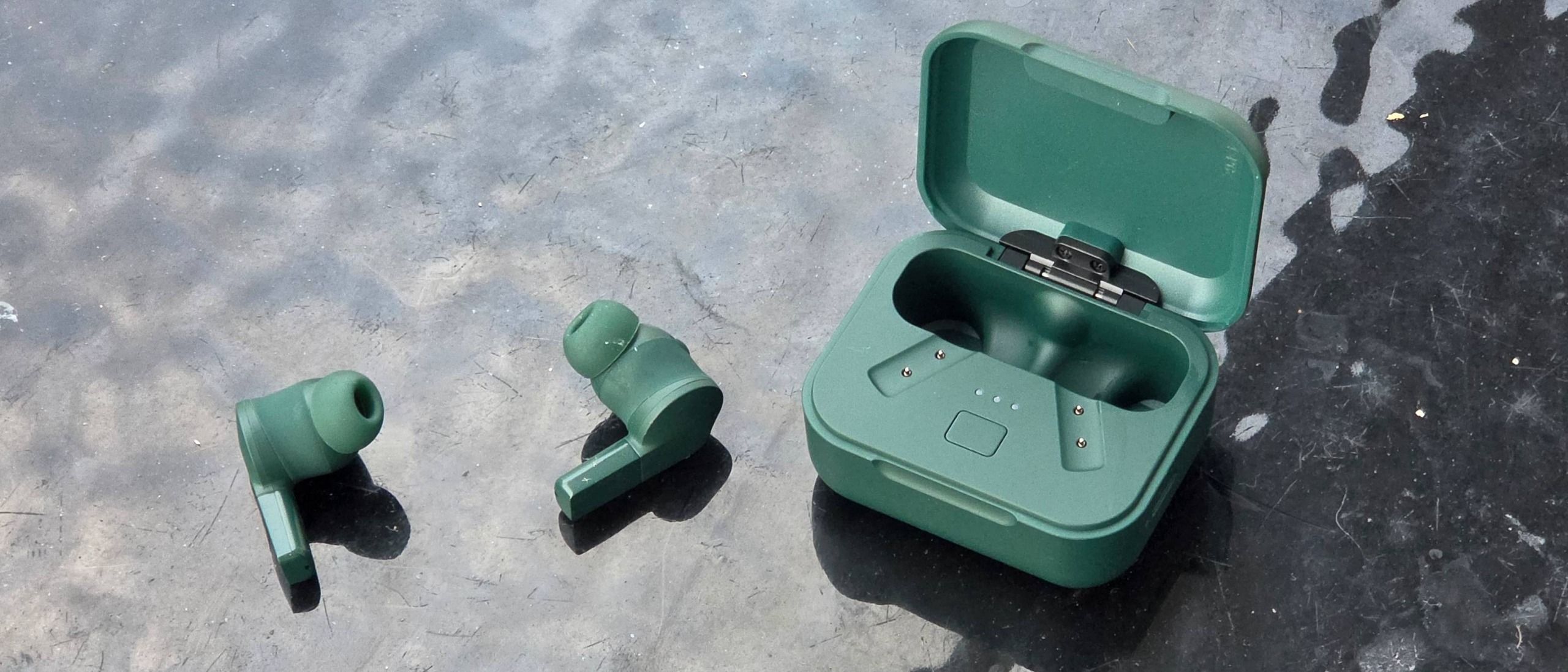
Background Context and Industry Implications
The release of the Fairphone Fairbuds 2 occurs against a backdrop of increasing regulatory scrutiny and consumer awareness surrounding electronic sustainability and product safety. Earlier in the year, independent environmental studies, such as comprehensive research published by the organization Arnika regarding contamination in consumer audio equipment, revealed that a vast majority of commercial headphones and earbuds feature coatings containing PFAS compounds. These synthetic chemicals, prized for their water- and heat-resistant properties, are notoriously persistent in the environment and have been linked to various adverse health outcomes upon prolonged exposure. For an industry where users wear devices directly inside or over their ears for hours daily, the revelation prompted significant consumer apprehension.
Fairphone’s strategic positioning has always relied on addressing these exact vulnerabilities within the tech sector. Established with the core mission of creating fairer electronics, the company previously made waves with modular smartphones like the Fairphone 6 Plus and over-ear headphones such as the Fairbuds XL. By extending this philosophy to true wireless in-ear monitors, Fairphone aims to prove that sustainable technology does not necessarily require sacrificing fundamental consumer safety features. The exclusion of PFAS from the Fairbuds 2 construction removes a major point of anxiety for health-conscious buyers, establishing a new benchmark for material transparency in the personal audio market.
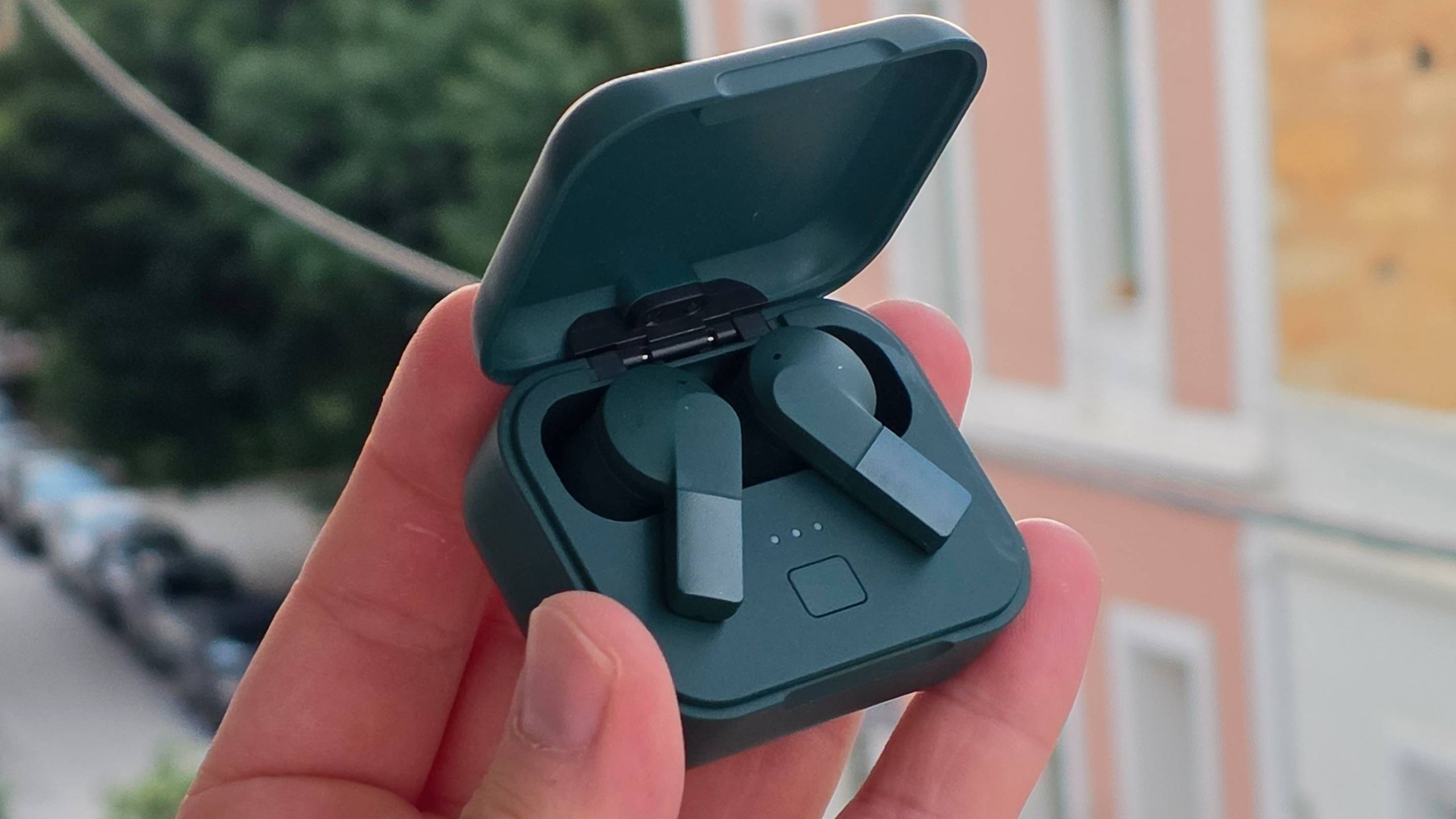
Chronology and Product Availability
Fairphone officially unveiled the Fairbuds 2 on October 14, marking a two-year interval since the debut of the original first-generation Fairbuds and a subsequent year after the launch of the Fairbuds XL over-ears. Following the announcement, the product immediately entered the European market. Recognizing the growing demand for sustainable alternatives in North America—particularly following the successful rollout of the Fairphone 6 Plus earlier in the year—the company scheduled the United States release for November 2.
Priced at $119 in the United States and £99 in the United Kingdom, the Fairbuds 2 represent a modest price adjustment compared to their predecessors, which debuted at $99 / £129. While Fairphone products are still not officially distributed in Australia, the company’s expanding footprint in North America and Europe signals a broader acceptance of modular, ethical tech among mainstream consumers. Notably, the pricing positions the Fairbuds 2 competitively against baseline rivals such as entry-level Apple AirPods models, while offering distinct hardware advantages like physical silicone ear tips and user-serviceable components.
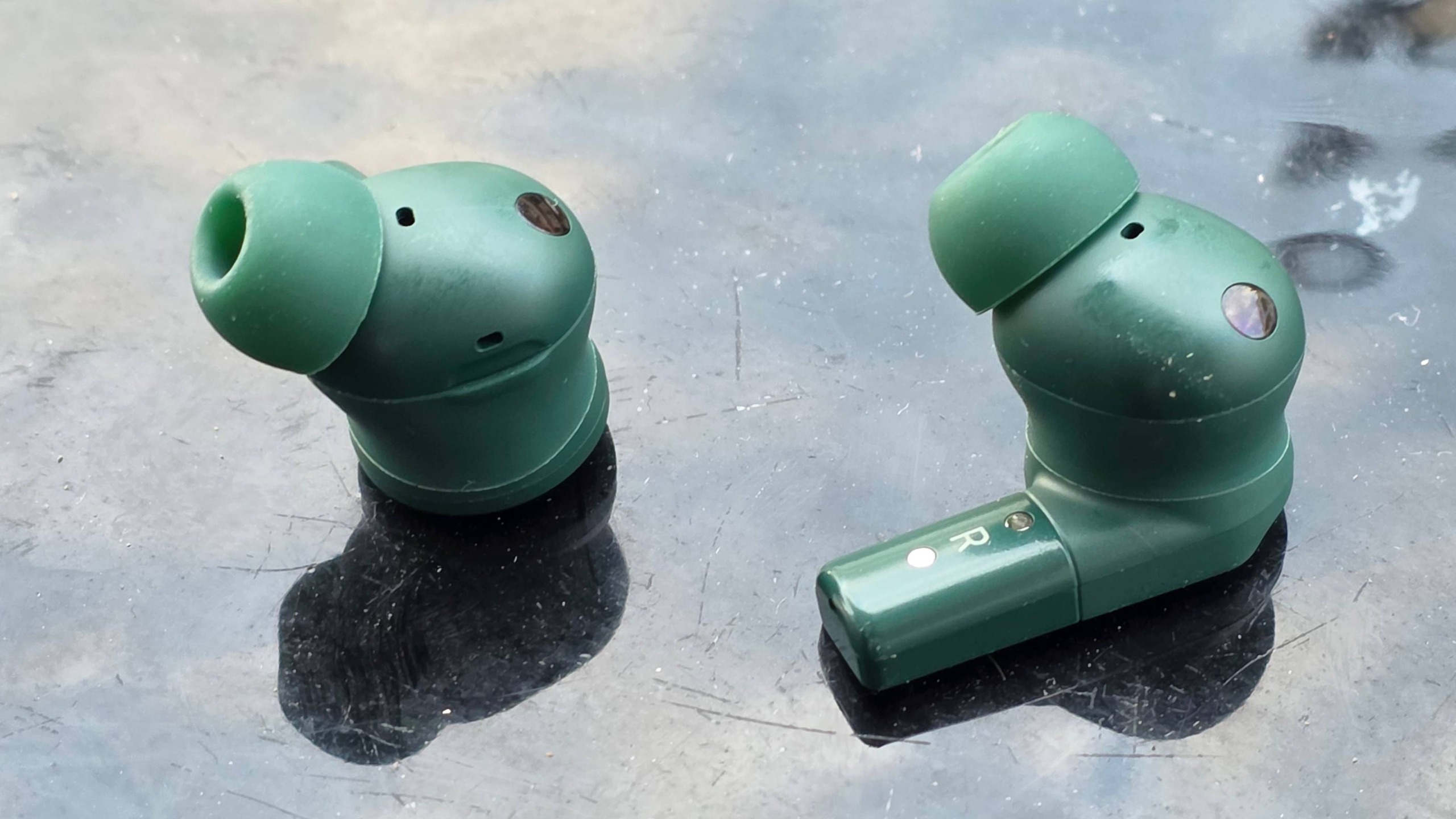
Design, Modularity, and Material Sourcing
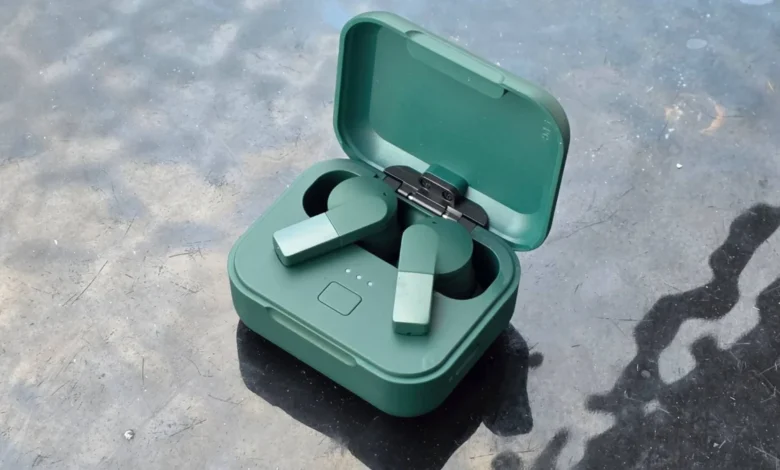
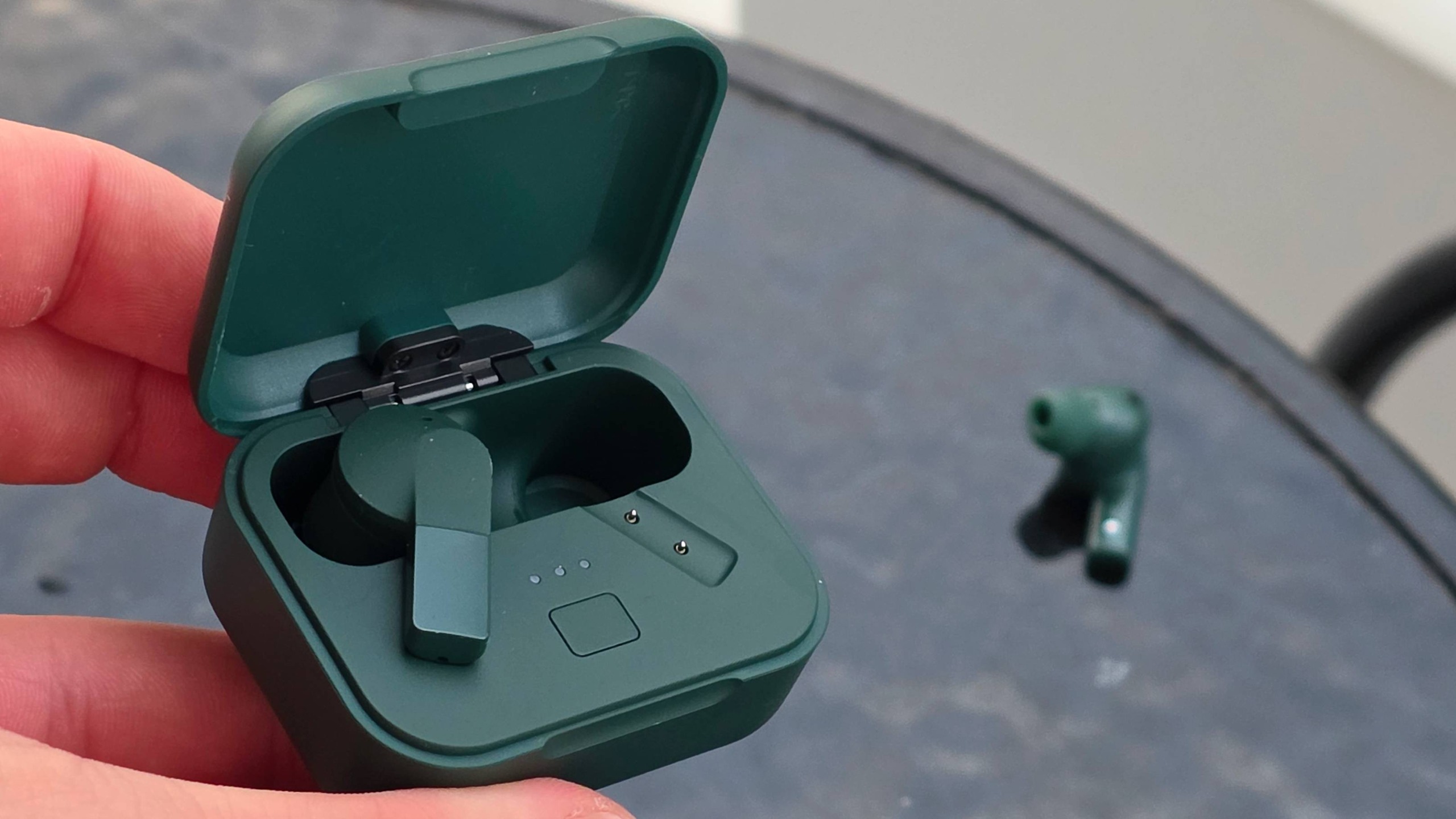
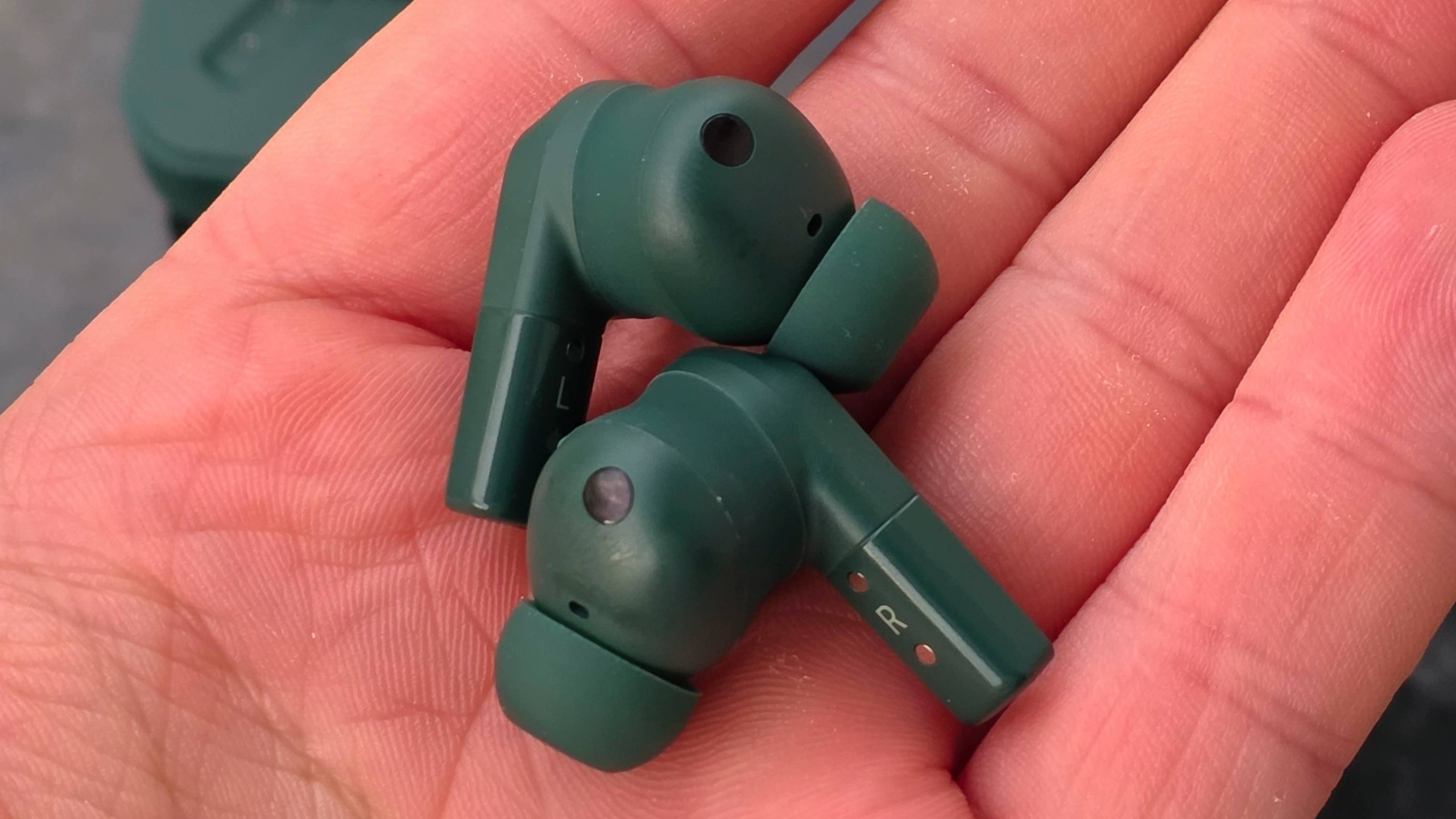
At first glance, the Fairphone Fairbuds 2 present a deceptively modest aesthetic. Departing from the stemless design of the first-generation model, the second iteration adopts a familiar stem-based architecture. Each individual earbud weighs a manageable 5.8 grams and features a clean, flat exterior housing responsive touch controls. The earbuds are housed within a cylindrical, clamshell-style charging case weighing 64 grams. Constructed from exceptionally rigid plastic that mimics the tactile feel of metal, the case includes a pairing button, a USB-C charging port, and a three-LED battery status indicator. The hardware carries an IP54 rating for the earbuds themselves, offering robust resistance against dust and water splashes, though the case lacks an official ingress protection rating.
The true differentiator for the Fairbuds 2 lies within their material composition and lifecycle engineering. Fairphone utilizes recycled plastics for the housing, recycled rare earth elements for the speaker magnets, and responsibly sourced cobalt, copper, gold, and silver throughout the internal circuitry. Crucially, the entire device is engineered for modular repairability. Rather than sealing the internal components with industrial adhesives—a common practice that renders traditional earbuds impossible to fix once batteries degrade—the Fairbuds 2 can be disassembled into seven distinct, replaceable parts using a standard screwdriver. If a single earbud malfunctions or a battery loses its capacity over time, users can purchase specific replacement modules directly from Fairphone rather than discarding the entire unit. This circular design philosophy drastically reduces electronic waste and aligns with emerging right-to-repair legislation globally.
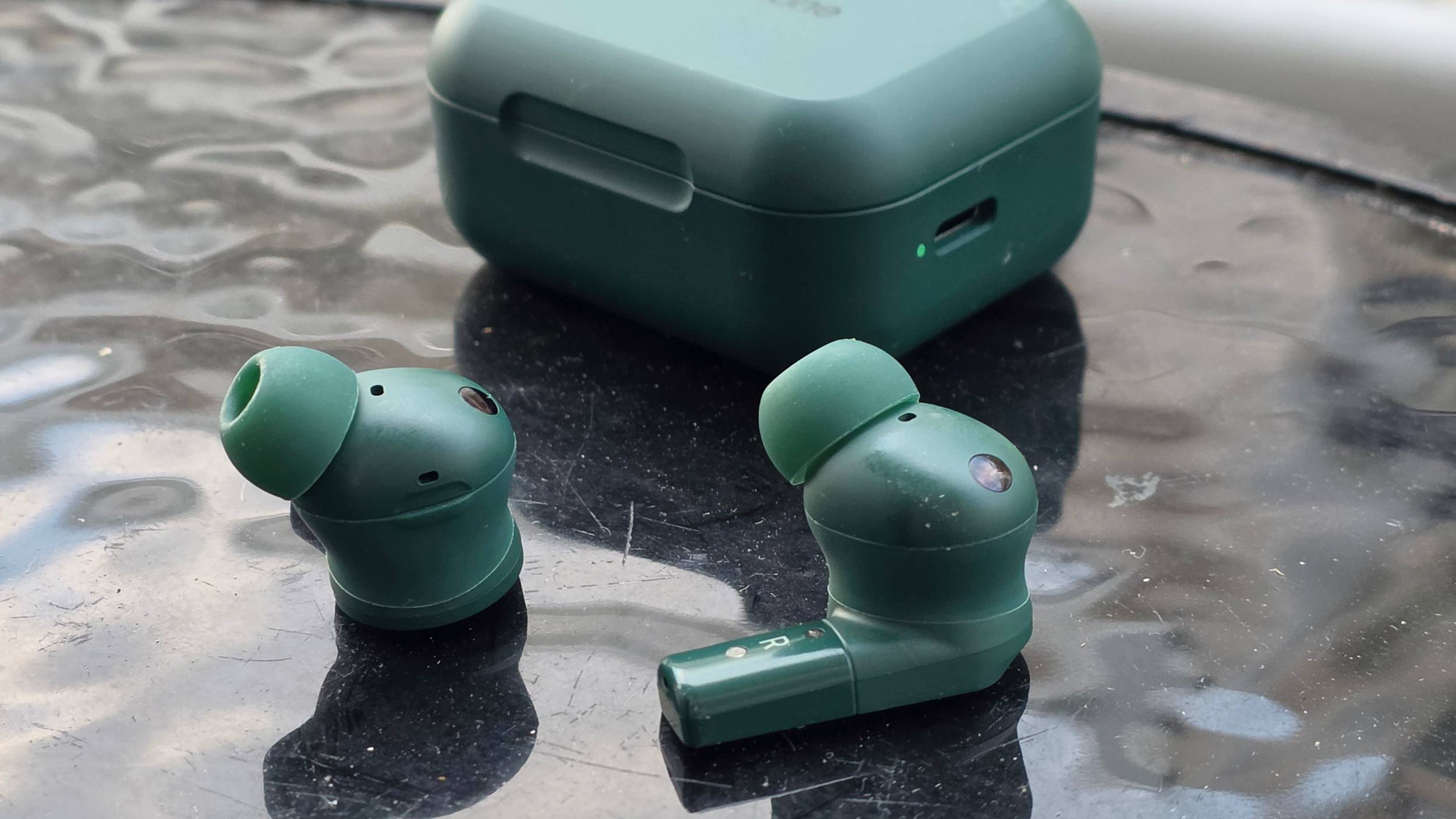
Audio Performance and Technical Specifications
Equipped with 11mm dynamic drivers and supporting Bluetooth 6.0 connectivity alongside the LDAC codec for compatible Android devices, the Fairbuds 2 deliver a serviceable, albeit specialized, acoustic profile. Technical specifications highlight an active noise cancellation (ANC) mode that provides approximately six hours of continuous playback on a single charge, extending to eight hours with ANC disabled. The charging case supplements this with an additional 32 to 40 hours of cumulative battery life, placing the device on par with standard market competitors, though trailing behind industry leaders in raw battery longevity.
In practice, the acoustic tuning leans heavily toward the low end. The 11mm drivers provide a prominent, meaty bass response that handles modern rhythm sections with considerable authority. However, this emphasis can occasionally overshadow the midrange frequencies and upper registers, resulting in vocals that lack optimal brilliance in complex musical arrangements. Listeners preferring a balanced or neutral soundstage may find the default tuning slightly heavy-handed, though Fairphone mitigates this through a companion mobile application.
The accompanying Fairbuds app features a straightforward five-band equalizer complemented by five remarkably effective presets: Balanced, Bass Boost, Treble Boost, and Voice. The Voice preset, in particular, proves exceptionally useful for podcasts and audiobooks, successfully isolating spoken word content by subduing background frequencies. Furthermore, the application houses a reliable "Find My Earbuds" utility and allows users to toggle between ANC and transparency modes. The Active Noise Cancellation itself performs admirably above expectations for this price bracket, adeptly neutralizing droning ambient sounds and sporadic environmental noises despite minor impacts on overall battery endurance.
Market Implications and Comparative Value
Evaluating the Fairphone Fairbuds 2 requires weighing their unique ethical and structural advantages against traditional market metrics. At $119 / £99, the earbuds occupy the boundary between budget and mid-range audio peripherals. When judged purely on audio fidelity and feature sets, they face intense competition from established audio brands such as Soundpeats and Huawei, whose rival models often deliver superior high-frequency clarity or extended battery metrics at comparable price points.
However, reducing the Fairbuds 2 to a conventional spec-sheet comparison overlooks their primary value proposition. By eliminating toxic forever chemicals, prioritizing fair-trade mineral extraction, and offering an unprecedented level of modular repairability, Fairphone provides a tangible solution for consumers seeking to minimize their ecological footprint without entirely abandoning modern wireless conveniences. The peace of mind derived from a chemical-free listening experience, combined with the ability to replace individual worn-out parts, establishes the Fairbuds 2 as a compelling option for conscientious buyers. While audiophiles may gravitate toward specialized alternatives, the Fairphone Fairbuds 2 successfully demonstrate that ethical manufacturing and functional consumer electronics can coexist in a crowded global marketplace.